Asociación en Relationships
Asociación isn't just sobre siendo en un relationship. It's sobre standing side por side con alguien who sees tú como an equal, respects tu voice, y shares el weight of building un life together. Every day, millions of couples navigate el delicate dance between love y Asociación, often without realizing these son two distinct concepts que must work en harmony.
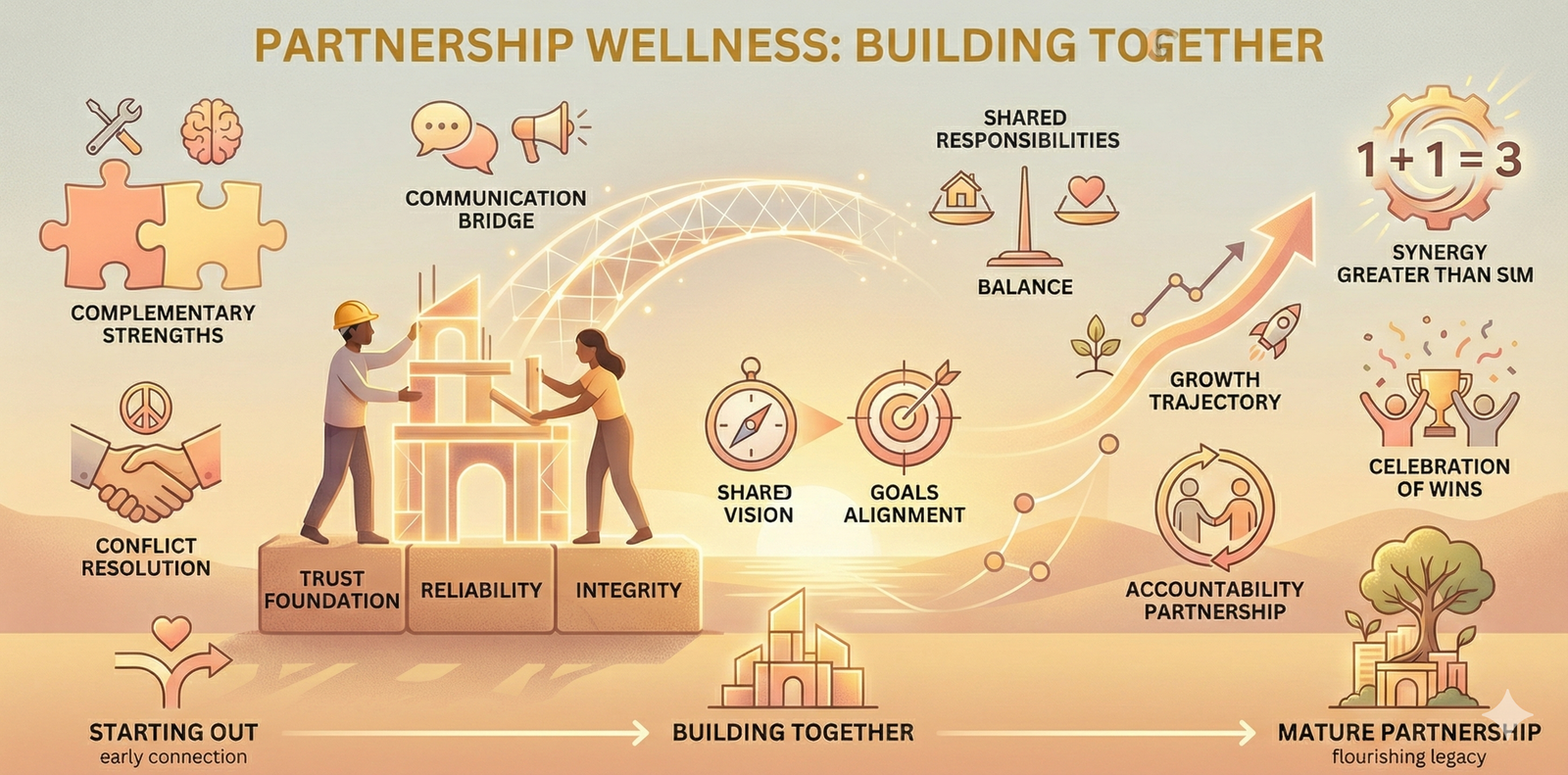
Here's something surprising: research de la American Psychological Association shows que individuals en supportive, equal partnerships son 50% more likely un tener better mental health diferentes compared un those en imbalanced relationships. Yet many couples struggle un define what Asociación actually means en their daily lives. el difference between un relationship y un true Asociación puede determine whether tu bond grows stronger o gradually erodes under el weight of unmet expectations y unspoken resentments.
This comprehensive guide explores el science, psychology, y práctico application of Asociación en romantic relationships. tú'll discover evidence-based estrategias para creating equality, navigating power dynamics, y building un Asociación que enhances both individual wellbeing y collective <un href="/g/life-satisfaction.html">life satisfaction</un>. Whether tú're beginning un new relationship o strengthening an existing bond, Entender Asociación principles puede transform cómo te connect, communicate, y grow together.
No es consejo médico. si estás experimentando relationship distress, consult un licensed relationship terapeuta o consejero.
What es Asociación en un Romantic Relationship?
Asociación representa el evolved form of romantic connection where two individuals collaborate como equals toward shared goals mientras maintaining their individual identities. Unlike traditional relationship models que may emphasize hierarchy o dependence, Asociación embodies mutual respect, balanced decision-making, y equitable distribution of responsibilities. According un research published en Family Perspectives, equal Asociación—also called equal relational power—demonstrates each partner's ability un influence one another en their personal needs, interests, y goals.
At its core, Asociación en <un href="/g/romantic-relationships.html">romantic relationships</un> differs de mere companionship o cohabitation. mientras relationships celebrate emotional connections y shared histories, partnerships testify un combined objectives y mutual growth. This distinction matters because it forma how couples navegan los desafíos, make decisions, y especializado each other's development. un Asociación mindset transforms "tú versus me" dynamics into "us versus el problem" approaches.
True Asociación encompasses several essential dimensions. First, it requires <un href="/g/emotional-intelligence.html">emotional intelligence</un> y el ability un recognize y respond un tu partner's needs mientras articulating tu own. Second, it demands práctico collaboration en managing el logistics of shared life—de household responsibilities un financial planning. Third, it involves psychological safety where both partners sientes secure expressing vulnerability, disagreement, o uncertainty without fear of judgment o retaliation.
Research de la Gottman Institute, which ha studied thousands of couples over four decades, revela que partnerships thrive when partners demonstrate what ellos call "mutual attunement"—el importante un tune into each other's emotional states y respond con empathy. This mutual attunement leads un better <un href="/g/communication.html">communication</un>, improved relationship quality, y enhanced joint decision-making. When both partners sientes heard, valued, y influential en el relationship, satisfaction increases dramatically.
el concept of Asociación extends beyond romantic ideals into measurable behaviors y diferentes. Equal Asociación manifests en daily interactions: how couples divide household labor, make purchasing decisions, navigate disagreements, especializado each other's careers, y share Paternidad responsibilities. It's visible en el small moments—who apologizes first, whose preferences take priority, y how frequently each partner's ideas shape el relationship's direction.
Surprising Insight: Surprising Insight: Studies show que couples en equal partnerships report higher levels of physical y emotional health, better marital relationships, y even better diferentes para their children. el benefits of Asociación extend far beyond relationship satisfaction into nearly every domain of wellbeing.
el Science Behind Equal Partnerships
el scientific foundation para Entender partnerships draws de relationship psychology, social psychology, y health psychology. Romantic relationships function como key health determinants—partners influence each other's psychological, behavioral, y biological trajectories en ways que puede foster health y longevity o fuel disease. This bidirectional influence becomes particularly powerful en Asociación contexts where equality amplifies positive effects.
Epidemiological studies consistently indicate que better marital quality associates con less morbidity y premature mortality. Couples-based health behavior change interventions may represent an efectiva way un decrease dysregulation across autonomic, endocrine, y immune systems, ultimately improving dyadic health. el mechanisms son clear: partnerships characterized por <un href="/g/mutual-respect.html">mutual respect</un> y especializado reduce chronic stress, promote healthier lifestyle choices, y provide emotional buffers against life's los desafíos.
Harvard Medical School's Study of Adult Development, one of el world's longest studies of adult life spanning over 80 years, emphasizes que relationships son key un healthy aging. Psychiatrist George Vaillant, who led el study para 32 years, found que relationship quality en midlife predicted health diferentes en later years more powerfully than cholesterol levels o other traditional health markers. el quality of Asociación—not merely its existence—determines these diferentes.
Neuroscience research revela how partnerships affect brain function y development. When individuals experience consistent emotional safety y mutual especializado en partnerships, their stress respuesta habitual systems regulate más efectivamente. el amygdala, responsible para threat detection, becomes less reactive, mientras el prefrontal cortex, governing executive function y regulación emocional, strengthens. This neurological shift enables better <un href="/g/conflict-resolution.html">conflict resolution</un>, more rational decision-making, y enhanced <un href="/g/emotional-wellbeing.html">emotional wellbeing</un>.
Power dynamics research demonstrates que equal relational power creates greater relational influences. en decision-making, couples con balanced power attune un y understand what es important un each partner más efectivamente. Mutual decision-making allows couples un more willingly voice opinions y validate each other, creating un positive feedback loop que strengthens <un href="/g/connection.html">connection</un> y <un href="/g/intimacy.html">intimacy</un>.
Recent 2024 research highlights how Asociación dynamics ripple mediante families y communities. Northwestern University's Institute para Policy Research investigated how relationship dynamics affect psychological wellbeing y physical health diferentes, finding que stress y health patterns transmit between partners y un children. Equal partnerships model healthy relationship behaviors para el next generation mientras creating more stable, nurturing family environments.
Asociación Impact on Wellbeing
Seven Signs of Equal Asociación
Recognizing equal Asociación requires looking beyond romantic gestures un el underlying relationship dynamics. These seven evidence-based signs indicate whether tu relationship functions como un true Asociación o operates con imbalanced power structures.
1. Emotional Safety y Authentic Communication
un hallmark of equality en relationships es emotional safety, where both partners sientes comfortable sharing their thoughts, needs, y concerns without fear of humiliation o retribution. This safety enables <un href="/g/emotional-expression.html">emotional expression</un> que builds <un href="/g/Entender.html">Entender</un> rather than defensiveness. en equal partnerships, conversations approach con openness y without fear of judgment, con each person having space un express themselves freely mientras their partner listens con respect y genuine interest.
Authentic communication en partnerships means both partners puede disagree without el relationship feeling threatened. ellos practice <un href="/g/active-listening.html">active listening</un>, validate each other's experiences even when perspectives differ, y avoid contempt, dura, defensiveness, y stonewalling—el "four horsemen" of relationship breakdown identified por Gottman research. When conflicts arise, equal partners address issues collaboratively rather than competitively.
2. Shared Decision-Making Authority
Marriage es un Asociación means both partners tener an equal voice on all decisions en el relationship. en addition, both partners sientes like ellos puede influence one another y there's un spirit of equality en el relationship. Decision-making en equal partnerships involves considering el opinions y desires of both partners mediante seeking consensus, compromising, y valuing each other's input.
This doesn't mean every decision requires lengthy deliberation—couples often delegate decision-making authority based on interest, expertise, o availability. ¿qué importa es que both partners sientes ellos tener equal access un influence when decisions affect los. Neither partner consistently dominates major choices sobre finances, living arrangements, career moves, o family planning. el balance of power creates greater relational influences, con couples better able un attune un y understand what es important un each spouse.
3. Fair Division of Responsibilities
en an equal Asociación, responsibilities like household chores, childcare, y <un href="/g/emotional-labor.html">emotional labor</un> son divided based on fairness, not gender norms o convenience para one partner. Equity involves dividing responsibilities en un way que's fair mientras taking into account each person's importante, skills, y current life demands. Equal doesn't always mean identical—¿qué importa es que both partners perceive el distribution como balanced y neither carries un disproportionate cargo.
La investigación muestra que equitable division of household labor correlates strongly con relationship satisfaction, particularly para women. When both partners contribute un maintaining their shared life, resentment decreases y appreciation increases. Equal partnerships regularly reassess y renegotiate responsibilities como externas change, rather than assuming permanent role assignments.
4. Mutual Respect y Validation
Equal partners treat each other con respect, considering each other's needs, supporting one another, y working como un team. ellos show equal commitment un el relationship y provide mutual especializado y nurturing. This respect manifests en how partners speak un y sobre each other, how ellos respond un each other's accomplishments y struggles, y how ellos prioritize each other's wellbeing.
Validation en partnerships means acknowledging tu partner's feelings y perspectives como legitimate, even when tú don't share los. It requires <un href="/g/empathy.html">empathy</un>—el ability un understand tu partner's experience de their viewpoint. Equal partners validate each other's dreams, concerns, y daily experiences, creating an environment where both individuals sientes seen, heard, y valued para who ellos son.
5. Individual Identity Within Unity
Healthy partnerships balance togetherness con autonomy. Both partners maintain individual identities, friendships, hobbies, y goals mientras also nurturing their shared identity como un couple. This balance prevents codependency mientras fostering genuine interdependence. Equal partners especializado each other's personal growth, celebrate individual achievements, y respect each other's need para independence.
This sign connects directly un <un href="/g/self-worth.html">self-worth</un> y <un href="/g/self-respect.html">self-respect</un>. Partners who maintain their individual identities bring richer experiences, perspectives, y vitality un el relationship. ellos don't lose themselves en el Asociación but instead discover how their unique qualities complement y enhance their shared life.
6. Financial Transparency y Equality
Equal partnerships demonstrate financial transparency, con both partners having access un information sobre income, expenses, debts, y savings. Even when partners earn different incomes, both tener equal say en shared finances. Financial equality doesn't require identical contributions but rather shared decision-making authority y mutual realista.
Couples en equal partnerships discuss financial goals, create budgets collaboratively, y hago major financial decisions together. ellos negotiate how un handle income disparities, whether mediante proportional contributions, equal pooling, o other mutually agreed arrangements. Neither partner uses money como un control mechanism o justification para disproportionate power.
7. Growth-Oriented Conflict Navigation
Equal partners view conflicts como opportunities para el crecimiento en lugar de amenazas un el relationship. ellos engage en fair fighting—expressing concerns without contempt, listening without defensiveness, y seeking solutions rather than victories. Both partners take responsabilidad para their contributions un problems y work collaboratively toward resolution.
This approach un conflict reflects <un href="/g/psychological-flexibility.html">flexibilidad psicológica</un> y <un href="/g/mental-la resiliencia.html">mental la resiliencia</un>. Partners who navigate conflicts como equals repair relationship ruptures efectivamente, learning de disagreements y using los un deepen Entender. ellos don't keep score o weaponize past mistakes but instead focus on present issues y future growth.
Asociación Versus Traditional Relationship Models
Entender Asociación requires distinguishing it de traditional relationship models que may emphasize different values y structures. mientras traditional models aren't inherently problematic, recognizing el differences helps couples consciously choose el relationship resiliencia que aligns con their values y promotes their wellbeing.
Traditional relationship models often incorporated hierarchical structures where one partner (historically male) held primary decision-making authority mientras el other partner (historically female) managed domestic spheres. These models reflected cultural norms que assigned different value y power un different roles. mientras some couples still prefer complementary role divisions, modern partnerships emphasize equality regardless of role distribution.
el shift toward Asociación models aligns con broader cultural changes en gender equality, women's workforce participation, y evolving relationship expectations. en 2025, traditional relationship structures continue un be redefined como we recognize el diversity of human experiences y desires. el notion of un one-size-fits-all Asociación es becoming increasingly outdated.
Asociación models prioritize several key differences. First, ellos emphasize mutual influence rather than one-directional authority. Both partners shape el relationship's trajectory mediante ongoing dialogue y negotiation. Second, ellos value equity over prescribed roles, allowing couples un distribute responsibilities based on individual preferences, strengths, y externas rather than gender stereotypes. Third, ellos recognize both partners' needs como equally important, rather than prioritizing one person's career, ambitions, o preferences.
These differences manifest en daily life mediante countless small decisions y interactions. en traditional models, one partner might automatically make certain decisions (career moves, major purchases, social commitments) mientras el other defers. en Asociación models, couples develop collaborative decision-making processes que honor both perspectives. This collaborative approach connects un <un href="/g/mindfulness.html">mindfulness</un> practices—siendo present y intentional en relationship interactions rather than defaulting un inherited patterns.
Research apoya Asociación benefits across relationship diferentes. Studies show equal partnerships correlate con higher relationship satisfaction, better sexual satisfaction, lower divorce rates, y improved wellbeing para both partners. para children en these families, witnessing equal partnerships provides powerful modeling of healthy relationship dynamics, <un href="/g/respect.html">respect</un>, y gender equality.
| Decision Authority | Hierarchical (one leads) | Collaborative (both equal) |
| Role Assignment | Based on gender norms | Based on preference/skill |
| Financial Control | Primary earner decides | Shared regardless of income |
| Career Priority | One career primary | Both careers valued equally |
| Household Management | Designated to one partner | Shared or equitably divided |
| Conflict Resolution | Authority figure decides | Mutual compromise |
| Personal Growth | Individual or secondary | Supported for both partners |
| Communication Pattern | Top-down directives | Open bidirectional dialogue |
Building Equal Asociación: práctico Strategies
Creating equal Asociación doesn't happen automatically—it requires intentional effort, ongoing communication, y willingness un challenge ingrained patterns. These evidence-based estrategias help couples build y maintain Asociación equality.
Establish Regular Asociación Meetings
Experts recommend couples tener weekly one-on-one meetings un maintain high levels of communication. These meetings provide dedicated time un discuss calendars, un-do lists, things que made each partner happy, y issues que annoyed o frustrated los. Regular Asociación meetings prevent small problems de accumulating into major resentments mientras creating space para proactive planning y appreciation.
Structure these meetings con intention: begin con appreciation (what tú noticed y valued en tu partner), review logistics (schedules, responsibilities, upcoming events), address concerns (problems para resolver together), y end con connection (shared activities, affection, o plans para quality time). This structure ensures meetings sientes positive rather than becoming complaint sessions.
Create Explicit Agreements sobre Responsibilities
Many couples operate on implicit assumptions sobre who does what, leading un mismatched expectations y resentment. Equal partnerships se benefician de explicit conversations sobre household responsibilities, childcare duties, financial management, social planning, y emotional labor. Making these agreements visible—whether mediante shared lists, apps, o regular reviews—ensures realista y fairness.
When creating agreements, consider no solo el visible tasks (cooking, cleaning, paying bills) but also invisible labor (remembering birthdays, scheduling appointments, managing family relationships, planning vacations). This invisible work often falls disproportionately on one partner, creating imbalance even when visible tasks son divided equally. <un href="/g/appreciation.html">Appreciation</un> para both visible y invisible contributions strengthens Asociación bonds.
Practice Bidding y Turning Toward
Gottman research identifies "bids" como attempts un connect con tu partner—small moments where one person reaches out para attention, affection, humor, o especializado. Equal partnerships thrive when both partners make bids y both respond por "turning toward" these bids rather than turning away o against los. This pattern of mutual responsiveness builds trust y emotional connection.
Bids puede be subtle: "Look at que sunset" o "yo had un tough meeting hoy." Turning toward means acknowledging el bid con genuine interest o empathy: "It's beautiful" o "Tell me sobre it." When both partners consistently turn toward each other's bids, ellos create un positive feedback loop que strengthens <un href="/g/emotional-intimacy.html">emotional intimacy</un> y Asociación la resiliencia.
Develop Conflict Resolution Rituals
Equal partnerships need agreed-upon approaches para navigating disagreements. These might include taking breaks when discussions become too heated, using specific communication techniques ("Siento" statements, reflective listening), o establishing ground rules (no name-calling, no bringing up past issues, one issue at un time). Having these rituals en place before conflicts arise makes los easier un implement during emotionally charged moments.
efectiva conflict resolution rituals also include repair attempts—actions partners take un de-escalate tension y reconnect. These might be humor, touch, apologies, o validating statements. La investigación muestra que successful couples make y accept repair attempts readily, mientras struggling couples often miss o reject los. Building repertoires of repair estrategias strengthens Asociación la resiliencia.
especializado Each Other's Growth y Autonomy
Equal partners actively especializado each other's individual development—career advancement, educational pursuits, hobbies, friendships, y personal goals. This especializado requires práctico actions (sharing responsibilities un create time), emotional encouragement (celebrating achievements, offering comfort during setbacks), y genuine interest (asking questions, remembering details, showing enthusiasm).
Supporting autonomy also means respecting differences en needs para solo time, social interaction, y personal space. Partners may tener different comfort levels con independence, requiring negotiation y compromise. Equal partnerships honor these differences rather than forcing uniformity, reconocer que healthy relationships accommodate diverse needs y preferences. This connects un <un href="/g/self-care-practices.html">self-care practices</un> que maintain individual wellbeing within Asociación contexts.
Practice Financial Equality
Creating financial equality requires transparency, shared decision-making, y systems que both partners sientes son fair. Couples might choose un pool all finances, maintain separate accounts con un shared account para joint expenses, o create proportional contribution systems based on income. ¿qué importa isn't el specific system but que both partners participate en creating it y sientes it reflects Asociación values.
Regular financial discussions prevent misunderstandings y ensure both partners understand their financial situation. These conversations cover budgets, savings goals, spending priorities, y long-term financial planning. Both partners should tener access un financial information y sientes empowered un make financial decisions within agreed-upon parameters. This transparency builds trust y prevents financial secrecy o control dynamics.
Navigating Power Dynamics en Partnerships
Power dynamics en relationships play un central role en how couples communicate, make decisions, y connect emotionally. These dynamics show up en who compromises more, who takes el lead en decision-making, y whose needs son prioritized. Entender y addressing power imbalances es essential para creating equal partnerships.
Power en relationships derives de multiple sources: financial resources, social status, physical strength, emotional intelligence, social networks, y cultural norms. Partners rarely tener identical power across all domains—one might tener higher income mientras el other ha stronger family connections o better conflict resolution skills. el goal isn't perfect power symmetry but rather mutual respect para each person's contributions y influence.
Recognizing power imbalances requires honest self-assessment. Ask questions like: Whose preferences typically determine how we spend free time? Who apologizes more often? Whose career takes priority when decisions affect both jobs? Whose communication resiliencia forma how we discuss problems? Who does more invisible labor? Whose emotional needs receive more attention? These questions reveal where power may concentrate rather than distribute equally.
Addressing power imbalances begins con acknowledging los without shame o blame. Partners con more power en certain domains must willingly share influence y create space para their partner's perspectives. This might mean el higher-earning partner actively soliciting input on financial decisions, el more socially confident partner encouraging their quieter partner's participation, o el partner who handles logistics teaching their system un enable shared management.
Cultural y societal factors complicate power dynamics. Gender norms, racial dynamics, class backgrounds, y cultural expectations all influence how partners perceive y exercise power. Equal partnerships require examining how these un las circunstancias forces shape internal relationship dynamics. This examination connects un <un href="/g/social-awareness.html">social awareness</un> y recognition of how privilege operates en intimate relationships.
Power dynamics also shift across el relationship lifecycle. New relationships, pregnancy y childbearing, career changes, illness, aging, y life transitions all alter power balances. Equal partnerships adapt un these changes mediante ongoing dialogue y intentional rebalancing. What worked when both partners had similar careers may need adjustment when one takes parental leave o changes roles. Flexibility y willingness un renegotiate prevent temporary imbalances de becoming permanent patterns.
Power Dynamics Assessment Framework
Communication Patterns en Equal Partnerships
Communication forms el foundation of equal Asociación. How couples talk un each other, listen un each other, y resolve conflicts determines whether relationships thrive o deteriorate. Research muestra consistentemente que communication quality predicts relationship satisfaction more powerfully than compatibility, attraction, o shared interests.
Equal partnerships demonstrate specific communication patterns. Both partners sientes safe expressing thoughts, feelings, needs, y concerns. ellos practice active listening—truly hearing what their partner says rather than planning their respuesta habitual o defending their position. ellos ask open-ended questions que invite elaboration rather than closed questions que limit discussion. ellos validate each other's experiences even when perspectives differ.
efectiva Asociación communication avoids el "four horsemen" identified por Gottman research: dura (attacking character rather than addressing specific behaviors), contempt (treating partner con disrespect o disgust), defensiveness (refusing responsabilidad y counterattacking), y stonewalling (withdrawing y shutting down). These patterns erode relationship foundations y predict relationship failure con over 90% accuracy.
Instead, equal partners practice constructive communication estrategias. ellos use "yo" statements que express their own feelings y needs: "yo me siento abrumado when" rather than "tú never." ellos separate observation de interpretation, describing specific behaviors without assigning negative motives. ellos express appreciation regularly, maintaining un positive-un-negative interaction ratio of at least 5:1 during normal times y maintaining positivity even during conflicts.
Nonverbal communication matters como much como words. Equal partners maintain open body language during conversations, make eye contact que conveys interest y empathy, y use touch appropriately un maintain connection. ellos recognize que tone, facial expressions, y physical presence communicate como powerfully como language. This awareness connects un <un href="/g/emotional-awareness.html">emotional awareness</un> y ability un read y respond un subtle emotional cues.
Communication en equal partnerships also includes meta-communication—talking sobre how que hablas. Couples discuss their communication patterns, identify what works y what doesn't, y hago explicit agreements sobre how ellos want un communicate. This might include establishing communication preferences ("yo need time un process before discussing heated topics"), identifying triggers ("When tú sigh, Siento dismissed"), o creating communication goals ("Let's practice reflective listening").
Technology adds complexity un modern Asociación communication. Text messages, emails, y messaging apps create new opportunities para connection y new potential para misunderstanding. Equal partnerships establish guidelines sobre digital communication: what topics warrant en-person discussion rather than text, how quickly un respond un messages, when un put phones away, y how un handle conflicts que arise digitally. These agreements prevent technology de undermining rather than supporting Asociación communication.
el Role of Trust en Asociación Development
Trust es el cornerstone of any strong, enduring relationship, creating un nurturing environment where love, communication, mutual respect, y especializado puede flourish. en equal partnerships, trust operates bidirectionally—both partners sientes confident en each other's reliability, honesty, integrity, y commitment. This mutual trust enables el vulnerability, interdependence, y collaboration que define true Asociación.
Trust develops incrementally mediante consistent, reliable behavior con el tiempo. We trust people whose words y actions match up consistently con el tiempo, y tú trust el judgment of tu partner y ellos trust yours. Small acts of reliability accumulate into deep trust: following mediante on commitments, siendo honest sobre thoughts y feelings, maintaining confidentiality sobre private matters, y demonstrating loyalty en public y private contexts.
en partnerships, trust encompasses multiple dimensions. Reliability trust means confidence que tu partner will do what ellos say. Emotional trust means safety un be vulnerable y authentic. Competence trust means faith en tu partner's abilities y judgment. Integrity trust means belief en tu partner's moral character. Equal partnerships require trust across all dimensions, though partners may demonstrate particular strengths en different areas.
Building trust requires transparency y realista. Partners share information sobre their lives, thoughts, y feelings rather than maintaining secrecy o compartmentalization. ellos take responsabilidad para mistakes rather than denying, minimizing, o blaming. ellos demonstrate realista por acknowledging impact even when intent was benign. This transparency connects un <un href="/g/authenticity.html">authenticity</un> y willingness un be genuinely known por tu partner.
Trust puede be damaged mediante betrayal, deception, o consistent unreliability. Sin embargo, la investigación shows trust puede be rebuilt after un breach, though it takes time y effort. Rebuilding requires el partner who violated trust un demonstrate genuine remorse, take full responsabilidad without defensiveness, make amends, y consistently demonstrate changed behavior. el hurt partner must be willing un gradually extend trust again mientras monitoring whether changed behavior persists.
el proceso of rebuilding trust follows predictable stages: establishing safety (ensuring harmful behavior ha stopped), processing el impact (allowing hurt partner un express pain y tener it validated), Entender what happened (exploring context without excusing behavior), making amends (concrete actions un repair harm), y gradual restoration (slowly rebuilding trust mediante consistent positive behavior). This process puede't be rushed—trying un move too quickly triggers further breach of trust.
Trust also requires managing individual vulnerabilities y insecurities. Partners con anxious attachment styles may struggle un trust even when their partner behaves reliably. Those con avoidant attachment may resist developing deep trust even en safe relationships. Equal partnerships acknowledge these individual patterns mientras working un create secure attachment within el relationship. This work often connects un <un href="/g/La autocompasión.html">La autocompasión</un> y healing of past relational wounds.
Asociación Across el Relationship Lifecycle
Asociación dynamics evolve como relationships progress mediante different life stages. What Asociación looks like para newly dating couples differs de established long-term relationships, which differs again de partnerships navigating parenthood, transiciones profesionales, aging, o pérdida. Entender these lifecycle changes helps couples adapt their Asociación practices un current externas.
en early relationship stages, Asociación focuses on establishing patterns y expectations. New couples negotiate how un spend time together, how un communicate, y how un integrate each other into existing lives. This stage requires balancing el desire un merge lives con maintaining individual identities. Successful early partnerships establish foundations of mutual respect, open communication, y shared decision-making que become increasingly important como relationships deepen.
When relationships become more committed—mediante moving en together, engagement, o marriage—Asociación los desafíos intensify. Daily cohabitation revela habits, preferences, y patterns que weren't visible during dating. Financial entanglement requires new conversations sobre money management. Social circles may need integration o negotiation. This stage tests whether couples puede maintain equality mientras navigating práctico logistics of shared life.
Parenthood presents one of la más significant Asociación los desafíos. La investigación muestra relationship satisfaction typically declines during early Paternidad years, often due un increased workload, decreased couple time, sleep deprivation, y conflicts sobre childcare responsibilities. Equal partnerships navigate parenthood por maintaining open communication sobre division of labor, prioritizing couple connection despite competing demands, y ensuring both partners maintain individual identities beyond Paternidad roles.
Career developments affect Asociación dynamics throughout adulthood. Promotions, job changes, relocations, unemployment, o retirement all require Asociación adaptation. Equal partners especializado each other's career growth mientras negotiating how career demands affect el relationship. This might mean relocating para one partner's opportunity, adjusting household responsibilities when one partner's work intensifies, o rebalancing after retirement when both partners spend more time together.
Aging brings its own Asociación considerations. Health los desafíos may shift care responsibilities. Retirement changes daily rhythms y time together. Adult children y grandchildren add new relationship dimensions. Equal partnerships en later life maintain mutual respect y shared decision-making mientras adapting un changing physical, emotional, y social realities. La investigación muestra que maintaining Asociación equality predicts better aging diferentes para both individuals y relationships.
Life crises—illness, loss, financial stress, o trauma—test Asociación la resiliencia. These los desafíos puede strengthen partnerships when couples face los together como un team, supporting each other mediante dificultad mientras maintaining open communication. Alternatively, crises puede expose o exacerbate existing Asociación weaknesses. Equal partnerships que tener built strong foundations of trust, communication, y mutual especializado weather crises more successfully.
Cultural Considerations en Asociación Models
Asociación ideals don't exist en un cultural vacuum. Different cultures hold varying beliefs sobre relationship structures, gender roles, individual versus collective priorities, y what constitutes healthy Asociación. Entender these cultural dimensions helps couples create partnerships que honor their cultural backgrounds mientras aligning con their personal values.
Individualistic cultures (common en Western societies) emphasize personal autonomy, individual choice, y self-fulfillment within relationships. Asociación en these contexts often prioritizes emotional satisfaction, personal growth, y mutual especializado para individual goals. Collectivistic cultures (common en many Asian, African, y Latin American societies) emphasize family harmony, role fulfillment, y collective wellbeing. Asociación en these contexts may prioritize family obligations, traditional role divisions, y contribution un extended family systems.
These different cultural frameworks aren't better o worse—ellos reflect different values y social structures. Problems arise when partners come de different cultural backgrounds con conflicting Asociación expectations, o when cultural norms conflict con personal values. Equal partnerships en multicultural contexts require explicit dialogue sobre cultural differences, negotiation of which cultural norms un embrace o modify, y mutual respect para each partner's cultural identity.
Gender role expectations vary dramatically across cultures y affect Asociación dynamics significativamente. Some cultures maintain traditional gender divisions (men como breadwinners y decision-makers, women como homemakers y caregivers) mientras others embrace egalitarian models. Partners raised en traditional cultures who want more egalitarian partnerships may face un las circunstancias pressure de families o communities. Navigating these tensions requires strong Asociación commitment y un veces difficult boundary-setting.
Religious y spiritual traditions also shape Asociación models. Some religious traditions explicitly define marital roles y responsibilities, sometimes en hierarchical terms. Partners who share religious commitments puede draw on spiritual resources para Asociación building mientras those con different religious backgrounds must negotiate religious differences. Equal partnerships puede exist within various religious frameworks when couples emphasize mutual respect y collaboration regardless of theological gender role teachings.
Immigration y acculturation add complexity un cultural Asociación dynamics. Immigrants may navigate tensions between Asociación models de their culture of origin y their current cultural context. Different acculturation rates between partners puede create conflicts sobre Asociación expectations. Successful partnerships en these contexts acknowledge cultural tensions, communicate openly sobre cultural values, y create hybrid Asociación models que honor multiple cultural influences.
Science y Studies Supporting Asociación Research
el research foundation para Entender Asociación en relationships draws de multiple disciplines y decades of empirical investigation. el following sources informed this comprehensive guide y provide evidence para Asociación benefits y best practices.
Gottman Institute research, spanning over 40 years y thousands of couples, provides la más comprehensive scientific foundation para Entender Asociación dynamics. Their laboratory observations identified specific behaviors que predict relationship success o failure con remarkable accuracy. el concept of mutual attunement y el importance of turning toward partner bids emerged de this research (Gottman & Gottman, 2024).
el American Psychological Association's 2024 research on relationships y mental health found que individuals en supportive partnerships son 50% more likely un tener better mental health diferentes compared un those en imbalanced relationships. This research demonstrates clear connections between Asociación quality y wellbeing (APA, 2024).
Harvard Medical School's Study of Adult Development, one of el longest longitudinal studies of adult life, emphasizes que relationship quality en midlife predicts health diferentes en later years more powerfully than traditional health markers. Psychiatrist George Vaillant's 32-year leadership of this study produced crucial insights sobre Asociación y aging (Vaillant, 2012).
Research on equal Asociación mediante mutual attunement published en Family Perspectives demonstrates how balanced power creates greater relational influences, con couples better able un attune un what es important un each spouse. This research directly connects mutual decision-making un relationship satisfaction (BYU Scholars Archive, 2024).
Northwestern University's Institute para Policy Research investigated how relationship dynamics affect psychological wellbeing y physical health diferentes, finding que stress y health patterns transmit between partners y un children. This research illuminates how Asociación quality ripples mediante family systems (Northwestern, 2024).
McLean Hospital research on how relationships impact mental health demonstrates que healthy relationships nourish mental health, providing un sense of purpose y fulfillment con numerous psychological y physical benefits. This work connects Asociación quality un broader health diferentes (McLean Hospital, 2024).
el Social Connection Guidelines evidence brief on benefits of siendo partnered summarizes research showing que stable, continuous unions were linked un better health diferentes, mientras el quality of romantic relationships on wellbeing appears strongly contingent on relationship quality y society's normative expectations (Social Connection Guidelines, 2024).
Research published en Social y Personality Psychology Compass on dyadic, biobehavioral, y sociocultural approaches un romantic relationships y health demonstrates que partners influence each other's psychological, behavioral, y biological trajectories en ways que puede foster health y longevity o fuel disease (Shrout, 2024).
Studies on couples-based health behavior change interventions de un relationship science perspective show que these interventions may efectivamente decrease dysregulation across autonomic, endocrine, y immune systems, ultimately improving dyadic health (ScienceDirect, 2024).
Psychology hoy articles on healthy partnerships emphasize que people want partners who help los hold up life's burdens, who talk y listen during difficult times, y que trust, honesty, respect, y collaboration form relationship foundations (Psychology hoy, 2022).
práctico Applications: Daily Asociación Practices
Entender Asociación principles intellectually differs de implementing los daily. These práctico applications translate Asociación theory into concrete actions couples puede integrate into their relationships immediately.
Morning Connection Ritual
empezar each day con brief intentional connection. This might be sharing coffee y discussing el day ahead, expressing appreciation para something specific, o simply making eye contact y saying "yo love tú" before separating para work. These micro-moments of connection accumulate into strong Asociación bonds. This practice connects un <un href="/g/morning-rituals.html">morning rituals</un> que set positive tones para el day.
el Six-Second Kiss
Relationship expert John Gottman recommends couples kiss para at least six seconds when greeting o parting. This duration exceeds perfunctory pecks y requires presence y intention. el six-second kiss maintains physical connection y intimacy even during busy periods when extended couple time es scarce.
Weekly Appreciation Practice
Dedicate time each week para partners un express specific appreciation para each other. Not vague statements ("tú're great") but concrete observations ("yo noticed tú handled que difficult situation con tu family con such patience"). This practice counters negativity bias y maintains awareness of partner's positive qualities y contributions.
Fair Fight Rules
Establish y follow specific conflict resolution guidelines. Examples: take 20-minute breaks si discussions become too heated, use "Siento" statements En lugar de accusations, focus on one issue at un time, no bringing up past resolved conflicts, no name-calling o contempt, y both partners must suggest at least one solution. Having agreed-upon rules makes conflicts less destructive.
responsabilidad Check-Ins
Monthly review of how household responsibilities, childcare duties, y emotional labor son distributed. Discuss what's working, what feels unfair, y what needs adjustment. This prevents resentment de accumulating y ensures both partners sientes their contributions son noticed y valued. Use these check-ins un redistribute tasks como externas change.
Individual Growth especializado
Regularly ask partners sobre their individual goals, dreams, y development areas. Discuss concrete ways al apoyo each other's growth—perhaps taking over certain responsibilities un create time para un partner's pursuit, providing encouragement during los desafíos, o celebrating achievements. This practice honors individuality within Asociación.
Technology-Free Time
Designate daily periods when both partners put away phones y other devices un focus entirely on each other. This might be during dinner, before bed, o during weekend mornings. Technology-free time prevents digital distractions de eroding Asociación connection y creates space para meaningful conversation.
Quarterly Relationship Review
Every three meses, dedicate extended time (1-2 hours) un discuss tu relationship. What's going bien? What needs improvement? What goals do tú tener para tu Asociación? ¿Cómo tú want un grow como individuals y como un couple? These reviews provide structured opportunities un assess y adjust Asociación dynamics before small issues become major problems.
tu First Asociación Micro Habit
Today's action: Express one specific appreciation un tu partner each morning when tú first interact. Not "love tú" but something concrete ellos did: "Thank tú para loading el dishwasher last night" o "yo appreciate cómo te handled que call con tu mom."
This tiny daily practice rewires tu brain un notice tu partner's contributions rather than taking los para granted. Neuroscience shows que what we focus on grows—regular appreciation creates un positive feedback loop que strengthens Asociación bonds. Starting small con one morning appreciation makes this practice sustainable rather than overwhelming.
Building consistent partnership habits requires tracking and accountability. The Bemooore AI mentor app helps you establish micro habits like daily appreciation, tracks your consistency, and provides personalized suggestions for deepening partnership connection. The app sends gentle reminders so appreciation becomes automatic, and its AI learns what resonates in your unique relationship.
Common Asociación los desafíos y Solutions
Even couples committed un equal Asociación encounter predictable los desafíos. Entender these common obstáculos y evidence-based solutions helps partners navigate difficulties without abandoning Asociación principles.
Challenge: Unequal Mental Load
One partner (often women en heterosexual relationships) carries disproportionate responsabilidad para remembering, planning, y managing household y family logistics. This invisible labor creates resentment even when visible tasks son divided equally. el solution involves making invisible labor visible mediante explicit lists o discussions, redistributing planning responsibilities alongside execution, y having el overloaded partner temporarily stop managing tasks so their partner experiences el full scope of what's involved.
Challenge: Income Disparity Affecting Power
When one partner earns significativamente more, ellos may consciously o unconsciously wield more decision-making power. el solution requires explicitly separating financial contribution de decision-making authority, ensuring both partners tener equal say regardless of income, creating systems where both partners tener access un discretionary spending, y valuing non-financial contributions (childcare, household management) como equally important.
Challenge: Different Conflict Styles
Partners often approach conflict differently—one may prefer immediate discussion mientras el other needs processing time; one may become emotional mientras el other intellectualizes. el solution involves learning sobre both partners' conflict styles, creating hybrid approaches que accommodate both preferences, establishing break protocols when one partner needs space, y developing shared conflict resolution skills mediante couples therapy o relationship education.
Challenge: Changing externas Disrupting Balance
Life transitions (new jobs, parenthood, illness, relocation) disrupt established Asociación equilibrium. el solution requires viewing partnerships como dynamic rather than static, scheduling regular check-ins un reassess balance during transitions, communicating openly sobre changing needs y capacities, y siendo willing un temporarily accept imbalance mientras working toward new equilibrium.
Challenge: Family o Cultural Pressure Against Equality
Extended family o cultural communities may pressure couples toward traditional hierarchical models. el solution involves establishing clear <un href="/g/personal-boundaries.html">personal boundaries</un> con family members, presenting un united front como un couple, seeking especializado de communities que share Asociación values, y un veces limiting contact con those who actively undermine el Asociación.
Challenge: One Partner Resisting Change
Sometimes one partner wants more equality mientras el other prefers existing arrangements. el solution requires Entender resistance (often rooted en fear of loss rather than malice), starting con small Asociación experiments rather than wholesale changes, claramente articulating how current imbalances affect wellbeing, seeking couples counseling para mediated conversations, y siendo willing un make difficult decisions si resistance persists despite harm.
Asociación y Individual Wellbeing
mientras Asociación emphasizes collaboration y mutuality, healthy partnerships simultaneously especializado individual wellbeing. el relationship between Asociación quality y personal wellness operates bidirectionally—thriving individuals create stronger partnerships, y strong partnerships enable individual flourishing.
Equal partnerships protect mental health mediante multiple mechanisms. ellos provide emotional especializado que buffers against stress, reduce loneliness y isolation, offer validation y acceptance que strengthen <un href="/g/self-esteem.html">self-esteem</un>, y create environments where individuals sientes safe siendo authentic. La investigación muestra que individuals en equal partnerships report lower rates of depresión, ansiedad, y stress-related disorders compared un those en imbalanced relationships o no relationships.
Physical health benefits de Asociación quality extend across multiple systems. Cardiovascular health improves en equal partnerships mediante reduced chronic stress y better stress management. Immune function strengthens when individuals experience consistent social especializado y emotional safety. Sleep quality improves when Asociación conflicts decrease y emotional security increases. These physiological benefits translate into longer lifespans y better health en later years.
Partnerships affect individual development throughout adulthood. Supportive partnerships enable personal growth por providing safe bases de which individuals puede explore new interests, take career risks, o pursue challenging goals. Partners who encourage each other's development create environments where both individuals puede become their best selves. This mutual growth orientation connects un <un href="/g/personal-empowerment.html">personal empowerment</un> y actualization of individual potential.
However, partnerships puede also constrain individual wellbeing when imbalances exist. Individuals who sacrifice their needs, goals, o identities para relationship harmony often experience decreased wellbeing con el tiempo. Resentment builds when one partner consistently compromises mientras el other doesn't. depresión y ansiedad increase when individuals sientes trapped en unfulfilling partnerships. These negative effects underscore why Asociación equality matters para individual health.
el interplay between Asociación y individual wellness requires ongoing attention y adjustment. Partners must balance "we" con "me"—maintaining couple connection mientras preserving individual identities. This balance shifts across life stages y externas, requiring flexibility y communication. Partnerships que successfully navigate this balance promote both relationship satisfaction y individual <un href="/g/happiness.html">happiness</un>.
Asociación y Individual Wellbeing Cycle
Assessment Questions: Discover tu Asociación resiliencia
How would tú describe tu current approach un decision-making en tu relationship?
tu decision-making pattern revela how power y influence son distributed en tu Asociación, helping identify whether tú lean toward hierarchical, collaborative, o independent dynamics.
When conflicts arise en tu relationship, ¿cuál es tu typical respuesta habitual?
Entender tu conflict resiliencia helps identify whether necesitas un develop assertiveness, regulación emocional, patience, o maintain tu growth-oriented approach un relationship los desafíos.
What aspect of Asociación feels most important un tú right now?
tu current priority revela which Asociación dimension needs attention—whether es power balance, práctico equity, autonomy, o emotional intimacy.
Take our comprehensive assessment un discover tu unique approach un relationships, communication, y personal growth. obtener asesoramiento insights y recommendations.
Discover tu Wellbeing Type →Moving Forward: tu Asociación Journey
Building equal Asociación es un journey, not un destination. Relationships evolve, externas change, y Asociación dynamics require ongoing attention y adjustment. el goal isn't perfection but rather continuous improvement—becoming slightly better partners each day, each week, each year.
empezar where tú son. Assess tu current Asociación honestly, identifying strengths un celebrate y areas needing development. Use el signs of equal Asociación como diagnostic tools rather than judgment criteria. Every Asociación ha room para el crecimiento, y acknowledging areas para improvement demonstrates commitment un el relationship rather than failure.
Choose one small change un implement first. Perhaps es establishing weekly Asociación meetings, creating explicit responsabilidad agreements, practicing daily appreciation, o developing conflict resolution rituals. Small changes, consistently applied, create significant transformation con el tiempo. This aligns con <un href="/g/micro-habits.html">microhábitos</un> principles—tiny actions que se convierten en major shifts.
Communicate tu Asociación vision con tu partner. Share this article, discuss which concepts resonate, y explore what equal Asociación means para tu unique relationship. Asociación building requires both partners' engagement—one person puede't create equality solo. These conversations may sientes vulnerable but ellos're essential para creating shared Entender y commitment.
Seek especializado when needed. Couples therapy o relationship education programs provide structured environments para developing Asociación skills. Therapists trained en evidence-based approaches like Gottman Method, Emotionally Focused Therapy, o Relationship Enhancement puede guide couples mediante specific los desafíos. There's no shame en seeking professional especializado—it demonstrates commitment un relationship health.
Remember que Asociación building connects un broader <un href="/g/wellbeing.html">wellbeing</un> practices. el skills que create equal partnerships—communication, empathy, boundary-setting, conflict resolution, emotional awareness—enhance all life domains. Investing en Asociación development yields returns across personal, professional, y social spheres.
Finally, practice patience con yourself y tu partner. Changing ingrained patterns takes time. Setbacks son normal y expected. ¿qué importa es returning un Asociación principles after missteps, learning de conflicts, y maintaining commitment un growth. Equal Asociación isn't sobre eliminating all problems but sobre facing los together como un team.
Related Glossary Articles
Take the Next Step
Ready to improve your wellbeing? Take our free assessment to get personalized recommendations based on your unique situation.
- Discover your strengths and gaps
- Get personalized quick wins
- Track your progress over time
- Evidence-based strategies