Well-Being Enhancement
Well-being enhancement refers to deliberate, evidence-based practices designed to improve your overall quality of life across mental, physical, and social dimensions. According to the WHO, well-being is not just the absence of disease, but a state of complete physical, mental, and social health. In 2026, well-being enhancement has become central to personal development and organizational wellness initiatives, with research demonstrating that targeted interventions can significantly improve life satisfaction, resilience, and emotional balance.
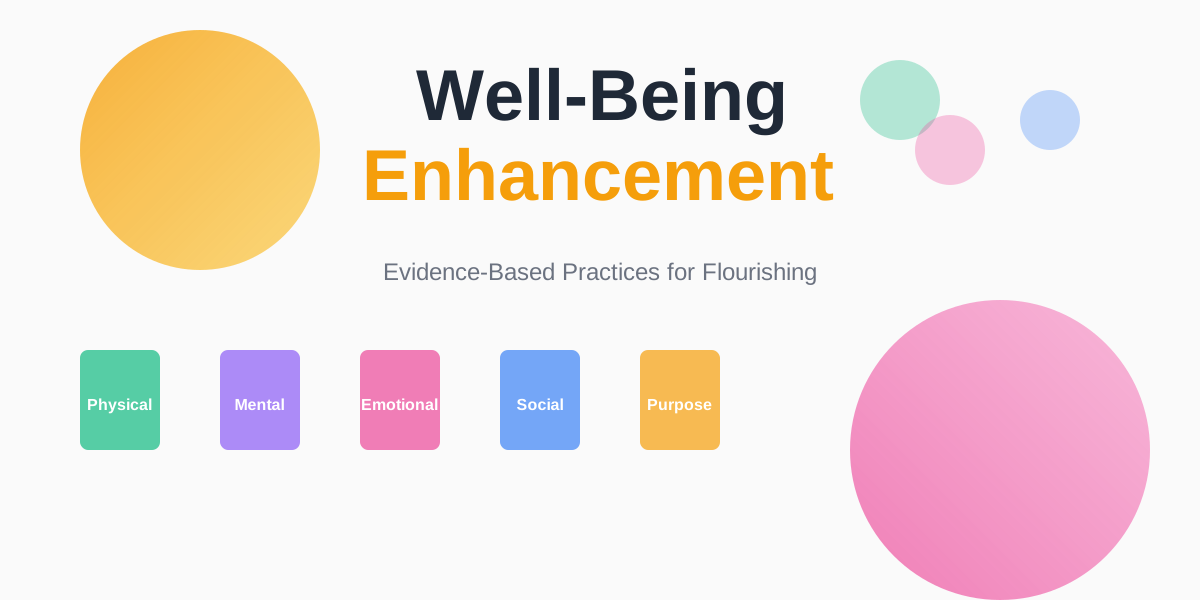
The global wellness industry now exceeds $1.8 trillion annually, reflecting widespread recognition that enhancing well-being is fundamental to human flourishing and societal health.
This guide explores the science-backed strategies, psychological frameworks, and practical tools you can use today to transform your well-being systematically.
What Is Well-Being Enhancement?
Well-being enhancement is the intentional application of evidence-based practices to improve your physical health, mental resilience, emotional regulation, social connections, and overall life satisfaction. It goes beyond treating mental illness or managing stress—it's about actively cultivating positive psychological states, building strengths, and creating conditions for human flourishing. Well-being enhancement integrates insights from psychology, neuroscience, public health, and behavioral science.
Not medical advice.
The distinction between well-being enhancement and mental health treatment is important: mental health focuses on reducing symptoms of disease, while well-being enhancement focuses on building positive capacities. Research shows these approaches are complementary and work synergistically to improve overall health outcomes.
Surprising Insight: Surprising Insight: Recent meta-analyses show that psychological interventions focused on well-being resilience show effect sizes comparable to established treatments for depression and anxiety, making well-being enhancement a powerful preventive strategy.
Well-Being Enhancement Framework
Shows the five integrated dimensions of well-being: physical health, mental resilience, emotional balance, social connection, and purposeful living.
🔍 Click to enlarge
Why Well-Being Enhancement Matters in 2026
Mental health challenges have reached epidemic proportions globally, with the WHO reporting that depression and anxiety disorders cost the global economy over $1 trillion annually in lost productivity. However, well-being enhancement offers a proactive alternative—rather than waiting until psychological distress becomes clinical, targeted interventions can build resilience and prevent mental health crises from developing.
In the workplace, 85% of organizations now report implementing well-being programs, with 41% rating their effectiveness as high or very high (up from 26% in 2022). This dramatic shift reflects the business case: employees with enhanced well-being show 21% higher productivity, 23% lower healthcare costs, and significantly reduced absenteeism.
On the personal level, well-being enhancement directly impacts your quality of life, relationship satisfaction, career success, and longevity. Research from Harvard's 80-year longevity study shows that social connection, purposeful living, and emotional resilience are the strongest predictors of health and happiness across the lifespan.
The Science Behind Well-Being Enhancement
Well-being enhancement is grounded in multiple scientific disciplines. Neuroscience reveals that the brain's neuroplasticity allows well-being practices like meditation and gratitude to physically rewire neural pathways associated with happiness and resilience. Psychological research shows that evidence-based interventions—including cognitive behavioral therapy, mindfulness, positive psychology, and acceptance and commitment therapy—produce measurable improvements in subjective well-being and life satisfaction.
A systematic review of 223 published interventions found that 83 (37%) used psychological approaches, and interventions based on resilience-building and self-management showed the strongest effect sizes. Importantly, the research demonstrates dose-response relationships: more consistent practice of well-being enhancement techniques produces stronger benefits.
| Mindfulness-Based Approaches | Medium to Large | Thousands | Stress reduction, emotional regulation |
| Physical Activity & Exercise | Medium | Hundreds of Studies | Mood elevation, cognitive function |
| Social Connection Activities | Large | Longitudinal Studies | Happiness, longevity, resilience |
| Gratitude & Appreciation Practices | Small to Medium | Multiple RCTs | Life satisfaction, positive mood |
| Purpose-Driven Activities | Large | Longitudinal Studies | Meaning, resilience, health outcomes |
The Five Ways to Wellbeing Model
Evidence-based framework showing five activity domains linked with well-being promotion: connect, be active, take notice, learn, and give.
🔍 Click to enlarge
Key Components of Well-Being Enhancement
Physical Well-Being Practices
Physical well-being forms the foundation for mental and emotional health. The WHO recommends 150 minutes of moderate-intensity aerobic exercise weekly, combined with muscle-strengthening activities. Research shows that regular exercise produces antidepressant effects comparable to psychotropic medications, while improving sleep quality, cognitive function, and immune resilience. Sleep optimization is equally critical—quality sleep enhances memory consolidation, emotional regulation, and immune function.
Mental Resilience Development
Mental resilience—the capacity to recover from adversity—can be systematically developed through practices like cognitive reframing, mindfulness meditation, and stress inoculation. These techniques help you build cognitive flexibility, reduce rumination patterns, and develop emotional tolerance. Research from the American Psychological Association shows that individuals high in resilience report better health outcomes, higher life satisfaction, and greater career success.
Emotional Regulation Skills
Emotional regulation—the ability to understand, accept, and skillfully manage emotions—is teachable through practices including emotional awareness training, self-compassion cultivation, and somatic techniques. Dialectical behavior therapy and acceptance and commitment therapy have validated protocols for developing these skills, producing significant improvements in emotional well-being and interpersonal effectiveness.
Social Connection Enhancement
Relationships are among the strongest predictors of well-being and longevity. Well-being enhancement includes active practices to deepen existing relationships through vulnerability, authentic communication, and quality time. Community involvement, acts of service, and social support networks create protective factors against depression, anxiety, and chronic disease. Research shows that individuals with strong social connections live significantly longer and report higher life satisfaction.
Purposeful Living Integration
Purpose and meaning—the sense that your life matters and aligns with your values—predict resilience, health, and longevity as strongly as physical health factors. Well-being enhancement includes identifying core values, setting meaningful goals, and ensuring daily activities align with your deeper purpose. Viktor Frankl's research demonstrated that individuals with strong purpose maintain psychological well-being even under extreme adversity.
Practical Techniques for Well-Being Enhancement
Mindfulness and Meditation Practices
Mindfulness—paying attention to present experience without judgment—reduces stress hormones, decreases depression and anxiety, and increases emotional regulation. Start with 5-10 minute daily meditation sessions using apps like Headspace or Insight Timer. Research shows that even brief mindfulness practices produce measurable changes in brain structure and emotional functioning within weeks of consistent practice.
Gratitude and Appreciation Practices
Gratitude practices—consciously acknowledging what you appreciate in your life—shift attention toward positive experiences and increase happiness hormones. Implement a daily practice: write three specific things you appreciate each evening, or verbally express gratitude to one person daily. Research shows that gratitude journaling improves sleep quality, increases resilience, and enhances relationship satisfaction.
Physical Activity and Movement
Aim for 30 minutes of moderate exercise (brisk walking, cycling, swimming) on most days. Exercise improves mood through endorphin release, increases confidence through physical accomplishment, and provides stress relief. Combine aerobic activity with strength training twice weekly to optimize cognitive function and metabolic health.
Sleep Optimization and Circadian Rhythm
Prioritize 7-9 hours of quality sleep nightly. Maintain consistent sleep-wake times, avoid screens 1 hour before bed, keep your sleep environment cool and dark, and limit caffeine after 2 PM. Sleep is when your brain consolidates memories, clears metabolic waste, and restores emotional regulation capacity—making it foundational for well-being enhancement.
Healthy Nutrition and Gut Health
Growing research reveals the gut-brain axis: your digestive health directly influences mood, anxiety, and cognitive function. Emphasize whole foods, diverse plant-based foods, fermented foods, and adequate omega-3 fatty acids. These foods support the gut microbiome, which produces neurotransmitters including serotonin, dopamine, and GABA that regulate mood and emotional well-being.
Common Challenges in Well-Being Enhancement
Starting a well-being enhancement practice often encounters obstacles including time constraints, lack of immediate gratification, competing priorities, and difficulty sustaining consistency. Research on behavior change shows that the most effective approach is starting small (5-minute meditation, one gratitude practice daily) and building gradually as the practice becomes habitual. Connecting with accountability partners or communities increases adherence dramatically.
Another common challenge is perfectionistic thinking—believing you must do practices perfectly or not at all. Well-being enhancement research shows that imperfect, inconsistent practice produces meaningful benefits. Missing a meditation day doesn't negate the cumulative benefits; simply returning to practice the next day maintains progress.
Well-Being Enhancement and Different Life Stages
Students and Young Adults
Young adults benefit from emphasis on sleep optimization, social connection, physical activity, and purpose exploration. University students who engage in regular exercise report significantly higher well-being compared to sedentary peers, while strong peer connections and mentorship relationships buffer against depression and anxiety.
Working Adults
Career-focused adults often prioritize work over well-being, creating burnout risk. Effective approaches include boundary-setting (protecting sleep and exercise time), finding meaning in work, developing supportive peer relationships at work, and maintaining purpose beyond career achievement. Organizations implementing workplace well-being programs see dramatic improvements in both employee well-being and business outcomes.
Aging Adults
Well-being enhancement is crucial for healthy aging. Emphasis shifts toward maintaining cognitive function through learning new skills, sustaining social connection through community involvement and family relationships, remaining physically active within capacity, and cultivating wisdom and meaning. Research shows these practices extend both lifespan and healthspan.
Technology and Well-Being Enhancement
Digital tools increasingly support well-being enhancement through meditation apps, fitness tracking, habit formation, and virtual community connection. However, research also documents how excessive digital device use, particularly social media, paradoxically decreases well-being. Effective approaches combine technology tools with digital boundaries—using apps to support meditation or exercise, while limiting passive scrolling and social comparison.
FAQ: Well-Being Enhancement
Micro Habit: Your 5-Minute Well-Being Boost
Trigger:
Action:
Reward:
Frequency:
Fallback plan:
Assessment: Where Are You in Well-Being Enhancement?
Which aspect of your life currently needs the most well-being attention?
Your priority area reveals which well-being dimension to focus on first for maximum impact.
How consistently do you engage in deliberate well-being practices?
Consistency matters more than perfection—even small daily practices produce measurable well-being improvements.
What's your biggest barrier to enhanced well-being?
Identifying your barrier reveals which strategies will work best for your specific situation and lifestyle.
Internal Links: Related Topics
Well-being enhancement connects to many wellness dimensions. Explore related topics including mindfulness, stress management, emotional intelligence, resilience, happiness, life satisfaction, sleep quality, physical health, nutrition and wellness, social connection, purpose-driven life, self-compassion, emotional regulation, gratitude, exercise, meditation, work-life balance, mental health, anxiety management, cognitive function, behavioral health, personal development, positive psychology, wellness, holistic health, mind-body connection, lifestyle practices, preventive health, quality of life, wellbeing guide, wellbeing fundamentals, and understanding wellbeing.
Key Takeaways
Well-being enhancement is a scientifically validated approach to improving your overall quality of life through intentional practices spanning physical health, mental resilience, emotional balance, social connection, and purposeful living. The evidence is compelling: individuals who engage in well-being enhancement practices show measurably better health outcomes, greater life satisfaction, enhanced resilience, and improved longevity.
Start small with one or two practices that address your primary challenges, build consistency through daily repetition, and gradually expand your well-being enhancement toolkit. The Five Ways to Wellbeing framework—connecting, being active, taking notice, learning, and giving—provides a simple, evidence-based structure for comprehensive well-being development.
Begin today with your five-minute well-being reset, then take the 50-question Wellbeing Assessment to identify your strongest areas and greatest opportunities for growth. Transform your well-being through consistent, intentional practice.
Related Glossary Articles
Frequently Asked Questions
How quickly does well-being enhancement produce results?
Some benefits appear immediately—exercise produces mood elevation within hours, while sleep improvement shows results within days. Structural brain changes from meditation appear within 8 weeks of consistent practice. Long-term resilience and happiness require consistent practice over months and years, similar to physical fitness.
Can well-being enhancement replace mental health treatment?
Well-being enhancement is complementary to mental health treatment but should not replace professional care for clinical depression, anxiety disorders, or other mental illnesses. The most effective approach combines professional treatment with well-being enhancement practices for comprehensive recovery and prevention of relapse.
What's the minimum daily commitment for meaningful well-being enhancement?
Research supports benefits from even brief practices: 5 minutes of mindfulness daily, 30 minutes of exercise most days, and one gratitude practice. Consistency matters more than duration—daily 10-minute meditation beats sporadic 30-minute sessions.
How do I choose which well-being practices to prioritize?
Start by assessing your current baseline: identify your greatest challenges (sleep, stress, loneliness, lack of purpose). Select one or two practices targeting your primary challenges, build consistency for 2-4 weeks, then gradually add complementary practices.
Can I enhance well-being while managing chronic stress or illness?
Yes. Research on individuals managing chronic conditions shows that well-being enhancement practices improve both emotional outcomes and physical health markers. Start with gentler practices (mindfulness, gratitude) and gradually increase activity level as capacity allows. Work with healthcare providers to tailor practices appropriately.
Is well-being enhancement evidence-based or just trendy?
Well-being enhancement is extensively evidence-based, supported by thousands of peer-reviewed studies in psychology, neuroscience, public health, and medicine. Organizations from the WHO to the American Psychological Association recommend these practices as foundational to health and disease prevention.
Take the Next Step
Ready to improve your wellbeing? Take our free assessment to get personalized recommendations based on your unique situation.
- Discover your strengths and gaps
- Get personalized quick wins
- Track your progress over time
- Evidence-based strategies
About the Author
Keep quitting habit apps after a missed day? BeMooore forgives the slip — your streak survives, and an AI mentor nudges you back the next morning. Free on iOS.