Metabolic Health
Your metabolism runs silently in the background 24/7, converting food into energy and managing how your body stores and uses fuel. But when metabolic health falters, you notice it immediately: energy crashes, weight creeps up, brain fog thickens, and disease risk climbs. The good news? Metabolic health is one of the most reversible markers of physical wellness. Whether you're struggling with blood sugar spikes, insulin resistance, or just feeling chronically tired, this guide reveals the science behind metabolic function and practical strategies to restore balance—starting today.
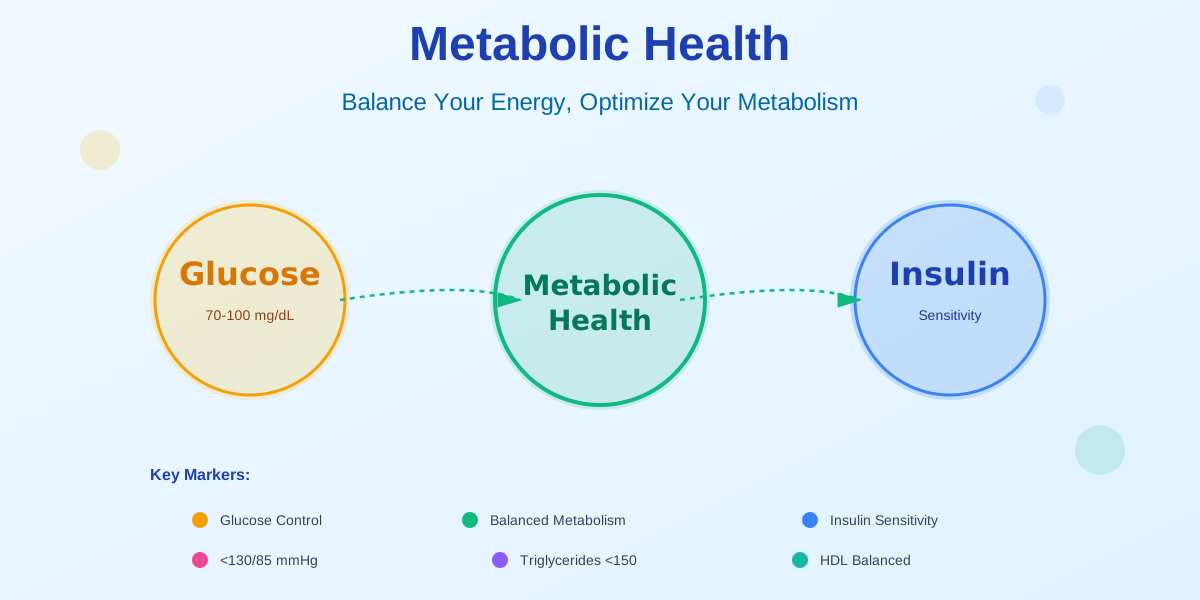
By understanding your metabolic markers, you unlock control over energy, weight, and long-term health.
Metabolic dysfunction doesn't arrive overnight. It develops gradually through patterns of poor food choices, sedentary behavior, chronic stress, and inadequate sleep—each one subtly degrading your metabolic capacity.
What Is Metabolic Health?
Metabolic health is a state in which your body efficiently manages blood glucose, controls insulin production, maintains healthy blood pressure, balances lipid levels, and sustains stable energy throughout the day. It's the foundation for every cellular process: thinking, moving, healing, and aging well. When your metabolism functions optimally, your body naturally maintains a healthy weight, your energy remains steady, and your risk for chronic diseases like type 2 diabetes, heart disease, and metabolic syndrome drops significantly.
Not medical advice.
Metabolic health is more than just calories in versus calories out—it's a complex interplay of hormones, nutrients, cellular function, and lifestyle patterns. The NIH recognizes metabolic health as a critical public health priority, as metabolic dysfunction now affects billions of people worldwide, regardless of their body size. You can have normal weight and poor metabolic health (called metabolically unhealthy normal weight), or you can have excess body weight and good metabolic health. This is why traditional weight-focused approaches often fail: they ignore the deeper metabolic dysfunction driving poor health outcomes.
Surprising Insight: Surprising Insight: A 5% loss of body weight can produce measurable improvements in multiple metabolic markers—glucose control, triglycerides, and blood pressure—within months, even without reaching a 'normal' BMI.
The Metabolic Health Continuum
Visual representation of metabolic health spectrum from dysfunction to optimization
🔍 Click to enlarge
Why Metabolic Health Matters in 2026
Metabolic dysfunction has reached epidemic proportions. Recent global analyses show that metabolic syndrome now affects over 1 billion people worldwide—nearly 25% of the global adult population. This isn't just about weight: people with poor metabolic health face 2-3 times greater risk of heart disease, stroke, and type 2 diabetes compared to those with metabolically healthy markers. The economic burden is staggering, with obesity and metabolic disease costing healthcare systems trillions annually in direct treatment and lost productivity.
What makes 2026 different is our growing understanding that metabolic health is modifiable. New research consistently shows that even modest lifestyle interventions—combining dietary changes, movement, sleep optimization, and stress management—can reverse metabolic dysfunction within weeks to months. This is fundamentally different from genetic predispositions: your metabolism responds rapidly to environmental input, making it one of the highest-leverage areas for personal health improvement.
Beyond individual health, metabolic wellness ripples into cognitive function, emotional resilience, physical performance, and longevity. When your metabolism thrives, your brain performs better, your mood stabilizes, your sleep deepens, and your body's natural repair systems activate. Conversely, metabolic dysfunction accelerates aging at the cellular level, compromising everything from immune function to mental clarity.
The Science Behind Metabolic Health
At its core, metabolic health depends on how well your cells respond to insulin—the hormone that signals cells to take up glucose from your bloodstream. When insulin sensitivity is high, your pancreas produces only small amounts of insulin to maintain normal blood glucose. When insulin sensitivity drops (insulin resistance), your pancreas must produce more and more insulin to achieve the same glucose-lowering effect. Over time, pancreatic beta cells become exhausted, glucose rises, and the cascade of metabolic dysfunction unfolds: fatty liver disease, inflammation, arterial damage, and eventually type 2 diabetes.
The culprits behind insulin resistance are well-mapped: excess refined carbohydrates and added sugars, chronic calorie surpluses, sedentary behavior, sleep deprivation, chronic stress, and inflammatory processed foods all degrade insulin signaling at the cellular level. But the good news is equally clear: reverse these drivers, and insulin sensitivity rebounds. Research shows that a single session of aerobic exercise improves insulin sensitivity within hours. A few weeks of low-glycemic eating restores normal fasting glucose. Sleep improvement repairs hormonal balance. The metabolic system is remarkably plastic—it responds to change.
How Insulin Resistance Develops
Step-by-step cascade from healthy insulin sensitivity to metabolic dysfunction
🔍 Click to enlarge
Key Components of Metabolic Health
Glucose Control
Blood glucose is the primary fuel for your brain and muscles. In metabolic health, fasting glucose remains between 70-100 mg/dL, and post-meal spikes stay moderate and brief. When glucose control falters, sharp spikes trigger excessive insulin production, inflammation, and cellular damage. High glucose exposure accelerates aging of blood vessels, nerves, and kidneys—the organs most vulnerable to diabetes damage. The solution: stabilize glucose throughout the day by pairing carbohydrates with protein, fat, and fiber; eating meals at regular intervals; avoiding refined sugars; and moving after eating to improve glucose clearance.
Insulin Sensitivity
Insulin sensitivity measures how well your cells respond to insulin's signal to take up glucose. High sensitivity means your pancreas can maintain normal glucose on minimal insulin. Low sensitivity (insulin resistance) forces your pancreas to pump out excessive insulin, leading to hyperinsulinemia—a hidden driver of weight gain, inflammation, and cardiovascular disease. Insulin resistance often develops without symptoms until glucose becomes dangerously elevated. However, early markers include fatigue after eating, brain fog, difficulty losing weight despite calorie restriction, and intense hunger. Reversing insulin resistance requires reducing refined carbs, increasing physical activity (especially resistance training), managing stress, and improving sleep quality.
Lipid Balance
Your blood lipids—cholesterol, triglycerides, and lipoprotein particles—tell a story about metabolic function. In metabolic health, total triglycerides stay below 150 mg/dL, HDL cholesterol (protective) remains elevated (above 40 mg/dL for men, 50 mg/dL for women), and LDL particles are large and buoyant rather than small and dense. Metabolic dysfunction drives triglycerides upward and HDL downward, a dangerous pattern called dyslipidemia that directly accelerates arterial damage. Mediterranean-style diets, aerobic exercise, weight loss, and reduced refined carbohydrates all improve lipid profiles within weeks.
Blood Pressure and Vascular Health
Metabolic dysfunction damages blood vessel walls through chronic inflammation and oxidative stress, stiffening arteries and elevating blood pressure. In metabolic health, blood pressure remains below 130/85 mmHg. Elevated blood pressure (≥130 systolic or ≥85 diastolic) signals metabolic strain and dramatically increases risk for heart attack and stroke. The good news: lifestyle interventions reduce blood pressure as effectively as some medications. Even moderate weight loss, salt reduction, potassium-rich foods, regular aerobic exercise, and stress management lower blood pressure within days to weeks.
| Marker | Healthy Range | Risk Indicator |
|---|---|---|
| Fasting Glucose | 70-100 mg/dL | ≥126 mg/dL = Diabetes risk |
| Triglycerides | <150 mg/dL | ≥200 mg/dL = Metabolic dysfunction |
| HDL Cholesterol | >40 M / >50 F mg/dL | <40 M / <50 F = Cardiovascular risk |
| Blood Pressure | <130/<85 mmHg | ≥130 systolic or ≥85 diastolic = Stage 1 hypertension |
| Waist Circumference | <40 in men / <35 in women | Indicates visceral fat accumulation |
How to Apply Metabolic Health: Step by Step
- Step 1: Get your baseline markers: Schedule lab work to measure fasting glucose, insulin, triglycerides, HDL cholesterol, blood pressure, and waist circumference. These numbers establish your starting point and show which metabolic systems need the most support.
- Step 2: Eliminate or minimize refined carbohydrates: Cut out added sugars, refined grains, and ultra-processed foods. Replace them with whole grains paired with protein and healthy fats to stabilize glucose and reduce insulin demand.
- Step 3: Eat a Mediterranean-style diet rich in vegetables, whole grains, legumes, fish, olive oil, and nuts. Research shows this pattern consistently improves glucose control, triglycerides, blood pressure, and cholesterol within weeks.
- Step 4: Add protein to every meal and snack: Aim for 25-35g of protein daily, spread across meals. Protein slows glucose absorption, increases satiety, preserves muscle during weight loss, and directly improves insulin sensitivity.
- Step 5: Incorporate healthy fats from olive oil, avocados, nuts, seeds, and fatty fish. These fats reduce inflammation, improve HDL cholesterol, and enhance satiety without spiking glucose or insulin.
- Step 6: Start a consistent exercise program: Aim for 150 minutes per week of moderate aerobic activity (brisk walking, cycling, swimming) plus 2-3 sessions of resistance training. Exercise improves insulin sensitivity within hours and builds metabolic muscle tissue.
- Step 7: Move after meals, especially after eating carbohydrates: A 10-15 minute walk after eating dramatically blunts glucose spikes and reduces insulin demand. Even light activity like standing or gentle stretching helps.
- Step 8: Prioritize sleep: Aim for 7-9 hours nightly in a cool, dark room. Sleep deprivation degrades insulin sensitivity, increases hunger hormones, and makes weight loss nearly impossible. Consistent sleep quality reverses these metabolic harms.
- Step 9: Manage chronic stress through meditation, breathwork, yoga, or time in nature: Stress hormones like cortisol directly impair insulin sensitivity and promote visceral fat storage. Even 10 minutes of daily stress management improves metabolic health.
- Step 10: Track your progress after 4-6 weeks: Repeat your lab markers and assess energy, hunger patterns, weight, and how you feel. Most people notice improved energy, better sleep, easier weight loss, and improved mood within 4-6 weeks of consistent lifestyle change.
Metabolic Health Across Life Stages
Young Adulthood (18-35)
These years lay the metabolic foundation for your entire life. If you develop insulin resistance now, it becomes harder to reverse later, and you accelerate aging. Young adults often believe metabolism is invincible, which leads to poor choices with compound consequences. The metabolic win in this stage: establish healthy eating patterns, regular exercise, and sleep habits now. Even if you feel fine metabolically, poor choices set the stage for dysfunction by your 40s. Research shows that metabolic interventions in young adulthood prevent metabolic disease entirely, whereas reversing established dysfunction in midlife requires much more effort.
Middle Adulthood (35-55)
This is when metabolic dysfunction often becomes visible. Hormonal shifts (especially in women approaching menopause), accumulated years of poor lifestyle habits, increased stress, and reduced activity converge to degrade metabolic health. Many people experience the 'metabolic shift'—the sudden difficulty losing weight and the emergence of blood sugar control issues. The good news: middle age is also when metabolic interventions produce the most dramatic results. A middle-aged adult who implements comprehensive lifestyle change often reverses years of metabolic damage within 3-6 months, recovering energy, weight loss ability, and health markers as if turning back the clock.
Later Adulthood (55+)
Metabolic health becomes increasingly critical as aging naturally reduces muscle mass (sarcopenia), lowers growth hormone, and increases inflammation. However, older adults often respond dramatically well to lifestyle intervention. Resistance training becomes especially valuable—it combats sarcopenia, improves insulin sensitivity, strengthens bone, and preserves independence. Even individuals with established type 2 diabetes or metabolic syndrome can reverse or significantly improve these conditions through consistent lifestyle change, often reducing medication burden and improving quality of life substantially.
Profiles: Your Metabolic Health Approach
The Energy-Seeker
- Stable glucose to avoid afternoon crashes and brain fog
- Consistent meal timing to prevent excessive hunger and poor choices
- Quick-win exercise that fits busy schedules and delivers immediate energy improvement
Common pitfall: Relying on sugary snacks and caffeine for energy, which worsen metabolic dysfunction and create a crash-reload cycle.
Best move: Pair carbs with protein at every meal, eat at regular times, and add a 10-minute walk after lunch to eliminate afternoon energy crashes within 1-2 weeks.
The Weight-Plateau Person
- Insulin sensitivity restoration, which is the actual barrier to weight loss
- Resistance training to build metabolic muscle tissue
- Understanding that calorie restriction alone fails when insulin resistance is present
Common pitfall: Eating less and exercising more without addressing insulin resistance—a strategy that often worsens metabolic health and increases stress.
Best move: Focus on food quality (Mediterranean diet), add resistance training 2-3x weekly, and optimize sleep. Weight loss follows naturally once metabolic health improves.
The Metabolic Risk Avoider
- Prevention strategies that work—evidence-based approaches that actually prevent disease
- Simple metrics to track beyond weight
- Motivation that connects metabolic health to quality of life, not just disease prevention
Common pitfall: Waiting for symptoms before taking action, which wastes the most powerful intervention window: early prevention.
Best move: Get baseline labs now (glucose, lipids, blood pressure). Use these as your baseline for progress. Prevention feels abstract until you see your own numbers improving.
The Metabolic Dysfunction Reverser
- Comprehensive lifestyle intervention combining diet, exercise, sleep, and stress management
- Clear evidence that reversal is possible, even with established type 2 diabetes or metabolic syndrome
- Regular monitoring and adjustment to stay motivated through the 4-8 week window where metabolic change accelerates
Common pitfall: Trying to change everything at once and burning out, or expecting overnight results when metabolic restoration takes weeks to show dramatically.
Best move: Start with one intervention (e.g., Mediterranean diet + daily 20-minute walk) and add one new element weekly. Track your fasting glucose weekly to see the reversal in real time.
Common Metabolic Health Mistakes
Mistake 1: Focusing exclusively on weight without addressing the metabolic dysfunction driving it. Many people lose weight through extreme calorie restriction only to regain it when willpower fails—because they never fixed the insulin resistance and metabolic damage. This cycle damages metabolic health further. Instead, focus on metabolic markers (glucose, insulin, triglycerides) and trust that improved weight follows when metabolic health genuinely improves.
Mistake 2: Believing all calories are metabolically equivalent. A calorie from refined sugar triggers a metabolic cascade entirely different from a calorie from salmon and vegetables. The first spikes insulin, drives inflammation, and stores as visceral fat. The second stabilizes glucose and builds health. Metabolic quality of food matters far more than quantity alone.
Mistake 3: Exercising intensely without fixing sleep, stress, and nutrition. Exercise without metabolic foundation creates additional stress that can impair metabolism further. Walking consistently plus good nutrition creates more metabolic improvement than intense exercise with poor sleep, chronic stress, and processed foods.
The Metabolic Mistake Loop
How common mistakes perpetuate metabolic dysfunction
🔍 Click to enlarge
Science and Studies
Metabolic health research from leading institutions demonstrates that lifestyle interventions consistently reverse metabolic dysfunction. Recent analyses by the NIH, Johns Hopkins Medicine, Mayo Clinic, and Nature Reviews provide compelling evidence that comprehensive lifestyle modification targeting diet, exercise, sleep, and stress produces measurable improvements in glucose control, insulin sensitivity, blood pressure, triglycerides, and weight within 4-12 weeks.
- JAMA Internal Medicine (2024) - Randomized clinical trial showing that lifestyle intervention produces sustained remission of metabolic syndrome in up to 35% of participants, with improvements visible within 6 months.
- Frontiers in Physiology (2024) - Comprehensive review showing aerobic exercise improves glucose control and insulin sensitivity, with resistance training providing additional cardiovascular and metabolic benefits.
- Nature Nutrition (2024-2025) - Mediterranean-style diet and whole-food patterns consistently reduce triglycerides, improve HDL cholesterol, and lower blood pressure in metabolic syndrome populations.
- NIDDK Research (2026) - Evidence that even 5% weight loss improves metabolic markers across glucose, lipids, and blood pressure, with greater improvements at 7-10% weight loss.
- PMC/PubMed Central (2025) - Analysis of metabolic health definitions showing that presence of 3+ metabolic abnormalities (metabolic syndrome) increases cardiovascular and diabetes risk 2-3 fold compared to metabolically healthy individuals.
Your First Micro Habit
Start Small Today
Today's action: Tomorrow morning, eat protein within 30 minutes of waking—eggs, Greek yogurt, or a protein smoothie. Then move for 10 minutes after lunch (walk, stairs, dancing). That's it. One protein + one post-meal walk daily.
Protein stabilizes glucose from the first meal onward, improving energy and reducing afternoon hunger. Post-meal movement physically clears glucose from your bloodstream, reducing insulin demand. These two micro-habits address the root of metabolic dysfunction—elevated glucose and excessive insulin—without requiring willpower or perfection. Most people notice improved energy within 2-3 days.
Keep quitting habit apps after a missed day? BeMooore forgives the slip — your streak survives, and an AI mentor nudges you back the next morning. Free on iOS.
Quick Assessment
How do you typically experience energy throughout your day?
If you selected 2-4, your glucose control likely needs attention. Stable energy indicates good metabolic health; crashes signal glucose spikes followed by drops, typical of insulin resistance.
When you try to lose weight, what typically happens?
Difficulty losing weight despite effort points to insulin resistance preventing fat mobilization. This is a metabolic problem, not a willpower problem. Reversing insulin resistance restores your body's ability to access stored fat.
Which foods make you feel satisfied and energized afterward?
Whole-food, protein-rich meals stabilize metabolism. If processed foods or quick carbs are your pattern, metabolic improvement begins with these food choices—changes that often produce noticeable energy improvements within 1-2 weeks.
Take our full assessment to get personalized recommendations for your metabolic health.
Discover Your Style →Next Steps
Your metabolic health is not fixed or determined by genetics alone. It responds to environmental inputs—food quality, movement, sleep, stress—with remarkable speed. The person who feels tired and stuck metabolically right now can feel restored and vital within weeks through consistent lifestyle intervention.
Start with one change: add protein to breakfast, or take a 10-minute walk after lunch, or prioritize sleep this week. Then add another. You don't need to be perfect. You need to be consistent. Your metabolism will reward you with energy, clarity, stable weight, and the knowledge that you're preventing disease and aging well.
Get personalized guidance with AI coaching in the Bemooore app.
Start Your Journey →Research Sources
This article is based on peer-reviewed research and authoritative sources. Below are the key references we consulted:
Related Glossary Articles
Frequently Asked Questions
Can you have good metabolic health if you're overweight?
Yes. Some people carry extra weight but have excellent metabolic markers (normal glucose, insulin, blood pressure, triglycerides)—called 'metabolically healthy obese.' However, carrying excess weight typically increases metabolic disease risk over time. Conversely, thin people can have terrible metabolic health (metabolically unhealthy normal weight). The takeaway: focus on metabolic markers, not just weight.
How quickly can you reverse metabolic dysfunction?
Rapidly. Glucose control improves within days of dietary change. Insulin sensitivity improves within 1-2 weeks. Triglycerides, blood pressure, and weight follow within 4-12 weeks of consistent intervention. Some people see measurable improvements within 5-7 days.
Do you have to give up all carbohydrates for metabolic health?
No. You need to eat quality carbohydrates (whole grains, legumes, vegetables) paired with protein, healthy fat, and fiber—which slow glucose absorption and prevent blood sugar spikes. Refined carbohydrates and added sugars drive metabolic dysfunction; whole-food carbohydrates support it.
Is metabolic health just about weight loss?
No. Metabolic health encompasses glucose control, insulin sensitivity, triglyceride balance, blood pressure, waist circumference, and overall cellular function. Weight is one outcome of metabolic health, but not the only one or even the primary focus. Better markers are energy, strength, clarity, mood, and disease prevention.
Can you improve metabolic health without exercising?
Diet and sleep changes alone improve metabolic markers significantly. However, adding exercise—especially resistance training and post-meal movement—accelerates improvements and maintains muscle mass during weight loss. Exercise is a multiplier, not a requirement.
Take the Next Step
Ready to improve your wellbeing? Take our free assessment to get personalized recommendations based on your unique situation.
- Discover your strengths and gaps
- Get personalized quick wins
- Track your progress over time
- Evidence-based strategies