Mental Health Wellness
Mental health wellness is far more than the absence of mental illness—it's a dynamic state of emotional, psychological, and social well-being that enables you to cope with life's challenges, realize your full potential, and contribute meaningfully to your community. According to the World Health Organization, mental health is a fundamental component of overall health, with no health possible without it. In 2026, as stress levels rise and awareness grows, understanding and prioritizing mental health wellness has become essential for thriving in work, relationships, and personal fulfillment. This comprehensive guide explores what mental health wellness truly means, why it matters, the science behind it, and practical strategies you can implement today.
Mental wellness isn't something you achieve once and maintain passively—it's an ongoing practice requiring attention, self-awareness, and intentional choices aligned with your values and needs.
The good news: mental wellness is highly achievable through evidence-based practices that strengthen emotional resilience, improve psychological flexibility, and foster deeper social connections.
What Is Mental Health Wellness?
Mental health wellness encompasses the emotional, psychological, and social dimensions of your well-being. The Centers for Disease Control and Prevention (CDC) defines mental health as the component of behavioral health that includes our emotional, psychological, and social well-being—our capacity to think clearly, feel appropriately, and act effectively. Critically, mental health is not simply the absence of mental illness; it's the active presence of well-being and the ability to thrive. The National Institute of Mental Health (NIMH) emphasizes that mental health affects how we think, feel, act, make choices, and relate to others. It's essential to your overall health and quality of life, intertwined with physical health, work productivity, relationship satisfaction, and life purpose.
Not medical advice.
Mental wellness represents a holistic state where you've developed psychological resources including self-esteem, mastery, and resilience—the capacity to cope with adversity and function effectively even during challenging times. It means having the emotional flexibility to express feelings appropriately, the cognitive ability to solve problems, and the social skills to build and maintain fulfilling relationships. Research from peer-reviewed journals shows that people with strong mental wellness report greater life satisfaction, better physical health outcomes, improved work performance, and more meaningful relationships.
Surprising Insight: Surprising Insight: A 2024 study found that 94% of people now believe mental health care is crucial for overall wellness—up 46% from 2022, reflecting a cultural shift in how we prioritize psychological well-being.
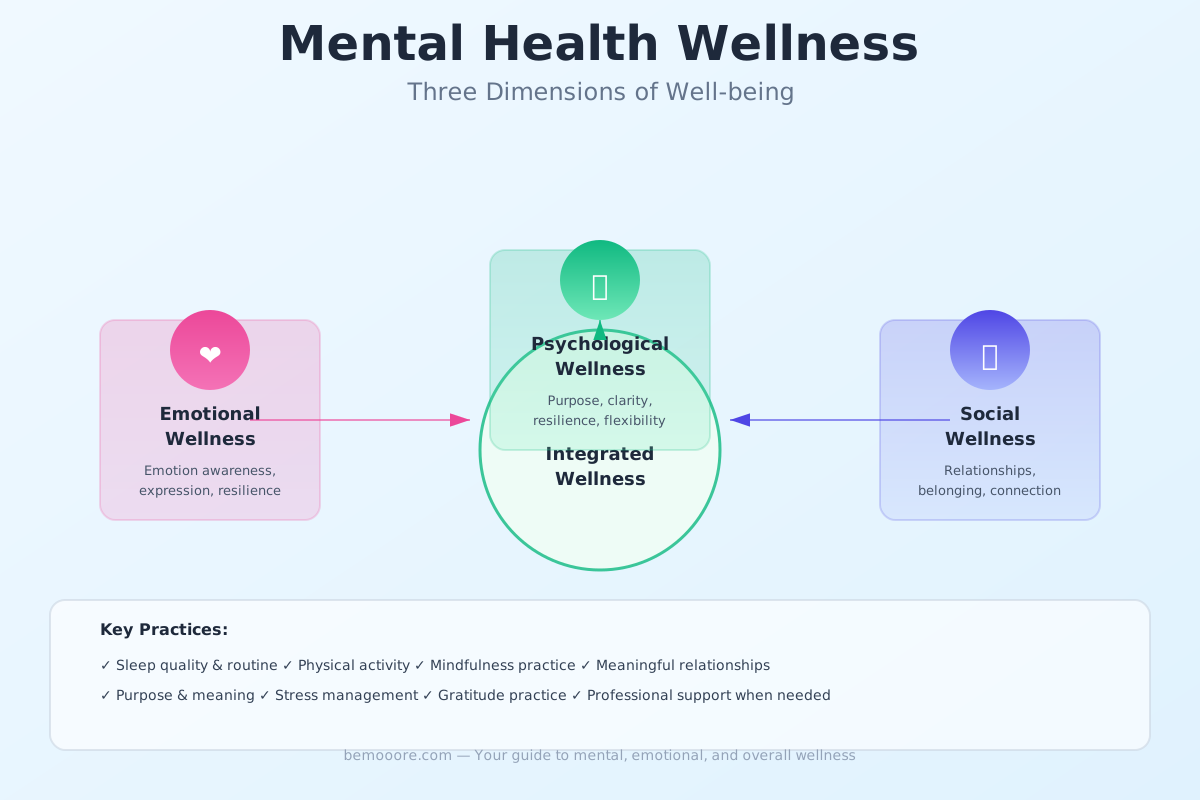
The Three Pillars of Mental Wellness
Mental health wellness rests on three interconnected dimensions that work together to create overall well-being
🔍 Click to enlarge
Why Mental Health Wellness Matters in 2026
In 2026, prioritizing mental health wellness is more critical than ever before. The World Health Organization recognizes that mental health determinants include socioeconomic, biological, and environmental factors—and modern life presents unprecedented stressors. Digital connectivity, economic uncertainty, workplace pressure, and information overload create chronic stress that impacts mental wellness at scale. The global mental health crisis has accelerated recognition that wellness isn't a luxury—it's a necessity for sustainable living. Research shows that individuals who actively maintain mental wellness experience significantly better outcomes across every life domain.
Workplace mental wellness has emerged as a critical factor in organizational success. A 2024 Mental Health America survey of 3,915 employees found that when employers invest in high-impact practices supporting psychological safety and belonging, employees report dramatically improved mental health and overall well-being. Companies recognizing mental wellness investments see reduced burnout, lower turnover, better productivity, and stronger team cohesion. The economic impact is significant: mental health disorders cost the global economy trillions in lost productivity, yet wellness interventions show strong return on investment.
Beyond workplace benefits, mental health wellness fundamentally impacts quality of life. People with strong mental wellness experience better physical health (improved immune function, lower inflammation, better sleep), stronger relationships (deeper connections, more effective communication), greater resilience (ability to bounce back from setbacks), and clearer life direction (sense of purpose and meaning). Mental wellness also serves as foundational prevention—building resilience and psychological flexibility reduces vulnerability to mental health challenges and supports faster recovery if difficulties arise.
The Science Behind Mental Health Wellness
Neuroscience has revealed that mental wellness isn't fixed—it's malleable and responsive to intentional practices. Brain imaging studies show that meditation, exercise, social connection, and quality sleep physically reshape neural pathways associated with emotional regulation, stress resilience, and well-being. The concept of neuroplasticity—the brain's ability to form new neural connections—means you can literally rewire your brain toward greater wellness through consistent practice. Neurotransmitters like serotonin, dopamine, and oxytocin are regulated by lifestyle factors including movement, nutrition, sleep, social interaction, and purpose. Research demonstrates that these biological systems respond robustly to behavioral interventions, explaining why practices like meditation, exercise, and meaningful connection create measurable improvements in mental wellness.
The biopsychosocial model shows that mental wellness emerges from the interaction of biological factors (brain chemistry, genetics, physical health), psychological factors (thoughts, emotions, coping skills), and social factors (relationships, community, cultural context). This integrated understanding means wellness requires attention to all three dimensions. A person might have good genetics and supportive relationships but struggle without physical exercise and nutritious food. Another might practice meditation but suffer without meaningful social connection. Comprehensive mental wellness addresses the whole person across all dimensions. Studies on adverse childhood experiences (ACEs), trauma-informed care, and attachment theory reveal how early relationships and experiences shape mental wellness throughout life—and how new experiences and intentional practices can transform these patterns.
The Biopsychosocial Model of Mental Wellness
Mental wellness emerges from the integration of biological, psychological, and social factors working together
🔍 Click to enlarge
Key Components of Mental Health Wellness
Emotional Well-being
Emotional well-being involves recognizing, understanding, and appropriately expressing your emotions. This means you can identify what you're feeling, understand why you're feeling it, and express emotions in ways that serve you and your relationships. Strong emotional well-being includes emotional resilience—the ability to experience difficult emotions without being overwhelmed or controlled by them. Research shows that people high in emotional well-being have better relationships, more effective problem-solving, and greater overall life satisfaction. Practices that build emotional well-being include emotion awareness exercises, journaling, creative expression, and learning to communicate feelings authentically.
Psychological Well-being
Psychological well-being encompasses cognitive and mental health—how you think, process information, solve problems, and maintain mental clarity. It includes having a sense of purpose and meaning, maintaining realistic optimism, possessing self-esteem and self-respect, and developing psychological flexibility (the ability to adapt your thinking and behavior to changing circumstances). Psychological well-being develops through learning, growth experiences, meaningful challenges, and success in achieving goals. Practices that strengthen psychological well-being include goal-setting, learning new skills, engaging in purposeful activities, and developing cognitive flexibility through practices like mindfulness and reframing exercises.
Social Well-being
Social well-being reflects the quality of your relationships and your sense of connection to community. Humans are fundamentally social creatures; research consistently shows that strong, authentic relationships are among the most powerful predictors of mental wellness and longevity. Social well-being includes having people you trust, feeling a sense of belonging, contributing to something larger than yourself, and experiencing supportive relationships. Quality matters more than quantity—one deeply connected relationship provides more wellness benefit than numerous superficial connections. Building social well-being involves investing time in relationships, joining communities aligned with your values, and engaging in meaningful service or contribution.
Behavioral Health
Behavioral health encompasses the choices and habits that directly impact mental wellness: sleep quality, physical activity, nutrition, stress management, and substance use patterns. Your daily behaviors either support or undermine mental wellness. Consistent, quality sleep is foundational—it affects mood regulation, cognitive function, and emotional resilience. Regular physical activity is among the most evidence-backed interventions for depression and anxiety. Nutritious eating supports brain function and neurotransmitter production. These behavioral foundations make every other wellness practice more effective.
| Wellness Component | Key Characteristics | Life Impact |
|---|---|---|
| Emotional Well-being | Emotion awareness, healthy expression, emotional resilience, emotional flexibility | Better relationships, effective communication, appropriate emotional responses |
| Psychological Well-being | Sense of purpose, self-esteem, mental clarity, psychological flexibility, realistic optimism | Greater life satisfaction, resilience to challenges, effective problem-solving |
| Social Well-being | Meaningful relationships, sense of belonging, community connection, authentic support | Enhanced happiness, better health outcomes, stronger resilience during difficulties |
| Behavioral Health | Sleep quality, physical activity, nutrition, stress management, healthy habits | Improved mood, better cognitive function, stronger foundation for all wellness practices |
How to Apply Mental Health Wellness: Step by Step
- Step 1: Assess your current mental wellness across all dimensions: emotional (how well you process feelings), psychological (sense of purpose and resilience), social (quality of relationships), and behavioral (sleep, exercise, nutrition). Use this baseline to identify priority areas.
- Step 2: Establish a consistent sleep foundation by maintaining regular sleep and wake times, creating a cool dark sleeping environment, and limiting screens one hour before bed. Quality sleep is the foundation for all other wellness practices.
- Step 3: Integrate movement into daily life—aim for 150 minutes of moderate activity weekly. This can be walking, dancing, yoga, or any activity you enjoy. Exercise is among the most effective interventions for mood and mental clarity.
- Step 4: Practice emotion awareness by noticing what you feel throughout the day without judgment. When emotions arise, pause and name them: 'I'm feeling frustrated' or 'I notice anxiety.' This develops emotional literacy and regulation.
- Step 5: Cultivate mindfulness through a simple practice: spend 5-10 minutes daily observing your breath and thoughts without trying to change them. This rewires neural pathways associated with emotional regulation and stress resilience.
- Step 6: Invest in meaningful relationships by scheduling regular connection with people who energize you. Prioritize quality over quantity—deeper relationships with fewer people provide more wellness benefit than superficial networks.
- Step 7: Develop a sense of purpose by identifying what matters most to you. This might involve meaningful work, volunteer activities, creative pursuits, or contribution to your community. Regularly connect your daily actions to this larger purpose.
- Step 8: Practice gratitude daily by noticing three things you appreciate—they can be simple. Research shows this shifts brain focus toward positive aspects of your experience, improving mood and resilience.
- Step 9: Learn to recognize stress and implement stress management practices: breathing exercises, progressive muscle relaxation, time in nature, or creative expression. Different techniques work for different people—experiment to find what resonates.
- Step 10: Seek professional support when needed—therapy, coaching, or counseling aren't signs of weakness but investments in your wellness. Professional support accelerates growth and provides tools for specific challenges.
Mental Health Wellness Across Life Stages
Young Adulthood (18-35)
Young adulthood is a critical period for establishing mental wellness foundations that impact lifelong health. This stage often involves identity formation, educational or career development, and building independence. Young adults face unique stressors including career uncertainty, financial pressure, and social comparison amplified by social media. Mental wellness priorities include building healthy coping skills, establishing exercise and sleep habits, developing authentic relationships, and exploring values and purpose. This is an ideal time to develop meditation or mindfulness practices, establish regular exercise patterns, and build strong peer relationships that provide lasting support.
Middle Adulthood (35-55)
Middle adulthood brings different wellness challenges: juggling career demands, family responsibilities, aging parents, and physical changes. Mental wellness during this stage involves maintaining established practices while adapting to new demands, managing multiple roles without losing yourself, and deepening relationships. Many people experience increased stress and burnout during this stage; mental wellness practices become even more critical. Priorities include maintaining physical activity and sleep despite busy schedules, nurturing intimate relationships, developing stress management practices, and reconnecting with personal purpose beyond roles and achievements.
Later Adulthood (55+)
Later adulthood offers opportunities to deepen mental wellness through accumulated wisdom, life experience, and often increased flexibility. This stage may involve retirement transitions, changing relationships with adult children, physical health changes, and reflection on life meaning and legacy. Mental wellness priorities include maintaining social connection and community involvement, adapting to physical changes with self-compassion, finding new purpose and meaning, and deepening psychological flexibility. Research shows that people who maintain social engagement, sense of purpose, and cognitive engagement experience better mental and physical health, greater longevity, and more meaningful later life.
Profiles: Your Mental Health Wellness Approach
The Overcommitted Professional
- Permission to prioritize mental wellness without guilt
- Practical, time-efficient practices that fit busy schedules
- Boundaries that protect personal time and relationships
Common pitfall: Believing wellness is selfish or something to pursue 'when things calm down'—but things rarely calm down without intentional boundaries.
Best move: Start with one 15-minute practice daily: morning meditation, lunchtime walk, or evening journaling. Prioritize this as non-negotiable professional development.
The Relationship-Focused Connector
- Recognition that self-care enables better relationships
- Permission to invest in individual wellness practices
- Balance between connection and independence
Common pitfall: Neglecting personal wellness while caring for others, leading to depletion and reduced capacity to show up authentically.
Best move: View personal wellness practices as enabling your relationships rather than taking from them. Schedule solo wellness activities like exercise or therapy alongside social time.
The Overthinker
- Practices that calm the thinking mind
- Permission to trust intuition and emotion alongside analysis
- Body-based approaches that ground thinking
Common pitfall: Analyzing wellness instead of practicing it—reading about meditation rather than meditating, planning fitness rather than moving.
Best move: Start with one body-based practice that requires less thinking: gentle yoga, walking in nature, or dancing. Use movement to quiet the analytical mind.
The Skeptical Pragmatist
- Evidence-based practices supported by research
- Tangible benefits you can measure
- Practices that demonstrate clear ROI for time invested
Common pitfall: Dismissing wellness practices without trying them, or expecting transformation from minimal effort.
Best move: Commit to one evidence-backed practice for four weeks and track measurable changes: mood, energy, sleep quality, productivity. Let results speak louder than philosophy.
Common Mental Health Wellness Mistakes
One common mistake is pursuing mental wellness as an achievement or destination rather than an ongoing practice. People often approach wellness like a project: 'I'll meditate for 30 days to fix my anxiety' or 'I'll do this intensive retreat and be transformed.' While dedicated practices help, mental wellness is best viewed as a continuous commitment to practices that support thriving. The goal isn't perfection but consistency and self-compassion when you fall away from practices.
Another mistake is trying to change too much at once. Starting meditation, exercise, therapy, dietary changes, and sleep optimization simultaneously creates overwhelm and makes it difficult to identify what actually helps. Research shows that building one habit solidly before adding another creates better long-term success. Starting with whichever practice most appeals to you increases adherence.
Many people also neglect the social dimension of wellness while focusing on individual practices. Meditation and exercise matter, but they can't replace meaningful relationships. Studies consistently show that people with strong social connections experience better mental health outcomes than isolated individuals with perfect self-care practices. Mental wellness requires both personal practices and meaningful connection.
Common Mental Wellness Obstacles and Solutions
Addressing the most common barriers people encounter when pursuing mental health wellness
🔍 Click to enlarge
Science and Studies
Extensive research from institutions including the World Health Organization, National Institute of Mental Health, Centers for Disease Control, and peer-reviewed journals demonstrates the effectiveness of mental wellness practices and the critical importance of integrated approaches addressing emotional, psychological, social, and behavioral dimensions.
- World Health Organization research shows mental health is a state of well-being enabling people to cope with life stresses, realize abilities, learn, work well, and contribute to community—not merely absence of mental illness.
- National Institutes of Health studies document that mental health affects how we think, feel, act, make choices, and relate to others, making it essential to overall health and quality of life.
- CDC research confirms mental health includes emotional, psychological, and social well-being, and represents presence of well-being and ability to thrive, not simply absence of mental illness.
- A 2024 Mental Health America survey of 3,915 employees found that workplace structural practices supporting psychological safety and belonging significantly improved employee mental health and organizational outcomes.
- Peer-reviewed research in PMC journals documents that mental wellness is determined by socioeconomic, biological, and environmental factors, and that integrated interventions addressing all three dimensions produce superior outcomes.
Your First Micro Habit
Start Small Today
Today's action: Spend five minutes observing your breath without trying to change it—just notice the natural rhythm of breathing. This single practice activates the parasympathetic nervous system, increases emotional awareness, and begins rewiring your brain toward greater calm and clarity.
This micro practice is simple enough to integrate immediately into your day, requires no equipment or special knowledge, and produces measurable effects on nervous system regulation within days of consistent practice. Five minutes is short enough to build habit without overwhelming your schedule.
Keep quitting habit apps after a missed day? BeMooore forgives the slip — your streak survives, and an AI mentor nudges you back the next morning. Free on iOS.
Quick Assessment
How would you currently describe your emotional well-being—your ability to recognize, express, and manage your feelings?
Your emotional well-being foundation affects your capacity to experience joy, build relationships, and respond effectively to life challenges. Strong emotional awareness is the foundation for emotional resilience.
When facing difficulties or setbacks, how do you typically respond?
Psychological resilience—your ability to bounce back from setbacks—is a key component of mental wellness. It develops through consistent practice and reflects your psychological well-being.
How satisfied are you with your social connections and sense of belonging?
Social well-being is among the strongest predictors of overall mental wellness and longevity. Quality relationships support every other dimension of your health.
Take our full assessment to get personalized recommendations.
Discover Your Style →Next Steps
Begin your mental health wellness journey by choosing one area to focus on first: emotional awareness, psychological resilience, social connection, or behavioral foundations. Commit to one specific practice for four weeks—make it simple enough that you'll actually do it. Track how you feel at the beginning and end of the month. Let results guide your next steps.
Remember that mental wellness is deeply personal. What works beautifully for one person might not resonate with another. Approach practices with curiosity and self-compassion rather than rigid discipline. If meditation doesn't serve you, try journaling or walking. If solo practices don't work, prioritize group classes or therapy. The best mental wellness practice is one you'll actually do consistently. As you experience the benefits of one practice, you'll naturally feel drawn to deepen and expand your wellness approach, creating a virtuous cycle of increasing well-being.
Get personalized guidance with AI coaching.
Start Your Journey →Research Sources
This article is based on peer-reviewed research and authoritative sources. Below are the key references we consulted:
Related Glossary Articles
Frequently Asked Questions
Is mental health wellness the same as mental health?
No. Mental health refers to your psychological functioning—your ability to think, feel, and act. Mental health wellness is an active state of well-being that goes beyond simply being mentally healthy; it means thriving, not just surviving. You can have adequate mental health while not experiencing optimal wellness. Wellness represents the presence of positive factors, not just absence of illness.
Can I improve mental health wellness even if I have a mental health condition?
Absolutely. Mental wellness practices complement professional mental health treatment and can significantly enhance outcomes when working with therapists or doctors. In fact, people with mental health conditions who actively pursue wellness practices often experience better treatment response and better quality of life. Wellness and treatment support each other.
How long before I notice improvements from mental wellness practices?
Most people notice improvements within 2-4 weeks of consistent practice. Some changes happen more quickly: exercise affects mood within hours; improved sleep quality improves clarity within days. Deeper changes in resilience, relationships, and sense of purpose develop over months and years of consistent practice.
What if I don't have time for extensive wellness practices?
Start with one micro habit—five minutes daily is enough to create measurable benefits. Consistency matters more than duration. A five-minute daily practice sustained over months beats sporadic longer sessions. Many practices like walking meditation integrate wellness into existing activities.
Is therapy necessary for mental health wellness?
Professional support isn't necessary for wellness but is enormously valuable. Self-directed practices like meditation, exercise, and journaling create benefits. However, therapy accelerates growth, provides personalized strategies, and addresses specific challenges more efficiently than solo work. Consider therapy an investment rather than a sign of weakness.
Take the Next Step
Ready to improve your wellbeing? Take our free assessment to get personalized recommendations based on your unique situation.
- Discover your strengths and gaps
- Get personalized quick wins
- Track your progress over time
- Evidence-based strategies