Energy & Vitality
Energy and vitality represent your body's capacity to pursue life with strength, enthusiasm, and sustained performance. It's not just about having enough power to complete daily tasks—it's about feeling genuinely alive and capable. When your energy levels are balanced, you experience better focus, improved emotional resilience, enhanced physical performance, and a deeper sense of well-being. Most people struggle with fluctuating energy throughout the day, but research shows that vitality is measurable, influenceable, and entirely improvable through specific lifestyle strategies rooted in neuroscience and cellular biology.
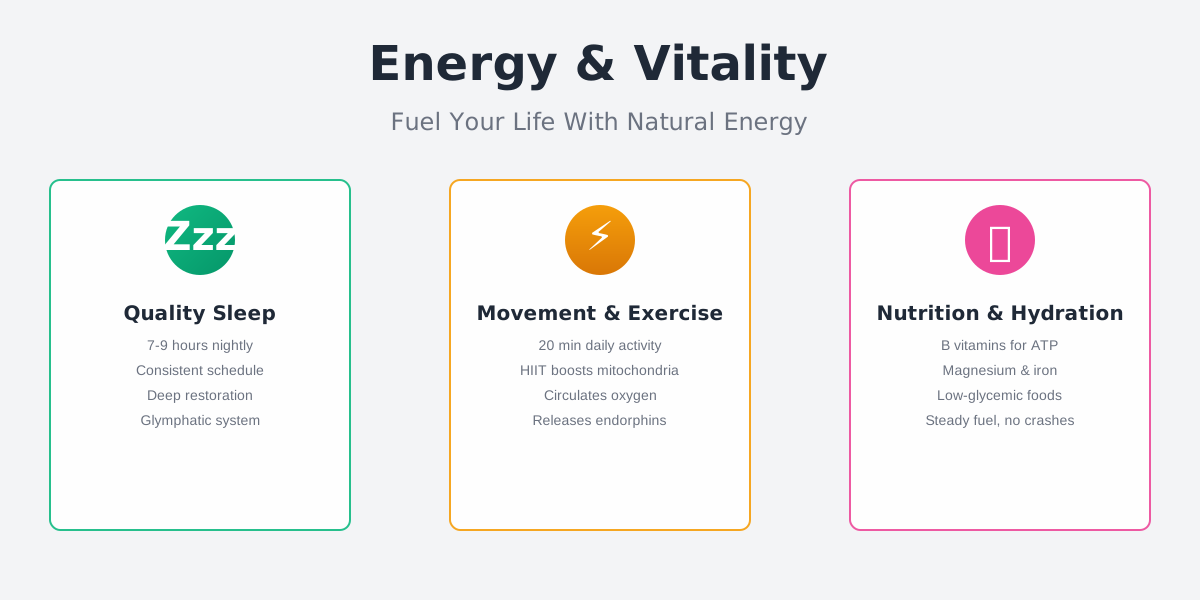
This guide reveals the precise mechanisms behind energy production in your body and provides proven techniques to optimize it—from sleeping deeper to eating smarter and moving intentionally.
What makes energy vitality different from mere wakefulness is that it involves both physical capacity and psychological readiness, creating a holistic state of functioning at your best.
What Is Energy & Vitality?
Energy and vitality are distinct but interconnected concepts. Energy refers to your body's capacity to perform work—the ATP (adenosine triphosphate) your cells generate from food and oxygen. Vitality encompasses the broader state of physical vigor, mental clarity, emotional resilience, and purposeful engagement with life. When you have genuine vitality, you don't just have energy to function; you have enthusiasm and strength to thrive. Your mitochondria—the powerhouses of your cells—are central to this equation. They convert nutrients and oxygen into usable cellular energy through hundreds of chemical reactions. When mitochondrial function is optimized, you experience sustained energy without crashes.
Not medical advice.
Recent research reveals that people with strong vitality levels report feeling five times more energized than those struggling with fatigue, and they're nearly three times more likely to look forward to each new day. This suggests vitality is both a measurable physical phenomenon and a psychological state worth prioritizing. Your baseline vitality depends on three core pillars: rest quality (recovery), activity type (movement), and nutritional fuel (food and hydration). When any of these three collapse, your overall energy plummets.
Surprising Insight: Surprising Insight: People with a strong sense of purpose are 5x more likely to feel energized and maintain high vitality throughout their lives compared to those without clear purpose.
The Three Pillars of Energy & Vitality
Visual representation showing how rest, activity, and nutrition work together to create sustained energy and vitality
🔍 Click to enlarge
Why Energy & Vitality Matters in 2026
In 2026, chronic fatigue and low vitality affect millions globally. Modern life creates a perfect storm for energy depletion: screen-based work, irregular sleep patterns, processed foods lacking essential nutrients, chronic stress, and sedentary behavior. Your cells are designed to handle acute challenges, but sustained modern stressors exhaust mitochondrial capacity. Studies show that high vitality correlates with better cardiovascular health, stronger immune function, improved mental health outcomes, and greater longevity. People with optimized energy levels also show better decision-making, enhanced creativity, and stronger relationships—vitality is truly foundational to a full life.
The wellness industry has shifted focus from merely treating fatigue to proactively building robust vitality. Longevity clinics now combine genetic testing, mitochondrial support, precision nutrition, and lifestyle interventions to help individuals feel not just less tired, but genuinely vital. The data is clear: investing in your energy infrastructure now prevents disease, accelerates recovery from illness, and amplifies your quality of life.
Additionally, your baseline vitality directly impacts your ability to pursue meaningful goals, maintain healthy relationships, and contribute to your community. Low vitality traps you in a cycle of merely surviving; optimized vitality enables you to truly thrive.
The Science Behind Energy & Vitality
Your cells produce energy through a process called cellular respiration. Mitochondria take glucose and oxygen and convert them into ATP through the electron transport chain—a sophisticated biochemical cascade. When this system runs optimally, you feel energized. When mitochondrial dysfunction occurs (from poor sleep, inadequate nutrition, chronic stress, or lack of movement), ATP production drops, and you experience fatigue. Research shows that patients with mitochondrial dysfunction have significantly reduced ability to fulfill cellular energy demands, leading to persistent low-grade fatigue that worsens with exertion.
Mitochondria also generate reactive oxygen species (ROS) as byproducts. In healthy amounts, ROS serve important signaling functions. But when mitochondrial function is compromised, excess ROS causes oxidative stress—essentially cellular inflammation. This oxidative stress accelerates aging, impairs recovery, and further reduces energy capacity. The solution isn't more caffeine; it's optimizing mitochondrial function through sleep quality, strategic exercise (especially high-intensity interval training), nutrient-dense food, stress management, and hydration. These interventions stimulate mitochondrial biogenesis—literally growing new, healthy mitochondria.
How Mitochondria Generate Cellular Energy (ATP)
Step-by-step illustration of how food, oxygen, and nutrients are converted into usable cellular energy through mitochondrial pathways
🔍 Click to enlarge
Key Components of Energy & Vitality
Sleep Quality & Recovery
Sleep is where your body performs its most critical repair and recovery work. During deep sleep (stages 3-4), your glymphatic system clears metabolic waste from your brain, your muscles rebuild, your immune system strengthens, and your mitochondria restore their ATP-generating capacity. Most adults need 7-9 hours nightly, but quality matters more than quantity. Going to bed and waking at the same time daily synchronizes your circadian rhythm with your body's natural 24-hour cycle, optimizing hormone production (particularly cortisol and melatonin). A consistent bedtime routine—dimming lights one hour before bed, avoiding screens, practicing relaxation techniques—signals your nervous system to shift into parasympathetic (rest) mode, enabling deeper sleep and faster recovery.
Movement & Exercise
Paradoxically, using energy through exercise creates energy. Movement increases mitochondrial biogenesis—your body literally grows new mitochondria in response to physical demand. Research shows that just 20 minutes of low-to-moderate aerobic activity three days weekly boosts energy levels significantly. High-intensity interval training (HIIT) is particularly potent, triggering rapid mitochondrial growth and improving oxygen utilization efficiency. Exercise also increases dopamine production, enhancing mood and motivation. Strength training preserves muscle mass (which declines with age), improving metabolic efficiency. The key is consistency and variety—combining cardio, strength work, flexibility training, and functional movement creates the most comprehensive energy support.
Nutrition & Nutrient Density
Your food literally becomes your cellular energy. B vitamins (especially B12, B6, and B3) are essential cofactors in ATP production; deficiency causes profound fatigue. Magnesium is required for hundreds of enzymatic reactions, including ATP synthesis and melatonin regulation. Iron enables oxygen transport; low iron causes chronic fatigue. Carbohydrates should have a low glycemic index (whole grains, legumes, vegetables) to provide steady glucose without energy crashes. Healthy fats support mitochondrial membrane integrity. Protein provides amino acids for cellular repair. Antioxidant-rich foods (berries, leafy greens, nuts, seeds) combat oxidative stress. Hydration is non-negotiable—dehydration impairs enzyme function and reduces ATP production by up to 30%.
Stress Management & Nervous System Regulation
Chronic stress activates your sympathetic nervous system (fight-or-flight), flooding your body with cortisol and adrenaline. This state is metabolically expensive—stress-induced emotions consume enormous amounts of ATP. Over time, sustained sympathetic activation exhausts your adrenal system and impairs mitochondrial function. Practices that activate your parasympathetic nervous system (rest-and-digest mode)—including meditation, deep breathing, yoga, tai chi, and social connection—directly restore energy capacity. Even 10 minutes daily of deliberate stress management measurably improves vitality. Talking with trusted friends, joining support groups, and seeking professional help when needed also diffuse stress-related energy drain.
| Nutrient | Primary Role in Energy | Best Food Sources |
|---|---|---|
| Vitamin B12 | Red blood cell formation & DNA synthesis | Eggs, salmon, beef, fortified cereals |
| Magnesium | ATP synthesis & enzyme activation | Spinach, almonds, pumpkin seeds, dark chocolate |
| Iron | Oxygen transport to cells | Red meat, lentils, chickpeas, fortified grains |
| Coenzyme Q10 | Mitochondrial electron transport | Beef, salmon, peanuts, sesame seeds |
| Carnitine | Fatty acid metabolism for energy | Red meat, poultry, dairy, peanuts |
How to Apply Energy & Vitality: Step by Step
- Step 1: Audit your current sleep pattern: Track bedtimes, wake times, and how rested you feel for one week to establish your baseline.
- Step 2: Establish a consistent sleep schedule: Go to bed and wake at the same time daily, even weekends, for 30 days to reset your circadian rhythm.
- Step 3: Create a wind-down ritual: One hour before bed, dim lights, stop screens, and practice relaxation (meditation, stretching, reading).
- Step 4: Assess your movement baseline: Note current exercise frequency and intensity, then add 20 minutes of moderate activity three times weekly.
- Step 5: Implement HIIT 1-2 times weekly: Add short bursts (30 seconds) of high-intensity movement followed by recovery periods.
- Step 6: Audit your nutrition: Track meals for three days, noting energy levels 2-3 hours after eating to identify energy-draining patterns.
- Step 7: Increase B-vitamin foods: Add three servings weekly of leafy greens, eggs, legumes, or fortified grains.
- Step 8: Hydrate strategically: Drink half your body weight in ounces of water daily, more on exercise days.
- Step 9: Practice daily stress management: Choose one parasympathetic practice (meditation, breathing, yoga) and do it 10-15 minutes daily.
- Step 10: Track energy levels: For four weeks, rate your energy daily (1-10) to measure improvement and identify what works best for your body.
Energy & Vitality Across Life Stages
Young Adulthood (18-35)
During young adulthood, your mitochondrial function is typically optimal, but modern lifestyle habits (irregular sleep from work/school, high stress, caffeine dependence) rapidly erode this advantage. The foundation you build now determines your energy trajectory for decades. Focus on establishing consistent sleep patterns, developing regular exercise habits, and learning stress management techniques before poor habits become entrenched. Young adults often skip this foundation, paying the price in their 40s with chronic fatigue and accelerated aging.
Middle Adulthood (35-55)
Energy challenges intensify during middle adulthood due to accumulated stress, career demands, family responsibilities, and age-related mitochondrial decline. Many people first notice significant energy drops during this phase. The good news: research shows that even starting mitochondrial optimization now yields rapid improvements. Sleep becomes even more critical as natural melatonin production declines. Strength training becomes essential to maintain muscle mass and metabolic efficiency. Strategic nutrition focusing on antioxidants and B vitamins becomes more necessary. Middle adulthood is when most people recognize that their energy is a finite resource requiring intentional management.
Later Adulthood (55+)
In later adulthood, vitality becomes increasingly important for independence, cognitive function, and quality of life. Age-related mitochondrial decline is significant but NOT inevitable—studies show that active older adults maintain mitochondrial capacity comparable to sedentary younger adults. Resistance training becomes crucial for preserving muscle and metabolic health. Nutrient absorption becomes less efficient, making nutrient density more critical than quantity. Sleep architecture changes (lighter sleep, more nighttime waking), requiring specific sleep hygiene interventions. Older adults who prioritize energy and vitality report better balance, stronger immune function, improved memory, and significantly greater life satisfaction than age-matched peers with low vitality.
Profiles: Your Energy & Vitality Approach
The Caffeine-Dependent Achiever
- Gradual caffeine reduction paired with sleep improvement
- Sustainable energy sources (nutrition and movement) replacing stimulants
- Recognition that true productivity requires genuine energy, not artificial stimulation
Common pitfall: Using caffeine as a band-aid for inadequate sleep and poor nutrition, creating a cycle of dependency and afternoon crashes.
Best move: Commit to two weeks of improved sleep and nutrition before reducing caffeine; you'll discover natural energy is superior to stimulated energy.
The Overcommitted Parent
- Permission to prioritize sleep as non-negotiable self-care
- Micro-movement practices integrated into daily routines
- Understanding that their vitality directly impacts their family's wellbeing
Common pitfall: Sacrificing sleep and self-care to meet obligations, inadvertently reducing capacity to meet those same obligations effectively.
Best move: Start with 15 minutes daily of intentional rest or movement; protect this time fiercely as it multiplies capacity in all other areas.
The Chronic Fatigue Sufferer
- Medical evaluation to rule out underlying conditions (thyroid, anemia, sleep apnea)
- Gentle, progressive mitochondrial support rather than forcing intense exercise
- Patience with recovery—significant improvements take 8-12 weeks, not days
Common pitfall: Pushing too hard with exercise or making too many changes simultaneously, which overwhelms the system and worsens fatigue.
Best move: Start with one intervention (usually sleep improvement), master it fully, then gradually add stress management and gentle movement.
The Sedentary Knowledge Worker
- Movement breaks integrated throughout the workday to counter mitochondrial decline
- Understanding that brief movement boosts both energy and cognitive performance
- Nutrition optimization to prevent blood sugar crashes from desk-based work
Common pitfall: Believing they're 'too busy' for exercise, not realizing that 20 minutes of movement actually increases net productivity.
Best move: Start with a 5-minute movement break every two hours (stretching, walking, stairs); track productivity improvement for two weeks.
Common Energy & Vitality Mistakes
The first major mistake is relying on caffeine as a substitute for sleep. Caffeine blocks adenosine receptors (the neurotransmitter that signals sleepiness), creating the illusion of energy while leaving your cells genuinely depleted. You're borrowing tomorrow's energy today, creating compound fatigue. The second mistake is exercising without recovering—intense training breaks down muscle; sleep and nutrition rebuild it. Train hard, recover harder. The third mistake is viewing energy as purely physical. Psychological factors (purpose, meaning, social connection, stress) profoundly impact your nervous system's capacity to generate and utilize energy.
A fourth mistake is expecting instant results. Genuine vitality improvements take 4-8 weeks because your body must rebuild mitochondrial capacity, reset circadian rhythms, and restore nervous system balance. Another common error is making too many changes simultaneously—this overwhelms your system and usually fails within weeks. Finally, many people ignore the role of stress management, believing that sleep and exercise alone will fix fatigue. But chronic stress activates your sympathetic nervous system continuously, exhausting your energy infrastructure despite adequate sleep and exercise.
The most subtle mistake is not aligning your energy strategy with your life stage and current capacity. A person with severe fatigue attempting HIIT training will worsen their condition; they need gentle, progressive restoration first. An overcommitted parent trying to add a 90-minute gym session will fail; they need 15 minutes of movement that fits their life. Match your approach to your reality.
The Energy Depletion Cycle vs. The Vitality Cycle
Comparison showing how poor habits create compounding energy loss versus how positive habits create compounding vitality gains
🔍 Click to enlarge
Science and Studies
Recent scientific research confirms that energy and vitality are not fixed traits but trainable capacities. Multiple peer-reviewed studies demonstrate that targeted lifestyle interventions dramatically improve cellular energy production, subjective vitality levels, and long-term health outcomes. The research spans neuroscience, cellular biology, exercise physiology, and psychology, all converging on similar conclusions: sleep, movement, nutrition, stress management, and purpose drive energy at every biological level.
- Cigna's 2025 Vitality report shows people with strong purpose are 5x more likely to feel energized and 3x more likely to look forward to each day.
- Studies in cellular physiology demonstrate HIIT increases mitochondrial biogenesis and improves oxygen utilization efficiency within 2-3 weeks.
- Research on sleep deprivation shows ATP production declines 30% without adequate sleep, directly impairing immune function, cognitive performance, and emotional regulation.
- Institute for Functional Medicine publications document how mitochondrial dysfunction correlates with chronic fatigue and how targeted interventions restore energy production.
- Harvard Health research confirms that just 20 minutes of moderate aerobic exercise three times weekly significantly improves energy levels and reduces fatigue perception.
Your First Micro Habit
Start Small Today
Today's action: Tomorrow, set one specific sleep and wake time you'll keep for the next 14 days (even weekends). Set a phone alarm for both. Write it down. This single act resets your circadian rhythm and is the foundation for all other energy improvements.
Circadian rhythm synchronization is the most powerful lever for improving sleep quality, mitochondrial function, hormone production, and subjective vitality. Consistency matters more than duration; your body thrives on predictable patterns. This micro habit requires zero willpower once established, yet yields exponential improvements in energy within two weeks.
Track your sleep schedule consistency and measure your energy improvements daily with our app's built-in assessment tools.
Quick Assessment
How would you describe your current energy levels throughout an average day?
Your pattern reveals which intervention will most help: steady energy suggests maintenance is key; afternoon crashes point to nutrition/caffeine issues; unpredictable energy often indicates sleep inconsistency or stress; low baseline suggests comprehensive intervention needed across sleep, nutrition, and movement.
Which factor do you think most limits your energy right now?
Your answer identifies your highest-leverage starting point. If you can see the primary constraint, you can address it directly. Typically, sleep improvement yields fastest energy gains; stress management provides longest-term sustainability; movement creates progressive improvements; nutrition supports all three.
What does 'high vitality' mean to you personally?
Your definition shapes your strategy. Physical-focused people benefit from exercise and nutrition optimization first; mental-clarity focused people see fastest gains from sleep and stress management; purpose-focused people gain from clarifying values and creating alignment between daily actions and deeper meaning.
Take our full assessment to get personalized recommendations.
Discover Your Style →Next Steps
Your energy and vitality are not fixed by genetics or your current circumstances. They are actively created through choices you make each day. Starting with sleep consistency—your single highest-leverage intervention—you can rebuild genuine energy capacity within weeks. This isn't about forcing yourself to work harder; it's about working smarter by supporting your biological needs for rest, movement, nourishment, and stress recovery.
The path to genuine vitality begins with a single committed decision: tonight, set your sleep and wake time for the next two weeks and protect it fiercely. From this foundation of better sleep, everything else—movement, nutrition, stress management—becomes easier and more effective. You have the science. You have the tools. Now you need only consistency.
Get personalized guidance with AI coaching.
Start Your Journey →Research Sources
This article is based on peer-reviewed research and authoritative sources. Below are the key references we consulted:
Related Glossary Articles
Frequently Asked Questions
How long does it take to see improvements in energy and vitality?
Most people notice initial improvements in energy within 7-10 days of consistent sleep optimization. More substantial improvements typically appear within 4-6 weeks as mitochondrial function, circadian rhythm, and stress response all normalize. Significant vitality transformation often takes 8-12 weeks, but the trajectory is clear after just two weeks of consistent practice.
Can you have high energy but low vitality?
Yes. Someone might have high physical energy from caffeine or other stimulants while experiencing low vitality—lacking genuine strength, purpose, emotional resilience, or enthusiasm. True vitality includes sustainable energy aligned with values and meaningful engagement with life. Stimulant-driven energy often coincides with stress and burnout despite high activity levels.
Is caffeine bad for energy long-term?
Occasional caffeine (100-200mg daily) has minimal negative effects for most people. The problem arises with chronic dependence where caffeine masks underlying fatigue rather than solving it. If you rely on caffeine to function, your genuine energy needs addressing. Many people find that after improving sleep, nutrition, and stress management, they need far less caffeine and feel better without it.
Why does exercise sometimes make me more tired?
Over-exercising without adequate recovery, protein, calories, or sleep creates a state of overtraining where your mitochondria can't rebuild faster than they break down. You're using energy faster than you can replenish it. Solution: reduce intensity/duration, improve recovery (sleep 7-9 hours), increase protein intake, and ensure you're eating enough calories for your activity level. Start with gentle movement.
Can I improve vitality with nutrition alone?
Nutrition is essential but not sufficient alone. You need the full foundation: adequate sleep, regular movement, stress management, and purpose/meaning. However, fixing severe nutritional deficiencies (B12, iron, magnesium, etc.) often produces dramatic energy improvements. Start with these foundations simultaneously rather than sequentially for fastest results.
Take the Next Step
Ready to improve your wellbeing? Take our free assessment to get personalized recommendations based on your unique situation.
- Discover your strengths and gaps
- Get personalized quick wins
- Track your progress over time
- Evidence-based strategies