Heart Health
Your heart beats approximately 100,000 times per day, pumping blood to every cell in your body. Yet for millions of people, this vital organ faces threats from preventable risk factors. Heart health represents the foundation of your physical wellness—protecting it through exercise, nutrition, and lifestyle changes can add years to your life. The good news? Research shows that 90 percent of heart disease is preventable through evidence-based interventions that you can start implementing today, regardless of your age or current health status.
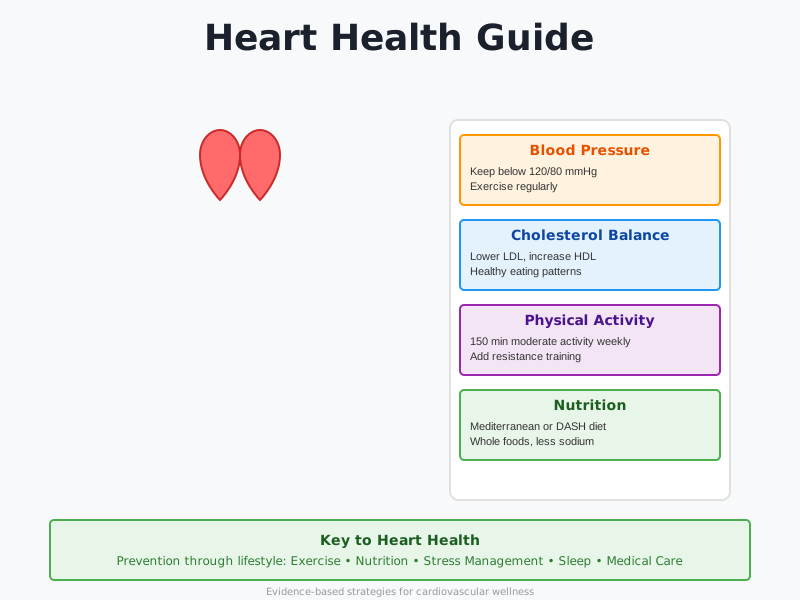
Understanding the connection between your daily habits and cardiovascular wellness empowers you to take control of one of your most important health assets.
This guide explores practical, science-backed strategies for protecting your heart and reducing your risk of cardiovascular disease.
What Is Heart Health?
Heart health encompasses the overall functioning and well-being of your cardiovascular system—your heart, blood vessels, and the blood flowing through them. A healthy heart efficiently pumps oxygen-rich blood throughout your body, delivers nutrients to tissues, and removes waste products. Heart health is measured through various factors including blood pressure, cholesterol levels, heart rate, and the absence of cardiovascular disease.
Not medical advice.
Cardiovascular disease remains the leading cause of death globally, claiming one life every 34 seconds in the United States alone. The condition develops over years as risk factors accumulate, making prevention and early intervention crucial. Your heart's health directly influences your energy levels, mental clarity, physical performance, and longevity. When you prioritize heart health, you invest in a longer, more vibrant life.
Surprising Insight: Surprising Insight: Research from Cleveland Clinic reveals that 90 percent of heart disease is preventable through lifestyle changes alone—eating nutrient-dense foods, exercising regularly, and avoiding tobacco use can dramatically reduce your cardiovascular risk.
The Cardiovascular System
Visual representation of how the heart, arteries, veins, and blood work together to circulate oxygen and nutrients throughout the body
🔍 Click to enlarge
Why Heart Health Matters in 2026
Cardiovascular disease continues to be the world's leading killer, responsible for 1 in every 3 deaths. With aging populations and rising rates of obesity, sedentary lifestyles, and metabolic disorders, the importance of heart health has never been greater. Global projections indicate a 90 percent increase in cardiovascular disease prevalence between 2025 and 2050, making prevention strategies more urgent than ever.
In 2026, emerging research highlights the connection between heart health and overall wellness. Studies reveal that maintaining a healthy heart reduces your risk not only of heart attack and stroke but also improves cognitive function, mental health outcomes, and quality of life. The cardiovascular system's health reflects and influences your body's ability to adapt to stress, maintain emotional balance, and achieve physical goals.
Personal heart health matters because cardiovascular disease often develops silently without symptoms until a critical event occurs. By understanding your risk factors and taking preventive action now, you can avoid becoming a statistic and instead write a story of vitality and longevity for yourself.
The Science Behind Heart Health
Your heart is a muscular pump composed of four chambers that work in synchronized rhythm. The right side receives oxygen-poor blood from your body and sends it to the lungs, where it picks up oxygen. The left side receives oxygen-rich blood from the lungs and pumps it throughout your entire body. This cycle repeats approximately 100,000 times daily, and any disruption in this rhythm or the blood vessels carrying blood can lead to cardiovascular disease.
Atherosclerosis—the buildup of plaque in arteries—represents the most common cause of heart disease. When you consume excess saturated fats, trans fats, and cholesterol, these substances accumulate on artery walls, narrowing vessels and restricting blood flow. Over time, this process can rupture, creating blood clots that block vessels completely, resulting in heart attacks or strokes. Chronic inflammation, high blood pressure, and oxidative stress accelerate this damage, which is why managing these factors through diet, exercise, and stress reduction is so critical.
How Plaque Buildup Damages Arteries
Step-by-step illustration of atherosclerosis progression from healthy artery to blocked vessel
🔍 Click to enlarge
Key Components of Heart Health
Blood Pressure Management
High blood pressure, or hypertension, forces your heart to work harder and damages artery walls over time. Normal blood pressure is below 120/80 mmHg. When pressure consistently exceeds this, your risk of heart disease, stroke, and kidney disease increases dramatically. Managing blood pressure through reducing sodium intake, regular exercise, maintaining a healthy weight, and managing stress can prevent or reverse hypertension before it causes damage.
Cholesterol Balance
Your body needs some cholesterol for hormone and vitamin production, but excess cholesterol—especially LDL 'bad' cholesterol—accumulates in arteries. HDL 'good' cholesterol helps remove LDL from vessels. A healthy cholesterol profile typically includes LDL below 100 mg/dL, HDL above 40 mg/dL for men and 50 mg/dL for women, and total cholesterol below 200 mg/dL. Diet, exercise, and sometimes medication help maintain optimal cholesterol levels.
Physical Activity
Regular exercise strengthens your heart muscle, lowers blood pressure, improves cholesterol, aids weight management, and reduces inflammation. Aerobic activity like walking, swimming, or cycling trains your heart to work more efficiently. Resistance training builds muscle, which supports metabolism and cardiovascular health. The American Heart Association recommends 150 minutes of moderate aerobic activity plus two days of resistance training weekly.
Nutritional Choices
A heart-healthy diet emphasizes whole grains, fruits, vegetables, lean proteins, healthy fats, and limits sodium, added sugars, and processed foods. The Mediterranean and DASH diets both show strong evidence for cardiovascular disease prevention. Foods rich in omega-3 fatty acids, fiber, and antioxidants combat inflammation and support arterial health. What you eat directly influences your blood pressure, cholesterol, weight, and inflammation levels.
| Risk Factor | Impact on Heart Health | Preventive Action |
|---|---|---|
| High Blood Pressure | Damages artery walls; forces heart to work harder | Reduce sodium; exercise; manage stress |
| High Cholesterol | Plaque accumulates in arteries; narrows blood vessels | Eat healthy fats; increase fiber; exercise |
| Smoking | Reduces oxygen in blood; damages vessel walls | Quit smoking; seek support programs |
| Obesity | Increases inflammation; raises blood pressure and cholesterol | Regular activity; balanced nutrition; weight loss |
| Physical Inactivity | Weakens heart; raises blood pressure and cholesterol | 150 minutes moderate activity weekly |
| Diabetes | Damages blood vessels and increases clot risk | Manage blood sugar; healthy diet; exercise |
How to Apply Heart Health: Step by Step
- Step 1: Get a baseline health assessment: Schedule a physical exam and have your blood pressure, cholesterol, blood sugar, and weight checked. Know your numbers—they reveal your current cardiovascular risk.
- Step 2: Assess your personal risk factors: Identify which conditions apply to you (high blood pressure, high cholesterol, smoking, obesity, diabetes, family history, stress). Understanding your specific risks helps you prioritize interventions.
- Step 3: Start with exercise: Begin with 30 minutes of moderate activity like brisk walking most days. Gradually increase intensity and duration. Add resistance training twice weekly to strengthen your heart and muscles.
- Step 4: Transition your diet: Replace processed foods with whole grains, fresh vegetables, fruits, and lean proteins. Reduce sodium to below 2,300mg daily. Limit saturated fat and eliminate trans fats completely.
- Step 5: Manage your weight: Calculate your body mass index (BMI). Even losing 5-10 percent of your body weight significantly reduces cardiovascular risk and improves blood pressure and cholesterol.
- Step 6: Control your blood pressure: If above 120/80, implement lifestyle changes first. Work with your doctor to establish targets and adjust medications if needed. Monitor at home regularly.
- Step 7: Optimize your cholesterol: Eat foods high in soluble fiber (oats, beans, apples) and omega-3 fats (fish, flaxseed, walnuts). If lifestyle changes don't achieve targets, medications can help.
- Step 8: Quit smoking completely: If you smoke, quitting is the single most important action you can take. Ask your doctor about cessation programs, medications, or counseling that can support you.
- Step 9: Manage stress effectively: Practice meditation, deep breathing, yoga, or other relaxation techniques regularly. Chronic stress raises blood pressure and inflammation, damaging your heart.
- Step 10: Schedule regular follow-ups: See your doctor annually to monitor your progress, adjust treatments, and screen for emerging problems before they become serious.
Heart Health Across Life Stages
Young Adulthood (18-35)
Your twenties and thirties are the ideal time to establish heart-healthy habits that will protect you for decades. During this stage, your cardiovascular system is most responsive to positive changes. Focus on building regular exercise into your routine, developing healthy eating patterns, managing stress through school or career demands, and avoiding smoking and excessive alcohol. A healthy baseline established now prevents problems from developing later and creates momentum for sustained wellness.
Middle Adulthood (35-55)
This period brings increased cardiovascular risk as stress, work demands, and metabolic changes accelerate. Your blood pressure and cholesterol may begin climbing, and weight management becomes more challenging. Intensify your exercise commitment to maintain cardiovascular fitness, monitor your numbers through regular checkups, manage work and family stress proactively, and address any emerging conditions early. This stage is critical for preventing disease progression and establishing medical partnerships with your doctor.
Later Adulthood (55+)
As you age, heart health requires increased vigilance and often medication management. Your arteries become stiffer, blood pressure may rise, and existing conditions require careful attention. Continue physical activity tailored to your abilities, maintain regular medical appointments and screenings, take prescribed medications consistently, and focus on quality of life. Many people thrive well into advanced age by managing their conditions actively and maintaining positive lifestyle practices.
Profiles: Your Heart Health Approach
The Prevention-Focused Person
- Clear understanding of their cardiovascular risk factors and numbers
- Structured exercise program that feels sustainable and enjoyable
- Practical meal planning strategies that fit their lifestyle
Common pitfall: Setting unrealistic goals and abandoning efforts when perfection isn't achieved
Best move: Focus on progress over perfection. Build one small habit at a time—add a 15-minute walk today, swap one processed food for whole food tomorrow. Celebrate small wins.
The Busy Professional
- Time-efficient exercise options like HIIT or lunch-break workouts
- Healthy convenience foods and simple meal prep strategies
- Stress management techniques they can do during their workday
Common pitfall: Chronic stress and time pressure lead to skipped exercise, poor food choices, and neglected health monitoring
Best move: Schedule health activities like appointments with yourself. Use your lunch break for a walk. Keep healthy snacks at your desk. Practice 5-minute stress breaks. Make one small change weekly.
The Recently Diagnosed Person
- Clear education about their specific condition and what it means
- Realistic medication management and medical appointment consistency
- Motivation to make behavioral changes despite feeling overwhelmed
Common pitfall: Denial or shame about their diagnosis leads to non-compliance with treatment and lifestyle changes
Best move: Accept your diagnosis as information, not judgment. Work with your healthcare team to understand your specific plan. Join a support group. Focus on what you can control. Progress takes time—be patient with yourself.
The Active Wellness Seeker
- Advanced training and performance optimization approaches
- Cutting-edge information about cardiovascular health research
- Community connection with others who share their health focus
Common pitfall: Over-training without adequate recovery, or chasing supplements and gadgets instead of foundational practices
Best move: Balance intensity with recovery. Invest in proper sleep and stress management. Remember that consistency beats intensity. Share your knowledge to help others on their journeys.
Common Heart Health Mistakes
Ignoring warning signs represents one of the most dangerous mistakes people make. Chest discomfort, shortness of breath, unusual fatigue, irregular heartbeat, or sudden dizziness deserve immediate medical attention, not dismissal. Many people, especially women, delay seeking help because they misattribute symptoms to stress or minor issues. Trust your instincts—if something feels wrong, it probably does.
Focusing only on exercise while neglecting nutrition undermines your efforts. You cannot out-exercise a poor diet. Similarly, restricting calories to lose weight without exercising fails to build cardiovascular fitness or address underlying risk factors. Heart health requires a comprehensive approach that simultaneously addresses movement, nutrition, stress, sleep, and medical management.
Abandoning efforts after setbacks is a common pattern that prevents progress. One missed workout or one unhealthy meal doesn't erase your progress or guarantee disease. Your heart health is determined by your average behavior over time, not isolated incidents. When you slip up, simply resume your healthy practices at your next opportunity without guilt or shame.
The Comprehensive Heart Health Approach
Visual showing how multiple factors work together to protect cardiovascular health
🔍 Click to enlarge
Science and Studies
Extensive research from leading medical institutions and health organizations demonstrates that heart disease is largely preventable through lifestyle interventions. Studies consistently show that people who maintain healthy weight, exercise regularly, eat nutritious diets, don't smoke, and manage stress significantly reduce their cardiovascular disease risk.
- American Heart Association (2024): 2024 Heart Disease and Stroke Statistics showing one person dies every 34 seconds from cardiovascular disease in the United States, emphasizing prevention importance
- Cleveland Clinic Research: Findings demonstrating that 90 percent of heart disease is preventable through diet, exercise, and not smoking
- WHO Cardiovascular Health Initiative: Global projections indicating 90 percent increase in CVD prevalence between 2025-2050 without intervention
- NIH/NHLBI Studies: Evidence confirming that 150 minutes weekly of moderate aerobic activity combined with resistance training reduces cardiovascular disease risk by up to 35 percent
- Framingham Heart Study: Decades of longitudinal data showing that managing blood pressure, cholesterol, weight, and avoiding smoking add years to lifespan
Your First Micro Habit
Start Small Today
Today's action: Take a 15-minute brisk walk today. Tomorrow, add 2 minutes. Keep adding 2 minutes weekly until you reach 30-40 minutes most days. This single habit reduces heart disease risk, lowers blood pressure, improves cholesterol, aids weight management, and boosts mood.
Walking is accessible, requires no equipment, and provides immediate cardiovascular benefits. Starting with just 15 minutes makes the habit achievable, preventing the overwhelm that derails bigger goals. Gradual progression builds consistency—by week 5 you'll have a 25-minute habit, by week 10 you'll have 35 minutes. Small, consistent steps create remarkable transformation.
Track your walking habit and get personalized AI coaching with our app.
Quick Assessment
How would you describe your current cardiovascular fitness level?
Your fitness baseline reveals where to focus. If you selected option 1 or 2, starting with simple daily walks offers tremendous benefits. Options 3 and 4 suggest you're ready to intensify or optimize your routine.
Which aspect of heart health feels most challenging for you?
Your biggest challenge is your best opportunity for growth. If exercise feels hard, commit to just 15 minutes daily. If nutrition is tough, change one meal at a time. If stress overwhelms you, try 5-minute breathing exercises. If consistency struggles you, use habit-stacking to anchor new behaviors to existing routines.
What motivates you most regarding your health?
Understanding your 'why' sustains motivation through challenges. Keep this reason visible—put it on your mirror, phone, or journal. When motivation wanes, reconnect with your deepest motivation. Different reasons work for different people—all are valid and valuable.
Take our full assessment to get personalized recommendations.
Discover Your Style →Next Steps
Your heart health journey begins with a single decision to prioritize your cardiovascular wellness. Start by scheduling a health assessment with your doctor. Get your blood pressure, cholesterol, blood sugar, and weight checked. Ask about your personal cardiovascular risk and what specific actions would most benefit your health. This conversation clarifies your priorities and establishes a baseline for measuring progress.
Then commit to one small change this week. Add a 15-minute walk. Swap one sugary drink for water. Try one new vegetable. Join a fitness class. Download a meditation app. Small actions create momentum, which builds consistency, which transforms your health. Share your goal with someone who will support you. Research shows accountability partners dramatically increase success. Most importantly, remember that your cardiovascular health is worth protecting—you deserve a long, vibrant life, and protecting your heart is the best investment you can make.
Get personalized guidance with AI coaching.
Start Your Journey →Research Sources
This article is based on peer-reviewed research and authoritative sources. Below are the key references we consulted:
Related Glossary Articles
Frequently Asked Questions
How do I know if I have heart disease?
Common warning signs include chest pain or pressure, shortness of breath, unusual fatigue, dizziness, and irregular heartbeat. Many people have heart disease without obvious symptoms, which is why regular checkups and monitoring your numbers (blood pressure, cholesterol, blood sugar) matter. If you experience warning signs, seek immediate medical attention.
Can I reverse heart disease?
You can't reverse plaque that's already formed, but you can stop progression and reduce your risk of heart attack or stroke. Through aggressive lifestyle changes and medications, many people prevent further damage and live long, healthy lives. Early detection and intervention offer the best outcomes.
How much exercise do I need for heart health?
The American Heart Association recommends 150 minutes of moderate-intensity aerobic activity (like brisk walking) or 75 minutes of vigorous activity (like running) weekly. Add resistance training twice weekly. Start wherever you are—even small amounts of activity benefit your heart. Consistency matters more than intensity.
Is it ever too late to improve my heart health?
It's never too late. People who make positive changes at any age—even in their 60s, 70s, and 80s—improve their cardiovascular function, reduce disease risk, and enhance quality of life. Your heart responds to positive changes throughout your life.
What's the best diet for heart health?
Mediterranean and DASH diets have the strongest evidence for cardiovascular disease prevention. Both emphasize whole grains, fruits, vegetables, legumes, nuts, fish, and healthy oils while limiting processed foods, saturated fat, sodium, and added sugars. Choose a pattern you can sustain long-term rather than chasing perfection.
Take the Next Step
Ready to improve your wellbeing? Take our free assessment to get personalized recommendations based on your unique situation.
- Discover your strengths and gaps
- Get personalized quick wins
- Track your progress over time
- Evidence-based strategies