Brain-Derived Neurotrophic Factor
Imagine a molecule that acts like fertilizer for your brain, helping neurons grow stronger, form new connections, and recover from injury. That molecule is brain-derived neurotrophic factor, or BDNF. It's one of the most powerful tools your brain possesses for learning, memory, mood regulation, and resilience. When BDNF levels are optimal, you experience sharper thinking, better emotional stability, and faster recovery from stress. When they drop, cognitive decline and mood disorders can follow. The remarkable truth: you can dramatically boost your BDNF through proven lifestyle strategies, from exercise and sleep to specific nutrition and mental practices.
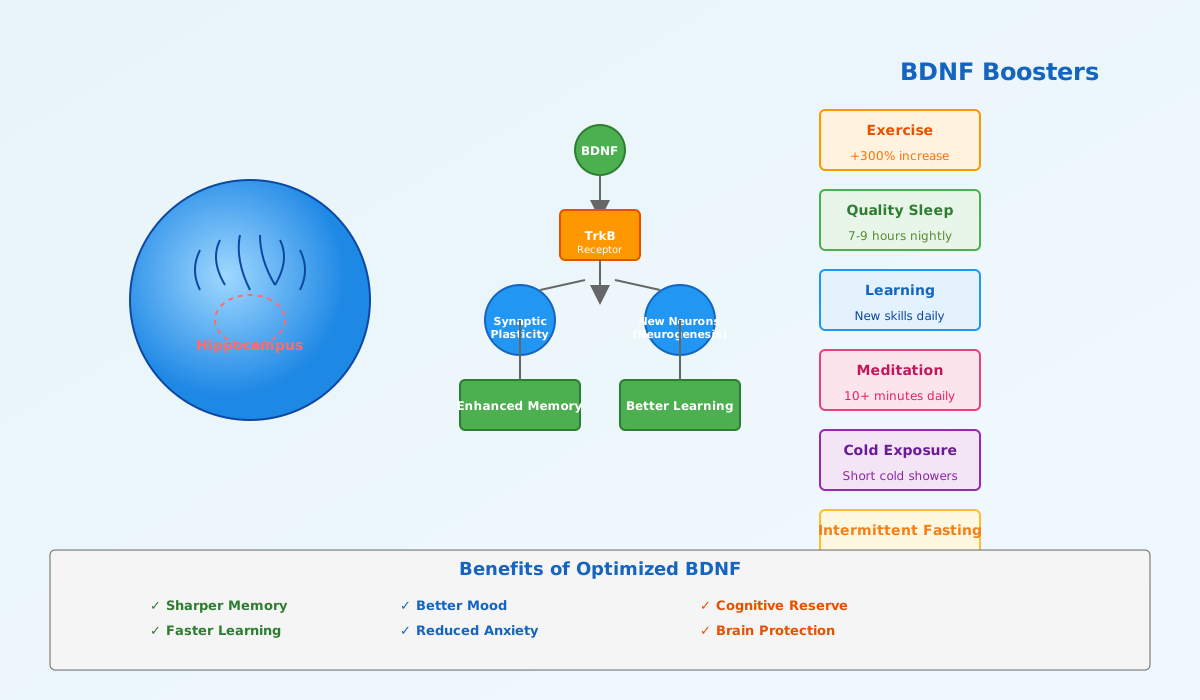
In the next few minutes, you'll discover exactly how BDNF works at the cellular level, why it matters more than ever in 2026, and the specific actions you can take today to activate this brain-building protein naturally.
This guide includes research from leading neuroscience institutions, practical strategies you can implement immediately, and a personalized framework to optimize your BDNF production for long-term brain health.
What Is Brain-Derived Neurotrophic Factor?
Brain-derived neurotrophic factor (BDNF) is a protein produced primarily in the brain that supports the survival and growth of neurons. Think of it as the brain's growth hormone. BDNF binds to receptors on nerve cells, triggering molecular signals that strengthen synaptic connections, protect existing neurons from degeneration, and promote the growth of new brain cells (neurogenesis). It operates in the hippocampus (crucial for memory), prefrontal cortex (executive function), and amygdala (emotional processing). BDNF levels influence your capacity to learn new information, form lasting memories, regulate mood, and bounce back from psychological stress.
Not medical advice.
BDNF was discovered in the 1980s and is now recognized as one of the most critical molecules for brain health. It crosses into the bloodstream from the brain, making it measurable through blood tests. Interestingly, exercise produces some of the most dramatic increases in BDNF, which explains why physical activity is so effective for mental health. BDNF also responds to learning, meditation, sleep, fasting, and specific nutrients. Low BDNF has been associated with depression, anxiety, cognitive decline, and neurodegenerative diseases like Alzheimer's.
Surprising Insight: Surprising Insight: Intense exercise can increase BDNF levels by up to 300% within hours, rivaling the effects of some medications for depression and anxiety.
How BDNF Enables Neuroplasticity
A flow diagram showing how BDNF triggers neural growth: BDNF production → receptor activation → synaptic strengthening → neurogenesis → enhanced learning and memory formation.
🔍 Click to enlarge
Why Brain-Derived Neurotrophic Factor Matters in 2026
In 2026, cognitive demands are higher than ever. We face information overload, digital distraction, chronic stress, and sedentary lifestyles—all of which suppress BDNF production. Simultaneously, mental health challenges continue to rise globally. Understanding and optimizing BDNF is not a luxury; it's essential health maintenance. BDNF directly influences your ability to adapt to rapid change, learn new skills for career transitions, and maintain emotional stability amid uncertainty.
Research published in Nature Neuroscience and other peer-reviewed journals demonstrates that BDNF interventions—exercise, meditation, specific diets—produce measurable improvements in depression, anxiety, and cognitive performance comparable to pharmaceutical treatments, often without side effects. For anyone seeking better memory, sharper focus, emotional resilience, or protection against cognitive decline, BDNF optimization is a science-backed investment in your brain's future.
BDNF also plays a crucial role in neuroplasticity—your brain's ability to rewire and adapt. As we age, maintaining high BDNF becomes increasingly important for preserving cognitive function and preventing neurodegenerative diseases. The lifestyle factors that boost BDNF—exercise, quality sleep, learning, social connection—also address multiple health challenges simultaneously, making BDNF optimization a cornerstone of holistic wellness.
The Science Behind Brain-Derived Neurotrophic Factor
BDNF operates through a mechanism called the neurotrophin signaling pathway. When BDNF is released, it binds to tyrosine kinase B (TrkB) receptors on the surface of neurons. This binding activates a cascade of intracellular events: increased calcium influx, activation of kinase enzymes, and changes in gene expression. These changes strengthen existing synapses through a process called long-term potentiation (LTP), where repeated neural firing creates stronger connections. BDNF also activates genes responsible for creating new neurons, particularly in the dentate gyrus of the hippocampus—the brain region essential for forming new memories.
Beyond memory, BDNF influences mood through its action on the prefrontal cortex and amygdala, regions that regulate emotional responses. Low BDNF is found in depression, PTSD, and anxiety disorders. BDNF also provides neuroprotection by upregulating antioxidant enzymes and anti-inflammatory factors, shielding neurons from damage caused by stress, oxidative stress, and age-related decline. Animal and human studies show that boosting BDNF can reverse cognitive decline, improve mood symptoms, and accelerate learning. The research is so compelling that BDNF has become a therapeutic target for conditions ranging from depression to Alzheimer's disease.
BDNF Signaling at the Cellular Level
A detailed molecular diagram showing BDNF binding to TrkB receptors, triggering intracellular cascades that lead to synaptic strengthening and new neuron formation.
🔍 Click to enlarge
Key Components of Brain-Derived Neurotrophic Factor
Pro-BDNF and Mature BDNF
BDNF exists in two forms: pro-BDNF (the inactive precursor) and mature BDNF (the active form). Pro-BDNF is initially produced and must be cleaved to become active. Different activities favor one form over the other. Acute stress can increase pro-BDNF, which paradoxically may impair memory in the short term. Exercise and cognitive engagement preferentially increase mature BDNF, which enhances learning. Understanding this distinction is important because it explains why timing matters—exercise before learning sessions boosts mature BDNF, optimizing memory consolidation.
TrkB Receptor Sensitivity
The effectiveness of BDNF depends on TrkB receptor availability and sensitivity. Higher receptor density means more efficient signaling. Several factors influence receptor sensitivity: chronic stress decreases it, while learning and physical activity increase it. Some people naturally have higher TrkB expression due to genetics, but lifestyle choices can substantially modify receptor function. This explains why two people exposed to the same BDNF levels may experience different cognitive outcomes—receptor sensitivity matters as much as BDNF concentration.
The Hippocampus: BDNF's Primary Theater
The hippocampus produces and responds to BDNF more robustly than any other brain region. This ancient structure, crucial for memory formation and spatial navigation, depends on high BDNF levels for optimal function. When hippocampal BDNF drops—due to chronic stress, poor sleep, or sedentary behavior—memory formation suffers. Conversely, activities that boost hippocampal BDNF (aerobic exercise, learning new information, quality sleep) directly enhance your ability to form and retain memories. Some researchers consider BDNF status a biomarker of hippocampal health and learning capacity.
The Stress-BDNF Relationship
Stress has a complex relationship with BDNF. Acute, manageable stress can increase BDNF temporarily, promoting adaptation. Chronic, uncontrolled stress, however, suppresses BDNF production and impairs the signaling cascade, leading to cognitive decline and mood disorders. This explains why stress management is essential—it's not just about feeling better; it's about protecting your BDNF production system. Regular stress-reduction practices like meditation, deep breathing, and social connection help maintain BDNF despite life's demands.
| BDNF Boosters | Mechanism | Impact Timeline |
|---|---|---|
| Aerobic Exercise | Increases VEGF, activates transcription factors | Hours to days |
| Deep Learning | Sustained cognitive engagement triggers plasticity | Days to weeks |
| Quality Sleep (7-9 hrs) | Sleep consolidates memories, upregulates BDNF genes | Nightly effect |
| Cold Exposure | Activates sympathetic nervous system and growth pathways | Minutes to hours |
| Intermittent Fasting | Induces metabolic switching, increases BDNF signaling | Hours to days |
| Social Connection | Reduces stress hormones, activates reward circuits | Immediate effect |
| Chronic Stress | Elevates cortisol, suppresses BDNF production | Days to weeks |
| Sleep Deprivation | Impairs memory consolidation, reduces BDNF expression | Immediate effect |
| Sedentary Lifestyle | Reduces metabolic signaling for neuroplasticity | Weeks to months |
How to Apply Brain-Derived Neurotrophic Factor: Step by Step
- Step 1: Start with aerobic exercise: Aim for 30 minutes of moderate-intensity cardio (running, cycling, swimming) at least 3 times weekly. This is the single most powerful BDNF activator. Exercise triggers VEGF (vascular endothelial growth factor), which increases blood flow to the hippocampus and directly stimulates BDNF production.
- Step 2: Optimize sleep quality: Ensure 7-9 hours nightly with consistent sleep/wake times. During deep sleep, your brain consolidates memories and upregulates genes responsible for BDNF synthesis. Poor sleep is one of the fastest ways to suppress BDNF.
- Step 3: Practice learning: Engage in deliberate learning—studying a new language, skill, or complex subject. Novel cognitive challenge is a potent BDNF trigger. Spend 30-60 minutes daily on focused learning that pushes your current capacity.
- Step 4: Incorporate cold exposure: Take 30-second cold showers or spend a few minutes in cold water 2-3 times weekly. Cold activates the sympathetic nervous system, triggering a cascade that increases BDNF. Start gradually to build tolerance.
- Step 5: Try intermittent fasting: Practice time-restricted eating (e.g., 16:8 protocol—eating within an 8-hour window, fasting 16 hours). Fasting triggers metabolic switching, activating pathways that boost BDNF and neuroprotection.
- Step 6: Meditate or practice mindfulness: Spend 10-20 minutes daily in meditation, which increases gray matter density in the hippocampus and prefrontal cortex—both regions rich in BDNF receptors. Meditation also reduces stress hormones that suppress BDNF.
- Step 7: Strengthen social connections: Spend quality time with close friends and family. Social engagement activates reward circuitry and reduces cortisol, preserving BDNF. Loneliness is associated with BDNF decline.
- Step 8: Include BDNF-supporting foods: Eat plenty of omega-3 fish (salmon, sardines), dark leafy greens, berries (especially blueberries), dark chocolate (70%+ cocoa), and eggs. These contain polyphenols, omega-3s, and choline that support BDNF signaling.
- Step 9: Manage stress actively: Use breathing techniques (4-7-8 breathing), progressive muscle relaxation, or time in nature. Chronic stress suppresses BDNF; stress management preserves it. Even 5 minutes of deep breathing between tasks helps.
- Step 10: Monitor progress: Track mood, memory, focus, and learning speed over 4-6 weeks. You should notice improved mental clarity, better memory recall, and more stable mood as BDNF optimization takes effect. Blood tests can measure circulating BDNF if you want objective confirmation.
Brain-Derived Neurotrophic Factor Across Life Stages
Young Adulthood (18-35)
During young adulthood, BDNF levels naturally peak, and your brain is at maximum plasticity. This is the ideal time to build cognitive reserve—learn complex skills, languages, and specialized knowledge. The memories you form now, supported by high BDNF, create neural networks that protect you against cognitive decline in later years. However, sedentary lifestyles, poor sleep from social media, and chronic stress from early career pressures can suppress BDNF even during this prime period. Prioritizing exercise and sleep now establishes habits that sustain BDNF throughout life.
Middle Adulthood (35-55)
BDNF production begins a gradual decline after 35, but lifestyle intervention can significantly slow this drop. This is when maintaining consistent exercise becomes critical—it's the most effective intervention to preserve BDNF and prevent age-related cognitive decline. Ongoing learning, whether career-focused or recreational, continues stimulating BDNF. Sleep quality often declines during this period; protecting sleep duration and quality becomes more important. Managing accumulated stress from work and family responsibilities is essential, as chronic stress now accelerates BDNF decline.
Later Adulthood (55+)
After 55, BDNF levels decline more noticeably, and maintaining them becomes crucial for preserving memory and preventing neurodegenerative diseases. However, research consistently shows that older adults who exercise, learn new skills, maintain strong social connections, and sleep well have BDNF levels comparable to younger people. This demonstrates that biological age and chronological age are not destiny—lifestyle choices dramatically influence BDNF at any stage. Combining aerobic exercise, cognitive challenge, sleep optimization, and social engagement creates synergistic effects on BDNF, potentially reversing age-related cognitive decline.
Profiles: Your Brain-Derived Neurotrophic Factor Approach
The Cognitive Athlete
- Combines exercise with deliberate learning for maximum BDNF synergy
- Tracks cognitive metrics (memory, processing speed) alongside fitness gains
- Prioritizes sleep as essential recovery for brain plasticity
Common pitfall: Overtraining without adequate recovery, paradoxically suppressing BDNF through excessive stress hormones. Rest and recovery are when BDNF consolidates gains.
Best move: Build in 1-2 rest days weekly. After intense exercise, engage in light cognitive tasks rather than intensive learning—this optimizes the BDNF boost. Combine morning exercise with afternoon learning sessions for synergistic effects.
The Stressed Professional
- Stress management techniques to prevent chronic BDNF suppression
- Regular breaks and recovery practices (meditation, nature time)
- Clear boundaries between work demands and rest
Common pitfall: Assuming they don't have time for exercise or sleep, relying on caffeine and stimulants that temporarily mask fatigue while suppressing BDNF. This creates a downward spiral of declining cognitive function.
Best move: Start with 20-minute walks during lunch breaks—low friction, high BDNF return. Build a 10-minute evening meditation habit. Protect 7-8 hours sleep as a non-negotiable productivity tool. These changes boost BDNF and paradoxically increase work efficiency.
The Learner & Creator
- Structured learning environments that push cognitive limits
- Physical activity to sustain BDNF during intensive mental work
- Recognition that mental fatigue requires physical recovery
Common pitfall: Sitting for extended periods while learning or creating, suppressing physical signals for BDNF. Mental engagement alone, without exercise, underutilizes the BDNF-boosting potential.
Best move: Alternate intense 90-minute learning blocks with 15-minute movement breaks. Move before complex cognitive tasks—this pre-boosts BDNF, optimizing learning. Include weekly high-intensity exercise; the BDNF surge enhances your next learning session.
The Wellness Optimizer
- Integration of all BDNF-boosting factors into a cohesive system
- Data and progress tracking to validate the system
- Fine-tuning based on individual response and biomarkers
Common pitfall: Chasing optimization endlessly, adding complexity that becomes unsustainable. Perfection is the enemy of consistency; a simple system maintained consistently beats complex systems abandoned.
Best move: Start with the big three: exercise (30 min, 3x weekly), sleep (7-9 hours nightly), and learning (30 min daily). Track mood, memory, and energy for 30 days. Once these are automatic, add cold exposure or fasting based on your response. Consistency over complexity.
Common Brain-Derived Neurotrophic Factor Mistakes
Mistake 1: Expecting BDNF changes overnight. BDNF responds to consistent, repeated actions over weeks and months. A single workout produces a temporary BDNF spike; sustained BDNF elevation requires weeks of consistent exercise. Many people try BDNF-boosting strategies for a few days, feel no change, and abandon them. Brain plasticity is slow by design—it ensures change is stable and lasting. Commit to 4-6 weeks before evaluating results.
Mistake 2: Substituting supplements for lifestyle. No supplement reliably replaces the BDNF boost from exercise and sleep. While some supplements (omega-3s, magnesium, NSM-034) show promise in research, they are modest augmentations to lifestyle, not substitutes. If you're sedentary and sleep-deprived, no pill will restore BDNF to optimal levels. Build your foundation with lifestyle first.
Mistake 3: Ignoring sleep while pursuing BDNF. Sleep is where memory consolidation happens and where BDNF genes are upregulated. Sacrificing sleep for early workouts or late-night learning defeats the purpose. A person who sleeps 6 hours will have lower BDNF than someone who exercises moderately but sleeps 8 hours, even if total time investment is higher. Sleep is not a luxury; it's central to BDNF optimization.
The BDNF Optimization Loop
A cyclical diagram showing how consistent practice of BDNF-boosting habits creates compounding benefits: Exercise → BDNF spike → Better learning → Sleep-driven consolidation → Foundation for next cycle.
🔍 Click to enlarge
Science and Studies
Research on BDNF spans decades of rigorous neuroscience. Studies demonstrate that exercise increases BDNF more effectively than medication for depression in many people. Sleep deprivation studies show immediate BDNF decline. Learning and cognitive challenge upregulate BDNF gene expression. Cold water immersion increases serum BDNF. Meditation increases hippocampal BDNF. These findings form the evidence base for BDNF optimization as a core strategy for brain health.
- Erickson et al. (2011) in PNAS: Physical activity predicts hippocampal volume and influences BDNF-dependent memory function in older adults.
- Walker et al. (2005) in Nature Neuroscience: Sleep is critical for memory consolidation; sleep deprivation impairs BDNF-dependent synaptic plasticity.
- Tang et al. (2015) in Social Cognitive and Affective Neuroscience: Meditation increases gray matter density in the hippocampus and prefrontal cortex—regions dependent on BDNF.
- Sharma et al. (2006) in Journal of Psychiatry & Neuroscience: Exercise produces antidepressant effects comparable to SSRIs through BDNF upregulation in the prefrontal cortex.
- Malykhin et al. (2012) in Neuropsychology: Low BDNF predicts cognitive decline in aging; high BDNF protects against age-related cognitive loss.
Your First Micro Habit
Start Small Today
Today's action: Take a 15-minute walk at a brisk pace this afternoon or tomorrow morning. That's it. A single 15-minute walk increases BDNF measurably. Repeat this tomorrow. This micro habit requires no equipment, no gym membership, no complex planning—just a 15-minute commitment. After one week of daily walks, add a second micro habit.
Aerobic exercise is the single strongest BDNF activator. A 15-minute walk is achievable regardless of fitness level and fits into any schedule. The consistency (daily) matters more than intensity. Once the walking habit is automatic, you'll naturally progress to longer or more intense exercise, but starting with 15 minutes removes friction and builds momentum.
Track your daily walks and micro habits with our app, and get AI coaching tailored to your BDNF-boosting goals.
Quick Assessment
How much moderate-to-vigorous exercise are you currently getting per week?
Exercise is the most powerful BDNF lever. If you're in the first group, adding 3 30-minute workouts weekly will produce measurable BDNF increases within 2-3 weeks.
How would you rate your average sleep quality and duration?
Sleep is where BDNF genes are upregulated and memories consolidate. If you're in the first two groups, prioritizing sleep improvements will have as much BDNF impact as adding exercise.
How much intentional learning or cognitive challenge do you engage in weekly?
Novel learning is a direct BDNF trigger. If you're below 30 minutes daily, adding a structured learning practice (language app, course, skill development) will accelerate BDNF gains.
Take our full assessment to get personalized recommendations.
Discover Your Style →Next Steps
You now understand how BDNF works, why it's critical for brain health, and exactly which actions boost it most powerfully. The next step is action. Don't wait for perfect conditions. Start today with the micro habit: a 15-minute brisk walk. Tomorrow, repeat it. After one week of consistent walking, add one more habit—perhaps 7-8 hours of sleep tonight, or 20 minutes of learning. Stack these habits gradually. Within 4-6 weeks of consistent practice, you'll notice sharper memory, better mood, and enhanced learning capacity.
Remember: BDNF optimization is not about perfection. It's about consistency. A moderate exercise routine sustained for months beats an intense program abandoned after weeks. Combine the practices that fit your life—exercise, sleep, learning, stress management, social connection—and trust the neuroscience. Your brain's plasticity will respond.
Get personalized guidance with AI coaching.
Start Your Journey →Research Sources
This article is based on peer-reviewed research and authoritative sources. Below are the key references we consulted:
Related Glossary Articles
Frequently Asked Questions
Can I test my BDNF levels?
Yes. Blood tests can measure circulating BDNF (serum BDNF), though these are not standard clinical tests. Brain BDNF levels (which matter most) cannot be directly measured in living humans—they're only assessed through research autopsies. However, indirect markers like cognitive performance, mood, and memory can indicate BDNF status. Some functional medicine practitioners order serum BDNF tests. High blood BDNF correlates with better brain health, but optimal ranges aren't standardized in clinical medicine.
How long before I notice BDNF improvements?
Exercise produces an immediate BDNF spike (within hours of a workout), but you won't consciously feel it. Subjective improvements—better memory, sharper focus, improved mood—typically appear after 3-6 weeks of consistent BDNF-boosting practices. Some people notice mood improvement within 1-2 weeks of starting regular exercise. The timeline depends on starting point (those with low BDNF from depression often see faster improvements) and consistency.
Do I need supplements to boost BDNF?
No. Lifestyle changes—exercise, sleep, learning, stress reduction—produce more robust BDNF increases than any supplement. However, certain supplements may augment lifestyle: omega-3 fish oil, magnesium, L-theanine, and NSM-034 show modest benefits in research. These are complements, not replacements, for exercise and sleep. Quality foundational practices always come first.
Why does stress suppress BDNF?
Chronic stress elevates cortisol, which inhibits BDNF gene expression and damages hippocampal neurons. While acute stress temporarily raises BDNF (preparing for challenge), sustained stress shifts the balance toward pro-BDNF, which paradoxically impairs memory. Stress management—meditation, exercise, social connection, sleep—reverses this suppression by reducing cortisol and rebalancing the BDNF system.
Can BDNF reverse cognitive decline?
In early cognitive decline, yes. Studies show that exercise and cognitive engagement can reverse mild cognitive impairment and slow progression toward dementia. Late-stage Alzheimer's is more difficult to reverse, but early intervention—maintaining high BDNF through lifestyle—prevents or delays onset. This is why BDNF optimization is not just for peak performance; it's essential preventive medicine for long-term brain health.
Take the Next Step
Ready to improve your wellbeing? Take our free assessment to get personalized recommendations based on your unique situation.
- Discover your strengths and gaps
- Get personalized quick wins
- Track your progress over time
- Evidence-based strategies