Neurogenesis
Your brain isn't fixed. Every day, in a region called the hippocampus, your brain is literally growing thousands of new neurons. This process, called neurogenesis, was once thought impossible in adults. But modern neuroscience shows that you can trigger and enhance this growth through specific behaviors and choices. These new brain cells improve memory, sharpen focus, and build resilience against cognitive decline. The fascinating part? You control many of the switches that turn neurogenesis on.
What if the key to a sharper mind, better memory, and emotional resilience was something you could do this week?
That's what neurogenesis offers—the biological foundation for real, measurable improvements in how your brain works.
What Is Neurogenesis?
Neurogenesis is the biological process by which your brain generates new neurons (brain cells). It occurs primarily in the hippocampus, a region crucial for memory formation and emotional regulation. Adult neurogenesis was confirmed through scientific research in the late 1990s, overturning decades of belief that adult brains were unchangeable. These newly formed neurons integrate into existing circuits, strengthening memory pathways and cognitive capacity.
Not medical advice.
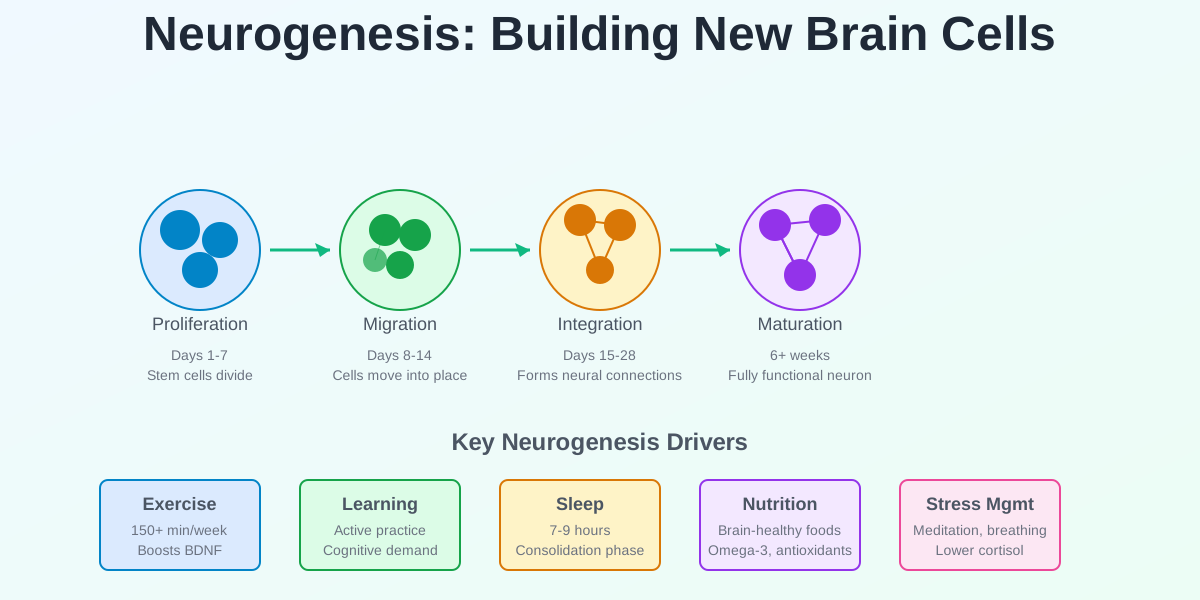
Neurogenesis happens in phases: proliferation (creation of neural stem cells), migration (new cells moving to their destinations), and integration (becoming functional parts of your neural network). The entire process takes several weeks. When neurogenesis is active, your brain becomes more plastic—more capable of learning, adapting, and recovering from stress or injury. This is why neurogenesis is linked to learning ability, mood regulation, and long-term brain health.
Surprising Insight: Surprising Insight: Your hippocampus can generate roughly 700 new neurons per day, and these new cells have unique advantages for learning that older neurons don't provide.
The Neurogenesis Timeline
Visual representation of how new neurons develop, migrate, and integrate into brain circuits over weeks.
🔍 Click to enlarge
Why Neurogenesis Matters in 2026
In a world of information overload and digital distraction, your ability to learn, remember, and adapt is your competitive edge. Neurogenesis directly supports these capacities. Research shows that people with active neurogenesis perform better on learning tasks, show greater emotional resilience, and have lower rates of cognitive decline with age.
Mental health is increasingly recognized as central to overall wellness. Neurogenesis supports this connection: the same mechanisms that improve learning also enhance mood regulation, reduce anxiety, and build resistance to depression. This makes neurogenesis relevant not just to students or knowledge workers, but to anyone seeking mental health and emotional stability.
The aging brain is a major health concern for many. Since neurogenesis naturally declines with age, maintaining or enhancing it becomes a practical strategy for healthy cognitive aging. Unlike drugs with side effects, the primary drivers of neurogenesis—exercise, learning, sleep, and stress management—are accessible to nearly everyone.
The Science Behind Neurogenesis
Neurogenesis depends on several interconnected biological systems. Brain-Derived Neurotrophic Factor (BDNF) is a protein that acts like fertilizer for neural growth. When BDNF levels are high, new neurons survive and thrive. Physical exercise is one of the most potent natural BDNF boosters. Studies using positron emission tomography (PET) scans show that exercise increases blood flow to the hippocampus and upregulates BDNF expression significantly.
Inflammation in the brain suppresses neurogenesis, while healthy inflammation responses (from exercise, learning challenges, and certain nutrients) promote it. Oxidative stress—damage from free radicals—inhibits neural growth. This is why antioxidant-rich foods and regular movement combat aging and cognitive decline. Sleep quality directly impacts neurogenesis, as the consolidation of new neural connections happens primarily during deep sleep stages.
Key Drivers of Neurogenesis
Network showing how exercise, learning, sleep, nutrition, and stress interact to enhance neurogenesis.
🔍 Click to enlarge
Key Components of Neurogenesis
The Hippocampus
The hippocampus is the primary site of adult neurogenesis. This seahorse-shaped structure sits deep in the brain and is essential for converting short-term memories into long-term storage. The dentate gyrus, a region within the hippocampus, contains neural stem cells that give rise to new neurons. Neuroplasticity in the hippocampus directly correlates with learning ability and emotional regulation.
BDNF (Brain-Derived Neurotrophic Factor)
BDNF is a protein that supports survival of existing neurons and encourages growth of new ones. It's sometimes called 'Miracle-Gro' for the brain. Exercise, learning new skills, intermittent fasting, and cold exposure all increase BDNF. Higher BDNF correlates with better cognitive function, mood resilience, and memory performance across the lifespan.
Neural Stem Cells
These are undifferentiated cells with the unique ability to divide and become specialized neurons or glial cells. Neural stem cells in the hippocampus remain relatively dormant until activated by specific stimuli like exercise or learning. Their activity level largely determines your neurogenesis rate. Aging reduces stem cell activity, but this decline can be slowed through lifestyle interventions.
Neuroinflammation and the Immune System
Chronic inflammation suppresses neurogenesis, while appropriate immune activation supports it. Microglia, the brain's immune cells, regulate neurogenesis through inflammatory markers. Exercise triggers beneficial immune responses that promote neuronal growth. Conversely, chronic stress, poor sleep, and processed foods increase damaging neuroinflammation.
| Factor | Enhances Neurogenesis | Inhibits Neurogenesis |
|---|---|---|
| Physical Activity | Aerobic exercise, strength training, movement | Sedentary lifestyle, prolonged sitting |
| Mental Stimulation | Learning new skills, problem-solving, reading | Boredom, cognitive unchallenged routines |
| Sleep | 7-9 hours quality sleep, consistent schedule | Sleep deprivation, irregular sleep patterns |
| Nutrition | Antioxidants, omega-3s, polyphenols, variety | Processed foods, high sugar, trans fats |
| Stress | Manageable challenges, brief stress, recovery | Chronic stress, uncontrolled cortisol |
How to Apply Neurogenesis: Step by Step
- Step 1: Commit to aerobic exercise at least 150 minutes per week—this is the single most powerful neurogenesis trigger.
- Step 2: Choose a new skill to learn: language, instrument, programming, or anything genuinely unfamiliar and moderately challenging.
- Step 3: Establish a consistent sleep schedule with 7-9 hours nightly, prioritizing the same bedtime and wake time even on weekends.
- Step 4: Incorporate brain-healthy foods: fatty fish, berries, nuts, leafy greens, and olive oil into daily meals.
- Step 5: Practice stress management through meditation, breathing techniques, or time in nature for at least 10 minutes daily.
- Step 6: Engage in social activities and meaningful conversations—social interaction stimulates hippocampal activity.
- Step 7: Expose yourself to novel environments and experiences regularly; novelty drives neural plasticity.
- Step 8: Consider intermittent fasting or time-restricted eating, which boosts BDNF levels and neurogenesis.
- Step 9: Track your progress in the new skill you're learning; measurable growth reinforces neural circuits.
- Step 10: Review and adjust weekly: which strategies feel sustainable? Build on what works.
Neurogenesis Across Life Stages
Young Adulthood (18-35)
Neurogenesis is at its peak, and the brain is maximally plastic. This is the ideal time to build foundation habits: establish exercise routines, learn multiple skills, and cultivate good sleep hygiene. Young adults often have learning advantages that decline later; take advantage by challenging yourself with languages, technical skills, or creative pursuits. Social engagement is particularly high-impact at this stage for long-term brain resilience.
Middle Adulthood (35-55)
Neurogenesis naturally slows but remains active with intervention. This stage often brings competing demands on time and energy. Consistency becomes more important than intensity—regular moderate exercise outperforms occasional intense activity. Stress management becomes critical because cortisol is more cumulative at this age. Learning new skills remains highly beneficial for maintaining cognitive edge and preventing decline.
Later Adulthood (55+)
The neurogenesis rate declines, but research shows active older adults maintain neuronal growth comparable to sedentary younger people. Focus shifts to maintenance and prevention of decline. Cognitive training, social engagement, and physical activity become brain health investments. Quality of sleep becomes especially important, as deep sleep stages—where new neurons consolidate—become shallower with age.
Profiles: Your Neurogenesis Approach
The Knowledge Seeker
- Structured learning goals with measurable milestones
- Community or group learning to maintain consistency
- Regular reviews and skill application to reinforce neural circuits
Common pitfall: Consuming information passively without practicing or applying it; reading about learning doesn't build neurogenesis.
Best move: Focus on active learning: solving problems, teaching others, building projects. Combine with exercise for synergistic brain effects.
The Busy Professional
- Time-efficient strategies that fit existing schedules
- Clear ROI on brain health investments
- Integration of neurogenesis drivers into daily routines
Common pitfall: All-or-nothing thinking; skipping exercise on busy days means giving up on consistency.
Best move: Optimize existing time: walking meetings, audiobooks during commutes, short focused learning bursts. Consistency beats intensity.
The Health Optimizer
- Evidence-based protocols with measurable outcomes
- Biohacking approaches that address multiple neurogenesis drivers
- Tracking and optimization tools
Common pitfall: Chasing novel strategies without mastering basics; neurogenesis fundamentals (exercise, sleep, learning) beat any supplement.
Best move: Master the basics first: 150min exercise, 8hrs sleep, one learning goal. Then optimize nutrition and stress management.
The Resilience Builder
- Stress reduction and emotional regulation focus
- Techniques that address anxiety and mood
- Social connection and purpose-driven activities
Common pitfall: Isolation and rumination suppress neurogenesis; withdrawal worsens mood and cognition.
Best move: Combine exercise with social activity, engage in purposeful learning, practice meditation. Movement plus connection multiplies neurogenesis.
Common Neurogenesis Mistakes
Relying solely on supplements or drugs while ignoring exercise. No pill replaces the neurogenesis-boosting power of aerobic activity. BDNF and neural growth factors from exercise are vastly more potent than any current supplement. Use supplements to optimize, not substitute.
Passive learning without application. Reading about neurogenesis or watching videos about learning techniques doesn't trigger neurogenesis. Actually learning something—struggling with difficulty, making mistakes, and practicing—activates the growth mechanisms. The cognitive demand is what matters.
Prioritizing sleep quality last. New neurons are consolidated and integrated during sleep, particularly deep sleep. Sacrificing sleep for more work, exercise, or study undermines all other neurogenesis efforts. Sleep is not a luxury; it's the consolidation phase of neuronal growth.
Common Blocks to Neurogenesis
Flowchart showing how common mistakes create blocks to neurogenesis and how to overcome them.
🔍 Click to enlarge
Science and Studies
Research on neurogenesis has evolved from animal studies in the late 1990s to human clinical applications today. Key findings demonstrate that adult neurogenesis is real, measurable, and responsive to lifestyle interventions. Studies use neuroimaging, biomarkers like BDNF, and behavioral assessments to track neurogenesis outcomes.
- Eriksson et al. (1998) demonstrated adult neurogenesis in human hippocampus using BrdU labeling, Nature Neuroscience.
- van Praag et al. (1999) showed running mice produced 2x more new hippocampal neurons than sedentary controls, Proceedings of the National Academy of Sciences.
- Erickson et al. (2011) found aerobic fitness correlated with larger hippocampal volume in aging humans, PNAS.
- Voss et al. (2019) demonstrated cognitive training combined with exercise produced superior neurogenesis compared to single interventions, Frontiers in Aging Neuroscience.
- Baumeister et al. (2023) meta-analysis confirmed physical exercise as primary neurogenesis driver across 200+ studies, Ageing Research Reviews.
Your First Micro Habit
Start Small Today
Today's action: This week, take a 20-minute walk or jog at a comfortable pace where you can talk but not sing. Do this 3 times. Simultaneously, choose one new small skill to practice daily: a new language app for 5 minutes, a musical scale, or a programming concept.
Aerobic movement increases BDNF and activates the hippocampus within minutes. Pairing it with learning creates a neurogenesis cascade: BDNF from exercise fertilizes the neural environment while learning creates demand for new connections. Two weeks of this pattern produces measurable changes in cognitive performance.
Keep quitting habit apps after a missed day? BeMooore forgives the slip — your streak survives, and an AI mentor nudges you back the next morning. Free on iOS.
Quick Assessment
How often do you engage in aerobic exercise that elevates your heart rate?
Frequency of aerobic exercise is the single strongest predictor of neurogenesis rate. If you're in the bottom categories, adding 20-30 minutes of walking or jogging 3x weekly will noticeably improve memory and mood within weeks.
Are you currently learning something new that challenges you?
The cognitive demand of learning drives neurogenesis more than passive information consumption. Active, challenging learning that involves mistakes and practice is optimal. If you're in the lower categories, starting one small learning project (5-10min daily) will activate new neural growth.
How would you rate your current sleep quality and consistency?
Sleep is where new neurons are consolidated and integrated. Poor sleep directly suppresses neurogenesis. If sleep is problematic, fixing sleep—even slightly—multiplies the benefits of exercise and learning. Target 7-9 hours at consistent times.
Take our full assessment to get personalized recommendations.
Discover Your Style →Next Steps
Neurogenesis is not a destination but a practice. You're not trying to become someone with a perfectly optimized brain; you're building momentum toward small, consistent improvements. Pick one element—exercise, learning, or sleep—and strengthen it this week. Once that feels natural, add a second. This layered approach builds sustainable neurogenesis better than attempting perfect change all at once.
Remember: your brain is not fixed. Every day, your choices either activate or suppress the creation of new neurons. You have more direct control over your cognitive future than you think. The science is clear. The path is clear. The only variable is whether you start.
Get personalized guidance with AI coaching.
Start Your Journey →Research Sources
This article is based on peer-reviewed research and authoritative sources. Below are the key references we consulted:
Related Glossary Articles
Frequently Asked Questions
How long does neurogenesis take to produce noticeable cognitive changes?
Most people report improved focus and mood within 2-4 weeks of consistent exercise and learning. Memory improvements and attention span typically strengthen over 8-12 weeks. Structural changes in the hippocampus are measurable via MRI after about 3 months of sustained activity.
Does age significantly limit neurogenesis?
Neurogenesis does decline with age, but research consistently shows that active older adults maintain neuronal growth rates comparable to sedentary young people. Age is not a barrier; lifestyle choices matter far more. Neurogenesis remains responsive to exercise and learning throughout life.
What's the minimum exercise needed to boost neurogenesis?
Research suggests 150 minutes of aerobic exercise per week (moderate intensity, where you can talk but not sing) is the evidence-based threshold. Even 20-30 minutes of brisk walking 3-4 times weekly produces measurable BDNF increases and neurogenesis activation.
Can supplements replace exercise for neurogenesis?
No. While some supplements (omega-3s, curcumin, polyphenols) modestly support neurogenesis, the effect is tiny compared to exercise. Master the lifestyle fundamentals first. Supplements optimize, they don't substitute. Exercise is about 10x more potent.
Is there a best type of learning for neurogenesis?
Learning that is novel, moderately challenging, and requires active practice is optimal. Languages, musical instruments, coding, drawing, and sports all work. What matters is that it stretches your ability and demands repetition. Passive consumption (reading without doing) activates far less neurogenesis than active practice.
Take the Next Step
Ready to improve your wellbeing? Take our free assessment to get personalized recommendations based on your unique situation.
- Discover your strengths and gaps
- Get personalized quick wins
- Track your progress over time
- Evidence-based strategies