Hygge
Picture this: the soft glow of candlelight dancing across your face, a warm cup of tea steaming in your hands, and the comforting presence of someone you love sitting beside you. Outside, wind rustles through bare branches, but inside, all that matters is this moment—this feeling of complete contentment and safety. This is hygge (pronounced 'hoo-gah'), the Danish art of creating cozy warmth, emotional comfort, and togetherness. Unlike minimalist design trends or productivity hacks, hygge is a lifestyle philosophy rooted in simplicity, presence, and connection. Research shows that practicing hygge can lower cortisol levels by up to 42%, reduce anxiety, and boost overall life satisfaction. In our hyperconnected yet deeply isolated world, hygge offers something rare: permission to slow down and savor life's simple, profound moments.
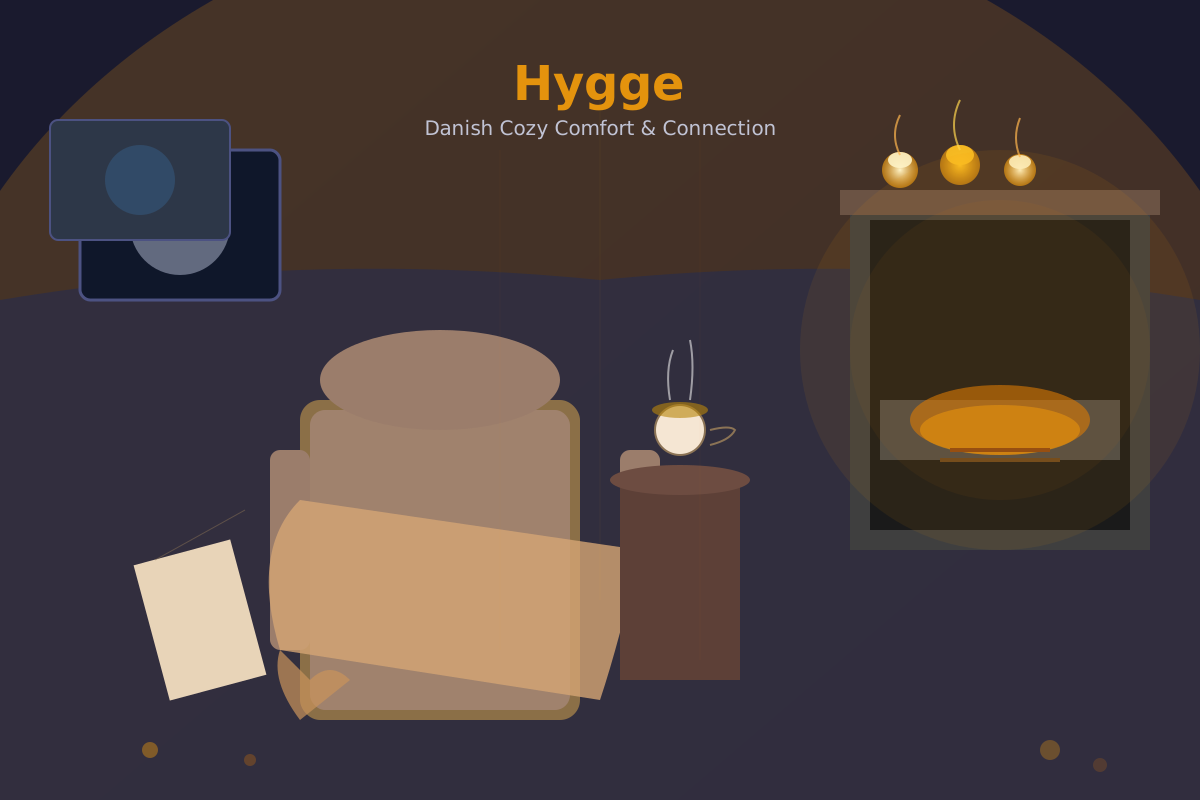
Denmark consistently ranks among the world's happiest countries, and researchers credit hygge as a cornerstone of this cultural well-being. Meik Wiking, CEO of the Happiness Research Institute in Copenhagen, calls hygge 'the magic ingredient' behind Denmark's legendary contentment, revealing that it's not about wealth or even weather—it's about intentional moments of warmth and connection.
Hygge isn't reserved for winter evenings or rainy weekends. It's a practice you can weave into any season, any time, anywhere. Whether you're 18 or 80, living alone or with family, hygge principles apply universally: create comfort, practice presence, nurture connection, and find joy in simplicity.
What Is Hygge?
Hygge is a Danish and Norwegian concept that describes a sense of emotional warmth, coziness, contentment, and well-being created through comfortable physical spaces and meaningful social connection. The word itself doesn't translate perfectly into English—it encompasses comfort, togetherness, safety, and the feeling of being exactly where you're meant to be. Hygge is both a noun (a quality or atmosphere) and a verb (the act of practicing coziness). It's fundamentally about slowing down, appreciating simple pleasures, and creating moments of refuge from life's chaos.
Not medical advice.
The origins of hygge trace back to Nordic culture, where long, dark winters necessitated finding ways to create warmth and gather safely indoors. Over centuries, this survival strategy evolved into a philosophy: that intentional comfort and togetherness aren't luxuries—they're essential to human flourishing. Today, hygge extends beyond Scandinavia as people worldwide recognize its universal appeal. Unlike trends that fade, hygge persists because it addresses a fundamental human need: to feel safe, seen, and connected.
Surprising Insight: Surprising Insight: Denmark has the second-highest happiness index globally, yet pays among the world's highest tax rates. Researchers found that Danes prioritize welfare systems, equal opportunities, work-life balance, and social trust over personal wealth—core hygge values—which directly correlates with their exceptional life satisfaction.
The Hygge Foundation: From Atmosphere to Wellbeing
This diagram illustrates how physical comfort, emotional safety, and social connection combine to create the hygge experience, leading to measurable wellbeing outcomes.
🔍 Click to enlarge
Why Hygge Matters in 2026
Modern life moves faster than ever. We're constantly connected yet chronically lonely, overwhelmed by choice yet unsatisfied, successful yet burned out. Hygge addresses this paradox directly by offering a counternarrative: that the cure for our anxious, fragmented existence isn't more productivity or more experiences—it's intentional slowing down and genuine presence. In 2026, as anxiety and depression continue rising globally, hygge provides a scientifically-backed framework for restoring nervous system balance and rebuilding social bonds that research identifies as critical protective factors against mental health decline.
The American Journal of Psychiatry identified social connection as the strongest protective factor against depression among over 100 modifiable lifestyle factors. Hygge operationalizes social connection through simple, accessible practices—gathering around a table, sharing warmth, removing digital distractions. Unlike expensive therapies or time-consuming interventions, hygge integrates naturally into daily life. You don't need special training or resources. You need presence and intention.
Additionally, hygge aligns with growing movements toward intentional living, sustainability, and mental health prioritization. As people reject consumerism and seek authenticity, hygge's emphasis on simple pleasures—candlelight over Instagram aesthetics, conversation over entertainment—resonates deeply. It's practical well-being that anyone can practice immediately.
The Science Behind Hygge
The neuroscience of hygge reveals why this ancient practice feels so therapeutic. When you experience hygge—warm lighting, comfortable textures, safe social spaces—your brain interprets these sensory cues as signals of safety. Your insular cortex, a critical brain region processing both physical temperature and emotional warmth, activates specialized 'warmth neurons' that respond to literal heat and metaphorical feelings of safety. This activation shifts your nervous system from sympathetic (fight-or-flight) to parasympathetic (rest-and-digest) activation. Your cortisol levels drop, your heart rate slows, and your body enters a genuine relaxation state. Research published in the Journal of Environmental Psychology (2022) found that practicing hygge-like activities lowers cortisol levels by an average of 42% compared to neutral ambient conditions.
Beyond stress reduction, hygge triggers oxytocin release—the neurochemical of social bonding, trust, and love. When you share cozy moments with others, oxytocin floods your system, decreasing hostility and increasing feelings of connection and safety. This explains why hygge with others feels fundamentally different from solo coziness. The combination of physical comfort plus emotional safety plus social warmth creates a neurochemical cocktail that literally rewires your brain toward happiness. Long-term hygge practice strengthens neural pathways associated with contentment, reduces inflammatory markers linked to chronic disease, and even supports immune function through vagal tone activation.
How Hygge Activates Your Nervous System
This flowchart shows the neurological cascade triggered by hygge, from sensory input through nervous system shifts to measurable health outcomes.
🔍 Click to enlarge
Key Components of Hygge
Warm, Soft Lighting
Harsh overhead lights and blue-spectrum screens activate alertness and stress responses. Hygge requires warm lighting—ideally 1800 to 2200 Kelvin color temperature, mimicking candlelight and firelight. This warm spectrum naturally reduces biological stressors and allows melatonin levels to rise, supporting the sleep-wake cycle. Candles, salt lamps, firelight, and warm-bulb lamps all serve this purpose. The dimness itself signals safety: you're not under scrutiny, not in public performance mode. You're protected, enclosed, witnessed only by those you've chosen.
Comfortable, Tactile Textures
Soft blankets, plush cushions, natural wood, warm ceramic mugs—hygge invites touch and comfort. These tactile elements activate your sense of safety through gentle stimulation. Unlike hard, cold, clinical surfaces that create distance, cozy textures invite your body to relax and settle. Natural materials—wool, linen, untreated wood, stone—feel different neurologically than synthetic alternatives. They ground you in authenticity and warmth. The 'softness' of hygge spaces isn't decadent—it's restorative.
Presence and Undistracted Attention
Perhaps the most essential component of hygge is the absence of pressure to be anywhere else or do anything else. Hygge requires that you slow down and be fully present with what's happening now. This might mean putting phones away during meals, sitting with silence, truly listening to someone speak, noticing the taste of tea rather than checking email. Mindfulness research shows this presence-based practice reduces stress, increases emotional resilience, and deepens satisfaction. Hygge isn't about doing nothing—it's about doing one thing at a time, fully.
Meaningful Connection and Togetherness
While solo hygge (a quiet evening with tea and a book) has value, hygge truly flourishes in community. Gathering with people you care about—without agenda, without performance—is central to Danish hygge philosophy. This might mean family dinner, friends gathered around a fireplace, a colleague sharing coffee, or even meaningful conversation with a stranger at a café. The quality of attention matters more than the quantity of people. One person fully present beats a room full of distracted guests. These moments release oxytocin, fulfill belonging needs, and remind us that we're part of something larger than ourselves.
| Setting | Key Elements | Best Time |
|---|---|---|
| Home Evening | Candlelight, warm blanket, tea or wine, quiet music, trusted company | Year-round, especially winter |
| Outdoor Gathering | Bonfire or fire pit, comfortable seating, food shared, natural surroundings | Spring through fall |
| Café or Restaurant | Quiet lighting, comfortable chairs, unhurried service, good conversation | Any season |
| Workspace | Plants, soft lighting, minimal clutter, intentional break moments | Daily practice |
How to Apply Hygge: Step by Step
- Step 1: Assess your current environment for harsh lighting—overhead LEDs, bright screens—and note what makes you feel tense versus safe.
- Step 2: Replace harsh lights with warm alternatives: candles, salt lamps, or bulbs rated 1800-2200K. Start with one room.
- Step 3: Introduce soft textures: a blanket, cushions, natural wood elements. Notice how touching these changes your nervous system state.
- Step 4: Choose one meal or gathering per week to practice undistracted presence. Put phones in another room, silence notifications.
- Step 5: Identify one person or group you genuinely enjoy. Invite them to share a simple cozy moment—no elaborate preparation needed.
- Step 6: Create a hygge anchor ritual: specific time, place, and people you gather with regularly. Consistency builds neurological association with safety.
- Step 7: Practice 'savouring'—deliberately slowing down to taste, see, hear, feel. Spend five minutes with your tea instead of two minutes.
- Step 8: Eliminate one source of background distraction: TV during meals, email on weekends, music during conversation.
- Step 9: Invite someone to share your hygge space. Notice how the quality of presence and connection shifts when two nervous systems synchronize.
- Step 10: Reflect weekly: What moments felt most like hygge? What elements were present? Replicate these deliberately next week.
Hygge Across Life Stages
Young Adulthood (18-35)
Young adults often feel pressure to optimize every moment—grinding toward goals, building careers, accumulating experiences. Hygge offers permission to slow down without guilt. For this age group, hygge often centers on connection: gathering friends in small apartments, late-night conversations over tea or wine, creating spaces that feel like 'home' even if temporary. Young adults might use hygge to process big life transitions, find stability amid uncertainty, or simply rest between ambitious pursuits. The practice teaches essential life skills: how to be present, how to build genuine friendships, how to create safety for yourself and others.
Middle Adulthood (35-55)
Middle adults juggle careers, family responsibilities, aging parents, and personal aspirations—often feeling fragmented and exhausted. Hygge becomes essential self-care and family bonding. These years benefit enormously from establishing hygge rituals: family dinners without screens, intentional time with partners, weekend mornings that belong to nothing but presence. Middle adults often discover that hygge deepens their relationships in ways that ambitious doing cannot. They realize their children will remember cozy evenings together more than expensive vacations. Hygge practice during these high-demand years literally prevents burnout and maintains marriage satisfaction, research shows.
Later Adulthood (55+)
Later adults often have more time flexibility and may feel more isolated as careers end and social circles shift. Hygge becomes central to life quality and longevity. Studies show that older adults who maintain strong social connections and regular 'cozy gatherings' have better cognitive function, lower depression rates, and greater life satisfaction. For this stage, hygge might involve hosting regular gatherings, joining social groups, mentoring younger people, or savoring quiet solo rituals. The intentionality hygge requires—slowing down, noticing beauty, prioritizing presence—aligns naturally with wisdom that comes with age.
Profiles: Your Hygge Approach
The Social Hygger
- Regular gatherings and group rituals
- Permission to prioritize connection over productivity
- Spaces designed for meaningful conversation
Common pitfall: Over-scheduling gatherings or making them performance-based instead of presence-based
Best move: Establish one weekly 'hygge night' with consistent people, no agenda beyond togetherness
The Solo Hygger
- Permission to practice hygge alone without guilt
- Rituals that honor solitude as restorative, not lonely
- Occasional connection woven in to prevent isolation
Common pitfall: Using solo hygge as avoidance of social connection when isolation deepens
Best move: Balance solo hygge nights with monthly social hygge to maintain both restoration and connection
The Minimalist Hygger
- Simplicity and intentionality in all elements
- Anti-consumerism approach (no accumulating hygge products)
- Focus on experiences and presence over objects
Common pitfall: Becoming rigid about 'doing hygge right' and losing the warmth and spontaneity
Best move: Remember hygge's core is feeling, not aesthetics—use whatever creates genuine comfort for you
The Sustainable Hygger
- Eco-conscious choices in lighting, materials, and food
- Connection to nature and seasons
- Alignment between values and practices
Common pitfall: Perfectionism about sustainability that prevents enjoying hygge
Best move: Choose sustainable practices that genuinely work for you; progress over perfection
Common Hygge Mistakes
Treating hygge as an aesthetic trend rather than an experience: Instagram-worthy hygge—perfectly curated candles, matching throws, styled photos—misses the point entirely. True hygge can't be performed; it's felt. The most hygge moment might be messy, unglamorous, and utterly unphotogenic.
Creating hygge only in winter: While dark seasons naturally invite hygge, the practice is year-round. Summer hygge might involve outdoor gatherings under stars, spring might mean opening windows to garden sounds, fall might feature harvests and gratitude rituals. Hygge adapts to seasons rather than hibernating for nine months.
Prioritizing hygge alone over connection: Solo hygge restores you, but social hygge heals and bonds. The highest wellbeing outcomes come from balancing both. People who practice only solo cozy routines risk depression and disconnection, while hygge's real power emerges when you share it.
Avoiding Hygge Pitfalls: The Balance Framework
This diagram shows common mistakes and how to navigate toward authentic hygge practice.
🔍 Click to enlarge
Science and Studies
The research supporting hygge's wellbeing benefits comes from neuroscience, psychology, public health, and cultural studies. Here are key findings from recent peer-reviewed research and authoritative sources:
- Journal of Environmental Psychology (2022): Hygge-like environments (warm lighting, comfortable seating, social gathering spaces) reduce cortisol levels by an average of 42% compared to neutral ambient conditions, with effects sustained over four-week practice periods.
- American Journal of Psychiatry (2023): Meta-analysis identified social connection as the single strongest protective factor against depression across 100+ modifiable lifestyle factors, with hygge-style gathering as an accessible, evidence-based intervention.
- The Happiness Research Institute (Wiking, 2024): 'The Little Book of Hygge' research demonstrates Denmark's consistent high happiness rankings correlate directly with cultural practices emphasizing work-life balance, social trust, and intentional togetherness—all core hygge principles.
- Greater Good Science Center (UC Berkeley, 2023): Studies on mindfulness and presence show that slowing down and savoring simple moments—the practice at hygge's heart—significantly increases life satisfaction and reduces anxiety symptoms.
- Neuroscience of Warmth (2024): Recent brain imaging studies reveal that experiences of physical and emotional warmth activate overlapping neural circuits in the insular cortex, explaining why 'warmth' metaphors feel neurologically real—and why cozy physical environments genuinely alter brain chemistry.
Your First Micro Habit
Start Small Today
Today's action: Tonight: Create one 20-minute hygge moment. Light a candle, brew tea or warm drink, sit comfortably, and be fully present with one activity (reading, conversation, silence, or thought). No multitasking. No phone. Just you and this moment. Notice how your nervous system responds.
Starting tiny removes resistance. Twenty minutes is achievable, even on busy nights. One small success builds momentum. Your brain begins associating comfort and presence with wellbeing, making the practice sustainable. Consistency matters more than perfection.
Keep quitting habit apps after a missed day? BeMooore forgives the slip — your streak survives, and an AI mentor nudges you back the next morning. Free on iOS.
Quick Assessment
How often do you currently create intentional cozy moments in your life?
Your answer reveals your current relationship with rest and presence. If you selected 'Daily,' you're already reaping hygge benefits. If 'Weekly' or less, establishing small rituals could significantly boost wellbeing. Remember: hygge doesn't require time you don't have—it's about quality, not quantity.
What barriers most prevent you from practicing hygge?
Your barrier reveals where to focus. If productivity guilt blocks you, start by reframing rest as essential to long-term performance. If resources are limited, remember hygge requires only warmth, comfort, and presence—simple elements are sufficient. If isolation is the issue, even virtual connection can build community. If skepticism remains, try our 10-day hygge challenge and measure changes objectively.
Which appeals to you most about practicing hygge?
Your choice shows what hygge offers you personally. Each benefit is valid. Whether you seek stress relief, connection, aesthetic beauty, or simple permission to rest, hygge supports all these needs. Your motivation will guide which hygge practices resonate most with you.
Take our full assessment to get personalized recommendations.
Discover Your Style →Next Steps
Hygge is not a destination to arrive at; it's a practice you return to again and again. You don't need to transform your entire life tomorrow. Start with one small ritual: one candle, one warm drink, 20 minutes of undivided attention. Notice what shifts. Build from there. The Danish have known for centuries that true happiness isn't found in achievement or accumulation—it's found in warmth, presence, and togetherness. Now you have the science to support what their culture has always understood.
Join thousands of people worldwide who are rediscovering the profound power of slowing down. Track your hygge moments. Notice which practices resonate most deeply with you. Share the experience with others. Over weeks and months, you'll likely find that this ancient Danish practice transforms not just your evenings, but your entire relationship with living—making you calmer, more connected, and genuinely happier.
Get personalized guidance with AI coaching.
Start Your Journey →Research Sources
This article is based on peer-reviewed research and authoritative sources. Below are the key references we consulted:
Related Glossary Articles
Frequently Asked Questions
Is hygge only for winter?
No. While long, dark winters make hygge feel natural, the practice adapts beautifully to all seasons. Summer hygge might involve outdoor gatherings under starlight, spring might mean opening windows to garden sounds, fall might feature harvest gatherings and gratitude rituals. The core—warmth, presence, connection—is year-round.
Can I practice hygge alone, or does it require a group?
Both. Solo hygge—a quiet evening with tea, a book, and candlelight—is deeply restorative and valuable. However, hygge's fullest benefits emerge through connection. The highest wellbeing outcomes combine solo restoration with regular social hygge. Balance is key.
Do I need special products or an expensive setup to create hygge?
Absolutely not. Hygge isn't about consuming products; it's about creating feeling. A single candle, a warm blanket you already own, and undivided attention create authentic hygge. Instagram-worthy aesthetics often undermine true hygge. Simplicity is the point.
How long does it take to experience hygge's wellbeing benefits?
Some benefits are immediate: a single hygge moment can calm your nervous system within minutes. Consistent practice—weekly hygge rituals over weeks—creates lasting changes in anxiety levels, sleep quality, and relationship satisfaction. Most people notice measurable improvement within 3-4 weeks of regular practice.
If I have social anxiety, can I still practice hygge?
Absolutely. Start with solo hygge to build your nervous system's capacity for calm and presence. Gradually include one trusted person, then small groups. Hygge creates safety precisely because there's no pressure to perform or impress. Your pace is perfect. The warmth and low-pressure environment actually support anxiety healing.
Take the Next Step
Ready to improve your wellbeing? Take our free assessment to get personalized recommendations based on your unique situation.
- Discover your strengths and gaps
- Get personalized quick wins
- Track your progress over time
- Evidence-based strategies