Hormone Balance
Your hormones are silent messengers working 24/7 to regulate everything from your energy and mood to your metabolism and sleep. When these chemical messengers fall out of sync, you might feel exhausted, anxious, gain weight unexpectedly, or experience mood swings. The good news: understanding your hormonal system empowers you to make choices that bring balance back—naturally, sustainably, and in ways that fit your life.
Hormone balance isn't about perfection. It's about creating conditions where your body can thrive by supporting the delicate interplay of your endocrine glands.
In this guide, you'll discover how your hormone system works, what throws it off balance, and practical steps to restore harmony—backed by recent NIH research and functional health science.
What Is Hormone Balance?
Hormone balance refers to the optimal functioning of your endocrine system—a network of glands that produce chemical messengers called hormones. These hormones regulate growth, metabolism, reproduction, mood, immune function, and stress response. When hormones are in balance, your body operates efficiently. When they're imbalanced, you experience symptoms ranging from fatigue and weight gain to anxiety and sleep disruption.
Not medical advice.
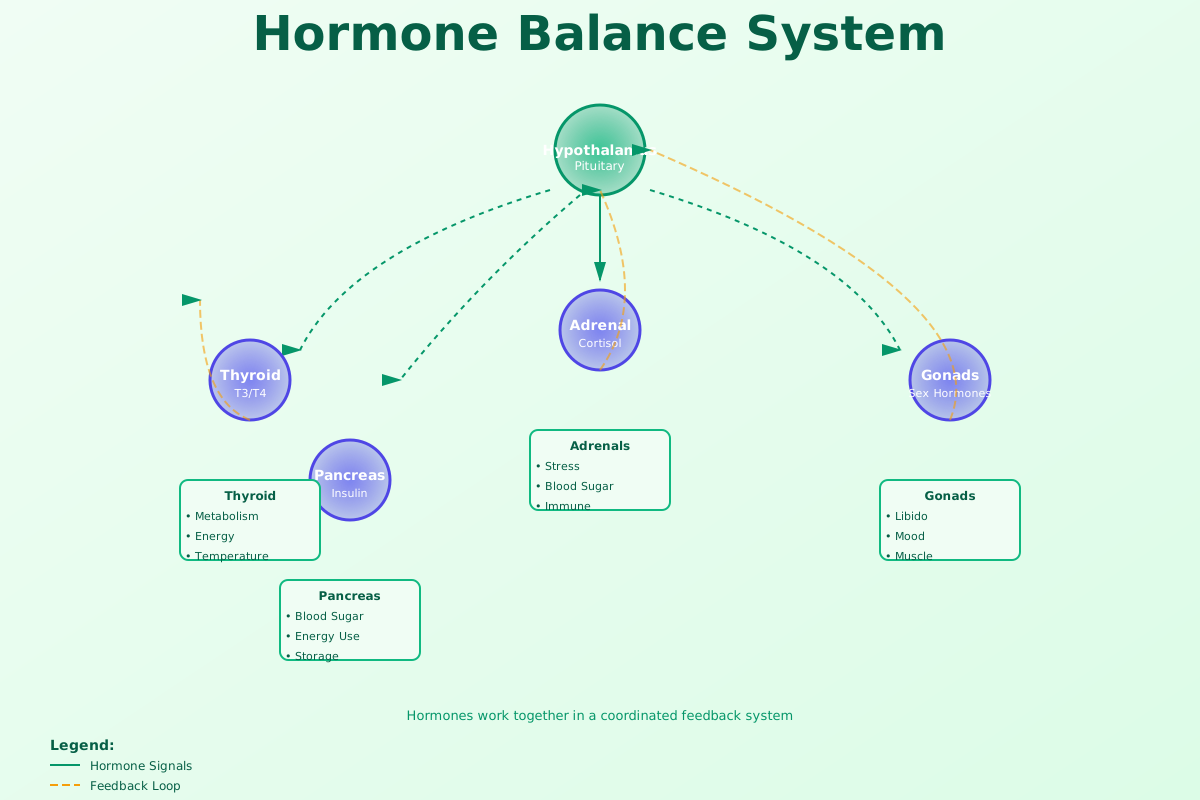
The endocrine system includes the pituitary gland (your master controller), thyroid, adrenal glands, pancreas, ovaries or testes, and parathyroid glands. These organs work together through a sophisticated feedback system, adjusting hormone production based on your body's needs. Modern stress, poor sleep, nutritional deficiencies, and environmental factors can disrupt this balance, leading to hormonal dysregulation.
Surprising Insight: Surprising Insight: Chronic stress alone can reduce cortisol production over time, shifting your body from a 'stress-responsive' state to an 'exhausted' state—even when the stressor remains.
The Endocrine Gland Network
Shows major glands and their hormones in a hierarchical feedback system
🔍 Click to enlarge
Why Hormone Balance Matters in 2026
In 2026, we face unprecedented hormonal stressors: constant digital stimulation disrupts circadian rhythms, processed foods lack micronutrients needed for hormone synthesis, and chronic stress keeps cortisol elevated. The World Health Organization and NIH research show that hormonal imbalances underlie 30-40% of modern chronic health conditions, from metabolic syndrome to depression.
Women's Health Initiative findings (2025) demonstrate that hormonal wellness requires proactive lifestyle management—medication alone isn't sufficient. People are increasingly seeking functional approaches that address root causes rather than treating symptoms.
Investing in hormone balance now prevents cascading health issues, improves quality of life, enhances mental clarity, and builds resilience for aging gracefully. It's foundational to every other wellness goal you pursue.
The Science Behind Hormone Balance
Your endocrine system operates through negative feedback loops. When hormone levels rise, signals travel back to shut down production. When levels drop, production increases. This homeostatic system keeps everything in a goldilocks zone—not too much, not too little. Disruptions occur when stressors overwhelm this feedback mechanism, leading to sustained elevation (stress hormones) or depletion (exhaustion) of key hormones.
Research from Johns Hopkins Medicine shows that the hypothalamic-pituitary-adrenal (HPA) axis acts as your master control center. The hypothalamus releases CRH (corticotropin-releasing hormone), which signals the pituitary to release ACTH (adrenocorticotropic hormone), which in turn triggers the adrenal glands to release cortisol. This 'stress hormone' prepares your body for action but should return to baseline after the stressor passes. Chronic stress prevents this recovery, keeping cortisol perpetually elevated and disrupting downstream hormonal cascades.
How Chronic Stress Disrupts Hormone Balance
Timeline showing normal cortisol rhythm vs chronic stress pattern
🔍 Click to enlarge
Key Components of Hormone Balance
Cortisol and Stress Hormones
Cortisol is your body's primary stress hormone, produced by the adrenal glands. It increases heart rate, blood pressure, and glucose availability to help you 'fight or flee.' In healthy amounts, cortisol follows a circadian rhythm—high in the morning to wake you up, declining throughout the day to allow sleep. Chronic elevated cortisol from stress, poor sleep, or over-exercise suppresses immune function, increases belly fat accumulation, impairs memory, and dysregulates blood sugar.
Thyroid Hormones (T3 and T4)
Your thyroid produces T4 (thyroxine) and T3 (triiodothyronine), which regulate your metabolic rate, body temperature, and energy production. The pituitary gland monitors thyroid levels and releases TSH (thyroid-stimulating hormone) to maintain balance. When thyroid function declines, metabolism slows, leading to weight gain, fatigue, and cold sensitivity. Thyroid balance depends on adequate iodine, selenium, and zinc—micronutrients that improve with targeted nutrition.
Sex Hormones (Estrogen, Progesterone, Testosterone)
Sex hormones influence mood, libido, bone density, muscle mass, and metabolism. Estrogen supports bone health and cardiovascular function in women; testosterone drives muscle growth and energy in all genders. Progesterone promotes calm and sleep. As people age or experience stress, sex hormone production declines, contributing to fatigue, mood changes, and metabolic slowdown. Balance requires adequate sleep, stress management, and strength training.
Insulin and Blood Sugar Regulation
The pancreas produces insulin to manage blood glucose. Chronic elevated blood sugar from processed foods and sedentary living leads to insulin resistance, where cells become less responsive to insulin signals. This disrupts every downstream hormone system and accelerates aging. Restoring insulin sensitivity through movement, quality sleep, and whole foods is foundational to hormone balance.
| Hormone | Source Gland | Primary Functions |
|---|---|---|
| Cortisol | Adrenal Cortex | Stress response, immune modulation, blood glucose regulation |
| Insulin | Pancreas | Blood glucose uptake, energy storage, metabolism |
| Thyroid (T3/T4) | Thyroid | Metabolic rate, temperature, energy production |
| Estrogen | Ovaries/Adipose | Bone health, mood, cardiovascular function, libido |
| Testosterone | Testes/Adrenals | Muscle growth, libido, confidence, bone density |
| Progesterone | Ovaries/Corpus Luteum | Sleep promotion, mood stability, cycle regulation |
| Melatonin | Pineal Gland | Sleep-wake cycles, antioxidant protection |
How to Apply Hormone Balance: Step by Step
- Step 1: Track your symptoms: For two weeks, note energy levels, mood, sleep quality, digestion, and cravings in a journal or app. Look for patterns tied to specific times of day or cycle phases.
- Step 2: Establish a consistent sleep schedule: Go to bed and wake at the same time daily, even weekends. This stabilizes cortisol and melatonin rhythms. Aim for 7-9 hours. Darkness supports melatonin production.
- Step 3: Reduce processed foods and added sugars: Replace ultra-processed items with whole foods—vegetables, fruits, legumes, nuts, fish. Stable blood sugar supports insulin and reduces hormonal stress.
- Step 4: Add strength training 2-3 times weekly: Muscle tissue is metabolically active and improves insulin sensitivity. Even 20 minutes of resistance work supports hormone balance.
- Step 5: Practice stress reduction daily: Choose one technique—meditation, breathwork, nature walks, or yoga—and do it for 10-20 minutes daily. This brings cortisol back into healthy rhythm.
- Step 6: Support your gut health: Eat fermented foods, fiber-rich vegetables, and omega-3 sources. A healthy microbiome helps process and recycle hormones efficiently.
- Step 7: Limit caffeine after 2pm: Caffeine activates the HPA axis, elevating cortisol. This disrupts evening melatonin production and sleep quality.
- Step 8: Get morning sunlight exposure: 10-15 minutes of sunlight within one hour of waking sets your circadian rhythm, supporting cortisol and melatonin timing.
- Step 9: Consider nutrient testing: Work with a healthcare provider to test vitamin D, B vitamins, magnesium, and iron—all critical for hormone production.
- Step 10: Reassess monthly: After 30 days, review your symptom journal. What improved? What still needs attention? Adjust one variable at a time to identify what works for your body.
Hormone Balance Across Life Stages
Young Adulthood (18-35)
During young adulthood, hormone production is typically robust, but habits set now ripple across your lifetime. High stress from career and relationships can elevate cortisol, while poor sleep and excessive caffeine disrupt sleep hormones. Building strong foundational habits—regular exercise, consistent sleep, stress management, and whole-food nutrition—prevents hormonal dysregulation later and optimizes energy, mood, and reproductive health.
Middle Adulthood (35-55)
In middle adulthood, hormone production begins declining naturally. Women often experience fluctuations as perimenopause approaches, while testosterone gently declines in men. This is when lifestyle factors become increasingly powerful. Sleep becomes harder, metabolism slows, and stress recovery takes longer. Prioritizing sleep, strength training, stress reduction, and nutrient density becomes essential to maintain energy, mental clarity, and metabolic health through this transition.
Later Adulthood (55+)
After 55, hormone production naturally declines further. Menopause and andropause shift the hormonal landscape significantly. The priority shifts to maintaining muscle mass through strength training, preserving bone density through adequate protein and calcium, and managing cortisol through gentle movement and stress reduction. Sleep often becomes more challenging; addressing sleep hygiene becomes protective for cognitive health and longevity.
Profiles: Your Hormone Balance Approach
The Stressed Professional
- Cortisol management through daily stress-reduction practice
- Sleep recovery prioritized over ambitious work goals
- Structured break times to allow parasympathetic nervous system activation
Common pitfall: Pushing through fatigue with caffeine, believing willpower overcomes biological needs
Best move: Set a hard stop time for work, practice 10-minute daily breathwork, replace afternoon coffee with herbal tea or water
The Irregular Eater
- Stabilized blood sugar through regular, balanced meals
- Adequate protein and healthy fats to sustain energy between meals
- Consistent meal timing to regulate insulin and cortisol
Common pitfall: Skipping meals to 'save calories,' then overeating when blood sugar crashes, cycling stress hormones
Best move: Prepare 3 balanced meals plus 1-2 snacks daily; include protein, fiber, and healthy fat in each
The Underspent Mover
- Regular strength training to improve insulin sensitivity
- Movement variety to prevent plateau and keep hormonal adaptations fresh
- Adequate rest days to avoid cortisol elevation from overtraining
Common pitfall: Excessive cardio without strength training, leaving hormonal balance incomplete
Best move: Add 2-3 sessions of resistance training weekly; reduce excessive cardio to 2-3 sessions; include flexibility work
The Night Owl Circadian Mismatch
- Realistic sleep schedule aligned with natural wake time, even if not 'early'
- Evening light reduction to support melatonin production
- Consistent wake time to anchor circadian rhythm, even with late sleep
Common pitfall: Fighting natural tendencies and forcing an incompatible schedule, creating perpetual stress
Best move: Work with your tendency; prioritize consistent sleep window; use blue light blockers; get morning light within first hour after waking
Common Hormone Balance Mistakes
One common mistake is expecting overnight results. Hormone balance is a 30-90 day process. Your hormones took time to fall out of sync; they need time to restabilize. Another is trying to change everything at once—sleep, diet, exercise, stress all simultaneously. This triggers additional stress and cortisol elevation. Instead, change one variable for two weeks, then add another.
A third mistake is relying solely on supplements without addressing lifestyle. No supplement can override poor sleep, chronic stress, and processed food. Supplements support, but foundations first—sleep, nutrition, movement, stress.
Finally, ignoring individual variation is problematic. Your hormone balance prescription is unique to your genetics, life stage, and circumstances. What works for your friend may not work for you. Track your own patterns, test when possible, and adjust based on your data, not someone else's Instagram post.
The Hormone Imbalance Cascade
How one disruption triggers downstream hormonal problems
🔍 Click to enlarge
Science and Studies
Recent research from Johns Hopkins Medicine, the NIH, and the European Journal of Endocrinology provides strong evidence that lifestyle interventions—sleep, exercise, nutrition, and stress management—can restore hormone balance as effectively as pharmaceutical interventions for mild-to-moderate imbalances. The Women's Health Initiative (2024-2025) research showed that early intervention prevents cascading health problems decades later.
- Johns Hopkins Medicine: Circadian disruption and cortisol dysregulation accelerate aging markers
- NIH National Institute on Aging: Strength training improves insulin sensitivity and sex hormone production in all age groups
- European Journal of Endocrinology (2024): Stress-reduction interventions lower cortisol and improve thyroid function within 8-12 weeks
- Global Wellness Institute (2025): Hormonal wellness drives 30% of successful chronic disease prevention programs
- Cleveland Clinic Functional Health: Micronutrient status (Vitamin D, B12, magnesium, zinc) directly correlates with hormone balance restoration
Your First Micro Habit
Start Small Today
Today's action: Tomorrow morning, get 10 minutes of sunlight exposure within one hour of waking. No sunglasses. Let the light hit your eyes directly. This one action resets your circadian clock and signals your body when to produce cortisol and melatonin.
Your eyes have light-sensitive cells that communicate directly with your hypothalamus, setting your entire hormone rhythm for the day. Morning light is the most powerful circadian synchronizer available—free and always accessible.
Track your morning sunlight habit and get personalized AI coaching with our app.
Quick Assessment
How would you describe your current energy and mood throughout the day?
Consistent energy suggests good hormone balance. Afternoon crashes often indicate blood sugar dysregulation or cortisol disruption. Erratic patterns may point to sleep inconsistency. Persistent fatigue suggests deeper hormone depletion needing investigation.
How many nights per week do you sleep 7+ hours with consistent sleep and wake times?
Sleep consistency is the single most powerful lever for hormone balance. Even one night of poor sleep elevates cortisol; chronic inconsistency cascades into multi-hormone dysregulation. If you answered 3 or below, sleep becomes your #1 priority.
What's your primary stress management practice right now?
Daily stress reduction is non-negotiable for hormone balance. If you scored below 'Regular practice,' your cortisol likely remains elevated, suppressing immune function and disrupting downstream hormones. Start with 10 minutes daily.
Take our full assessment to get personalized recommendations.
Discover Your Style →Next Steps
You now understand how your hormones work and what throws them off balance. The next step is identifying your biggest disruption—is it sleep? Stress? Nutrition? Movement? Pick one area where you have the most leverage and commit to changing that single variable for two weeks.
Track your progress in a journal or app. Notice how you feel, how your energy shifts, how your mood stabilizes. This personal data is more valuable than any generic advice. Once that first change becomes automatic, layer in a second change. Small, consistent shifts compound into profound transformation.
Get personalized guidance with AI coaching.
Start Your Journey →Research Sources
This article is based on peer-reviewed research and authoritative sources. Below are the key references we consulted:
Related Glossary Articles
Frequently Asked Questions
How long does it take to restore hormone balance?
Most people notice improvements in energy and mood within 2-3 weeks of consistent practice. Deeper hormonal shifts take 30-90 days. Metabolic changes like weight loss may take 12+ weeks. Be patient; hormones respond to consistency, not intensity.
Can I restore hormone balance without supplements?
Yes. Sleep, movement, stress reduction, and whole-food nutrition address 80% of hormone imbalances. Supplements support these foundations but can't replace them. Work with these four pillars first; add targeted supplements only if testing reveals specific deficiencies.
What's the best food for hormone balance?
There's no single 'best' food. Focus on whole foods: fatty fish (omega-3s), colorful vegetables (micronutrients), legumes (fiber and minerals), nuts and seeds (healthy fats), and quality protein. Consistency matters more than perfection.
Does exercise affect hormone balance?
Dramatically. Regular movement improves insulin sensitivity, supports sleep, and reduces cortisol. However, excessive exercise without adequate recovery elevates cortisol. Balance is key: 2-3 strength sessions, 2-3 moderate cardio sessions, and 2+ rest days weekly.
When should I see a healthcare provider about hormone imbalance?
If symptoms persist after 8-12 weeks of lifestyle optimization, seek testing. Also consult if you experience severe fatigue, significant weight changes, mood disorders, or irregular cycles. Blood tests measuring TSH, cortisol, insulin, and sex hormones provide clarity and guide next steps.
Take the Next Step
Ready to improve your wellbeing? Take our free assessment to get personalized recommendations based on your unique situation.
- Discover your strengths and gaps
- Get personalized quick wins
- Track your progress over time
- Evidence-based strategies