Disease Prevention
Every year, chronic diseases like heart disease, diabetes, and cancer claim millions of lives worldwide. Yet many of these conditions are preventable. Disease prevention isn't about perfection or dramatic lifestyle overhauls—it's about understanding the science of staying healthy and making strategic choices that protect your body for decades to come. In 2026, with advances in genetics, screening technology, and evidence-based medicine, you have more tools than ever to prevent disease before it starts. This guide shows you exactly how, across three levels of prevention: stopping disease before it occurs, catching it early, and managing it effectively. Whether you're 25 or 75, prevention works. The question is: are you ready to take control of your health?
Most people think of health as something that happens to them—good genes or bad luck. But research reveals that 70% of deaths globally come from four preventable lifestyle factors: physical inactivity, poor diet, excess alcohol, and smoking.
Disease prevention creates a foundation where better health isn't just possible—it becomes your default. By the end of this article, you'll understand primary, secondary, and tertiary prevention strategies, know which screenings matter most for your age, and have concrete steps to reduce your disease risk starting today.
What Is Disease Prevention?
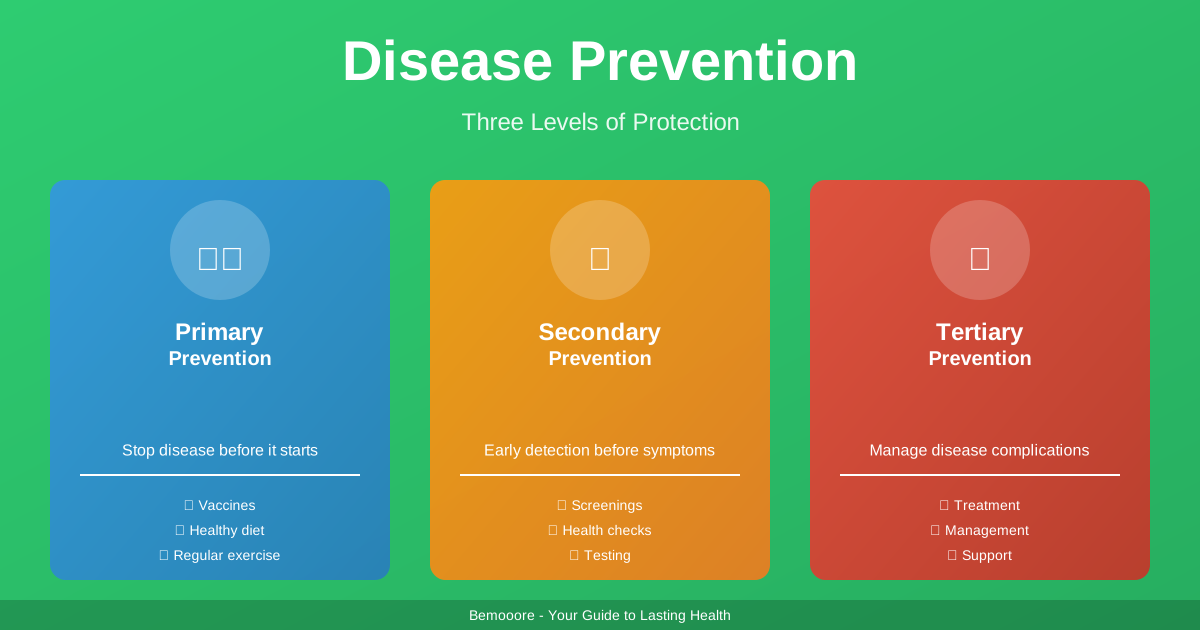
Disease prevention is the practice of taking action to stop illness or injury before it occurs, detect it early, or manage its complications. It's based on the idea that many diseases are preventable through lifestyle changes, vaccinations, screenings, and early treatment. Modern medicine recognizes four levels of prevention, each operating at a different stage. Primary prevention stops disease before exposure occurs—think vaccines or avoiding smoking. Secondary prevention detects disease early through screening before symptoms appear—like mammograms or blood pressure checks. Tertiary prevention manages existing diseases to prevent complications and improve quality of life—such as diabetes management or cardiac rehabilitation. A fourth level, primordial prevention, works to prevent the conditions that lead to disease, like policies that increase access to healthy food or reduce air pollution.
Not medical advice.
The power of disease prevention lies in its timing. Preventing disease is far more effective—and affordable—than treating it. A person who prevents heart disease through diet and exercise avoids decades of medications, hospital visits, and reduced quality of life. The CDC estimates that preventive care saves billions in healthcare costs while extending life expectancy and improving wellbeing. Prevention also shifts your relationship with health from reactive (treating illness) to proactive (building resilience). When you understand disease prevention, you're not just avoiding illness—you're actively building your health capital.
Surprising Insight: Surprising Insight: Moderate exercise as little as 7,500 steps five times per week reduces type 2 diabetes risk by 41% and stage 4 cancer risk by 36% over just two years.
Three Levels of Disease Prevention
Visual showing primary prevention (before disease), secondary prevention (early detection), and tertiary prevention (management of existing disease)
🔍 Click to enlarge
Why Disease Prevention Matters in 2026
In 2026, disease prevention has become more critical and more achievable than ever. Global health statistics show that chronic diseases—heart disease, cancer, diabetes, and respiratory diseases—account for 71% of deaths worldwide. Many of these deaths are premature and preventable. Yet healthcare systems around the world still spend most resources on treating disease rather than preventing it. This creates an opportunity for individuals willing to be proactive. By implementing disease prevention strategies now, you're not just extending your lifespan—you're improving your healthspan, the number of years you live in good health.
The COVID-19 pandemic highlighted the importance of prevention. Countries and communities with strong preventive health systems—robust vaccination programs, good health literacy, and access to screenings—weathered the crisis better. In 2026, this lesson is clear: prevention saves lives, reduces healthcare burden, and builds community resilience. Technology has also changed the prevention landscape. Genetic testing now identifies disease risk before any symptoms appear. Wearable devices track heart rate, sleep, and activity in real time. Telehealth makes screening and preventive counseling more accessible. The investments in prevention infrastructure made during recent years have created a more connected, data-informed approach to staying healthy.
Personal prevention is also increasingly personalized. Rather than one-size-fits-all health advice, preventive medicine now accounts for your age, genetics, lifestyle, and existing risk factors. Your prevention strategy at 30 differs from your strategy at 60. Someone with a family history of heart disease needs different preventive measures than someone with no genetic risk. This article guides you through age-appropriate, lifestyle-specific prevention strategies so you can build a plan that actually fits your life.
The Science Behind Disease Prevention
Disease prevention works because it interrupts the chain of causation. Most chronic diseases don't appear overnight. They develop through years of accumulated risk factors. Atherosclerosis—the buildup of plaque in arteries—begins in childhood with unhealthy diet and lack of exercise. Type 2 diabetes develops over years as excess weight and sedentary behavior impair insulin function. Cancer often starts with cellular damage from smoking, UV exposure, or inflammation. Prevention targets these risk factors before they compound into disease. The earlier you intervene, the more effective prevention becomes.
Research from major health organizations reveals the power of lifestyle intervention. The Diabetes Prevention Program, a landmark study funded by the National Institutes of Health, showed that people at high risk for type 2 diabetes reduced their risk by 58% through modest lifestyle changes—7% weight loss and 150 minutes of moderate exercise per week. A meta-analysis in 2024 found that when combined, lifestyle modifications can reduce coronary heart disease risk by more than 80%. For cancer prevention, the World Health Organization estimates that up to 40% of cancers are preventable through diet, physical activity, healthy weight, reducing alcohol, and avoiding tobacco. These numbers show that prevention isn't theoretical—it's measurable and powerful. The mechanism is clear: healthy lifestyle factors reduce inflammation, support immune function, maintain healthy weight, and prevent the cellular damage that drives disease.
Key Components of Disease Prevention
Primary Prevention: Stop Disease Before It Starts
Primary prevention is the most powerful form of disease prevention because it stops disease at its source. Vaccines are the gold standard of primary prevention. The HPV vaccine, for example, prevents multiple types of cancer by stopping infection before it occurs. Childhood vaccines against measles, polio, and pertussis have prevented millions of deaths and made these diseases rare in vaccinated populations. In 2026, the adult immunization schedule has expanded to include vaccines for shingles, pneumococcal disease, and updated COVID-19 formulations. Getting age-appropriate vaccines is primary prevention in action. Beyond vaccines, primary prevention includes lifestyle choices that reduce disease risk: not smoking, limiting alcohol, maintaining healthy weight, eating nutritious food, exercising regularly, managing stress, and getting adequate sleep. These modifiable factors control approximately 80% of chronic disease risk. When you avoid smoking, you prevent lung disease, heart disease, and multiple cancers. When you maintain healthy weight through diet and exercise, you prevent diabetes, heart disease, and joint problems. Primary prevention is the highest return on investment for your health.
Secondary Prevention: Early Detection Before Symptoms
Secondary prevention catches disease in its early stages, when treatment is often simpler and more effective. Screening tests are the tools of secondary prevention. Age-appropriate screenings vary by sex, age, and risk factors, but generally include: blood pressure screening (all ages), cholesterol screening (starting in adulthood), colorectal cancer screening (age 45+), mammography for breast cancer (age 40-50+, depending on risk), cervical cancer screening with HPV testing or pap smears (age 21+), and diabetes screening (age 45+ or younger if overweight with risk factors). Screening works by finding disease before symptoms develop, when it's typically more treatable. For example, colorectal cancer detected at stage 1 has a 90% five-year survival rate, but stage 4 has only 10%. Early detection creates better outcomes. The US Preventive Services Task Force publishes evidence-based guidelines for which screenings are recommended at which ages. These recommendations change as new evidence emerges. In 2025-2026, lung cancer screening with low-dose CT has been expanded to include more smokers and former smokers because evidence shows it saves lives. Following these guidelines is secondary prevention.
Tertiary Prevention: Manage Disease to Prevent Complications
Tertiary prevention applies when disease has already been diagnosed. The goal shifts from preventing disease to preventing complications and improving quality of life. For someone with type 2 diabetes, tertiary prevention includes taking medications as prescribed, monitoring blood sugar, attending regular doctor visits, and making lifestyle changes to slow progression and prevent heart disease or kidney damage. For someone with heart disease, tertiary prevention includes cardiac rehabilitation, medications to reduce clotting and lower cholesterol, stress management, and monitored exercise. For someone diagnosed with cancer, tertiary prevention includes completing recommended treatment, attending follow-up appointments, managing side effects, and addressing physical and emotional needs. Tertiary prevention recognizes that living well with disease requires ongoing attention, medical care, and self-management. It's about maximizing quality of life and preventing the secondary complications that often cause more suffering than the primary disease.
Lifestyle Factors: The Foundation of All Prevention
Across all three levels of prevention, lifestyle factors form the foundation. Nutrition directly influences disease risk. A diet rich in vegetables, fruits, whole grains, legumes, nuts, and fish—following patterns like the Mediterranean diet—reduces risk of heart disease, stroke, type 2 diabetes, cognitive decline, and some cancers. Conversely, processed foods high in added sugars, refined carbohydrates, and unhealthy fats increase inflammation and disease risk. Physical activity prevents disease through multiple mechanisms: it maintains healthy weight, improves cardiovascular fitness, strengthens bones, enhances immune function, and supports mental health. The WHO recommends 150 minutes of moderate-intensity aerobic activity or 75 minutes of vigorous activity per week for adults. Sleep is often overlooked in disease prevention, but it's critical. Sleep deprivation weakens immune function, impairs metabolism, increases inflammation, and raises the risk of heart disease, stroke, diabetes, and dementia. Most adults need 7-9 hours nightly. Stress management through meditation, exercise, social connection, or therapy reduces cortisol levels, lowers inflammation, and protects heart and brain health. Avoiding tobacco and limiting alcohol eliminate major disease risk factors. When combined, these lifestyle factors create profound disease prevention.
| Age Group | Key Screening Focus | Lifestyle Priority |
|---|---|---|
| 18-35 (Young Adulthood) | Blood pressure, cholesterol baseline, STI testing, mental health | Build healthy habits, establish exercise routine, manage stress |
| 35-55 (Middle Adulthood) | Periodic cancer screenings based on sex, diabetes screening, cardiovascular risk assessment | Maintain fitness, manage weight, continue cancer screenings |
| 55+ (Later Adulthood) | Cognitive screening, bone density, cancer screenings, cardiovascular comprehensive assessment | Emphasize preventive care, manage chronic conditions, maintain physical and cognitive function |
How to Apply Disease Prevention: Step by Step
- Step 1: Assess your current health status: Get a baseline health check including blood pressure, cholesterol, blood sugar, and BMI. Discuss your family health history with your doctor to understand genetic risk factors for diseases like heart disease, diabetes, cancer, or dementia.
- Step 2: Know your age-appropriate screenings: Ask your doctor which screenings are recommended for your age and risk profile. The US Preventive Services Task Force website provides evidence-based guidelines. Schedule recommended screenings and mark your calendar for annual or periodic follow-ups.
- Step 3: Establish a vaccination plan: Review your immunization status with your healthcare provider. Stay current on routine vaccines like flu, tetanus, pneumococcal, and shingles. If you travel internationally or have specific risk factors, discuss additional vaccines.
- Step 4: Optimize your nutrition: Shift toward a whole-foods-based diet emphasizing vegetables, fruits, whole grains, legumes, nuts, and healthy fats. Reduce processed foods, added sugars, and unhealthy fats. Consider working with a registered dietitian to customize your plan.
- Step 5: Build consistent exercise habits: Start with 150 minutes of moderate activity per week (like brisk walking) or 75 minutes of vigorous activity (like running). Include strength training 2-3 times weekly to maintain muscle mass and bone density. Progress gradually to avoid injury.
- Step 6: Prioritize sleep quality: Establish a consistent sleep schedule, aiming for 7-9 hours nightly. Create a sleep-friendly environment—dark, cool, quiet. Reduce screen time before bed. Manage stress and caffeine intake to support sleep.
- Step 7: Manage stress effectively: Practice stress reduction techniques daily—meditation, deep breathing, exercise, time in nature, creative hobbies, or social connection. Consider therapy if stress feels unmanageable. Chronic stress significantly increases disease risk.
- Step 8: Strengthen social connections: Loneliness increases disease risk as much as smoking. Cultivate meaningful relationships, join groups aligned with your interests, and maintain regular contact with family and friends. Social connection is disease prevention.
- Step 9: Limit harmful substances: Quit or never start smoking—it's the single most modifiable risk factor for multiple diseases. Limit alcohol to moderate amounts (one drink daily for women, two for men). Avoid recreational drugs.
- Step 10: Monitor and adjust: Track health metrics like blood pressure, weight, and activity. Revisit your prevention plan annually with your healthcare provider. Adjust based on age, new risk factors, and life changes. Prevention is a living practice, not a one-time plan.
Disease Prevention Across Life Stages
Young Adulthood (18-35)
Young adulthood is the optimal time to establish disease prevention habits because the body is most resilient and healthy lifestyle patterns formed now often persist into later life. At this stage, prevention focuses on building foundational habits and screening for baseline health. Get baseline blood pressure and cholesterol screening. If family history suggests risk, discuss earlier screening for diabetes or other conditions. Ensure immunizations are current—this is the window for HPV vaccination if not done in adolescence, and the first dose of RSV vaccine for some. Establish a regular exercise routine; habits formed now are easier to maintain. Develop sustainable healthy eating patterns. Avoid tobacco and limit alcohol. Practice stress management and develop healthy coping mechanisms. Screen for mental health conditions like depression and anxiety, which are preventable through early intervention. Young adulthood is also the time to consider preventive screenings for reproductive health, including STI testing and contraception counseling for sexually active individuals. The goal is to enter middle adulthood with established healthy habits and no major health conditions.
Middle Adulthood (35-55)
Middle adulthood is when many chronic diseases begin to develop, making prevention critical. Prevention at this stage focuses on detecting early disease and intensifying lifestyle measures. Start periodic cancer screenings: colonoscopy beginning at age 45 (or earlier if family history), mammography for breast cancer starting age 40-50 depending on risk, and cervical cancer screening if not done. Cardiovascular risk intensifies; get lipid panels, blood pressure screening, and consider stress testing if risk factors are present. Diabetes screening becomes important, especially if overweight or with family history. Continue immunizations including annual flu shots. Maintain or increase exercise intensity as metabolism slows. Pay attention to weight management; the middle years are when gradual weight gain is common and creates disease risk. Manage stress actively—midlife often brings work pressure and family responsibilities. Screen for mental health conditions. For women, discuss menopausal hormone changes and their health implications. For men, discuss prostate health and age-related changes. Prevention at this stage is about catching early disease and intensifying lifestyle measures before conditions become entrenched.
Later Adulthood (55+)
Later adulthood requires comprehensive prevention focused on maintaining independence and quality of life while managing existing conditions. Get comprehensive cardiovascular screening including blood pressure, lipid panels, and possibly cardiac testing depending on risk. Continue cancer screenings: colonoscopy every 10 years (or as recommended), continue mammography or stop based on life expectancy and preferences, and discuss prostate-specific antigen testing for men. Screen for cognitive decline and dementia risk. Assess bone density with DEXA scan, especially for women and those at osteoporosis risk. Screen for vision and hearing changes, which affect quality of life and safety. Get vaccinated for shingles, updated pneumococcal vaccines, and annual flu shots. Maintain physical activity emphasizing strength training and balance to prevent falls—falls are a major cause of disability in older adults. Optimize nutrition ensuring adequate protein, calcium, vitamin D, and B vitamins. Manage existing chronic conditions aggressively to prevent complications. Maintain cognitive engagement through learning and mental stimulation. Prioritize social connection and emotional health. Later adulthood prevention recognizes that while preventing new disease remains important, managing existing conditions and maintaining function becomes equally critical.
Profiles: Your Disease Prevention Approach
The Health-Conscious Builder
- Structured preventive plan with clear milestones
- Regular monitoring and feedback on progress
- Evidence-based guidance that respects their research
Common pitfall: Becoming overwhelmed by too much health information and analysis paralysis about which interventions to prioritize
Best move: Work with a healthcare provider to create a prioritized prevention plan based on your highest risk factors. Focus on three key areas (diet, exercise, screening) rather than trying to optimize everything simultaneously.
The Pragmatic Minimalist
- Simple, efficient prevention strategies with high impact
- Clear time commitments and practical integration with daily life
- Emphasis on the most essential interventions
Common pitfall: Skipping preventive care because it seems like too much hassle or not immediately necessary
Best move: Create a minimal effective prevention plan: annual health check, age-appropriate screenings, 30 minutes daily movement, one dietary improvement at a time. Small consistent actions compound significantly.
The Genetics-Focused Researcher
- Personalized risk assessment based on family history
- Understanding of genetic vs. lifestyle factors
- Access to specialized screening or genetic testing when appropriate
Common pitfall: Over-focusing on genetic risk while underestimating lifestyle factors, or becoming fatalistic about inherited disease risk
Best move: Use family history as a roadmap for earlier or more intensive screening, but recognize that lifestyle still controls the majority of disease risk. Genetic risk loads the gun, but lifestyle pulls the trigger.
The Motivated Transformer
- Comprehensive lifestyle change program addressing multiple factors simultaneously
- Community or accountability structures to maintain motivation
- Regular reassessment and celebration of health improvements
Common pitfall: Starting ambitious prevention programs that are unsustainable, leading to burnout and return to old patterns
Best move: Implement changes gradually in a specific order: typically stabilize sleep and stress first, then nutrition, then exercise. Build momentum with small wins before attempting comprehensive transformation.
Common Disease Prevention Mistakes
One major mistake is waiting for symptoms before taking prevention seriously. By the time you feel ill, disease has already progressed significantly. A person with high cholesterol feels fine—there are no symptoms—but plaque is accumulating in arteries. Regular screening catches these asymptomatic conditions early. Another mistake is the false belief that healthy appearance means healthy internals. Someone can be thin and have high cholesterol, high blood pressure, or prediabetes. Regular health checks reveal these hidden risks regardless of appearance.
Many people also underestimate the power of small lifestyle changes. They think prevention requires extreme diet overhauls or intense exercise programs, so they don't bother trying. But research shows that modest changes compound. Losing just 7% of body weight reduces diabetes risk by 58%. Walking an extra 2,000 steps daily significantly improves health markers. Eating one more serving of vegetables daily over a year adds significant nutritional value. Small consistent actions beat dramatic inconsistent efforts every time.
Another pitfall is all-or-nothing thinking around lifestyle factors. Someone eats a cookie and thinks their diet is ruined, then gives up on healthy eating. Or they miss one workout and assume they can't maintain exercise habits. In reality, prevention is about the overall pattern, not individual perfect choices. An occasional indulgence doesn't undermine a generally healthy diet. One missed workout doesn't eliminate the benefits of consistent exercise. Finally, many people neglect mental and social health in disease prevention, focusing only on diet and exercise. But depression, loneliness, chronic stress, and social isolation directly increase disease risk. Prevention requires attending to emotional and relational health alongside physical health.
The Disease Prevention Priority Matrix
Matrix showing prevention interventions by impact and effort, helping identify highest-value actions
🔍 Click to enlarge
Science and Studies
The science of disease prevention is robust and continuously expanding. Large-scale randomized trials, meta-analyses, and population-level studies provide clear evidence for which interventions work. The CDC's 2024 prevention initiatives committed resources to lifestyle-based chronic disease prevention in vulnerable populations. The NIH Office of Disease Prevention launched a strategic plan for 2024-2028 focusing on disseminating evidence-based preventive interventions. The American Heart Association and American Cancer Society regularly update prevention guidelines based on the latest research. Here are key studies and resources informing disease prevention science:
- The Diabetes Prevention Program (landmark study): Lifestyle modification (7% weight loss + 150 minutes weekly moderate activity) reduced type 2 diabetes risk by 58% in high-risk individuals. Published in NEJM 2002, reconfirmed in 2024 updates.
- Framingham Heart Study: Decades-long population study identifying major cardiovascular risk factors including hypertension, cholesterol, obesity, diabetes, and smoking. Continues to shape prevention guidelines.
- INTERHEART Study: Showed that nine modifiable risk factors account for 90% of heart attack risk globally: abnormal lipids, smoking, diabetes, hypertension, obesity, physical inactivity, unhealthy diet, excessive alcohol, and stress.
- World Health Organization Prevention Guidelines (2023-2026): Updated evidence-based recommendations for cancer prevention, showing 30-40% of cancers are preventable through diet, physical activity, healthy weight, limiting alcohol, and avoiding tobacco.
- 2024 Meta-analysis on Lifestyle and Disease Prevention: Combined lifestyle modifications (diet + exercise + smoking cessation + stress management) reduce coronary heart disease risk by more than 80%.
- US Preventive Services Task Force (USPSTF) Recommendations: Evidence-based screening guidelines updated regularly, informing clinical practice for age-appropriate cancer, cardiovascular, and metabolic screening.
Your First Micro Habit
Start Small Today
Today's action: Get one age-appropriate health screening scheduled this week (blood pressure check, cholesterol panel, or cancer screening). Set a calendar reminder for follow-up.
Screening is the foundation of disease prevention—it identifies risk before symptoms appear when intervention is most effective. Making one appointment creates momentum and accountability. It's a visible first step toward prevention. Many people delay screenings for years due to inertia; taking action immediately bypasses this resistance.
Keep quitting habit apps after a missed day? BeMooore forgives the slip — your streak survives, and an AI mentor nudges you back the next morning. Free on iOS.
Quick Assessment
How would you describe your current approach to health screenings and preventive care?
Your answer reveals your baseline engagement with medical prevention. Those getting regular preventive care catch disease early and manage risk factors proactively. If you're not sure which screenings apply to you, this is your signal to schedule an appointment with your healthcare provider to discuss age and risk-appropriate screening.
Which lifestyle factor do you feel most confident maintaining consistently?
Your strongest lifestyle factor is your foundation. People with one strong habit—like consistent exercise—often find it easier to build other healthy habits because they've proven to themselves they can sustain behavior change. Building on your strength is more effective than trying to fix all weaknesses simultaneously.
What's your biggest barrier to prioritizing disease prevention?
Identifying your barrier is the first step to addressing it. Time-constrained people benefit from prioritizing highest-impact, lowest-time interventions. Those uncertain about interventions need personalized guidance from healthcare providers. Cost concerns may qualify you for community health programs or preventive services covered by insurance. Low confidence reflects a belief change needed—prevention is among the most powerful health levers available.
Take our full assessment to get personalized recommendations.
Discover Your Style →Next Steps
Disease prevention is not a passive activity. It requires intentional choices, regular monitoring, and commitment to habits. But the return is enormous: extra years of life, better health during those years, reduced healthcare costs, and the confidence that you're actively protecting your most important asset—your health. Your next step is simple: schedule a health appointment this week. Discuss with your healthcare provider which screenings are appropriate for your age, sex, and risk factors. Ask about your family health history and what early warning signs to watch for. Leave with a clear prevention plan tailored to your situation.
After that appointment, focus on one prevention priority from this article—not all of them at once. If your screening revealed risk factors, address those. If your lifestyle needs work, start with the area you feel most confident changing. Build momentum with one success before adding another. Prevention is a long-term practice, not a sprint. Small consistent actions, reviewed and adjusted annually with your healthcare provider, create lifetime health.
Get personalized guidance with AI coaching.
Start Your Journey →Research Sources
This article is based on peer-reviewed research and authoritative sources. Below are the key references we consulted:
Related Glossary Articles
Frequently Asked Questions
Is disease prevention really effective if I have family history of disease?
Absolutely. While genetics influence disease risk, lifestyle factors control the majority of outcomes. Someone with genetic predisposition to heart disease can significantly reduce their risk through diet, exercise, smoking avoidance, and stress management. Genetics load the gun, but lifestyle pulls the trigger. Family history should prompt earlier or more intensive prevention, not fatalism.
What's the earliest age to start disease prevention?
Disease prevention starts in childhood with healthy habits. But if you're reading this now, whatever your age, prevention works. Studies show that people who adopt healthy habits in middle age or even later adulthood significantly improve their health and reduce disease risk. It's never too late to start prevention.
How much exercise do I really need for disease prevention?
The WHO and CDC recommend 150 minutes of moderate-intensity aerobic activity per week (like brisk walking) or 75 minutes of vigorous activity (like running), plus strength training 2+ times weekly. However, any movement is better than none. Even small amounts of physical activity reduce disease risk. If 150 minutes feels overwhelming, start with 10-15 minutes daily and build up.
Can I prevent disease through diet alone without exercise?
Diet is incredibly powerful—it affects weight, blood sugar, cholesterol, inflammation, and more. But exercise provides benefits diet can't fully replicate, including cardiovascular fitness, bone strength, muscle maintenance, mental health, and immune function. Combined, diet and exercise are synergistic. You don't need to choose between them; both matter for comprehensive prevention.
Are preventive supplements necessary for disease prevention?
Most people meet their nutritional needs through food. Before adding supplements, ensure your baseline diet includes variety—vegetables, fruits, whole grains, legumes, nuts, lean proteins, and healthy fats. Some people benefit from specific supplements (like vitamin D if deficient), but most healthy people don't need expensive supplement regimens. Discuss with your healthcare provider which, if any, supplements suit your situation.
Take the Next Step
Ready to improve your wellbeing? Take our free assessment to get personalized recommendations based on your unique situation.
- Discover your strengths and gaps
- Get personalized quick wins
- Track your progress over time
- Evidence-based strategies