Hormesis
What if the stress you're trying to avoid could be the key to your strongest self? Hormesis is the fascinating principle that small, manageable amounts of stress trigger your body's adaptive responses, making you stronger, sharper, and more resilient. From the burn of a challenging workout to the bracing cold of an ice bath, hormesis shows why some stress isn't just tolerable—it's necessary for growth. This isn't about pushing yourself to burnout. It's about understanding the biological mechanisms that transform manageable challenges into lasting improvements in health, cognition, and longevity. In 2026, as science validates the benefits of controlled stressors, hormesis has become central to evidence-based wellness strategies.
The principle reveals a counterintuitive truth: your body improves not from comfort, but from strategic challenge.
Unlike chronic, overwhelming stress that damages health, hormetic stress activates stress tolerance and triggers molecular repair mechanisms.
What Is Hormesis?
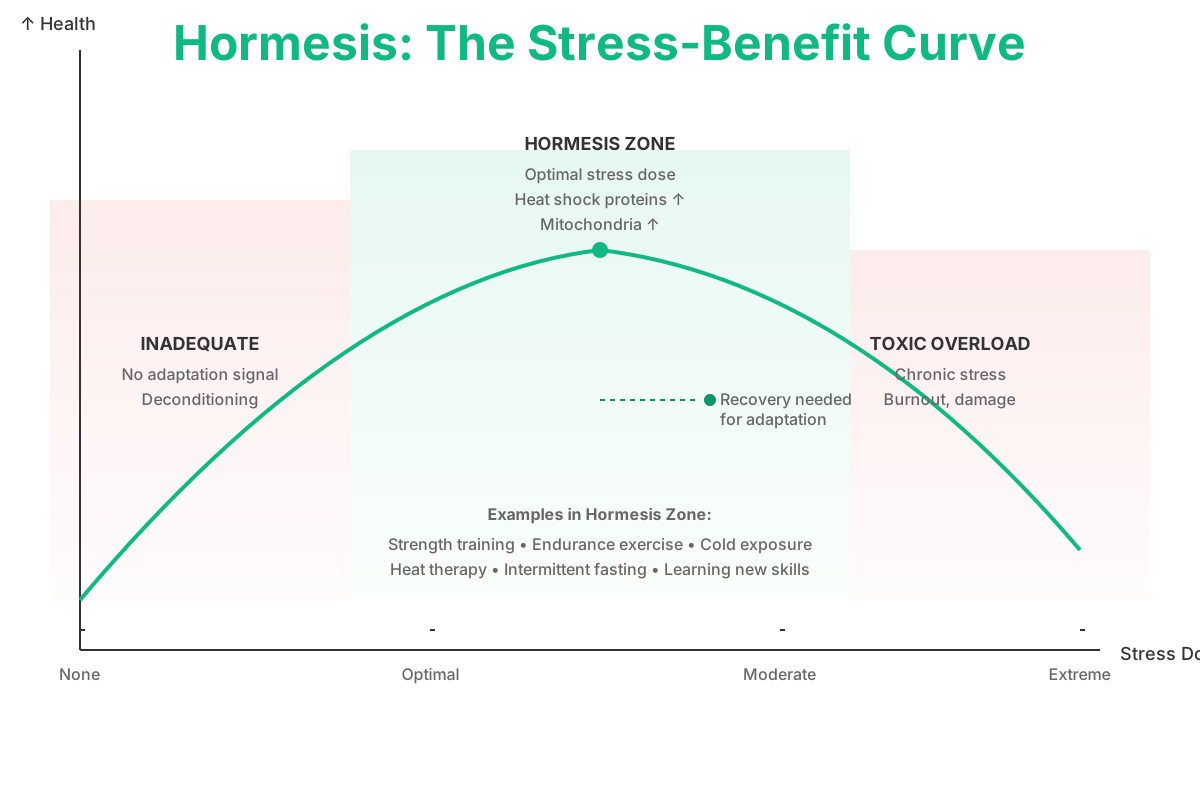
Hormesis is a biological principle describing the adaptive response to low-level stressors. Small doses of stress—whether physical (exercise), chemical (antioxidants), or environmental (temperature extremes)—trigger defensive and repair mechanisms that result in improved function and resilience. The term comes from Greek "hormesis" meaning "to stimulate." The mechanism follows a dose-response curve: low doses are beneficial, intermediate doses are maximally beneficial, and high doses become harmful. This is often called the "inverted U-curve" or "biphasic response."
Not medical advice.
Hormesis has been documented across biology for over a century, from yeast cells to humans. When cells experience mild stress, they activate heat-shock proteins, antioxidant production, DNA repair pathways, and mitochondrial biogenesis. These same adaptive responses underpin the benefits of exercise, fasting, heat therapy, and other wellness interventions. Understanding hormesis helps explain why consistency in manageable challenges produces better long-term health outcomes than either avoidance of stress or excessive overload.
Surprising Insight: Surprising Insight: The reason muscles grow after strength training isn't the workout itself—it's your body's adaptive response to the stress of lifting. This same principle applies to your immune system, brain, and stress resilience.
The Hormesis Dose-Response Curve
Visual representation of how stress affects health outcomes: low stress (inadequate), optimal stress (hormetic zone), and excessive stress (harmful)
🔍 Click to enlarge
Why Hormesis Matters in 2026
As chronic stress and sedentary lifestyles become primary health challenges, hormesis offers a framework for intentional, controlled stress that builds resilience rather than depletes it. Research shows that individuals who regularly engage in hormetic stressors—structured exercise, periodic fasting, temperature exposure—have lower disease risk, better cognitive function, and improved longevity markers. Unlike passive relaxation, hormesis requires active engagement with challenges that strengthen your adaptive capacity.
Hormesis also addresses the optimization paradox: comfort doesn't improve health; growth does. Whether you're aging, recovering from injury, managing chronic stress, or seeking peak performance, hormesis provides a biological rationale for why seeking comfortable challenges—not avoidance—leads to lasting improvements. Companies and health systems are now integrating hormesis principles into workplace wellness, athletic training, and age-management programs.
Understanding hormesis empowers you to distinguish between beneficial adaptation and harmful overload. This distinction is critical for building sustainable wellness habits that strengthen rather than exhaust your body and mind.
The Science Behind Hormesis
Hormesis operates through several molecular pathways. When cells experience mild stress, they activate transcription factors like nuclear factor erythroid 2-related factor 2 (Nrf2), which upregulates antioxidant defenses and cellular repair genes. Heat-shock proteins (HSPs) increase in response to thermal or metabolic stress, providing cytoprotection and improving protein folding. Exercise induces PGC-1-alpha, a master regulator of mitochondrial biogenesis—your cells literally build more energy-producing machinery. These aren't luxury adaptations; they're survival mechanisms that build robustness.
The hormetic response also involves epigenetic changes. Mild stress alters how genes are expressed without changing DNA itself, allowing rapid adaptation to environmental challenges. Studies on caloric restriction show that periodic fasting activates SIRT1 and AMPK pathways, which enhance cellular cleanup (autophagy) and extend healthspan in animal models. Cold exposure activates brown adipose tissue and improves insulin sensitivity. These mechanisms have been conserved across millions of years of evolution, indicating their fundamental importance to survival and thriving.
Molecular Pathways Activated by Hormetic Stress
Key cellular mechanisms triggered by mild stressors: protein synthesis, repair, and energy production
🔍 Click to enlarge
Key Components of Hormesis
Stressor Type
Hormetic stressors include physical (resistance training, endurance exercise, temperature extremes), metabolic (caloric restriction, intermittent fasting, nutrient timing), chemical (polyphenols, antioxidants, hormetic phytochemicals), and psychological (manageable challenges, learning new skills, social interaction). Each type activates overlapping adaptive pathways. The most effective hormesis protocols combine multiple stressor types—for example, combining strength training with cold exposure and periodic fasting—to activate diverse adaptive mechanisms.
Dose and Frequency
The dose-response relationship is critical. Too little stress produces no adaptation; too much causes damage. Optimal hormesis typically involves moderate intensity sustained for 20-60 minutes, 3-5 times weekly for physical stressors. For fasting, 16-24 hour periodic fasts or 5:2 protocols (eating 500-600 calories on 2 non-consecutive days) show benefits without overwhelming metabolic stress. Recovery between stressors is essential; adaptation occurs during rest, not during the stress itself. Individual variation is significant—genetics, age, fitness level, and stress resilience influence optimal dosing.
Individual Variability
Genetic polymorphisms affect how individuals respond to hormetic stressors. Some people carry variants in genes like COMT (catechol-O-methyltransferase) that influence stress hormone metabolism, or ACE (angiotensin-converting enzyme) that affects exercise response. Age also modifies hormesis; older adults may require lower intensity or longer recovery but retain the capacity to adapt. Existing chronic stress, illness, or mental health conditions may shift the dose-response curve, requiring more careful titration of stressor intensity.
Recovery and Adaptation
Hormesis is incomplete without recovery. Sleep, nutrition, hydration, and stress reduction between stressors determine whether your body adapts or accumulates damage. Sleep deprivation prevents heat-shock protein upregulation and mitochondrial repair. Inadequate protein limits muscle protein synthesis. Persistent psychological stress can override the benefits of physical hormesis by activating chronic inflammation pathways. Optimal hormesis protocols integrate strong recovery practices as equal partners to intentional stressors.
| Stressor Type | Optimal Dose | Frequency |
|---|---|---|
| Strength Training | Moderate weight, 8-12 reps, 3-4 sets | 2-4 sessions/week per muscle group |
| Endurance Exercise | 60-80% max heart rate, 30-60 min | 3-5 sessions/week |
| Cold Exposure | 10-15°C water, 1-3 minutes | 2-3 sessions/week |
| Heat Therapy | 39-42°C (sauna), 15-30 minutes | 3-4 sessions/week |
| Intermittent Fasting | 16-24 hour fast or 5:2 protocol | 2-3 times/week |
| Polyphenol Intake | 1000-2000mg daily from foods/supplements | Daily consistent intake |
How to Apply Hormesis: Step by Step
- Step 1: Identify your current stress tolerance baseline. Track your resting heart rate, sleep quality, energy levels, and mood for 1-2 weeks to establish baseline resilience.
- Step 2: Choose one primary hormetic stressor aligned with your goals. Start with <a href="/g/strength-training.html">strength training</a>, endurance exercise, or intermittent fasting—whichever excites you most.
- Step 3: Begin at 50% of your estimated capacity. If you could do 20 pushups, do 10. If you could fast 24 hours, start with 16. This prevents overload and builds confidence.
- Step 4: Increase intensity or duration by 5-10% every 2-3 weeks. Gradual progression allows adaptation without triggering chronic stress responses.
- Step 5: Prioritize sleep and nutrition between stressors. Aim for 7-9 hours of sleep, adequate protein (0.8-1.0g per pound of body weight), and balanced micronutrients.
- Step 6: Track adaptation signs: improved energy, better sleep depth, increased strength or endurance, improved mood. These indicate successful hormesis.
- Step 7: Add a second stressor type after 4-6 weeks of consistency. Combine strength training with cold exposure or add periodic fasting to your exercise routine.
- Step 8: Monitor for overload signals: persistent fatigue, sleep disruption, elevated resting heart rate, mood decline, or recurrent illness. These indicate the stressor has moved beyond hormetic dose.
- Step 9: If overload occurs, reduce stressor intensity by 20-30% and extend recovery. Quality of adaptation matters more than quantity of stress.
- Step 10: Evaluate progress every 8-12 weeks using objective measures: fitness testing, resting heart rate, body composition, blood biomarkers (if available). Adjust protocol based on results and individual response.
Hormesis Across Life Stages
Young Adulthood (18-35)
Young adults have high baseline mental resilience and rapid adaptive capacity. This is the ideal time to establish hormesis habits: high-intensity interval training, competitive sports, challenging strength progressions, and exploration of different stressor types. Young adults often benefit from higher stressor doses and can tolerate more frequent challenges. However, this age group is also prone to overtraining or excessive stress if pursuing performance goals. The foundation built now determines resilience patterns for decades ahead. Focus on sustainable intensity rather than maximal effort.
Middle Adulthood (35-55)
Recovery becomes more critical in this period. Hormesis remains highly beneficial for counteracting age-related decline in muscle, bone, and metabolic function. However, hormetic stressors must be carefully balanced against life stressors (work, family, aging parents). This is when consistency matters more than intensity. Three well-executed strength sessions weekly outperform sporadic high-intensity efforts. Hormesis combats the metabolic slowdown, sarcopenia, and cognitive decline of this decade. Adding hormetic stressors like heat therapy and periodic fasting provides additional benefits for longevity and disease prevention.
Later Adulthood (55+)
Hormesis becomes increasingly important for maintaining independence, bone density, muscle mass, and cognitive function. However, recovery time extends and stressor intensity may decrease. Older adults benefit from lower-intensity but frequent hormetic stressors: consistent strength training 2-3x weekly (lower weight, controlled movement), regular walking or cycling, and gentle flexibility work. Cold and heat exposure remain beneficial but require more gradual acclimatization. Periodic fasting may be less aggressive (smaller eating windows). The goal shifts from building capacity to maintaining function and preventing decline. Recovery weeks become essential every 8-12 weeks.
Profiles: Your Hormesis Approach
The Comfort Seeker
- Gradual introduction to manageable challenges (start at 50% capacity)
- Clear evidence of adaptation benefits to build confidence
- Enjoyable stressor types that feel sustainable
Common pitfall: Avoiding all stress under the assumption that comfort equals health, missing the adaptive stimulus needed for strength and longevity.
Best move: Start with one low-barrier hormetic habit (brisk walking, bodyweight exercises, 16-hour fasting) and track the energy and mood improvements that follow. Success builds motivation for progression.
The Overachiever
- Clear metrics and progressive benchmarks to avoid overtraining
- Structured recovery protocols as mandatory components
- Education on the dose-response curve and where benefits plateau
Common pitfall: Believing more stress equals faster progress, leading to overtraining, burnout, injury, and paradoxical performance decline.
Best move: Set maximum intensity and frequency caps aligned with recovery capacity. Track adaptation markers (sleep quality, resting HR, mood). When adaptation slows, extend recovery rather than increasing load.
The Inconsistent Dabbler
- Systems and accountability structures (scheduled training, fasting windows, social groups)
- Understanding that hormesis requires 6-8 weeks of consistency to show meaningful results
- Variety within structure (different exercise types but same frequency)
Common pitfall: Trying many stressors sporadically without sufficient duration to trigger adaptation, then concluding hormesis doesn't work.
Best move: Commit to one primary hormetic practice for 12 weeks with non-negotiable consistency. After seeing results, build from that foundation. Consistency compounds.
The Mindful Balancer
- Integration of hormetic stressors into existing wellness practices
- Attention to recovery and stress resilience in all forms
- Flexibility to adjust based on life circumstances and stress levels
Common pitfall: Over-optimizing small details while missing the core principle: sustainable progression over perfection.
Best move: Maintain your current hormesis practices consistently. Adjust intensity based on life stress, sleep, and recovery status. A 20-minute walk in high stress is better than skipping exercise. Quality consistency beats optimal perfection.
Common Hormesis Mistakes
The most frequent mistake is confusing hormesis with chronic stress. Taking on too many hormetic stressors simultaneously, or individual stressors that exceed adaptive capacity, flips from beneficial adaptation to harmful overload. Hormesis requires recovery; without sleep, nutrition, and stress management, stressors become purely damaging.
A second common error is treating hormesis as a substitute for stress reduction. Hormetic stressors and chronic stress follow opposite dose-response curves. Adding hormetic stressors while living under high chronic stress often results in accumulation rather than adaptation. Manage baseline stress before stacking hormetic challenges.
Third, discontinuing hormetic stressors after initial improvements leads to rapid loss of adaptation. Hormesis requires consistency. Detraining happens quickly; maintaining hormetic practices is easier and more effective than restarting.
Hormesis vs. Distress: Key Differences
Comparison of adaptive hormetic stress versus harmful chronic stress
🔍 Click to enlarge
Science and Studies
Decades of research validate hormesis across diverse stressors and outcomes. Meta-analyses consistently show that structured physical training (the most well-studied hormetic stressor) reduces all-cause mortality by 15-30% and improves cardiovascular health, cognitive function, and emotional wellbeing. Studies of intermittent fasting demonstrate improved insulin sensitivity, reduced inflammation markers, and enhanced brain function in both animal and human models. Heat shock protein research reveals that regular exposure to thermal stress (sauna, hot baths) improves cardiovascular function and may extend lifespan through enhanced cellular repair. Cold water immersion activates brown adipose tissue and improves metabolic health.
- Booth et al. (2012) in Medicine & Science in Sports & Exercise: Resistance training increases muscle protein synthesis, mitochondrial density, and metabolic rate through hormetic mechanisms activated 24-48 hours post-exercise.
- Mattson et al. (2017) in New England Journal of Medicine: Intermittent fasting triggers cellular stress-response pathways that increase stress resistance and longevity, including improved metabolic health and brain plasticity.
- Laukkanen et al. (2015) in JAMA Internal Medicine: Regular sauna use (4-7 sessions weekly at 80°C) reduces cardiovascular mortality by 48% in longitudinal cohort studies, mediated by heat-shock protein activation.
- Shui et al. (2020) in Trends in Endocrinology & Metabolism: Polyphenol intake activates the Nrf2 antioxidant response pathway, improving cellular defense and reducing chronic disease risk.
- Raichlen & Alexander (2017) in Proceedings of the National Academy of Sciences: Human evolution optimized for hormetic stressors; modern exercise and challenge activate the same adaptive pathways that shaped human resilience over millions of years.
Your First Micro Habit
Start Small Today
Today's action: Today, take a 20-minute brisk walk or do 3 sets of 10 bodyweight squats. Tomorrow, notice your energy and sleep quality. This single exposure activates hormetic adaptation.
A single hormetic stressor begins signaling cellular repair pathways. One session won't transform your health, but consistent repetition of manageable challenges does. This tiny start proves to your brain that controlled stress is manageable and builds momentum for progression.
Keep quitting habit apps after a missed day? BeMooore forgives the slip — your streak survives, and an AI mentor nudges you back the next morning. Free on iOS.
Quick Assessment
How do you currently respond to physical challenges like exercise or manual work?
Your answer reveals your baseline relationship with hormetic stress. Avoidance misses adaptation benefits. Inconsistency prevents meaningful change. Regular, moderate challenge (option 3) optimizes hormesis. Excessive intensity (option 4) flips into distress.
What appeals most to you as a hormetic stressor?
Your answer indicates where to begin. Start with stressors you find intrinsically motivating. Enjoyment drives consistency. Consistency drives adaptation. All stressor types activate similar pathways; choose what excites you.
What's your biggest barrier to consistent hormetic practice?
Identify your barrier to address it directly. Time: start with 15-20 minute sessions. Uncertainty: follow published protocols or find a coach. Fear: begin at very low intensity to build confidence. Motivation: track non-obvious metrics like sleep quality or resting heart rate for 4 weeks before expecting dramatic changes.
Take our full assessment to get personalized recommendations.
Discover Your Style →Next Steps
Hormesis is not advanced or complicated. It's a universal biological principle—the same adaptation mechanism that has shaped human resilience over millions of years. Your first step is to choose one manageable stressor you'll practice consistently: a weekly strength routine, a brisk 30-minute walk three times weekly, or a 16-hour fasting window twice weekly. What matters is consistency and allowing recovery between stressors.
Track not just the stressor (did you do it?) but the adaptations (how do you feel? Sleep deeper? More energy? Better mood?). These signals confirm that your body is adapting. After 6-8 weeks of consistency, progression becomes obvious. At that point, consider adding a second stressor type to activate different adaptive pathways. The beauty of hormesis is that small, consistent challenges compound into transformative resilience over months and years.
Get personalized guidance with AI coaching.
Start Your Journey →Research Sources
This article is based on peer-reviewed research and authoritative sources. Below are the key references we consulted:
Related Glossary Articles
Frequently Asked Questions
Is hormesis the same as 'what doesn't kill you makes you stronger'?
Not quite. That phrase oversimplifies hormesis. Actual hormesis is dose-dependent: tiny amounts of stress trigger adaptation, but large amounts cause damage. The optimal zone is narrow. Hormesis isn't about surviving extreme stress; it's about strategically using manageable stress to strengthen adaptive capacity.
Can I get hormesis benefits without exercise?
Yes. Heat therapy (sauna), cold exposure (ice baths), intermittent fasting, and even learning new skills activate hormetic pathways. However, physical activity remains the most accessible, well-researched, and effective hormetic stressor. Combining multiple stressor types amplifies benefits.
How do I know if my hormetic stressor is the right dose?
Right dose feels challenging but sustainable. Afterward, you're fatigued but not exhausted; you can repeat the dose 2-3 days later. You sleep well, recover within 24-48 hours, and your energy improves within days to weeks. If you're persistently fatigued, can't recover, or feel worse before improving, the dose is too high.
Does hormesis work for weight loss and <a href="/g/metabolism.html">metabolism</a>?
Yes. Hormetic stressors like resistance training increase muscle mass, which raises resting metabolic rate. Intermittent fasting improves insulin sensitivity and metabolic flexibility. However, hormesis alone won't create weight loss without adequate nutrition management. Hormesis + balanced nutrition = optimal metabolic outcomes.
Can I apply hormesis if I'm dealing with chronic illness or high stress?
Cautiously. Existing illness or chronic psychological stress shifts the dose-response curve; what's hormetic for a healthy person may be overload for you. Start with very low intensity, extend recovery, and work with a healthcare provider. In high stress, prioritize stress management first; add hormetic stressors gradually once baseline improves.
Take the Next Step
Ready to improve your wellbeing? Take our free assessment to get personalized recommendations based on your unique situation.
- Discover your strengths and gaps
- Get personalized quick wins
- Track your progress over time
- Evidence-based strategies