Mindfulness Techniques
Mindfulness techniques are evidence-based practices that train your attention and awareness to exist in the present moment without judgment. These methods, rooted in ancient contemplative traditions and validated by modern neuroscience, help reduce stress, improve emotional regulation, enhance cognitive function, and increase overall wellbeing. Whether through breath awareness, body scanning, or mindful movement, mindfulness techniques offer practical tools for anyone seeking mental clarity and inner peace in today's demanding world.
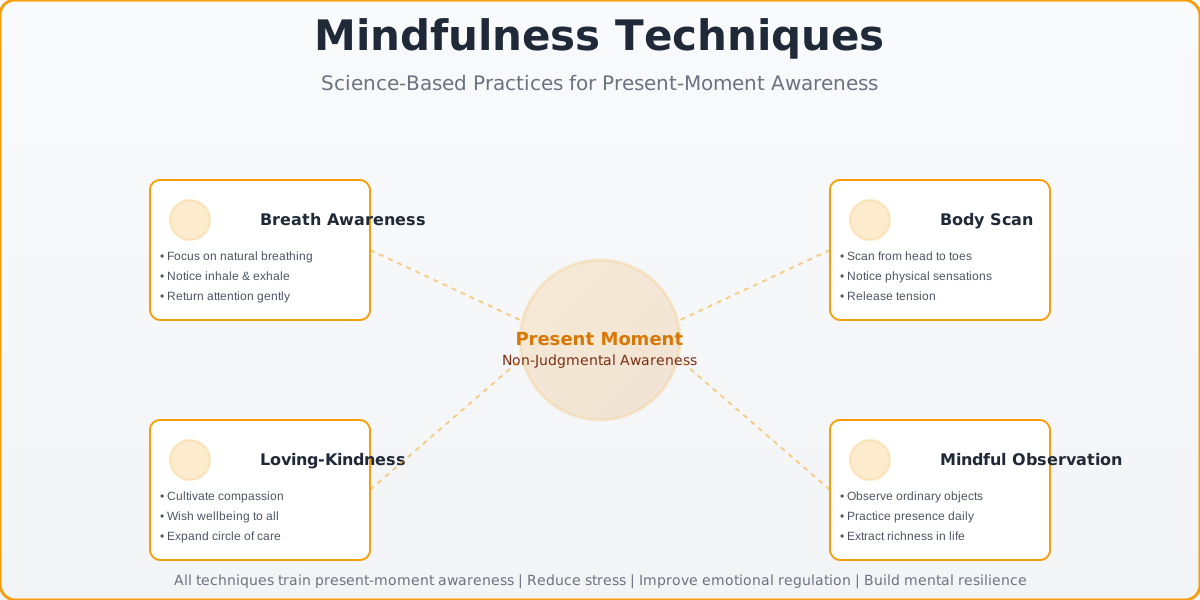
Research shows that regular mindfulness practice can physically change your brain, increasing cortical thickness, reducing amygdala reactivity, and improving connectivity in regions associated with self-awareness and emotional regulation.
The best part? You can start with just five minutes a day and build from there, making mindfulness accessible regardless of your schedule or experience level.
What Is Mindfulness Techniques?
Mindfulness techniques are practical methods designed to cultivate present-moment awareness and non-judgmental observation of your thoughts, feelings, and sensations. The core principle is simple: paying attention to what's happening right now without trying to change it, judge it, or react to it automatically. These techniques encompass various approaches including breath awareness meditation, body scan meditation, loving-kindness practice, mindful movement, and mindful observation of thoughts and emotions. Unlike traditional meditation that might focus on spiritual enlightenment, mindfulness techniques are secular, practical tools designed for everyday life.
Not medical advice.
The beauty of mindfulness techniques lies in their simplicity and accessibility. You don't need special equipment, a quiet room, or years of training to benefit. The techniques work by training your mind to return to the present moment repeatedly, building mental strength and resilience with each practice. Over time, this repeated practice creates lasting changes in how your brain processes stress, regulates emotions, and maintains attention.
Surprising Insight: Surprising Insight: Studies show that just eight weeks of mindfulness-based stress reduction (MBSR) can produce measurable increases in gray matter density in brain regions associated with learning, memory, and emotional regulation. These changes persist long after the program ends.
Brain Changes from Mindfulness Practice
Neuroscientific changes in brain structure and function from regular mindfulness meditation
🔍 Click to enlarge
Why Mindfulness Techniques Matter in 2026
In today's hyperconnected world of constant notifications, information overload, and digital distraction, mindfulness techniques offer a scientifically-proven antidote to overwhelm. The American Psychological Association reports that chronic stress remains one of the leading health concerns, directly impacting physical health, mental wellbeing, relationships, and work performance. Mindfulness techniques provide evidence-based solutions that don't require medication and work alongside other therapeutic approaches.
The workplace benefits are significant too. Companies like Google, Apple, and Salesforce have integrated mindfulness programs for employees because research demonstrates measurable improvements in productivity, creativity, employee engagement, and reduced burnout rates. Employees who practice mindfulness show better focus, make fewer mistakes, and report higher job satisfaction.
Beyond the workplace, mindfulness techniques support mental health professionals in treating anxiety disorders, depression, chronic pain, and insomnia. They're equally valuable for healthy individuals seeking to optimize their mental performance, improve relationships, and build psychological resilience for life's inevitable challenges.
The Science Behind Mindfulness Techniques
Neuroscientific research has revealed exactly how mindfulness techniques reshape your brain. Functional MRI (fMRI) studies show that regular mindfulness practice increases activity in the prefrontal cortex—the brain region responsible for decision-making, emotional regulation, and self-awareness. Simultaneously, mindfulness reduces hyperactivity in the amygdala, your brain's alarm system that triggers fight-or-flight responses. This explains why practitioners experience reduced anxiety and improved emotional control.
One compelling finding: the default mode network (DMN), which is active when your mind wanders, shows decreased activity during mindfulness practice. Since mind-wandering is strongly associated with anxiety, depression, and rumination, reducing DMN activity translates to fewer negative thought patterns and better emotional stability. Additionally, mindfulness increases cortical thickness in regions associated with attention, memory, and self-referential thinking, changes that persist long after practice sessions end. These aren't temporary mental tricks—they're lasting neurobiological transformations supported by peer-reviewed research in prestigious journals like Nature Reviews Neuroscience.
How Mindfulness Works: The Neural Pathway
The neurobiological mechanism through which mindfulness techniques improve wellbeing
🔍 Click to enlarge
Key Components of Mindfulness Techniques
Breath Awareness Meditation
Breath awareness is the foundational mindfulness technique and the most accessible entry point. The practice is elegantly simple: sit comfortably, close your eyes, and bring full attention to your natural breathing pattern. Notice the cool air entering your nostrils, the expansion of your chest and belly, the pause between breaths, and the warm air exiting. When your mind wanders—and it will—gently redirect attention back to your breath without criticism. This technique activates your parasympathetic nervous system, the "rest and digest" system that counteracts stress. Just five minutes of breath awareness can measurably lower heart rate, blood pressure, and cortisol levels.
Body Scan Meditation
Body scan meditation systematically directs awareness through different body regions, typically from head to toes. Start by lying down comfortably and focus your attention on the top of your head, noticing any sensations: tingling, warmth, coolness, or numbness. Slowly move attention downward—forehead, eyes, nose, mouth, neck, shoulders—spending 30 seconds to a minute on each area. This technique serves multiple purposes: it releases physical tension you might not consciously realize you're holding, it anchors attention to the present moment, and it builds the mind-body connection. Body scan practice is particularly helpful before bed and can significantly improve sleep quality.
Loving-Kindness Meditation
Loving-kindness (metta) meditation cultivates compassion, starting with yourself and expanding outward. Begin by silently repeating phrases like "May I be safe, may I be healthy, may I be happy, may I live with ease." After several minutes, extend these wishes to someone you care about, then to a neutral person, a person you find difficult, and finally to all beings. This technique directly activates brain regions associated with positive emotion and social bonding while reducing activity in the amygdala. Research shows loving-kindness practice increases social connection, reduces implicit bias, and enhances empathy—making it powerful for improving relationships and building emotional resilience.
Mindful Observation Practice
Mindful observation extends mindfulness beyond meditation into daily activities. Pick an ordinary object—a cup of tea, an apple, a flower—and observe it with fresh eyes for several minutes. Notice colors, textures, shapes, and details you normally overlook. You can also practice mindful observation with activities: eating slowly while noticing tastes and textures, walking while feeling each footstep, or listening to music with full attention. This practice trains your brain to extract yourself from habitual patterns and experience richness in ordinary moments, fundamentally shifting your relationship with life.
| Technique | Duration (Starter) | Primary Benefits |
|---|---|---|
| Breath Awareness | 5-10 minutes | Immediate stress reduction, improved focus, calms nervous system |
| Body Scan | 10-15 minutes | Physical tension release, body awareness, better sleep |
| Loving-Kindness | 10-15 minutes | Enhanced compassion, improved relationships, reduced anxiety |
| Mindful Observation | 5-10 minutes | Presence in daily life, appreciation, reduced automatic reactivity |
How to Apply Mindfulness Techniques: Step by Step
- Step 1: Choose your technique based on your current need. For quick stress relief, try breath awareness. For releasing physical tension, choose body scan. For emotional connection, try loving-kindness. For presence in daily activities, practice mindful observation.
- Step 2: Find a quiet, comfortable location where you won't be interrupted. This can be your bedroom, a quiet corner of your home, a park bench, or even your car during a lunch break.
- Step 3: Eliminate distractions by silencing your phone, closing unnecessary tabs, and letting others know you need 5-15 minutes of uninterrupted time.
- Step 4: Get comfortable in a posture that supports alertness—sitting upright in a chair with feet flat, seated cross-legged on a cushion, or lying down if practicing body scan.
- Step 5: Set a gentle timer for your intended duration (start with 5 minutes if you're new to practice). This removes the need to check time and wonder when to stop.
- Step 6: Begin with three deep breaths to signal to your mind and body that you're transitioning to practice mode, then return to natural breathing or your chosen technique.
- Step 7: Practice with patience and curiosity rather than judgment. Your mind will wander; this isn't failure—noticing wandering and returning attention is the practice itself.
- Step 8: When you notice mind-wandering, gently redirect attention back to your chosen focus point without frustration. This redirection is the actual meditation.
- Step 9: Maintain consistency by practicing at the same time each day. Morning practice sets a calm tone for your entire day; evening practice promotes better sleep.
- Step 10: After your session, take a moment to notice how you feel before returning to daily activities. Notice any subtle shifts in mood, clarity, or body tension.
Mindfulness Techniques Across Life Stages
Young Adulthood (18-35)
Young adults face unique stressors including academic pressure, career building, relationship navigation, and identity formation. Mindfulness techniques help manage social anxiety, improve academic and work performance, enhance decision-making in romantic relationships, and build healthy emotional patterns early. Young adults often respond well to short, app-based practices and group meditation sessions that combine mindfulness with community. Even 5-10 minutes daily during this stage can create lasting benefits as the brain is still highly plastic and responsive to neuroplastic changes.
Middle Adulthood (35-55)
Middle-aged adults typically juggle career demands, family responsibilities, aging parents, and health concerns. Mindfulness techniques provide essential tools for managing accumulated stress, preventing burnout, improving sleep quality during hormonal changes, and maintaining cognitive sharpness. This life stage benefits particularly from longer, deeper meditation practices and mindfulness retreats. The accumulated stress of previous decades makes mindfulness not just beneficial but often essential for preventing chronic disease and maintaining mental wellbeing.
Later Adulthood (55+)
Older adults use mindfulness techniques to maintain cognitive function, manage chronic pain, adjust to life transitions, strengthen social connections, and address late-life anxiety or depression. Research specifically on older adults shows mindfulness improves balance and reduces fall risk, supports healthy aging, and enhances quality of life regardless of health challenges. Gentler practices like body scan and loving-kindness meditation are particularly accessible, and the wisdom and life perspective of older practitioners often deepens their mindfulness practice.
Profiles: Your Mindfulness Techniques Approach
The Busy Professional
- Techniques that fit into a packed schedule
- Quick wins and measurable stress reduction
- Evidence-based approaches aligned with scientific thinking
Common pitfall: Starting with 30-minute practices and abandoning when life gets busier
Best move: Commit to 5 minutes daily using breath awareness meditation, practicing at the same time every morning. Consistency matters more than duration.
The Anxious Overthinking Type
- Tools to interrupt worry spirals and racing thoughts
- Permission to notice thoughts without engaging them
- Gentle, non-judgmental approaches
Common pitfall: Trying to achieve a 'blank mind' and frustrating when thoughts continue
Best move: Practice mindful observation of thoughts themselves as the meditation. Notice thoughts arising and dissolving without trying to create perfect silence. This is actually more advanced practice.
The Movement-Oriented Person
- Integration of mindfulness with physical activity
- Active practices that engage the body
- Variety and tangible changes
Common pitfall: Finding sitting meditation boring and assuming mindfulness requires stillness
Best move: Practice mindful walking, mindful yoga, or mindful movement meditation. These provide the same neurobiological benefits while satisfying your movement preference.
The Heart-Centered Empath
- Connection to compassion and meaning
- Techniques that include emotional awareness
- Ways to prevent compassion fatigue
Common pitfall: Over-extending emotionally to others and neglecting self-care
Best move: Practice loving-kindness meditation with special emphasis on directing compassion toward yourself. Balance service to others with regular self-compassion practice to prevent burnout.
Common Mindfulness Techniques Mistakes
The most pervasive mistake is expecting your mind to become blank or "perfect." This misunderstanding comes from common depictions of meditation in popular media. In reality, mindfulness is about noticing when your mind wanders and gently returning attention—that's the actual practice, not a failure. Even experienced meditators have wandering minds; the difference is they don't judge themselves about it. Expecting instant results is another common mistake. While some benefits appear within a few sessions, the most significant neurobiological changes require consistent practice over weeks and months.
Many people practice sporadically, perhaps meditating intensely for a week then abandoning practice for months. This inconsistency prevents the neuroplasticity that creates lasting benefits. Think of mindfulness like physical exercise: one intense workout followed by months of inactivity doesn't build muscle. Consistency, even with brief sessions, produces better results than occasional long sessions. Additionally, some practitioners become discouraged when strong emotions arise during body scan or loving-kindness meditation. Rather than a sign that something's wrong, emotional release is evidence that the practice is working—you're processing stored tension and emotions that need attention.
Finally, many people try to force themselves to "like" meditation or judge themselves harshly for finding it difficult at first. Mindfulness should feel increasingly natural and beneficial, but initial practice requires patience. If a particular technique isn't resonating, try a different approach rather than forcing yourself. The goal is sustainable practice, not perfect technique.
Mindfulness Mistakes and Solutions
Common pitfalls when starting mindfulness practice and how to overcome them
🔍 Click to enlarge
Science and Studies
Mindfulness research has expanded dramatically over the past decade, with compelling evidence from rigorous, peer-reviewed studies published in prestigious journals. Major research institutions including Harvard Medical School, MIT, Stanford University, and the University of Massachusetts Medical School have published extensively on mindfulness mechanisms and outcomes. Large-scale systematic reviews synthesize dozens of randomized controlled trials demonstrating consistent benefits across diverse populations.
- Frontiers in Psychology (2025): A quasi-experimental study with college students found that mindfulness-based programs significantly reduced stress, anxiety, and depression while improving sleep quality, social support, and life satisfaction—effects measured through validated psychological scales.
- MDPI/PMC (2024): A comprehensive systematic review titled 'Neurobiological Changes Induced by Mindfulness and Meditation' analyzed 50+ neuroimaging studies, documenting increased cortical thickness, enhanced prefrontal cortex activation, reduced amygdala reactivity, and improved brain connectivity from consistent mindfulness practice.
- Nature Reviews Neuroscience: This prestigious journal published the foundational review 'The Neuroscience of Mindfulness Meditation,' establishing the neurobiological mechanisms through which meditation produces lasting changes in brain structure and function.
- British Journal of Health Psychology (2024): A pragmatic randomized controlled trial demonstrated that digital mindfulness-based interventions improve psychological health and support health behavior cognitions in real-world settings.
- eNeuro (2025): A preregistered eye-tracking study showed that mindfulness meditation improves attentional control mechanisms in both young and older adults, with effects on saccadic reaction times and sustained attention.
Your First Micro Habit
Start Small Today
Today's action: Right now, sit comfortably and take three minutes to focus exclusively on your natural breathing. When your mind wanders, gently return attention to your breath. That's it—three minutes of breath awareness meditation.
This micro habit is small enough to fit into any schedule, requires no equipment, and immediately engages the neural pathways that mindfulness develops. You'll notice a subtle shift in calm and clarity even from this brief practice. This three-minute foundation builds consistency, and consistency builds neural changes.
Track your daily mindfulness micro habits and get personalized AI coaching on deepening your practice with our app.
Quick Assessment
How would you describe your current relationship with stress in daily life?
Your answer indicates where mindfulness would most benefit you. Even calm people use mindfulness to deepen resilience and improve performance.
When you try to focus on one task or thought, how often does your mind wander?
Mindfulness directly trains attention control. Wherever you are on this spectrum, regular practice measurably improves focus within weeks.
What appeals to you most about practicing mindfulness?
Your primary motivation shapes which techniques you should emphasize. All mindfulness practices produce comprehensive benefits, but your entry point matters.
Take our full assessment to get personalized recommendations.
Discover Your Style →Next Steps
Your next step is to choose one technique and commit to daily practice for at least 21 days. Research on habit formation shows that this duration creates a neural pathway that makes practice feel natural rather than forced. Start with just five minutes of breath awareness meditation each morning. Set a specific time—immediately after waking or with your morning coffee—to anchor the habit to an existing daily routine. Use the micro habit provided above as your starting point.
Beyond your personal practice, consider exploring deeper learning through apps like Headspace or Insight Timer, attending a local mindfulness-based stress reduction (MBSR) course, joining a meditation group, or reading foundational books like Jon Kabat-Zinn's "Full Catastrophe Living." The bemooore app can track your practice consistency and provide personalized guidance as you deepen your mindfulness journey. Remember: the practice isn't about perfection; it's about showing up consistently with kindness toward yourself.
Get personalized guidance with AI coaching.
Start Your Journey →Research Sources
This article is based on peer-reviewed research and authoritative sources. Below are the key references we consulted:
Related Glossary Articles
Frequently Asked Questions
How long before I notice benefits from mindfulness practice?
Many people experience subtle benefits within the first session—a feeling of calm or mental clarity. Measurable stress reduction typically appears within 2-4 weeks of consistent practice. Significant neurobiological changes require 8 weeks or more of regular practice. The key is consistency rather than intensity.
Is mindfulness religious or spiritual? Can atheists practice it?
Modern mindfulness is completely secular and evidence-based. While mindfulness originated from Buddhist traditions, contemporary mindfulness-based stress reduction (MBSR) and mindfulness-based cognitive therapy (MBCT) remove any spiritual or religious elements. Atheists, agnostics, and people of all faiths benefit equally.
What if I can't quiet my mind? Does that mean I'm bad at meditation?
Mind-quieting is actually a misunderstanding of meditation. The goal isn't silence but noticing when your mind wanders and gently returning attention. A busy mind isn't a problem—it's the opportunity to practice. Olympic athletes, CEOs, and experienced meditators all have wandering minds. The skill is in the returning, not the not-wandering.
How often should I practice to see results?
Daily practice produces the best results, even if just 5-10 minutes. This consistency allows neuroplastic changes to accumulate. If daily isn't possible, 4-5 times weekly shows significant benefits. Occasional practice (1-2 times weekly) provides relaxation but won't produce the deeper neurobiological changes.
Can mindfulness replace therapy or medication for anxiety and depression?
Mindfulness is powerfully effective for anxiety and mild-to-moderate depression and can work alongside therapy and medication. However, it should not replace professional mental health treatment. The most effective approach often combines mindfulness with cognitive behavioral therapy and, when appropriate, medication. Always consult your healthcare provider about your specific situation.
Take the Next Step
Ready to improve your wellbeing? Take our free assessment to get personalized recommendations based on your unique situation.
- Discover your strengths and gaps
- Get personalized quick wins
- Track your progress over time
- Evidence-based strategies