Electrolytes
Electrolytes are electrically charged minerals that regulate every system in your body, from your heartbeat to muscle contractions. When dissolved in your blood and body fluids, they carry electrical charges that enable your cells to communicate, contract, and maintain proper fluid balance. These essential compounds—including sodium, potassium, calcium, magnesium, and chloride—are fundamental to staying hydrated, thinking clearly, and performing physically. Without adequate electrolytes, your body cannot function optimally, affecting everything from athletic performance to daily energy levels and cognitive function.
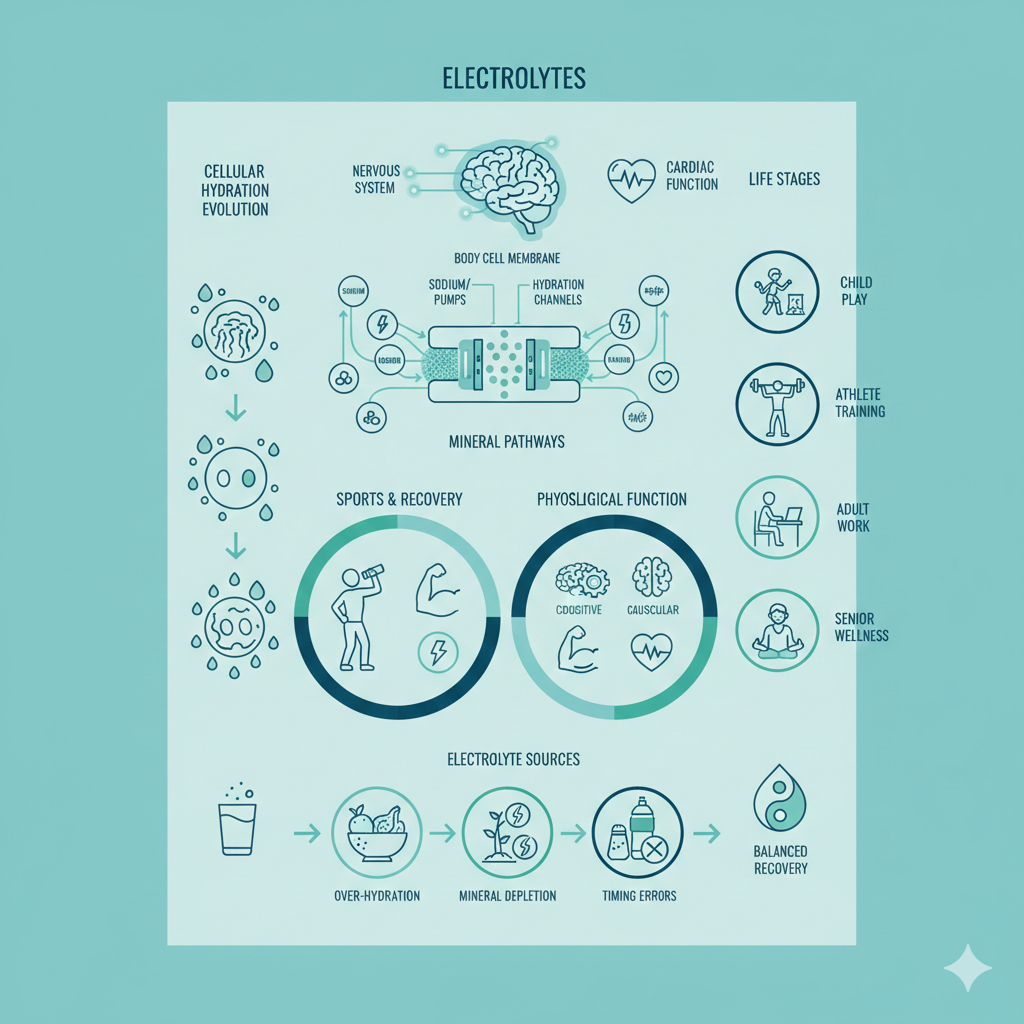
Your electrolyte levels directly impact how well you exercise, how you feel during hot weather, and how quickly you recover from illness or intense activity.
Whether you're an athlete seeking peak performance, someone managing hydration through illness, or simply interested in optimizing your health, understanding electrolytes reveals how your body actually works at the cellular level.
What Is Electrolytes?
Electrolytes are minerals with an electrical charge that exist in your blood and other body fluids. The major electrolytes include sodium, potassium, chloride, magnesium, calcium, phosphate, and bicarbonate. These minerals are essential for basic life functioning because they maintain electrical neutrality in cells, generate and conduct action potentials in nerves and muscles, regulate acid-base balance, and control how fluids move in and out of cells. When you consume electrolytes through food or drinks, your body absorbs them into your bloodstream where they dissolve and create electrically charged ions. These ions enable cellular communication, muscle contraction, nerve signal transmission, and fluid balance across cell membranes.
Not medical advice.
Electrolytes work through a process called ionic balance. Sodium is the primary electrolyte outside your cells (extracellular), while potassium dominates inside your cells (intracellular). This difference in concentration creates an electrical gradient that your cells use to generate signals. When sodium enters a cell, potassium leaves, and this continuous exchange produces the electrical potential that drives muscle contractions and nerve impulses. Your kidneys carefully regulate electrolyte levels to maintain this delicate balance, which is why hydration status directly affects electrolyte concentration in your blood.
Surprising Insight: Surprising Insight: Your body contains only about 9-10 teaspoons of sodium spread throughout your entire bloodstream, yet this tiny amount is so critical that even a 2% deviation can significantly impair physical performance and cognitive function.
How Electrolytes Work: The Cellular Communication Process
This diagram shows how sodium and potassium ions create electrical gradients across cell membranes, enabling nerve signals and muscle contractions
🔍 Click to enlarge
Why Electrolytes Matters in 2026
In 2026, understanding electrolytes is more important than ever as people increasingly focus on optimizing their health through targeted nutrition and biohacking. Modern lifestyles expose us to more dehydrating situations—from intense exercise and air travel to stress and certain medications—that deplete electrolytes faster than previous generations experienced. Research continues to reveal that electrolyte balance isn't just for athletes; it affects cognitive performance, sleep quality, mood regulation, and immune function for everyone. The growing availability of electrolyte products and sports drinks has created both opportunity and confusion, making it essential to understand what electrolytes actually do rather than relying on marketing claims.
Health professionals increasingly recognize that plain water alone may not be optimal for certain situations. Emerging research shows that electrolyte supplementation during prolonged exercise, in hot climates, or during illness can significantly improve recovery and prevent serious complications like hyponatremia (dangerously low sodium). Additionally, as remote work and sedentary lifestyles become more common, maintaining proper hydration and electrolyte balance becomes a simple health lever that anyone can control to improve daily performance and well-being.
The personalized wellness movement of 2026 emphasizes tracking metrics like hydration status and electrolyte balance through wearables and health apps, giving people unprecedented insight into how these minerals affect their individual physiology, energy levels, and mental clarity throughout the day.
The Science Behind Electrolytes
The scientific foundation of electrolytes rests on principles of electrochemistry and physiology developed over the past century. Your body maintains electrolyte concentrations through complex regulatory systems involving your kidneys, hormones like aldosterone and ADH (antidiuretic hormone), and specialized proteins called ion channels embedded in cell membranes. These mechanisms work automatically to ensure that electrolyte levels stay within narrow ranges required for optimal function. When you exercise and sweat, you lose both water and electrolytes, which is why plain water alone can paradoxically lead to dilution of remaining electrolytes if consumed in large volumes without electrolytes. This dilution can impair performance and even create dangerous medical conditions in extreme endurance athletes.
Research from the American College of Sports Medicine, National Institutes of Health, and numerous peer-reviewed studies confirms that sodium, potassium, and other electrolytes are fundamental to muscle function, nerve transmission, and maintaining blood pressure during exercise. Magnesium, one of the most commonly deficient electrolytes in modern diets, plays crucial roles in muscle relaxation, ATP energy production, and over 300 enzymatic reactions in your body. Calcium works with magnesium to regulate muscle contractions and maintain bone health. The intricate interplay between these minerals shows that electrolyte balance is not simply about sodium replacement but requires a holistic understanding of how multiple minerals interact to maintain cellular function.
Primary Electrolytes and Their Functions
A comprehensive overview of the major electrolytes, where they're found, and their critical roles in body function
🔍 Click to enlarge
Key Components of Electrolytes
Sodium
Sodium is the primary electrolyte outside your cells and plays the most critical role in fluid balance and blood pressure regulation. A single sodium ion may seem insignificant, but billions of sodium ions working together create the osmotic pressure that draws water into and out of cells. During exercise, sweat loss causes sodium loss, and without adequate sodium replacement, your body may overcorrect by retaining excess water, which can dilute your blood and impair athletic performance. Sodium also facilitates the absorption of glucose and amino acids in your small intestine, which is why sports drinks contain both carbohydrates and sodium—they work synergistically to enhance hydration and nutrient absorption. The kidneys regulate sodium levels precisely, reabsorbing sodium when levels drop and excreting excess through urine, demonstrating how carefully your body guards this essential mineral.
Potassium
Potassium is the primary intracellular electrolyte, and its concentration inside cells is about 30 times higher than outside. This enormous concentration gradient is maintained by the sodium-potassium pump, a protein that uses ATP energy to continuously exchange sodium out and potassium in. Potassium is especially critical for heart function, as irregular potassium levels can cause dangerous arrhythmias (irregular heartbeats). It's also essential for muscle contraction, nerve signal transmission, and blood pressure regulation. Unlike sodium, which you lose through sweat, potassium loss during exercise is minimal and usually not a concern for people eating a normal diet rich in fruits, vegetables, and whole grains. However, certain medications, diarrhea, or vomiting can deplete potassium dangerously, which is why doctors monitor potassium levels in hospitalized patients. The relationship between sodium and potassium—with their opposing effects and linked regulation—exemplifies how electrolytes function as an integrated system rather than isolated minerals.
Calcium and Magnesium
Calcium and magnesium are electrolytes that often work together as crucial cofactors in countless physiological processes. Calcium is essential for muscle contraction, nerve transmission, bone formation, and blood clotting. When calcium levels drop below critical thresholds, muscles can spontaneously contract (tetany) or fail to contract properly. Magnesium is the overlooked hero among electrolytes—it's involved in over 300 enzymatic reactions, including ATP production, muscle relaxation, and neurotransmitter synthesis. Many people are deficient in magnesium because modern diets often lack sufficient whole grains, nuts, and leafy greens where magnesium is abundant. Low magnesium can contribute to muscle cramps, fatigue, headaches, and irregular heartbeats. The calcium-magnesium balance is particularly important; too much calcium without adequate magnesium can actually contribute to muscle tension and cramping, while proper balance promotes muscle relaxation and recovery after exercise.
Chloride and Bicarbonate
Chloride is the anion (negatively charged ion) counterpart to sodium in the extracellular space, and together they maintain the osmotic pressure that regulates fluid distribution between cells and the surrounding space. Chloride is also a component of hydrochloric acid in your stomach, which is essential for digesting protein and sterilizing ingested bacteria. Bicarbonate is the body's primary buffer system, working continuously to maintain blood pH within the narrow range (7.35-7.45) required for life. When you exercise intensely, your muscles produce lactate and hydrogen ions, which tend to acidify your blood. Your bicarbonate buffer system neutralizes these acids, converting them to carbon dioxide which you exhale. Without this buffering system, blood pH would drop dramatically, causing muscle fatigue, nausea, and potentially life-threatening acidosis. The interplay between chloride and bicarbonate, along with other electrolytes, creates a sophisticated buffer system that your body fine-tunes moment by moment.
| Electrolyte | Location | Function |
|---|---|---|
| Sodium | Extracellular | Fluid balance, nerve signals, blood pressure |
| Potassium | Intracellular | Heart function, muscle contraction, nerve transmission |
| Calcium | Extracellular & Stored in Bones | Muscle contraction, bone formation, blood clotting |
| Magnesium | Intracellular & Extracellular | Energy production, muscle relaxation, 300+ enzyme reactions |
| Chloride | Extracellular | Fluid balance, stomach acid, osmotic pressure |
| Bicarbonate | Extracellular | pH buffering, acid-base balance |
How to Apply Electrolytes: Step by Step
- Step 1: Assess your baseline hydration: Drink plain water as your foundation, aiming for 8-10 glasses daily, and monitor your urine color (pale yellow indicates good hydration)
- Step 2: Identify electrolyte needs: Consider your activity level, climate, and whether you exercise for more than 60 minutes, as this determines if electrolyte supplementation is beneficial
- Step 3: Consume sodium naturally: Eat whole foods containing sodium like ocean fish, seaweed, olives, and sea vegetables; most people get sufficient sodium through normal eating without needing supplements
- Step 4: Increase potassium-rich foods: Add bananas, potatoes, avocados, spinach, and legumes to meals to support the sodium-potassium balance your body requires
- Step 5: Include magnesium sources: Eat pumpkin seeds, almonds, spinach, dark chocolate, and whole grains to ensure adequate magnesium for muscle function and energy production
- Step 6: Time electrolyte drinks strategically: Consume electrolyte-enhanced beverages during intense exercise lasting over 60 minutes, in hot environments, or if experiencing fluid loss from illness
- Step 7: Follow the sodium replacement formula: Drink fluids containing 20-30 mmol sodium per liter during prolonged exercise to maintain electrolyte balance and performance
- Step 8: Monitor your body's signals: Notice signs of electrolyte imbalance like muscle cramps, fatigue, dizziness, or irregular heartbeat, and adjust your intake accordingly
- Step 9: Rehydrate after exercise: Drink fluids with electrolytes and carbohydrates within 30 minutes after intense exercise to accelerate recovery and replenish depleted minerals
- Step 10: Maintain consistency: Establish daily hydration and mineral-rich eating habits rather than sporadic supplementation, as consistent electrolyte balance supports optimal function
Electrolytes Across Life Stages
Young Adulthood (18-35)
Young adults often have the most active lifestyles, making electrolyte management particularly important during this stage. This age group frequently engages in intense exercise, travels, and may work in environments with temperature extremes. Young adults need to establish hydration and electrolyte habits that support athletic performance while also recognizing that even light to moderate exercise benefits from strategic electrolyte intake. Many young adults underestimate their hydration needs, especially those attending university or working demanding jobs. This stage is ideal for learning proper hydration practices, understanding how electrolytes affect recovery, and experimenting with different hydration strategies to discover what works best for individual physiology. Young adults with active lifestyles should prioritize consistent electrolyte intake from whole foods and consider electrolyte drinks during prolonged exercise or in hot conditions.
Middle Adulthood (35-55)
Middle-aged adults often experience slower metabolic rates and may spend more time in sedentary work, yet many maintain active exercise routines. This stage brings new challenges for electrolyte management: metabolism changes may affect how efficiently the body regulates fluid and mineral balance, certain medications can impact electrolyte levels, and hormonal changes (especially in women approaching menopause) can affect fluid retention and electrolyte needs. Middle-aged adults benefit from paying careful attention to hydration because their thirst mechanism becomes less reliable with age. This is an excellent time to incorporate electrolyte-rich foods more intentionally into meals, stay mindful of sodium intake given potential blood pressure concerns, and ensure adequate magnesium and calcium for bone health. For those continuing intense exercise programs, strategic electrolyte management becomes increasingly important for recovery and maintaining performance as aging begins to slow cellular processes.
Later Adulthood (55+)
Older adults face unique electrolyte challenges: the thirst mechanism becomes significantly blunted, making them vulnerable to dehydration even when not exercising; medications commonly used in this age group can affect electrolyte balance; kidney function gradually declines, reducing the body's ability to regulate sodium and potassium precisely; and bone loss accelerates, making calcium and magnesium intake more critical. Older adults are at higher risk for dangerous electrolyte imbalances because their bodies cannot compensate as effectively for changes. This population benefits greatly from regular, consistent hydration throughout the day rather than relying on thirst cues, strategic inclusion of electrolyte-rich foods at every meal, and medical supervision of electrolyte levels if taking certain medications. Older adults should also avoid excessive sodium reduction unless medically directed, as too little sodium in this population can be as dangerous as too much. Regular physical activity, even gentle walking, helps maintain electrolyte regulation and should be encouraged with appropriate hydration support.
Profiles: Your Electrolytes Approach
The Athlete
- Strategic electrolyte intake timed around exercise sessions
- Understanding of sweat rate and individual sodium loss during training
- Recovery protocols including electrolyte-carbohydrate combinations after intense workouts
Common pitfall: Over-supplementing with electrolytes on non-training days or consuming electrolyte drinks constantly, which can lead to excessive sodium intake and mineral imbalances
Best move: Calculate personal sweat rate during typical workouts, then use that data to guide electrolyte replacement only when needed, focusing on whole-food sources on rest days
The Wellness Optimizer
- Daily hydration tracking integrated with biometric monitoring
- Understanding of how electrolyte balance affects energy, mood, and cognitive performance
- Personalized electrolyte strategies based on individual activity, climate, and goals
Common pitfall: Becoming overly focused on electrolyte metrics and supplementing excessively based on trends rather than actual physiological needs or medical guidance
Best move: Use hydration tracking tools as feedback, but remain grounded in basic principles: drink water consistently, eat balanced whole foods, and supplement strategically only during intense activity or illness
The Health Conscious Parent
- Knowledge about children's and teens' electrolyte needs during growth and activity
- Understanding of when to offer electrolyte drinks versus plain water for kids
- Strategies for establishing healthy hydration habits in family members
Common pitfall: Providing excessive sugary sports drinks to children during normal activity or restricting electrolyte intake too much due to health concerns about sodium
Best move: Prioritize water as the main hydration source for children's daily needs, offer whole-food sources of electrolytes through balanced meals, and reserve electrolyte drinks for situations involving intense exercise, heat, or illness
The Aging Adult
- Consistent hydration reminders and routines since thirst mechanism declines
- Awareness of how medications affect electrolyte balance
- Balanced approach to sodium that's sufficient without medical restriction unless advised otherwise
Common pitfall: Drinking too little water due to reduced thirst signals or excessive sodium restriction that actually increases health risks
Best move: Establish a daily hydration schedule with regular water intake throughout the day, include electrolyte-rich whole foods at each meal, and discuss electrolyte needs with healthcare providers alongside any medication reviews
Common Electrolytes Mistakes
A frequent mistake is assuming all hydration requires electrolyte supplementation. Most daily hydration needs are met perfectly well through plain water and regular food intake. Electrolyte supplementation should be reserved for specific situations: intense exercise lasting over 60 minutes, endurance sports like marathons or cycling, hot weather exposure, or recovery from illness involving vomiting or diarrhea. Constantly consuming electrolyte drinks throughout the day can lead to excessive sodium and sugar intake, contributing to blood pressure issues, dental problems, and metabolic dysfunction. This mistake often stems from marketing that makes electrolyte drinks seem necessary for all hydration situations when they're actually specialized tools for specific circumstances.
Another critical mistake is focusing exclusively on sodium while ignoring the entire electrolyte balance. Obsessive sodium restriction or excessive sodium intake both create problems. Your body needs sodium for cellular function, yet balance with potassium, magnesium, and calcium is essential. People following extreme low-sodium diets without medical necessity can develop hyponatremia (dangerously low sodium), which paradoxically impairs athletic performance, causes confusion, and in severe cases can be life-threatening. Conversely, excessive sodium intake without adequate potassium and magnesium contributes to high blood pressure, muscle cramping, and fluid retention. Electrolytes function as an integrated system where balance matters more than any single mineral's absolute level.
A third major mistake is relying on electrolyte drinks as a replacement for consistent daily hydration and whole-food nutrition. Electrolyte supplementation is a tactical tool, not a strategy. The foundation of proper electrolyte balance is drinking adequate water daily and eating varied whole foods that provide natural minerals. Taking an electrolyte supplement but then dehydrating yourself or eating a nutrient-poor diet is ineffective. Additionally, many commercial electrolyte drinks contain added sugars, artificial sweeteners, and unnecessary additives that create additional health concerns. The most effective electrolyte strategy combines hydration consistency, whole-food mineral sources, and strategic supplementation only when indicated.
Electrolyte Mistakes vs. Best Practices
A comparison showing common electrolyte management mistakes and their corrective best practices
🔍 Click to enlarge
Science and Studies
The scientific evidence supporting electrolyte importance comes from decades of research in sports medicine, physiology, and clinical nutrition. Major research organizations including the American College of Sports Medicine, the National Institutes of Health, and the International Society of Sports Nutrition have published comprehensive guidelines on electrolyte management. These guidelines consistently show that for most daily activities and moderate exercise, plain water and a balanced diet provide adequate hydration and electrolytes. However, for prolonged exercise lasting over 60-90 minutes or in heat stress conditions, consuming beverages with 20-30 millimoles per liter of sodium significantly improves performance, delays fatigue, and supports cardiovascular stability. Recent research also reveals that the individual response to electrolyte depletion varies considerably based on genetics, fitness level, acclimatization, and sweat composition—some athletes are 'heavy sweaters' who lose more sodium through sweat than others, requiring personalized hydration strategies.
- Cleveland Clinic and NIH research confirms electrolytes maintain nerve signal transmission, muscle contraction, and cellular electrical neutrality through the sodium-potassium pump mechanism.
- American College of Sports Medicine studies demonstrate that electrolyte-enhanced beverages consumed during exercise lasting 60+ minutes enhance performance by 2-6% compared to water alone.
- NIH-supported research published in peer-reviewed journals shows magnesium deficiency affects over 40% of the U.S. population and contributes to muscle cramps, fatigue, and irregular heartbeats.
- International Society of Sports Nutrition guidelines recommend 20-30 mmol sodium per liter in fluids for prolonged exercise, with individual adjustments based on sweat rate and body weight.
- Recent research on electrolyte imbalance demonstrates that both hyponatremia (low sodium) and hypernatremia (high sodium) impair athletic performance, cognitive function, and recovery.
Your First Micro Habit
Start Small Today
Today's action: For the next week, add one electrolyte-rich whole food to each meal: banana at breakfast, spinach in lunch, or pumpkin seeds as a snack. Notice how you feel.
This micro habit builds the foundation of electrolyte balance through consistent, small actions using foods you can easily access. You're training yourself to think about minerals intentionally while establishing a habit sustainable long-term. Within a week, you'll develop awareness of electrolyte-rich foods and begin experiencing improved energy and reduced muscle fatigue.
Keep quitting habit apps after a missed day? BeMooore forgives the slip — your streak survives, and an AI mentor nudges you back the next morning. Free on iOS.
Quick Assessment
How would you describe your current hydration consistency throughout the day?
Your hydration consistency directly affects electrolyte balance. The more sporadic your hydration, the more important intentional electrolyte management becomes for supporting your energy and performance.
What best describes your physical activity level and exercise frequency?
More active individuals face greater electrolyte demands, especially during intense or prolonged exercise. Your activity level determines whether strategic electrolyte supplementation is beneficial versus unnecessary.
How do you currently think about food and electrolyte intake?
Your approach to food-based electrolyte intake reflects your current health foundation. The more intentionally you source minerals through whole foods, the better your baseline electrolyte status will be.
Take our full assessment to get personalized recommendations.
Discover Your Style →Next Steps
Begin your electrolyte optimization by establishing a consistent hydration baseline: drink water regularly throughout the day, noticing your urine color (pale yellow indicates adequate hydration), and establish this foundation before considering any supplementation. This simple habit provides the physiological baseline upon which all other electrolyte management depends. Next, assess whether your situation calls for electrolyte supplementation—if you exercise 60+ minutes at a time, work in heat exposure, or experience illness involving fluid loss, electrolyte supplementation becomes strategically valuable. Without these circumstances, focus on whole-food electrolyte sources through your normal meals and snacks. Finally, listen to your body: notice signs of electrolyte imbalance like muscle cramps, fatigue, dizziness, or irregular heartbeat, and adjust your approach accordingly. Electrolyte optimization is not about pursuing perfection but rather establishing consistent, evidence-based habits that support your individual physiology.
Consider using a simple hydration tracking method to maintain awareness—even just marking a water bottle with time markers or using an app reminder helps build consistency. As you develop consistent hydration and electrolyte habits, you'll likely notice improved energy throughout the day, better exercise recovery, clearer thinking, and improved mood. These changes represent your cells functioning optimally with adequate minerals and fluid. Over weeks and months, this consistency compounds into significantly better health outcomes, improved athletic performance if you exercise, and enhanced resilience during stressful periods or environmental challenges. The investment in understanding and managing electrolytes pays dividends across every dimension of your health.
Get personalized guidance with AI coaching.
Start Your Journey →Research Sources
This article is based on peer-reviewed research and authoritative sources. Below are the key references we consulted:
Related Glossary Articles
Frequently Asked Questions
Do I need electrolyte drinks for everyday hydration?
No. Plain water and a balanced diet containing whole foods provide sufficient electrolytes for most daily needs and moderate activity. Electrolyte drinks are specialized tools for situations involving intense exercise lasting 60+ minutes, extreme heat, or recovery from illness—not everyday hydration.
What's the difference between sports drinks, coconut water, and electrolyte supplements?
Sports drinks typically contain electrolytes, carbohydrates, and water optimized for performance during exercise. Coconut water provides electrolytes naturally but less carbohydrate. Electrolyte supplements vary widely in composition and additives. All can be useful in specific situations, but plain water with whole foods covers daily needs for most people.
Can I have too much sodium or electrolytes?
Yes. Excessive sodium intake (beyond body needs) can raise blood pressure and increase cardiovascular risk. Imbalanced electrolyte ratios can cause serious problems. The key is balance: adequate but not excessive electrolytes, with proper ratios between sodium, potassium, magnesium, and calcium. Most people achieve this through balanced whole-food diets.
Why do I get muscle cramps despite drinking water?
Muscle cramps have multiple causes: dehydration (inadequate water), electrolyte imbalance (too much sodium without potassium/magnesium), inadequate magnesium intake, overuse, or poor conditioning. Addressing cramps requires identifying the root cause rather than just drinking more water. Often, increasing magnesium and potassium-rich foods reduces cramps more effectively than increasing water alone.
Are older adults' electrolyte needs different?
Yes, significantly. Older adults have blunted thirst mechanisms, declining kidney function, and often take medications affecting electrolyte balance. They require more intentional hydration reminders, consistent whole-food electrolyte sources, and may need medical monitoring of electrolyte levels. Older adults should not assume they need less water or salt; they often need strategic, consistent intake rather than relying on thirst cues.
Take the Next Step
Ready to improve your wellbeing? Take our free assessment to get personalized recommendations based on your unique situation.
- Discover your strengths and gaps
- Get personalized quick wins
- Track your progress over time
- Evidence-based strategies