David Sinclair Protocol
Harvard professor David Sinclair has spent 25 years researching how to slow aging at the cellular level. His groundbreaking protocol combines cutting-edge NAD+ boosting supplements, strategic fasting, targeted exercise, and optimized sleep to potentially extend both lifespan and healthspan. What was once considered impossible—reversing biological age—is now supported by peer-reviewed research and human clinical trials. Sinclair claims to have reduced his own biological age by 10 years using these strategies, and a dozen ongoing human trials are testing whether his protocol works for others.
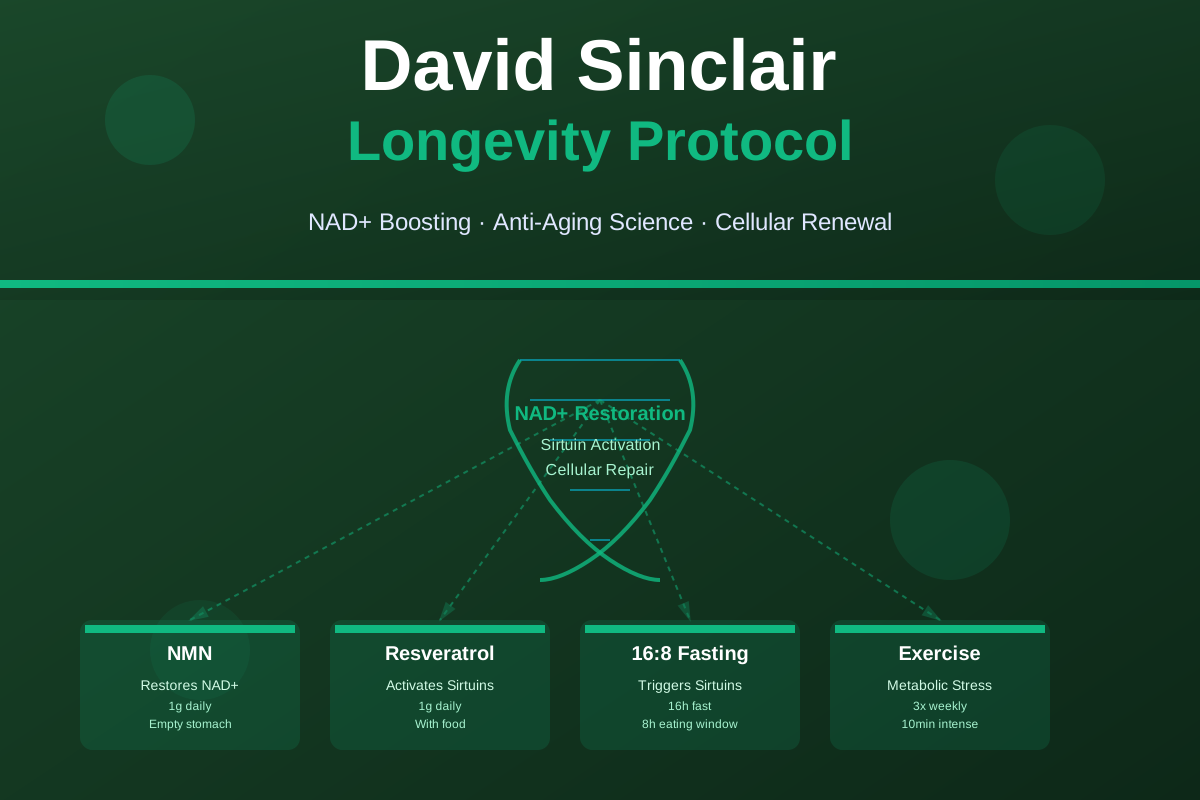
The Sinclair Protocol isn't a single magic bullet. Instead, it's a precisely orchestrated symphony of interventions that work synergistically to restore cellular energy, repair DNA damage, and activate longevity genes called sirtuins.
Whether you're 30 or 70, the science behind this protocol reveals actionable steps you can start today to add healthy years to your life.
What Is David Sinclair Protocol?
The David Sinclair Protocol is a personalized anti-aging system developed by David A. Sinclair, PhD, co-director of the Paul F. Glenn Center for Biology of Aging Research at Harvard Medical School. It combines specific supplements (NMN, resveratrol, metformin, and others), lifestyle interventions (intermittent fasting, exercise, sleep optimization), and emerging biomarker tracking to address aging at the molecular level. The protocol is based on sirtuins—a family of longevity genes that regulate cellular repair, DNA protection, and energy metabolism. By activating these genes through targeted compounds and lifestyle strategies, the protocol aims to reverse aspects of aging and extend both lifespan and healthspan (years lived in good health).
Not medical advice.
Sinclair's work emerged from decades of basic research showing that NAD+ (nicotinamide adenine dinucleotide), a critical molecule for cellular energy and DNA repair, naturally declines with age. His team discovered that restoring NAD+ levels in older mice reversed multiple signs of aging. This finding sparked a research program to identify compounds that safely boost NAD+ in humans. The protocol evolved from published research, personal experimentation, and continuous refinement based on emerging biomarker data.
Surprising Insight: Surprising Insight: In unpublished research, Sinclair's lab found that NMN extends mouse lifespan, protects against radiation, and reduces frailty—yet most human trials to date haven't shown clinically significant health benefits, highlighting the gap between animal models and human efficacy.
How the Sinclair Protocol Activates Longevity Pathways
The protocol works by restoring NAD+ levels and activating sirtuins, which trigger DNA repair, mitochondrial renewal, and stress resistance at the cellular level.
🔍 Click to enlarge
Why David Sinclair Protocol Matters in 2026
Aging is now recognized as the primary risk factor for most chronic diseases—heart disease, cancer, Alzheimer's, and diabetes all accelerate with age. Rather than treating these diseases individually after they appear, Sinclair's protocol targets the root cause: cellular aging itself. By slowing or reversing aging at the NAD+ and sirtuin level, the protocol potentially prevents multiple diseases simultaneously. This addresses the central health paradox: we spend billions treating age-related diseases, yet invest relatively little in preventing aging itself.
In 2026, anti-aging science has shifted from theory to clinical reality. A 2023 human trial showed NMN (a key component of Sinclair's protocol) increased NAD+ by 38% and improved walking speed and glucose regulation. Multiple ongoing trials are testing whether these biochemical improvements translate to meaningful lifespan extension in humans. The protocol also appeals to the growing biohacking movement—people seeking data-driven approaches to optimize health using measurable biomarkers rather than generic wellness advice.
Perhaps most importantly, the protocol is accessible. Unlike expensive stem cell therapies or genetic interventions, Sinclair's approach relies on affordable supplements, free lifestyle changes (fasting, exercise), and strategic timing. This democratizes longevity science—you don't need to be wealthy or have access to exclusive clinics to implement core elements of the protocol.
The Science Behind David Sinclair Protocol
The protocol rests on three foundational discoveries: First, NAD+ levels decline by 50% between age 20 and 80, driving multiple aging hallmarks. Second, restoring NAD+ reactivates sirtuins (SIRT1, SIRT3, SIRT6), which function as cellular "caretakers" that repair DNA, renew mitochondria, and activate autophagy (cellular cleanup). Third, certain compounds (NMN, resveratrol, metformin) can safely raise NAD+ or activate sirtuins in humans without significant side effects at therapeutic doses. These discoveries aren't theoretical—they're published in peer-reviewed journals and validated across multiple independent labs worldwide.
Sirtuins are the centerpiece of aging science. When active, they deacetylate proteins that control DNA repair and energy metabolism. When NAD+ is depleted (as happens with aging), sirtuins become dormant. Sinclair's protocol uses a one-two punch: NMN directly restores NAD+, while resveratrol activates sirtuins independently. Together, they synergize to produce more robust activation than either alone. Additionally, intermittent fasting and intense exercise trigger cellular stress signals that naturally boost NAD+ and sirtuin activity, creating a multiplier effect. Sleep optimization, vitamin D, and other components support mitochondrial function and reduce inflammation, addressing secondary mechanisms of aging.
NAD+ Depletion and Sirtuin Activation
Age causes NAD+ decline, silencing sirtuins. The protocol restores NAD+ via NMN and activates sirtuins via resveratrol and stress signals, restarting cellular repair programs.
🔍 Click to enlarge
Key Components of David Sinclair Protocol
NMN (Nicotinamide Mononucleotide)
NMN is a direct precursor to NAD+, meaning the body converts it into NAD+ very efficiently. Sinclair takes 1 gram (1,000 mg) every morning on an empty stomach with coconut oil, which enhances absorption. Unlike nicotinamide riboside (NR), another NAD+ precursor, NMN has superior bioavailability and more direct conversion pathways. In a 2023 Japanese trial, participants taking NMN (250-500 mg/day) showed 38% increase in blood NAD+ levels and improved walking speed. The mechanism: NMN is absorbed in the intestines via a transporter called Slc12a8, efficiently converted to NAD+, and distributed to cells that need it most—especially mitochondria in muscle and brain tissue. No serious adverse events have been reported at doses up to 900 mg daily in humans, making NMN the safest NAD+ booster currently available.
Resveratrol
Resveratrol is a plant polyphenol found in grape skins, red wine, and berries. Sinclair pairs 1 gram of resveratrol with his NMN dose because resveratrol directly activates sirtuins—specifically SIRT1—independent of NAD+ levels. The two compounds work synergistically: NMN fuels the sirtuins with NAD+, while resveratrol activates them. Resveratrol also reduces oxidative stress and 'inflammaging' (chronic low-grade inflammation that drives age-related disease). However, important caveat: while animal studies show powerful anti-aging effects, human clinical trials of resveratrol alone have been disappointing, with limited clinical benefits. This suggests the compound requires cofactors (like NMN) and lifestyle support to exert meaningful effects in humans. Sinclair's use of resveratrol is based on mechanistic reasoning and unpublished human data, not definitive clinical proof.
Metformin and Other Compounds
Sinclair takes metformin (800-1,000 mg), an FDA-approved diabetes drug that activates AMPK, an energy-sensing enzyme that synergizes with sirtuins to promote cellular repair. Additional compounds in his 2026 protocol include: Taurine (2g)—supports mitochondrial function; Fisetin (500 mg)—senolytic that clears senescent (damaged) cells; Spermidine (1-2 mg)—polyamine that supports autophagy; Vitamin D3—supports immune and bone health; Vitamin K2—activates bone and cardiovascular proteins; TMG (trimethylglycine, 500 mg)—precursor to methyl donors that support DNA methylation and gene expression; Fish oil—anti-inflammatory; and Alpha-lipoic acid (300 mg)—antioxidant and mitochondrial support. This stack creates redundancy—multiple pathways targeting the same aging mechanisms—which increases robustness compared to single-compound approaches.
Intermittent Fasting (16:8)
Sinclair practices 16:8 intermittent fasting: 16 hours without food followed by an 8-hour eating window. Some sources suggest he extends fasting to 18 hours. The mechanism: fasting triggers metabolic stress signals that activate AMPK and sirtuins independently, boosting NAD+ endogenously. Additionally, fasting reduces mTOR (a growth signal that accelerates aging at high levels), allowing cells to prioritize repair over growth. Fasting also promotes autophagy—the cellular cleanup process where old, damaged organelles are recycled. Sinclair eats a plant-focused diet low in calories, carbs, and protein during his eating window, further reducing mTOR activation. The combination of fasting + caloric restriction + plant-based diet appears more powerful than any single intervention alone.
| Time/Component | Intervention | Purpose |
|---|---|---|
| Morning (empty stomach) | NMN 1g + Resveratrol 1g (with coconut oil) | Restore NAD+, activate sirtuins |
| Morning (with food) | Metformin 800mg, Vitamin D3, Vitamin K2 | Activate AMPK, bone/immune support |
| With food | Fish oil, Alpha-lipoic acid 300mg, TMG 500mg | Inflammation control, mitochondrial support |
| Daily (if tolerated) | Fisetin 500mg, Spermidine 1-2mg | Clear senescent cells, autophagy support |
| Fasting window | 16-18 hours, then 6-8 hour eating window | Trigger autophagy, reduce mTOR |
| Exercise | 3x weekly, 10 min intense breathing rate elevation | Metabolic stress, endogenous NAD+ boost |
| Sleep | 6-8 hours, cool room (ideally on cooling bed) | DNA repair, mitochondrial renewal |
How to Apply David Sinclair Protocol: Step by Step
- Step 1: Start with lifestyle foundation: Begin 16:8 intermittent fasting (skip breakfast, eat lunch-dinner window) and aim for 3 bouts of vigorous exercise weekly where your breathing rate elevates for 10 minutes. These cost zero dollars and activate sirtuins immediately.
- Step 2: Optimize sleep first: Get 6-8 hours nightly in a cool room (target 60-65°F or 15-18°C). Consider a cooling mattress pad if possible. Sleep is the foundation—without it, supplements won't work optimally.
- Step 3: Consult a healthcare provider: Before adding any supplements, especially metformin, discuss with a doctor. The protocol isn't appropriate for everyone (pregnant women, people with kidney disease, etc.).
- Step 4: Add NMN cautiously: Start with 250 mg daily, preferably from a reputable brand (check ConsumerLab.com for third-party testing). Take on empty stomach with fat (coconut oil) for absorption. Titrate up to 500-1000 mg based on tolerance.
- Step 5: Add resveratrol: Start 250 mg daily with your first meal. Pair with NMN for synergy. Source from reputable vendors since purity varies widely.
- Step 6: Layer in supporting compounds: Once settled on NMN/resveratrol, add vitamin D3 (2000-4000 IU), vitamin K2 (90 mcg), and fish oil. These have strong independent health data.
- Step 7: Consider metformin if appropriate: This requires doctor approval. Starting dose is typically 500 mg with dinner, gradually increasing. It's a potent intervention with potential side effects and contraindications.
- Step 8: Track biomarkers quarterly: Blood tests measuring NAD+ (via companies like NOVOS or InsideTracker) can confirm if interventions are working. Monitor fasting glucose, lipids, inflammation markers.
- Step 9: Adjust based on response: If biomarkers improve but you feel worse (GI issues, etc.), reduce doses. The protocol is personal—Sinclair emphasizes evolving it based on your data.
- Step 10: Maintain consistency: The protocol requires long-term adherence (years, not weeks) to show effects. Most benefits emerge over 6-12 months as cellular processes accumulate repairs.
David Sinclair Protocol Across Life Stages
Young Adulthood (18-35)
Sinclair emphasizes that prevention is easier than reversal. Young adults should focus on lifestyle: establish consistent exercise (strength + cardio), optimize sleep, and adopt intermittent fasting or caloric restriction. NAD+ levels are still relatively high at this age, so supplementation is less urgent. However, baseline metabolic and genomic stress from poor diet, sedentary behavior, and sleep deprivation can age young adults prematurely. Starting good habits now (fasting, exercise) programs the body toward longevity. If supplements are used, start with foundational compounds: vitamin D (if deficient), omega-3s, and basic antioxidants. Avoid high-dose NMN unless there's a specific health reason; the ROI is lower when NAD+ is already abundant.
Middle Adulthood (35-55)
This is the critical window where NAD+ decline accelerates and age-related diseases begin emerging. Middle-aged adults benefit most from the full protocol. Intermittent fasting, consistent exercise, and sleep optimization become urgent. NMN and resveratrol supplementation can meaningfully boost NAD+ and activate sirtuins. Metformin is particularly relevant if there's metabolic dysfunction (prediabetes, high inflammation markers). Biomarker tracking becomes valuable here—blood tests can reveal whether compounds are working and guide personalization. Many practitioners report subjective improvements in energy, cognition, and recovery during this decade with protocol adherence.
Later Adulthood (55+)
Older adults face both greater potential benefits and greater risks. NAD+ decline is severe, so supplementation has stronger rationale. However, drug-supplement interactions increase, kidney function may decline (affecting supplement clearance), and comorbidities multiply. Sinclair's protocol for older adults should prioritize medical supervision. Lifestyle interventions (exercise, fasting, sleep) remain powerful but must be adapted—high-intensity exercise may require modification for joint health; extended fasting might affect medication absorption. Compounds like fisetin (clears senescent cells) become more relevant. Recent research suggests long-term NMN might cause kidney injury in older people, so regular monitoring is essential. The protocol works, but precision and medical oversight become critical.
Profiles: Your David Sinclair Protocol Approach
The Data-Driven Optimizer
- Quarterly biomarker testing to confirm NAD+ restoration
- Personalized dosing based on blood work
- Integration with wearables (continuous glucose monitors, sleep trackers)
Common pitfall: Over-testing creates decision fatigue and expensive medical bills without changing behavior
Best move: Focus on one biomarker per quarter: NAD+ in month 1, glucose in month 4, inflammation in month 8. Act on data, don't collect for collection's sake.
The Minimalist
- Simplest effective protocol with fewest compounds
- Lifestyle-first approach before supplements
- Clear ROI for each intervention
Common pitfall: Skipping fasting and exercise (the free 80% of benefits) to obsess over supplements
Best move: Master intermittent fasting + 3x weekly intense exercise first. Only add NMN if lifestyle alone plateaus. Often lifestyle is sufficient.
The Cautious Skeptic
- Strong evidence before implementing
- Doctor approval for all interventions
- Peer-reviewed studies, not YouTube hype
Common pitfall: Waiting for 100% proof before starting (perfect is enemy of good); aging doesn't pause
Best move: Accept that human longevity studies take decades. Act on best-current-evidence while maintaining humility about uncertainty. Lifestyle interventions are low-risk and high-evidence—start there.
The Biohacker
- Full protocol stack: all supplements, metrics, tracking
- Bleeding-edge research on emerging compounds
- Integration with other biohacks (NAD+ stacking, genetic testing, etc.)
Common pitfall: Protocol complexity introduces contraindications and side effects; too many variables make it impossible to identify what actually works
Best move: Add one intervention per month, assess for 2-4 weeks, then layer the next. Document subjective effects (energy, cognition, recovery). You're running an N=1 experiment—rigor matters.
Common David Sinclair Protocol Mistakes
Mistake 1: Taking supplements without lifestyle foundation. NMN and resveratrol amplify the effects of fasting and exercise, but they're not standalone replacements. Someone taking NMN while eating ultra-processed food, sleeping 5 hours, and sitting all day will see minimal benefit. The protocol is synergistic—each component unlocks the next. Prioritize fasting and exercise; supplements are the multiplier, not the base.
Mistake 2: Expecting overnight results. Aging develops over decades; reversal takes years. Most human trials show biomarker improvements (NAD+ increases, glucose normalization) within weeks to months, but lifespan extension data doesn't exist yet in humans. Commit to 6-12 months minimum before assessing whether the protocol works for you. Biological change is glacial compared to social media timelines.
Mistake 3: Starting metformin or high-dose compounds without medical supervision. Metformin can cause lactic acidosis (rare but serious), especially in kidney disease. It also depletes B12 over time. High-dose NMN might harm kidneys in older people (emerging research). Resveratrol can interact with blood thinners. The protocol requires doctor approval, baseline lab work, and periodic monitoring—not self-experimentation.
Common Protocol Mistakes and How to Avoid Them
Three common pitfalls undermine protocol success: skipping lifestyle, expecting overnight results, and starting supplements without medical oversight.
🔍 Click to enlarge
Science and Studies
The protocol is grounded in peer-reviewed longevity research spanning 25 years. Sinclair's lab has published foundational work on sirtuins, NAD+ metabolism, and aging reversal in model organisms. Human trials are now validating key mechanisms. A 2023 Japanese trial (NCT05672436) reported that NMN (250-500 mg/day) increased blood NAD+ by 38% and improved walking speed and glucose homeostasis in 80+ year-old participants. A meta-analysis on NMN supplementation found consistent safety across doses up to 900 mg daily with mild side effects only. However, the critical gap: most trials measure biomarkers (NAD+ levels, glucose), not clinical outcomes (lifespan, disease prevention). We know the protocol changes blood chemistry; we don't yet know if this translates to living longer in humans.
- David Sinclair's lab (Harvard Medical School): Published foundational research on sirtuins (SIRT1-7) and aging reversal in mice; developed NMN as a therapeutic approach; ongoing human trials with NAD+-boosting molecules.
- 2023 Human NMN Trial (Japan): 80+ participants, NMN 250-500 mg/day increased NAD+ 38% and improved walking speed and glucose regulation—first evidence in elderly humans.
- NIH Workshop on NAD+ (2021): National Institute on Aging convened experts to review NAD+ biology and therapeutic potential; recognized NAD+ restoration as promising but requiring further human evidence.
- Frontiers in Aging (2024): Comprehensive review of NMN efficacy in animal models, highlighting improvements in muscle mass, neuroplasticity, and mitochondrial density; cautioned on lack of human data.
- American Journal of Physiology (2023): Systematic review evaluating safety and effectiveness of NAD+ boosters across clinical conditions; concluded NMN safe at therapeutic doses but clinical benefits remain mixed in humans.
Your First Micro Habit
Start Small Today
Today's action: Skip breakfast tomorrow and eat your first meal at lunch (start 16:8 fasting). Drink water, black coffee, or herbal tea during the fasting window. This costs nothing, has no side effects, and immediately begins activating sirtuins.
Fasting triggers AMPK and sirtuins without any compounds or doctor approval. It's the easiest, safest, highest-ROI component of the protocol. Most benefits come from this one habit; supplements amplify effects. A single fasting day proves you can do it.
Track your fasting windows and energy levels with our app. Get AI-generated insights on how fasting affects your daily performance.
Quick Assessment
How many times per week do you currently exercise with elevated heart rate?
Sinclair's protocol requires 3x weekly intense exercise. If you're currently at 0-2x, this is your biggest leverage point. Adding one session per week would activate more longevity genes than any supplement alone.
What's your current sleep pattern?
Sleep is where cellular repair happens. Anything below 6 hours undermines all other protocol elements. If you're in the first two categories, prioritize sleep improvement before adding supplements—it's higher-leverage and costs nothing.
Are you interested in trying supplements like NMN and resveratrol?
The protocol works at multiple levels. Pure lifestyle (fasting + exercise + sleep) produces 70-80% of benefits and has zero side effects. Supplements add 20-30% on top. Choose your comfort level.
Take our full assessment to get personalized recommendations.
Discover Your Style →Next Steps
Start with the easiest, highest-leverage intervention: intermittent fasting. Skip breakfast and commit to a 16:8 eating window for one week. Track your energy, cognition, and how you feel. This costs nothing and activates sirtuins immediately. Most people discover fasting is far easier than expected once adjusted (usually 3-5 days). This single habit unlocks the protocol's foundation.
Once fasting feels routine, layer in consistent exercise: three bouts weekly of vigorous activity (running, cycling, strength training) where your breathing rate elevates for 10 minutes. Research shows this specific dose—not more, not less—activates longevity genes optimally. After 4 weeks of fasting + exercise, assess whether you feel benefits (more energy, better sleep, clearer cognition). If yes, consider biomarker testing (blood work measuring NAD+, glucose, inflammation) and consulting a doctor about supplementation. If you're unsure about supplements, a functional medicine practitioner can personalize the protocol to your unique health profile.
Get personalized guidance with AI coaching.
Start Your Journey →Research Sources
This article is based on peer-reviewed research and authoritative sources. Below are the key references we consulted:
Related Glossary Articles
Frequently Asked Questions
Is the David Sinclair Protocol scientifically proven to extend human lifespan?
The protocol is based on solid mechanistic science (NAD+ restoration, sirtuin activation), and biomarker improvements have been demonstrated in human trials (e.g., 2023 NMN trial showing NAD+ 38% increase). However, there is no proof yet that it extends human lifespan—such studies would take decades. Sinclair himself claims a 10-year reduction in biological age, but this is unpublished personal data, not peer-reviewed evidence. Think of it as: mechanistically sound and biomarker-validated, but not yet definitively proven in humans. It's a reasonable bet if you're comfortable with some uncertainty.
Can I do the protocol without supplements, just fasting and exercise?
Yes. Fasting and exercise alone activate sirtuins and boost NAD+ endogenously—they're the foundation. Sinclair's research shows these produce 70-80% of benefits with zero side effects and zero cost. Supplements (NMN, resveratrol) add perhaps 20-30% on top. If you're cautious about supplements, start with lifestyle for 3-6 months, assess biomarkers, and then decide if you want to layer in compounds. Many people see meaningful health improvements from fasting + exercise alone.
What's the best time to start the protocol—age 30 or age 70?
Both can benefit, but differently. Age 30: Focus on prevention—establish fasting, exercise, sleep habits now when NAD+ is abundant. This programs your body toward longevity. Age 70: Reversal is possible—NAD+ is severely depleted, so supplementation has stronger rationale. However, older adults face more drug interactions and medical risks, requiring doctor supervision. The protocol works across lifespan, but precision and personalization matter more with age.
Can I take NMN and resveratrol together?
Yes, and Sinclair specifically recommends it. NMN restores NAD+, and resveratrol activates sirtuins independently—they synergize. Take NMN in the morning on empty stomach with fat (coconut oil), then 30 minutes later add resveratrol with your first meal. This timing optimizes absorption and activation. No known drug-drug interactions between them at standard doses (NMN 500-1000 mg, resveratrol 500-1000 mg daily).
Is metformin safe long-term? Should I take it?
Metformin is FDA-approved for diabetes and has been used safely for decades. Long-term effects in non-diabetics are less studied. Risks include B12 depletion (requires monitoring) and rare lactic acidosis (especially if kidney function declines). Sinclair takes 800-1000 mg daily, but he also undergoes regular biomarker tracking. If you're considering metformin, your doctor should evaluate kidney function, B12 status, and drug interactions. It's not a casual supplement—it's a medication requiring medical oversight.
Take the Next Step
Ready to improve your wellbeing? Take our free assessment to get personalized recommendations based on your unique situation.
- Discover your strengths and gaps
- Get personalized quick wins
- Track your progress over time
- Evidence-based strategies