Resveratrol Benefits
Imagine a compound so powerful that it activates the same longevity pathways your body uses during fasting and exercise. Resveratrol is a naturally occurring polyphenol found in plants like grapes, berries, and red wine that has fascinated researchers for two decades because of its potential to support cardiovascular health, slow aging markers, and enhance metabolic function. Recent clinical studies from NIH-affiliated institutions (2020-2026) have confirmed that this plant micronutrient isn't just hype—it's backed by measurable effects on inflammation, oxidative stress, and cellular signaling pathways linked to longevity.
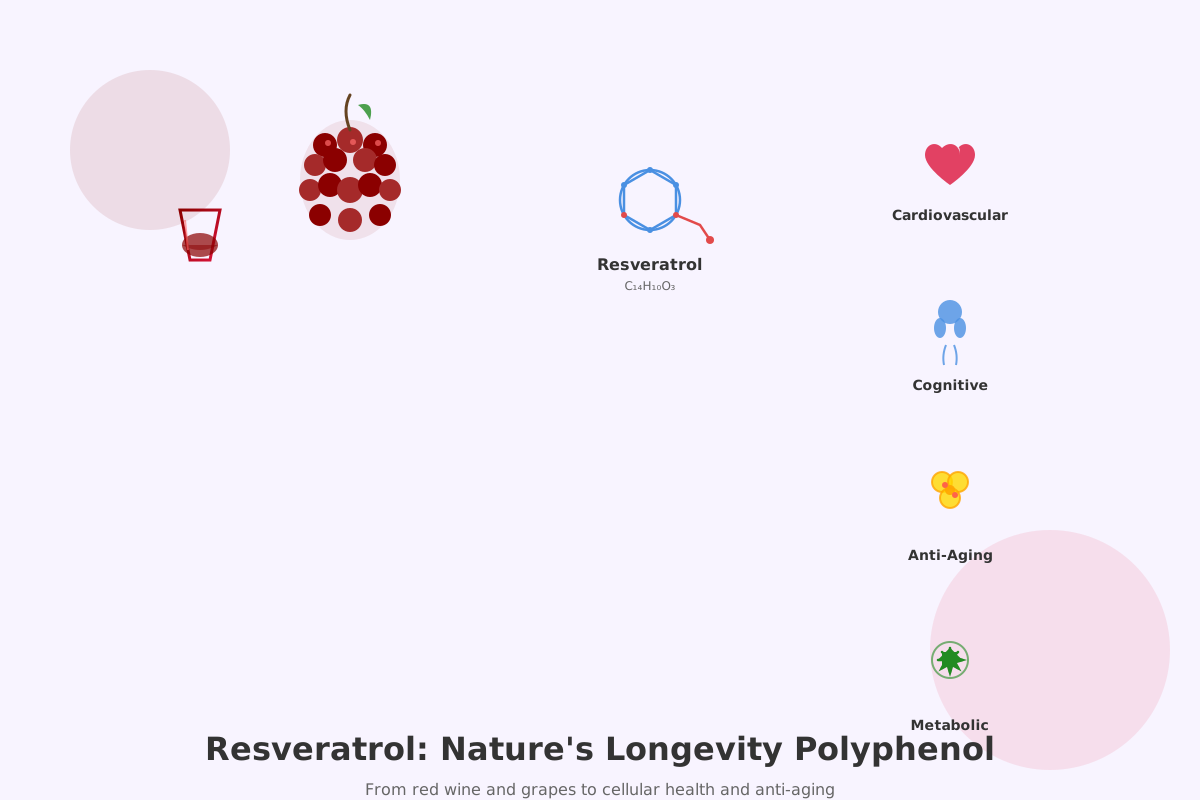
What makes resveratrol especially interesting is its role as a potential activator of sirtuin 1 (SIRT1), often called the 'longevity gene.' This mechanism mirrors the benefits you'd get from caloric restriction or intense training, but through a dietary source.
The challenge? Resveratrol has low bioavailability when taken as a supplement—meaning your body absorbs and retains only a fraction of what you consume. However, when you get resveratrol from whole foods like red grapes or wine, the food matrix significantly enhances absorption, making dietary sources six times more bioavailable than pills.
What Is Resveratrol?
Resveratrol is a polyphenolic compound—a class of plant micronutrients that act as powerful antioxidants and anti-inflammatory agents. It's produced naturally by plants like grapes, berries, peanuts, and cocoa as a defense mechanism against environmental stress, UV radiation, and fungal infections. The compound was first isolated from Japanese knotweed and later identified in red wine during the 1990s, sparking the 'French Paradox' research that explored why populations consuming red wine had lower cardiovascular disease rates.
Not medical advice.
Resveratrol exists in two forms: trans-resveratrol (the active form) and cis-resveratrol. The trans form is more bioavailable and has been the primary focus of clinical research. Red grapes contain 3-10 times more resveratrol than white varieties because the compound concentrates in the skin, which is left on red grapes during fermentation but removed from white grapes. A single glass of red wine contains approximately 0.3-7 mg of resveratrol, while whole grapes provide a broader spectrum of synergistic polyphenols.
Surprising Insight: Surprising Insight: Resveratrol from wine and grape juice is absorbed six times more efficiently than resveratrol supplements, suggesting that whole-food compounds enhance absorption through complex interactions not yet fully understood.
Resveratrol Sources and Polyphenol Content
Distribution of resveratrol across food sources and how preparation affects concentration and bioavailability.
🔍 Click to enlarge
Why Resveratrol Matters in 2026
In 2026, resveratrol has shifted from a trendy supplement to a serious focus of longevity research. Major NIH-funded studies have documented its effects on cardiovascular function, metabolic health, and cellular aging. As interest in preventive health grows, understanding polyphenols like resveratrol becomes essential—not because they're miracle cures, but because they represent a well-researched dietary approach to supporting your body's own defense systems.
The wellness industry has matured beyond marketing hype into evidence-based supplementation. Resveratrol exemplifies this shift: clinical trials show specific, measurable benefits in blood vessel function, glucose metabolism, and inflammatory markers. Healthcare practitioners now recommend resveratrol not as a replacement for exercise or healthy eating, but as a complementary strategy for cardiovascular protection and metabolic optimization.
For people managing age-related concerns—from early cardiovascular changes to metabolic sluggishness—resveratrol offers research-backed support. The polyphenol works best when integrated into a holistic approach that includes physical fitness, stress management, and quality sleep, making it part of a comprehensive health optimization strategy rather than a standalone solution.
The Science Behind Resveratrol
Resveratrol's mechanisms of action involve multiple cellular pathways that converge on longevity and disease prevention. The primary pathway involves activation of sirtuin 1 (SIRT1), a protein that regulates cellular stress responses, DNA repair, and metabolic processes. When SIRT1 is activated, it triggers a cascade of protective effects: increased autophagy (cellular cleanup), reduced oxidative stress, improved mitochondrial function, and enhanced stress resilience. This is the same pathway activated during caloric restriction and exercise—explaining why resveratrol is sometimes called a 'caloric restriction mimetic.'
Beyond SIRT1, resveratrol modulates other critical signaling systems. It acts as a potent antioxidant, directly neutralizing reactive oxygen species (ROS) that accumulate with aging and chronic disease. It inhibits pro-inflammatory cytokines like IL-1, IL-6, and TNF-alpha, reducing systemic inflammation linked to cardiovascular disease, neurodegeneration, and metabolic dysfunction. It also improves endothelial function—the health of cells lining blood vessels—through enhanced nitric oxide production, which improves blood flow and vascular elasticity. A clinical trial showed that just 75 mg daily resveratrol for six weeks improved flow-mediated dilatation (a marker of vascular health) in healthy obese individuals.
Resveratrol Cellular Mechanisms of Action
How resveratrol activates longevity pathways, reduces inflammation, and protects cellular structures.
🔍 Click to enlarge
Key Components of Resveratrol
Trans-Resveratrol
Trans-resveratrol is the active, bioavailable form of resveratrol most abundantly found in red grapes, red wine, and berries. It's the primary compound studied in clinical trials because of its superior absorption and cellular activity compared to cis-resveratrol. Trans-resveratrol crosses the blood-brain barrier, making it effective for neuroprotection and cognitive support, and it preferentially activates SIRT1 in tissues throughout the body. Most effective studies have used 75-200 mg daily of trans-resveratrol.
Polyphenol Synergy
Whole grape sources contain over 1,600 bioactive compounds working synergistically: resveratrol, quercetin, catechins, anthocyanins, proanthocyanidins, and others. This polyphenol complex creates a multiplicative effect greater than any single compound alone. Wine and grape juice contain this full spectrum, while isolated resveratrol supplements lack these supporting compounds. Research shows that consuming whole grapes provides six times greater resveratrol bioavailability than supplements—a phenomenon researchers attribute to this synergistic food matrix effect.
Metabolite Formation
Once absorbed, resveratrol undergoes rapid metabolism in the liver and intestines through glucuronidation and sulfation. This creates metabolites—resveratrol glucuronides and sulfates—that circulate in your bloodstream and may have their own biological activities. Interestingly, your gut microbiota also metabolize resveratrol, producing metabolites that contribute to its systemic effects. This is why individual responses to resveratrol can vary: genetic differences in metabolic enzymes and differences in gut bacterial composition affect how much active resveratrol your body produces.
Bioavailability Factors
Resveratrol's bioavailability depends on multiple factors: food source (whole foods superior to supplements), presence of other polyphenols (enhanced absorption), meal composition (fat improves absorption), intestinal pH, and individual variation in metabolic enzymes. Low bioavailability from supplements (20-30%) reflects rapid metabolism, not poor absorption—the compound is absorbed quickly but metabolized and eliminated within hours. This is why consistency and regular intake matter more than taking large single doses.
| Source | Resveratrol Content | Bioavailability |
|---|---|---|
| Red Wine (5 oz glass) | 0.3-7 mg | High (6x supplement) |
| Red Grapes (1 cup) | 0.2-0.5 mg | High (whole food matrix) |
| Grape Juice (8 oz) | 0.1-5 mg | High (similar to wine) |
| Blueberries (1 cup) | 0.5-2 mg | Moderate-High |
| Peanuts (1 oz) | 0.1-0.3 mg | Moderate |
| Dark Cocoa (1 tbsp) | 0.2-1.2 mg | Moderate |
| Supplement (100 mg) | 100 mg | Low (20-30%) |
How to Apply Resveratrol: Step by Step
- Step 1: Assess your baseline cardiovascular health: Consider your current heart health, family history, and any existing markers like blood pressure or cholesterol. This helps determine whether resveratrol supplementation aligns with your health priorities.
- Step 2: Choose your primary source: Decide between whole food sources (red grapes, red wine, berries) or supplements. Whole foods are more bioavailable but require consistency; supplements offer dosage precision but lower absorption.
- Step 3: For whole food approach: Include red grapes, berries, or a modest glass of red wine 4-5 times weekly. This provides 0.5-5 mg of resveratrol with high bioavailability from polyphenol synergy.
- Step 4: For supplement approach: Start with 75-100 mg daily trans-resveratrol. Take with a meal containing fat (olive oil, nuts, avocado) to maximize absorption. Consistent daily intake matters more than occasional large doses.
- Step 5: Track your response: Monitor subjective markers like energy levels, sleep quality, and recovery after exercise for 3-4 weeks. Some people experience improved vitality and reduced inflammation; others notice no significant change.
- Step 6: Consider your metabolic status: If you have metabolic concerns (pre-diabetes, elevated triglycerides), combine resveratrol with dietary modifications and exercise—resveratrol amplifies the benefits of healthy behaviors rather than replacing them.
- Step 7: Manage expectations around aging: Resveratrol supports cellular health and longevity pathways, but it's one component of a comprehensive anti-aging strategy that includes sleep, exercise, stress management, and whole-food nutrition.
- Step 8: Combine with complementary practices: Resveratrol works synergistically with caloric restriction, intermittent fasting, and intense exercise—activities that also activate SIRT1 and longevity pathways.
- Step 9: Test individual variation: Individual responses differ based on genetics, age, and existing health status. Someone already following healthy habits may notice subtle benefits; someone just beginning a health journey may experience more dramatic shifts.
- Step 10: Maintain consistency: Resveratrol's benefits accumulate through regular intake over months and years. Sporadic use or dose-and-forget approaches won't capture the longevity benefits documented in clinical trials.
Resveratrol Across Life Stages
Young Adulthood (18-35)
Young adults benefit from resveratrol primarily through metabolic optimization and cellular protection rather than disease prevention. At this life stage, incorporating resveratrol through whole foods (grapes, berries, wine in moderation) establishes healthy polyphenol intake patterns and supports metabolic flexibility. The primary benefit is preventive: building resistance to oxidative stress and inflammation that accumulates with age. Young adults engaged in regular exercise benefit synergistically—resveratrol enhances the cellular adaptations triggered by training, improving endurance and recovery.
Middle Adulthood (35-55)
This is when resveratrol's cardiovascular and metabolic benefits become most relevant. As aging begins to shift cardiovascular function, metabolic efficiency, and inflammatory markers, resveratrol becomes a strategic intervention. Middle adults often experience early metabolic changes (slight weight gain despite unchanged eating, early blood pressure elevation, rising triglycerides) where resveratrol shows documented benefits. At this stage, either whole-food sources or supplements (75-100 mg daily) combined with lifestyle modifications effectively support cardiovascular adaptation and metabolic health.
Later Adulthood (55+)
Older adults gain substantial benefits from resveratrol's neuroprotective, cardiovascular, and metabolic effects. As cognitive decline risk rises and cardiovascular disease becomes increasingly prevalent, resveratrol's ability to cross the blood-brain barrier and support both neurological and vascular health becomes particularly valuable. Clinical studies in older populations show improved glucose metabolism, enhanced memory function, and better blood vessel health with 200 mg daily intake. At this stage, maintaining consistent polyphenol intake through multiple sources (wine, grapes, berries, supplements) provides comprehensive protection against age-related decline.
Profiles: Your Resveratrol Approach
The Cardiovascular-Focused Optimizer
- Specific blood vessel function support and endothelial health improvement
- Blood pressure and cholesterol support through proven polyphenol mechanisms
- Integration with existing cardiac prevention practices and medical recommendations
Common pitfall: Viewing resveratrol as a replacement for medications or lifestyle modifications, rather than as a complementary strategy that amplifies the benefits of exercise and diet.
Best move: Combine 100 mg daily resveratrol supplement with consistent aerobic exercise and Mediterranean-style eating. Monitor vascular markers (blood pressure, flow-mediated dilation if available) quarterly to assess cumulative effects over 3-6 months.
The Metabolic Health Seeker
- Glucose metabolism support and insulin sensitivity enhancement
- Weight management support through improved metabolic flexibility
- Synergy with intermittent fasting or low-carb dietary approaches
Common pitfall: Expecting resveratrol alone to address metabolic dysfunction without concurrent dietary and exercise changes. Resveratrol amplifies healthy behaviors but cannot overcome poor nutrition.
Best move: Pair 75 mg daily resveratrol with regular resistance training and intermittent fasting. Track metabolic markers (fasting glucose, triglycerides) every 8-12 weeks. The combination of exercise, fasting, and resveratrol creates synergistic SIRT1 activation.
The Whole-Food Purist
- Complete polyphenol spectrum from whole food sources rather than isolated compounds
- Synergistic benefits from the full 1,600+ compounds present in grapes and berries
- Practical guidance on consistent whole-food integration
Common pitfall: Assuming that occasional red wine or grape consumption provides meaningful therapeutic benefit. Consistency and regular intake matter—sporadic consumption underutilizes the polyphenol approach.
Best move: Establish a routine: red grapes or berries daily, moderate red wine 4-5x weekly, and occasional dark chocolate or cocoa. Track biomarkers (inflammatory markers, blood pressure) to validate the whole-food approach's effectiveness.
The Cognitive Longevity Prioritizer
- Brain health support and neuroprotection against age-related cognitive decline
- Blood-brain barrier crossing and direct neural tissue effects
- Integration with other cognitive support strategies (meditation, learning, sleep)
Common pitfall: Starting resveratrol supplementation without optimizing sleep, stress, and cognitive exercise—the foundation of brain health. Resveratrol supports but doesn't replace these fundamentals.
Best move: Combine 150-200 mg daily trans-resveratrol (for neuroprotective crossing of blood-brain barrier) with consistent sleep optimization (7-9 hours), daily meditation, and cognitive engagement. Assess memory and mental clarity subjectively after 8-12 weeks.
Common Resveratrol Mistakes
The most prevalent mistake is viewing resveratrol as a magic bullet that replaces exercise, good nutrition, and sleep. Clinical research shows resveratrol works as a multiplier—it amplifies the benefits of existing healthy behaviors—not as a standalone solution. Someone expecting resveratrol supplements to compensate for sedentary living or poor diet will be disappointed. The compound works best when integrated into a comprehensive health strategy.
Another common error is taking excessive doses, assuming 'more is better.' Beyond 200-300 mg daily, additional resveratrol provides no documented additional benefit and may create unnecessary metabolic burden. Clinical trials showing benefits used 75-200 mg daily; megadosing is neither necessary nor evidence-supported. Instead of large isolated doses, consistent moderate intake (75-100 mg daily supplement or regular whole-food consumption) produces superior results.
People frequently expect immediate results and abandon resveratrol after 2-3 weeks. Cellular and longevity benefits accumulate slowly over months and years. Blood vessel function may improve within 6 weeks (as shown in clinical trials), but cognitive and metabolic benefits often require 8-12 weeks of consistent intake to become noticeable. Patience and consistency matter far more than intensity of dosing.
Resveratrol Mistakes and Corrections
Common misconceptions about resveratrol use and the evidence-based approach to each.
🔍 Click to enlarge
Science and Studies
Recent resveratrol research from 2020-2026 has provided robust evidence of its mechanisms and clinical benefits. Major NIH-supported studies have documented specific, measurable effects on human cardiovascular function, metabolic health, and cellular aging markers. The research has moved beyond animal studies and test tubes to focus on human clinical trials, providing confidence in real-world effectiveness.
- NIH (PMC12152427, 2024): Comprehensive review of resveratrol molecular mechanisms, health benefits, and potential adverse effects in human populations. Concluded resveratrol exhibits antioxidant, anti-inflammatory, immunomodulatory, neuroprotective, and cardiovascular protective effects across diverse chronic conditions.
- PMC8466271 (2022): 'The Effect of Resveratrol on the Cardiovascular System' documented flow-mediated dilatation (vascular function) improvements in obese individuals with just 75 mg daily for 6 weeks, demonstrating rapid cardiovascular benefits.
- PMC7143620 (2020): 'Health Benefits and Molecular Mechanisms' demonstrated how resveratrol modulates SIRT1, improves mitochondrial function, enhances autophagy, and reduces oxidative stress—the primary pathways of aging.
- Journal of Pharmacology (Cheng 2020): Established resveratrol's mechanisms of cardiovascular protection through endothelial function improvement, blood pressure modulation, and anti-inflammatory signaling.
- PMC8289612 (2023): 'Effects and Mechanisms of Resveratrol on Aging and Age-Related Diseases' showed resveratrol's effectiveness in mitigating neurodegenerative diseases, sarcopenia, osteoporosis, and cancer progression through longevity pathway activation.
Your First Micro Habit
Start Small Today
Today's action: Tomorrow morning, add one small handful of red grapes to your breakfast or one glass of red wine to dinner—a 2-minute action that begins consistent polyphenol intake with zero complexity.
Starting with whole-food resveratrol removes decision fatigue (no supplement to purchase or remember), fits easily into existing routines, and immediately builds the consistency that drives longevity benefits. Whole-food sources also provide synergistic polyphenols that enhance effectiveness beyond isolated resveratrol.
Keep quitting habit apps after a missed day? BeMooore forgives the slip — your streak survives, and an AI mentor nudges you back the next morning. Free on iOS.
Quick Assessment
What is your primary health focus regarding resveratrol?
Your focus determines the optimal resveratrol approach. Cardiovascular prioritizers benefit most from consistent intake (75 mg daily supplement). Metabolic seekers gain synergy from combining resveratrol with exercise and fasting. Cognitive prioritizers need higher doses (150-200 mg) to ensure blood-brain barrier crossing. Longevity seekers do well with whole-food sources for broad polyphenol support.
Do you prefer whole food sources or supplements?
Whole food sources provide 6x higher bioavailability and the synergistic benefits of 1,600+ grape compounds. Supplements offer convenient, consistent dosing for people with busy schedules. A combined approach gives you whole-food benefits most days with supplement backup for consistency. Your choice reflects your lifestyle and compliance preferences.
How quickly do you expect resveratrol results?
Realistic expectations are crucial for success. Blood vessel function may improve within 6 weeks, but metabolic and cognitive benefits require 8-12 weeks of consistent intake. If you expect faster results, you may abandon resveratrol prematurely. Understanding the timeline helps you commit to consistency and track genuine progress.
Take our full assessment to get personalized recommendations.
Discover Your Style →Next Steps
Your resveratrol journey begins with clarity about your health priorities. Are you focused on cardiovascular protection, metabolic optimization, cognitive longevity, or general anti-aging? Your answer determines whether you prioritize supplements for consistency (cardiovascular and metabolic) or emphasize whole foods for polyphenol synergy (cognitive and longevity). Either approach works; the key is matching your strategy to your specific health goals and lifestyle.
Consider starting with the whole-food micro habit (red grapes or wine) this week to build immediate consistency. If you choose supplements, purchase trans-resveratrol specifically, start at 75 mg daily with food, and commit to 8-12 weeks of consistent intake before evaluating results. Simultaneously, optimize the complementary behaviors that amplify resveratrol's effects: consistent exercise, quality sleep, stress management, and whole-food nutrition. Resveratrol multiplies the benefits of these foundations—it doesn't replace them.
Get personalized guidance with AI coaching.
Start Your Journey →Research Sources
This article is based on peer-reviewed research and authoritative sources. Below are the key references we consulted:
Related Glossary Articles
Frequently Asked Questions
Is resveratrol safe for daily consumption?
Yes, resveratrol is generally well-tolerated at therapeutic doses (75-200 mg daily) with minimal side effects in clinical populations. At these dosages, approximately 5-10% of users report mild gastrointestinal effects; serious adverse effects are rare. However, resveratrol may interact with blood-thinning medications (warfarin, aspirin) by enhancing their effects, and it may lower blood pressure in individuals already taking antihypertensives. Consult your healthcare provider before starting resveratrol if you take medications.
How much resveratrol do I need to see benefits?
Clinical studies showing measurable benefits used 75-200 mg daily of trans-resveratrol supplements or consistent whole-food intake (red grapes 4-5x weekly, moderate red wine intake). Cardiovascular improvements appeared within 6 weeks at 75 mg daily. Metabolic and cognitive benefits typically require 8-12 weeks of consistent intake. There's no documented benefit to exceeding 200-300 mg daily; the research supports moderate, consistent dosing over megadosing.
Why is resveratrol from wine more effective than supplements?
Whole-food resveratrol is 6x more bioavailable than supplements because of synergistic effects from 1,600+ compounds in grapes. The food matrix includes quercetin, catechins, anthocyanins, and other polyphenols that enhance resveratrol absorption and activity. Additionally, the alcohol in wine may facilitate resveratrol absorption. Supplements provide isolated trans-resveratrol without these synergistic companions, resulting in lower overall bioavailability despite higher absolute dosages.
Should I take resveratrol on an empty stomach or with food?
Take resveratrol supplements with a meal containing fat (olive oil, nuts, avocado) to maximize absorption. Fat in the meal enhances bioavailability through improved solubilization and intestinal absorption. Taking resveratrol with food also reduces the risk of mild gastrointestinal effects. Timing (morning vs. evening) appears less important than consistency; daily intake matters more than specific timing.
Can I get all the resveratrol I need from food?
Yes, consistent whole-food consumption can provide therapeutic resveratrol levels. A daily handful of red grapes plus 4-5 glasses of wine weekly provides 3-15 mg of highly bioavailable resveratrol. However, maintaining this consistency requires discipline, and alcohol intake limits make wine a less practical daily source for some people. For individuals prioritizing simplicity and consistency, supplements offer an efficient alternative that delivers measurable doses without alcohol or calorie concerns.
Take the Next Step
Ready to improve your wellbeing? Take our free assessment to get personalized recommendations based on your unique situation.
- Discover your strengths and gaps
- Get personalized quick wins
- Track your progress over time
- Evidence-based strategies