Cold Plunge
Imagine stepping into water so cold that every cell in your body lights up, your breath catches, and within seconds, a wave of clarity and energy washes over you that lasts for hours. Cold plunge therapy is one of the most powerful, accessible, and science-backed tools available for transforming your <a href='/g/energy-management.html'>energy management</a>, sharpening your <a href='/g/focus.html'>focus</a>, and accelerating <a href='/g/recovery.html'>recovery</a>. What was once reserved for elite athletes and Nordic traditions has become a cornerstone of modern <a href='/g/biohacking.html'>biohacking</a> and <a href='/g/holistic-health.html'>holistic health</a>.
Research published in 2025 in PLOS One confirmed that cold water immersion produces measurable reductions in stress, improvements in sleep quality, and lasting mood elevation. A landmark study from the University of Ottawa showed that regular cold exposure actually changes your cells at the molecular level, enhancing autophagy and cellular resilience.
In this guide, you will learn exactly how cold plunge works, what the science says about brain function, metabolism, and immune system benefits, and how to build a safe, effective cold plunge practice tailored to your goals and fitness level.
What Is Cold Plunge?
A cold plunge is the deliberate immersion of your body in cold water, typically between 37 and 59 degrees Fahrenheit (3 to 15 degrees Celsius), for a specific duration to trigger beneficial physiological responses. This practice goes by many names, including cold water immersion, cold water therapy, and deliberate cold exposure. The core principle is simple: exposing your body to cold stress activates a cascade of hormonal, neurological, and metabolic responses that promote healing and repair, mental toughness, and overall body wellness.
Not medical advice.
Cold plunge is distinct from simply taking a cold shower. Full body immersion up to the neck produces far stronger hormonal responses because the cold stimulus reaches a much greater surface area of skin and activates more thermoreceptors simultaneously. This distinction matters because the brain health and cardiovascular health benefits documented in research specifically used immersion protocols, not just cold showers. Whether you use a dedicated cold plunge tub, a natural body of water, or even a chest freezer converted for the purpose, the key variables are water temperature, duration, and consistency of practice.
Surprising Insight: Surprising Insight: A single cold plunge session can increase dopamine levels by up to 250% above baseline, with effects lasting over two hours, according to research cited by neuroscientist Andrew Huberman. This rivals the dopamine surge from some pharmaceutical interventions, yet comes with virtually no risk of dependency.
Cold Plunge Physiological Response Chain
How cold water immersion triggers a cascade of beneficial physiological responses in the body
🔍 Click to enlarge
Why Cold Plunge Matters in 2026
Cold plunge has moved far beyond a wellness trend. In 2025, a comprehensive systematic review and meta-analysis published in PLOS One analyzed 11 studies with over 3,000 participants and found significant benefits for stress reduction, sleep quality, and overall quality of life. This is the strongest evidence base cold therapy has ever had, and it is only growing. For anyone serious about longevity, stress management, or athletic performance, cold plunge is no longer optional; it is a foundational practice.
The modern lifestyle is characterized by chronic stress, sedentary behavior, and constant thermoneutral comfort. Our bodies evolved to handle temperature variation, and the absence of thermal stress may contribute to the rise of chronic disease, metabolic dysfunction, and poor emotional resilience. Cold plunge reintroduces a natural stressor that your body is designed to handle, triggering adaptive responses that strengthen every system from your cardiovascular system to your immune system.
Additionally, in an era of increasing mental health challenges, cold plunge offers a drug-free intervention for mood regulation. The dopamine and norepinephrine surges produced by cold exposure rival pharmaceutical interventions in magnitude, and studies from Harvard Health and Psychology Today highlight the growing body of evidence supporting cold water therapy for anxiety relief and depression management. The accessibility of cold plunge, requiring no prescription, no gym membership, and minimal equipment, makes it one of the most democratic health interventions available.
The Science Behind Cold Plunge
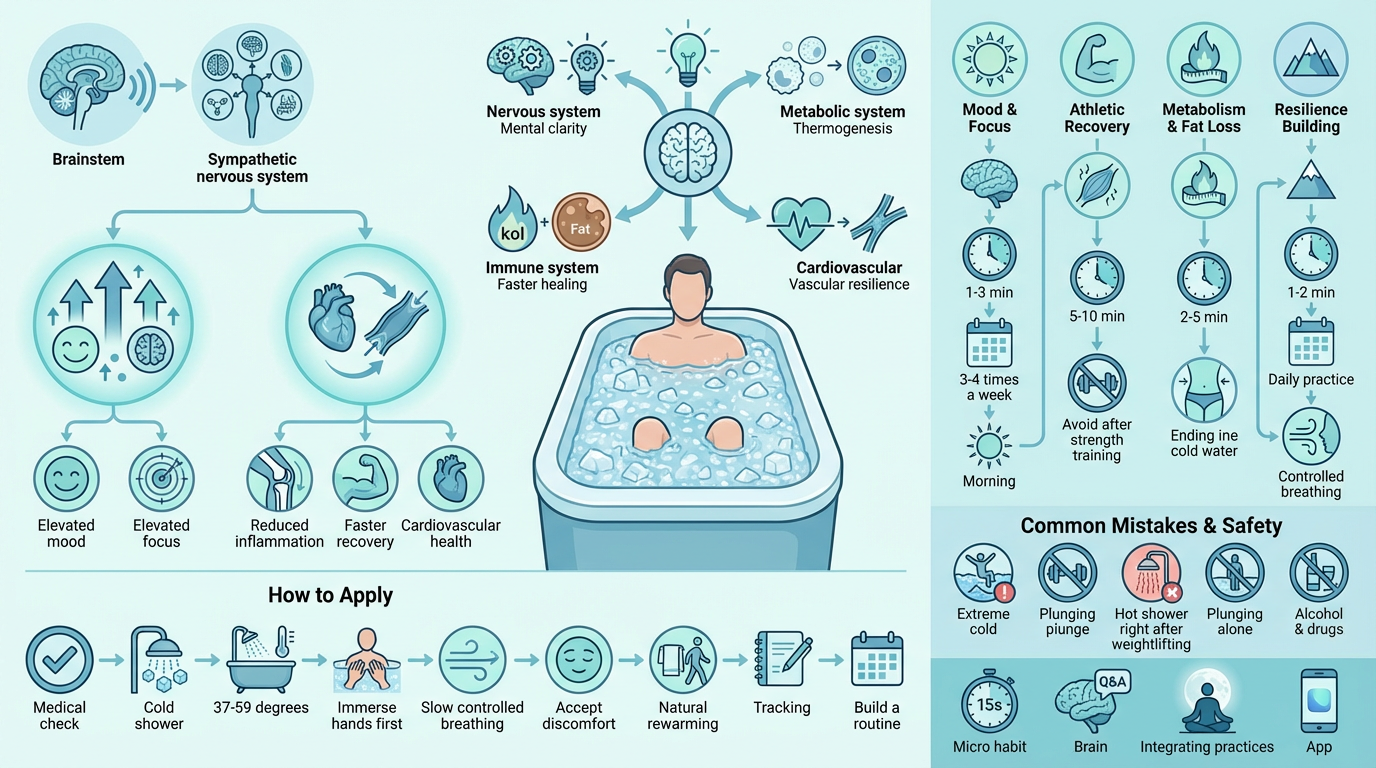
The science of cold plunge centers on a concept called hormesis: a mild stress that triggers adaptive responses far greater than the original challenge. When cold water contacts your skin, thermoreceptors fire rapidly and send signals through your spinal cord to your brainstem. This activates the sympathetic nervous system, releasing a flood of norepinephrine (up to 530% above baseline) and dopamine (up to 250% above baseline). These neurotransmitters drive improvements in focus, mood, energy boost, and motivation that can persist for hours after a single session.
Beyond neurotransmitters, cold exposure activates brown adipose tissue (BAT), a metabolically active fat that burns calories to generate heat. This process, called cold thermogenesis, can meaningfully increase your resting metabolism and support fat reduction goals. Research published in the journal Cell Reports demonstrated that regular cold exposure increases the density and activity of brown fat, turning your body into a more efficient calorie-burning machine. Cold plunge also reduces inflammatory markers such as IL-6 and TNF-alpha, which is why it is so effective for post-exercise recovery optimization and managing conditions linked to chronic inflammation.
A 2025 study from the University of Ottawa revealed that cold water acclimation enhances autophagic and apoptotic responses in young males, essentially showing that cold exposure helps your cells clean out damaged components and recycle them more efficiently. This cellular housekeeping process is one of the primary mechanisms behind the anti-aging and disease prevention benefits attributed to cold therapy. Dr. Susanna Soberg's research, featured on the Huberman Lab podcast, further confirmed that ending on cold (rather than warm) maximizes the metabolic benefits of deliberate cold exposure.
Cold Plunge Benefits Across Body Systems
Visual map of how cold plunge therapy impacts different systems in the body
🔍 Click to enlarge
Key Components of Cold Plunge
Water Temperature
The temperature of your cold plunge is the most critical variable. Research shows that the sweet spot for most benefits lies between 37 and 59 degrees Fahrenheit (3 to 15 degrees Celsius). Temperatures in this range are cold enough to trigger significant norepinephrine and dopamine release without posing extreme risk to most healthy individuals. Beginners should start at the warmer end of this spectrum, around 55 to 59 degrees Fahrenheit, and gradually work toward colder temperatures as their body systems adapt. Colder is not always better; the goal is to find a temperature that feels uncomfortably cold but manageable, which neuroscientist Andrew Huberman describes as wanting to get out but being safe to stay in.
Duration and Frequency
According to the Huberman Lab protocol, the optimal weekly cold exposure target is approximately 11 minutes total, divided across 2 to 4 sessions per week. Each individual session typically lasts 1 to 5 minutes, depending on water temperature and your experience level. Shorter durations in colder water can produce equivalent benefits to longer durations in warmer water. The key principle is consistency: regular brief exposures produce far greater adaptations than occasional long ones. This aligns with the broader habit formation principle that frequency matters more than intensity for building lasting daily routines.
Breathing and Mental Approach
How you breathe during a cold plunge determines whether the experience builds resilience or simply triggers panic. The initial gasp reflex upon entering cold water is a sympathetic nervous system response. The practice of maintaining slow, controlled breathing techniques through this reflex is what builds genuine mental toughness and emotional regulation. Focus on extending your exhale to be longer than your inhale, which activates the parasympathetic nervous system and calms the fight-or-flight response. This deliberate control over your stress response in the water translates directly to better stress tolerance in everyday life.
Timing and Context
When you do your cold plunge matters significantly. For maximum energy levels and focus throughout the day, cold exposure in the morning is ideal because the dopamine and norepinephrine release aligns with your natural cortisol awakening response. However, cold plunging too close to bedtime can disrupt sleep quality by elevating core body temperature through the rebound warming effect. For athletes focused on strength training or HIIT workouts, it is essential to avoid cold plunge within 4 to 6 hours after hypertrophy training, as cold exposure can blunt the inflammatory signaling needed for muscle growth. Use cold plunge on rest days or before training sessions instead.
| Goal | Temperature Range | Duration / Frequency |
|---|---|---|
| Mood & Focus | 50-59°F (10-15°C) | 1-3 min, 3-4x per week, morning |
| Athletic Recovery | 50-59°F (10-15°C) | 5-10 min post-exercise (not after strength training) |
| Metabolism & Fat Loss | 37-50°F (3-10°C) | 2-5 min, 2-3x per week, end on cold |
| Resilience Building | 40-55°F (4-13°C) | 1-2 min, daily, with controlled breathing |
| Immune Support | 50-59°F (10-15°C) | 1-3 min, 3x per week, consistent schedule |
How to Apply Cold Plunge: Step by Step
- Step 1: Start with a medical clearance. If you have cardiovascular conditions, Raynaud's disease, or are pregnant, consult your doctor before beginning cold plunge therapy. Cold exposure places significant demand on your <a href='/g/heart-health.html'>heart health</a> and <a href='/g/cardiovascular-health.html'>cardiovascular health</a>.
- Step 2: Begin with cold showers. Spend the last 30 seconds of your regular shower under the coldest setting for one week. This acclimates your nervous system to cold stress without the intensity of full immersion, building foundational <a href='/g/self-discipline.html'>discipline</a>.
- Step 3: Prepare your cold plunge setup. Whether you use a dedicated tub, a natural body of water, or a chest freezer with a thermometer, ensure the water temperature is between 55 and 59 degrees Fahrenheit (13 to 15 degrees Celsius) to start.
- Step 4: Set a timer for your first session. Begin with just 60 seconds of full body immersion up to your neck. Keep your hands in the water; this dramatically increases the cold stimulus and hormone response.
- Step 5: Control your breathing. When the cold shock reflex hits, resist the urge to hyperventilate. Instead, take slow, deliberate breaths with a 4-count inhale and a 6-count exhale. This is where <a href='/g/self-control.html'>willpower</a> and <a href='/g/breathing-techniques.html'>breathing techniques</a> intersect.
- Step 6: Stay present and accept the discomfort. The urge to exit is strongest in the first 30 seconds. Practice <a href='/g/mindfulness.html'>mindfulness</a> by observing the cold sensation without judging it. Notice how the intensity naturally decreases as your body adapts.
- Step 7: Exit the water and let your body rewarm naturally. Do not jump into a hot shower immediately. The natural rewarming process is when your body activates brown fat and <a href='/g/boost-metabolism.html'>boosts metabolism</a>. Light movement like walking is ideal.
- Step 8: Track your sessions. Record water temperature, duration, and how you felt afterward. This data helps you progressively challenge yourself and correlate cold plunge with improvements in <a href='/g/sleep-quality.html'>sleep quality</a>, mood, and <a href='/g/energy-management.html'>energy management</a>.
- Step 9: Gradually increase the challenge. Each week, either lower the temperature by 2 to 3 degrees or extend the duration by 15 to 30 seconds. The Huberman protocol targets 11 total minutes per week across 2 to 4 sessions.
- Step 10: Build it into a consistent routine. Pair your cold plunge with an existing <a href='/g/morning-rituals.html'>morning ritual</a> anchor habit, such as right after your morning coffee or before <a href='/g/meditation.html'>meditation</a>. Consistency is more important than intensity for long-term <a href='/g/body-transformation.html'>body transformation</a>.
Cold Plunge Across Life Stages
Young Adulthood (18-35)
For young adults, cold plunge serves as a powerful tool for athletic development, body composition optimization, and building mental toughness that translates to every area of life. This age group can generally tolerate colder temperatures and longer durations more readily, making it ideal for pursuing aggressive protocols. Young adults often use cold plunge to accelerate recovery between exercise sessions, manage the stress of career building, and develop the discipline and willpower that separate high performers from average ones. The dopamine and norepinephrine benefits are particularly valuable during this life stage, when focus and motivation are essential for establishing career trajectories and healthy eating habits.
Middle Adulthood (35-55)
During middle adulthood, cold plunge becomes an essential tool for combating metabolic slowdown, managing chronic stress, and preserving cognitive function. The brown fat activation and metabolic benefits of cold exposure directly address the tendency for metabolism to decline with age. This life stage often brings increased responsibilities that create chronic stress patterns, and the norepinephrine-driven stress resilience from regular cold plunge practice provides a sustainable, drug-free approach to burnout prevention. Cold therapy also supports cardiovascular health through improved circulation and blood pressure regulation, addressing one of the primary health concerns of this demographic. The autophagy benefits become increasingly relevant as cellular aging accelerates.
Later Adulthood (55+)
For older adults, cold plunge requires more caution but offers profound benefits for longevity and disease prevention. Starting with milder temperatures (55 to 60 degrees Fahrenheit) and shorter durations (30 to 60 seconds) is essential, as the cardiovascular response to cold stress is more pronounced with age. The cellular autophagy benefits are particularly valuable for this age group, supporting the body's natural anti-aging processes. Cold plunge can help maintain brain optimization and cognitive health through enhanced blood flow and neurotransmitter production. The immune system support is also critical, as immune function naturally declines with age. Medical supervision is strongly recommended for this age group, especially for those with existing heart health conditions.
Profiles: Your Cold Plunge Approach
The Performance Optimizer
- Structured protocols with measurable progression
- Integration with existing fitness training schedule
- Data tracking for temperature, duration, and recovery metrics
Common pitfall: Plunging immediately after strength training, which blunts muscle growth signaling
Best move: Schedule cold plunge on rest days or at least 6 hours before hypertrophy training for maximum <a href='/g/athletic-performance.html'>athletic performance</a> gains
The Stress Warrior
- Morning cold plunge ritual for <a href='/g/anxiety-relief.html'>anxiety relief</a> and mood stability
- Breath-focused approach emphasizing parasympathetic activation
- Consistent daily practice even if brief
Common pitfall: Using cold plunge as a punishment or pushing through extreme discomfort rather than building gradually
Best move: Start with 60-second sessions at 55 degrees Fahrenheit and focus on mastering controlled breathing before increasing intensity
The Longevity Seeker
- Moderate, sustainable protocols prioritizing cellular health
- Combination with other <a href='/g/biohacking.html'>biohacking</a> practices like intermittent fasting
- Focus on natural rewarming to maximize metabolic benefits
Common pitfall: Chasing extreme cold temperatures without building proper adaptation over months
Best move: Follow the Soberg principle: always end on cold, and aim for 11 minutes total weekly exposure across 3 to 4 sessions
The Cautious Beginner
- Gentle introduction starting with cold showers
- Clear safety guidelines and medical clearance
- Community support and accountability
Common pitfall: Comparing yourself to experienced practitioners and attempting advanced protocols too soon
Best move: Spend two weeks with cold showers before attempting full immersion, and never plunge alone during your first month of practice
Common Cold Plunge Mistakes
The most dangerous mistake is jumping into extremely cold water without proper acclimatization. Cold shock response can cause involuntary gasping, hyperventilation, and in rare cases, cardiac arrhythmia. Always start with warmer cold water (55 to 59 degrees Fahrenheit) and progress gradually over weeks. Building resilience to cold is a process, not a single event. This mirrors the broader principle in general health that sustainable change requires patience and progressive challenge rather than extreme interventions.
Another common error is cold plunging immediately after strength training or HIIT workouts aimed at building muscle. Research cited by Huberman Lab shows that cold exposure within 4 to 6 hours of hypertrophy training can reduce the inflammatory signaling pathways (mTOR pathway) necessary for muscle protein synthesis. This does not mean cold plunge is bad for athletes; it means timing matters enormously. On cardio days or rest days, cold plunge accelerates recovery. After strength sessions, wait at least 6 hours or save the cold plunge for the next day.
Many people also make the mistake of immediately warming up with a hot shower or heated blanket after their cold plunge. The natural rewarming process is where much of the metabolic benefit occurs. Your body activates brown adipose tissue and burns calories to generate heat endogenously. By short-circuiting this process with external heat, you eliminate one of the primary mechanisms through which cold plunge supports weight loss and fat reduction. Instead, towel off and allow your body 10 to 15 minutes to rewarm naturally through gentle movement or simply sitting calmly.
Cold Plunge Decision Guide
A decision flowchart to help determine the right cold plunge protocol based on your goals and experience
🔍 Click to enlarge
Cold Plunge and Mental Health
The mental health benefits of cold plunge are among the most compelling reasons to adopt this practice. A 2024 article in Psychology Today highlighted the growing evidence that ice baths show genuine promise for mental health, specifically for reducing symptoms of anxiety and depression. The mechanism is straightforward: cold exposure triggers a massive release of norepinephrine and dopamine, two neurotransmitters that are directly involved in mood regulation, attention, and motivation. Unlike pharmaceutical approaches, the dopamine increase from cold plunge is physiologically natural and carries no risk of dependency.
The psychological benefits extend beyond neurochemistry. Each cold plunge session is a deliberate encounter with discomfort that you choose to endure. Over time, this builds a deep sense of self-worth and confidence building because you have concrete evidence of your ability to face challenging situations and maintain composure. This practice of voluntary hardship strengthens emotional resilience and coping mechanisms in ways that transfer to work stress, relationship conflicts, and life transitions. The cold plunge becomes a daily laboratory for practicing emotional regulation under pressure.
Harvard Health research confirms that cold water immersion improves subjective well-being markers, including reduced perceived stress and enhanced sleep quality. The improved sleep alone has cascading positive effects on cognitive function, emotional wellbeing, and energy levels. For those struggling with the afternoon energy crash, a brief morning cold plunge can sustain alertness and focus throughout the entire day, reducing reliance on caffeine and other stimulants.
Cold Plunge for Recovery and Performance
Athletes have used cold water immersion for decades, and the science now validates what practitioners have long experienced. Studies show that cold water immersion at 50 to 59 degrees Fahrenheit for 5 to 15 minutes significantly reduces delayed-onset muscle soreness (DOMS) and improves short-term recovery between training sessions. The mechanism involves vasoconstriction during immersion, which reduces blood flow to inflamed tissues, followed by vasodilation upon rewarming, which flushes metabolic waste products from muscles and delivers fresh, oxygenated blood.
For endurance athletes, cold plunge after training can reduce the perception of fatigue and allow higher training volumes over a week. For team sport athletes with dense competition schedules, cold water immersion between games can meaningfully improve performance in subsequent matches. The key distinction, which is critical for anyone pursuing body transformation through strength training, is that cold plunge should be strategically timed. Use it generously after cardio, cardio exercise, or on rest days, but keep it separated from muscle-building sessions.
Cold plunge also supports deep sleep, which is when the majority of physical recovery and growth hormone release occurs. By reducing evening cortisol levels and promoting parasympathetic nervous system activity (when done in the morning or early afternoon), cold plunge creates the conditions for higher quality sleep architecture. Better sleep leads to better recovery, which leads to better athletic performance in a virtuous cycle.
Cold Plunge and Metabolic Health
One of the most exciting areas of cold plunge research involves its effects on metabolism and metabolic health. Cold exposure activates brown adipose tissue (BAT), a type of fat that burns calories to generate heat. Unlike white fat, which stores energy, brown fat is metabolically active and its activation has been linked to improved insulin sensitivity, reduced blood sugar levels, and enhanced fat reduction. Research from Dr. Susanna Soberg demonstrated that individuals who regularly practiced cold exposure had significantly higher brown fat activity compared to controls.
The metabolic benefits compound over time. Regular cold plunge practitioners develop greater cold tolerance partly because their brown fat becomes more active and efficient. This process of metabolic adaptation means that your body burns more calories at rest, even when you are not in cold water. For those pursuing weight loss or body composition improvements, cold plunge is a powerful complement to exercise and healthy eating. Combined with proper nutrition and regular fitness activity, cold therapy accelerates results beyond what diet and exercise alone can achieve.
Science and Studies
The evidence base for cold plunge therapy has grown substantially in recent years, with multiple peer-reviewed studies and systematic reviews providing strong support for its physiological and psychological benefits. The following key research findings inform the recommendations in this guide and reflect the current scientific consensus on cold water immersion.
- PLOS One (2025): Systematic review and meta-analysis of 11 studies with 3,000+ participants found significant stress reduction, improved sleep quality, and enhanced quality of life from cold water immersion.
- University of Ottawa (2025): Study demonstrated that cold water acclimation enhances autophagic and apoptotic responses, showing cellular-level benefits of regular cold exposure.
- Huberman Lab / Stanford Neuroscience: Research cited by Andrew Huberman shows cold exposure increases dopamine by 250% and norepinephrine by 530% above baseline, with effects lasting 2+ hours.
- Harvard Health (2025): Review highlighting health benefits of cold water immersions including cardiovascular improvements and stress reduction, while noting the importance of safe practice.
- PMC / National Institutes of Health (2025): Review paper exploring the untapped potential of cold water therapy as a lifestyle intervention for promoting healthy aging through multiple biological mechanisms.
Cold Plunge Safety Guidelines
Safety must be the foundation of any cold plunge practice. Cold water immersion places significant demands on the cardiovascular system, causing rapid increases in heart rate and blood pressure. Individuals with heart conditions, uncontrolled hypertension, Raynaud's disease, or cold urticaria should avoid cold plunge or only practice under direct medical supervision. Pregnant women should also avoid cold plunge due to the effects on blood flow redistribution.
Never cold plunge alone, especially as a beginner. The cold shock response can cause involuntary gasping and, in very rare cases, loss of consciousness. Having a partner present during your first several sessions provides an essential safety net. Always have a way to exit the water easily, and never use a setup where you could become trapped. Keep sessions under 5 minutes until you have completed at least one month of regular practice, and never push through symptoms like numbness in extremities, chest pain, or confusion, which are signs to exit immediately.
Alcohol and cold plunge are a dangerous combination. Alcohol impairs thermoregulation, reduces your perception of cold, and increases the risk of hypothermia and cardiac events. Similarly, avoid cold plunge when you are already hypothermic, very fatigued, or significantly sleep-deprived. The goal of cold plunge is controlled hormetic stress; practicing when your body is already compromised shifts the balance from beneficial stress to harmful stress. Always approach your comprehensive health with respect for your body's current state and limitations.
Your First Micro Habit
Start Small Today
Today's action: Tomorrow morning, turn your shower to the coldest setting for the final 15 seconds. Breathe slowly and count each breath. Do this for 7 consecutive days before extending to 30 seconds.
Cold showers activate the same norepinephrine response as full immersion, just at lower intensity. Starting with 15 seconds removes the barrier of needing equipment while building the neural pathways for cold tolerance and controlled breathing under stress.
Keep quitting habit apps after a missed day? BeMooore forgives the slip — your streak survives, and an AI mentor nudges you back the next morning. Free on iOS.
Quick Assessment
How do you currently handle sudden cold or discomfort?
Your relationship with discomfort reveals your current stress tolerance capacity. Cold plunge systematically builds this capacity, translating to greater resilience in all areas of life.
What is your primary goal for trying cold plunge?
Your goal determines your ideal protocol. Mood-focused practitioners prioritize morning timing, recovery-focused athletes time it around training, and metabolic goals require ending on cold.
How would you describe your current recovery routine?
Cold plunge works best as part of an integrated recovery system. Those with existing recovery practices will see compounding benefits when adding deliberate cold exposure.
Take our full assessment to get personalized recommendations.
Discover Your Style →Integrating Cold Plunge with Other Practices
Cold plunge delivers its most powerful results when combined with complementary wellness practices. Pairing cold exposure with meditation creates a potent one-two combination for stress management: the cold plunge triggers acute sympathetic activation, and the meditation that follows trains your parasympathetic response. Many practitioners find that meditating immediately after a cold plunge produces uniquely deep states of calm and clarity because the contrast amplifies the relaxation response.
For those interested in biohacking and brain optimization, combining cold plunge with intermittent fasting and supplements like creatine and omega-3 fatty acids creates a synergistic stack for cognitive performance and longevity. The cellular autophagy triggered by both cold exposure and fasting may compound, accelerating the body's natural cellular repair processes. Adding gut health optimization through fermented foods and prebiotics further supports the immune and anti-inflammatory benefits of cold therapy.
Your daily routines and morning rituals provide the ideal structure for incorporating cold plunge. A powerful morning stack might include: wake up, drink water for hydration, complete a 2-minute cold plunge, follow with 10 minutes of breathing techniques or meditation, then begin your day with elevated mood, sharp focus, and sustained energy. This approach transforms cold plunge from an isolated practice into an integrated component of your holistic wellness system.
Next Steps
You now have the scientific foundation, practical protocols, and safety guidelines to begin your cold plunge journey with confidence. Start with the micro habit of 15-second cold shower endings this week, progress to 30 seconds by week two, and plan your first full immersion session by week three. Remember that consistency trumps intensity: three minutes of cold exposure three times per week will transform your health, energy management, and mental toughness far more than one extreme session followed by weeks of avoidance.
Explore our related guides on biohacking, breathing techniques, sleep quality, and stress management to build a comprehensive wellness practice. Each of these practices complements and amplifies the benefits of cold plunge, creating a functional health system that addresses your body, mind, and emotional resilience holistically. Your body was designed to handle cold. It is time to reclaim that capability and unlock the extraordinary benefits that come with it.
Get personalized guidance with AI coaching.
Start Your Journey →Research Sources
This article is based on peer-reviewed research and authoritative sources. Below are the key references we consulted:
Related Glossary Articles
Frequently Asked Questions
How cold should a cold plunge be for beginners?
Beginners should start between 55 and 59 degrees Fahrenheit (13 to 15 degrees Celsius). This temperature range is cold enough to trigger beneficial norepinephrine and dopamine responses while being safe for most healthy individuals. Gradually decrease the temperature by 2 to 3 degrees per week as your body adapts over the first month.
How long should I stay in a cold plunge?
For beginners, 60 to 90 seconds is sufficient. The Huberman Lab protocol recommends working up to a total of 11 minutes per week across 2 to 4 sessions, with each session lasting 1 to 5 minutes. Shorter sessions in colder water can provide equivalent benefits to longer sessions in warmer water.
Is cold plunge safe for people with heart conditions?
Cold plunge places significant demand on the cardiovascular system, causing rapid increases in heart rate and blood pressure. Individuals with heart conditions, uncontrolled hypertension, or other cardiovascular concerns should consult their physician before starting cold plunge therapy. Medical supervision is strongly recommended for anyone with existing cardiac conditions.
Should I do cold plunge before or after working out?
For cardio or endurance training, cold plunge after exercise can accelerate recovery. However, avoid cold plunging within 4 to 6 hours after strength or hypertrophy training, as it can blunt muscle growth signaling. For strength athletes, cold plunge on rest days or before training sessions is the optimal approach.
Can cold plunge help with anxiety and depression?
Research shows promising results. Cold exposure triggers significant increases in dopamine (up to 250%) and norepinephrine (up to 530%), both of which play key roles in mood regulation. Studies published in Psychology Today and Harvard Health highlight growing evidence that cold water therapy may reduce symptoms of anxiety and depression. However, cold plunge should complement, not replace, professional mental health treatment.
What is the difference between a cold plunge and a cold shower?
Full body immersion in a cold plunge produces significantly stronger hormonal responses than cold showers because more thermoreceptors are activated simultaneously across a greater skin surface area. Cold showers are an excellent starting point for beginners, but the documented neurotransmitter benefits primarily come from research using full immersion protocols.
How soon will I notice benefits from cold plunge?
Many practitioners report immediate mood and energy improvements after their very first session due to the dopamine surge. Metabolic benefits, improved cold tolerance, and enhanced recovery capacity typically develop over 2 to 4 weeks of consistent practice. Long-term cellular and immune benefits require months of regular exposure.
Take the Next Step
Ready to improve your wellbeing? Take our free assessment to get personalized recommendations based on your unique situation.
- Discover your strengths and gaps
- Get personalized quick wins
- Track your progress over time
- Evidence-based strategies