Sleep Supplements
Are you struggling to fall asleep or stay asleep through the night? Millions of people worldwide turn to sleep supplements seeking relief from insomnia and restless nights. While prescription sleep medications come with potential side effects and dependency risks, natural sleep supplements offer a gentler alternative for improving sleep quality. This guide explores the most effective, research-backed sleep supplements available today—from melatonin to magnesium to newer options like L-theanine—helping you understand which options might work best for your unique sleep challenges and lifestyle needs.
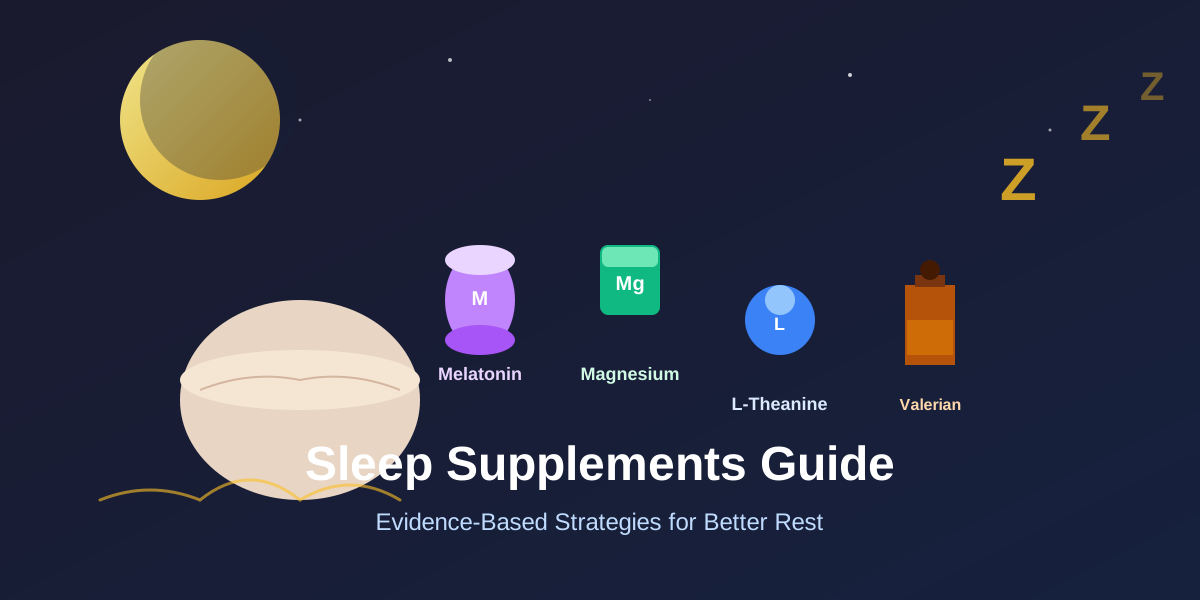
Many people are surprised to learn that some sleep supplements take weeks to show results, while others work more immediately. Understanding how each supplement works, proper dosing, and potential interactions with medications is crucial before starting any new supplement regimen.
This comprehensive guide draws on clinical research from the NIH, Mayo Clinic, and peer-reviewed sleep science journals to help you make informed decisions about sleep supplement options that align with your health goals.
What Is Sleep Supplements?
Sleep supplements are natural or synthetic compounds designed to improve sleep quality, reduce the time it takes to fall asleep, or increase total sleep duration. These range from herbal extracts and amino acids to hormones like melatonin and minerals like magnesium. Unlike prescription sleep medications (which are FDA-approved drugs with strict regulations), sleep supplements are classified as dietary supplements and are not as strictly regulated by the FDA, meaning quality and purity can vary between manufacturers.
Not medical advice.
Sleep supplements work through various mechanisms: some influence neurotransmitter systems that regulate sleep-wake cycles, others reduce physical tension that interferes with sleep, and still others help regulate the body's natural circadian rhythms. The most popular options include melatonin (a hormone that signals bedtime), magnesium (a mineral supporting nervous system relaxation), valerian root (an herbal extract), L-theanine (an amino acid), and ashwagandha (an adaptogenic herb). Research shows that while some supplements have strong evidence supporting their effectiveness, others have mixed or limited scientific backing.
Surprising Insight: Surprising Insight: Magnesium supplementation resulted in people falling asleep just 17 minutes faster on average, yet many users report significant improvements in sleep quality and daytime alertness—suggesting that perceived benefits may extend beyond simple timing metrics.
How Sleep Supplements Work: Mechanism Overview
Visual flowchart showing the different pathways through which common sleep supplements influence sleep quality and sleep-wake cycles.
🔍 Click to enlarge
Why Sleep Supplements Matter in 2026
Sleep deprivation has become a public health crisis in developed nations. The average adult needs 7-9 hours of quality sleep nightly, yet many get significantly less due to stress, screen time, irregular schedules, and medical conditions. Poor sleep is linked to increased risk of heart disease, diabetes, obesity, depression, and weakened immune function. Sleep supplements offer a non-pharmaceutical option for the estimated 35-50 million Americans experiencing chronic sleep disorders.
As awareness grows about the dangers of long-term prescription sleep medication use—including dependency, cognitive impairment, and increased fall risk in older adults—more people are exploring natural alternatives. Recent clinical research has strengthened the evidence base for several herbal and nutritional sleep supplements, making informed choices more possible than ever before. Additionally, the growing wellness movement has increased accessibility and education around sleep optimization, helping people understand that quality sleep is foundational to all other health goals.
Understanding sleep supplements also helps you avoid the trap of thinking one-size-fits-all solutions. What works beautifully for your friend might not work for you, and that's completely normal. Your individual biology, sleep stage, underlying health conditions, and current medications all influence which supplement will be most effective for your specific situation.
The Science Behind Sleep Supplements
Sleep is a complex biological process involving multiple neurotransmitter systems and hormonal cycles. When this system gets disrupted—by stress hormones like cortisol, irregular schedules that confuse circadian rhythms, or nutrient deficiencies that impair sleep-supporting mechanisms—supplements can help restore balance. The pineal gland produces melatonin in response to darkness, signaling the body it's time to sleep. Magnesium plays a critical role in over 300 enzymatic functions, including those that support nervous system relaxation and melatonin production. L-theanine, an amino acid from green tea, increases alpha brain waves associated with relaxation while maintaining mental clarity.
A 2024 systematic review and meta-analysis published in the Oxford Academic journals found that amino acids, vitamin D, and melatonin supplements were significantly beneficial in improving sleep quality. However, the evidence varies considerably between different supplements. Some, like melatonin for jet lag and shift work, have robust clinical evidence. Others, like valerian root, show mixed results with some high-quality studies finding benefits while others found no significant effect. This variation explains why working with your healthcare provider to identify the right supplement for your specific sleep issue is so important.
Sleep Physiology: Where Supplements Intervene
Diagram showing the sleep-wake cycle, circadian rhythm, and the specific points where different supplement types influence sleep.
🔍 Click to enlarge
Key Components of Sleep Supplements
Melatonin
Melatonin is a hormone naturally produced by your pineal gland that regulates your sleep-wake cycle. As a supplement, synthetic melatonin is most effective for circadian rhythm disorders, jet lag, and shift work—situations where your internal clock is misaligned with your schedule. Clinical studies show melatonin reduces sleep onset time by 7-12 minutes and improves overall sleep quality. The effective dose typically ranges from 0.5-3mg taken 1-2 hours before bedtime. Important note: melatonin works best on a short-term basis; long-term use may cause the body to reduce its natural melatonin production, potentially creating dependency.
Magnesium
This mineral is essential for nervous system relaxation and supports the production and regulation of melatonin. Magnesium glycinate (also called magnesium bisglycinate) is preferred for sleep support because it's highly absorbable and gentle on the stomach, unlike other forms that can cause digestive upset. Research shows magnesium supplementation may help people fall asleep 17 minutes faster on average, with more significant improvements in overall sleep quality and daytime alertness reported by users. The typical recommended dose is 250-500mg at bedtime, taken 30-60 minutes before sleep to allow time for absorption. Some experts recommend starting with 200mg and adjusting upward based on individual response.
L-Theanine
This amino acid, found naturally in green tea, works by promoting alpha brain waves—the brain wave pattern associated with relaxation and calm alertness. Unlike some sleep aids that cause grogginess, L-theanine maintains mental clarity while reducing stress-related symptoms. Clinical research shows L-theanine produces significant improvements in sleep onset, sleep duration, and sleep efficiency compared to placebo. A typical dose ranges from 100-200mg taken 30-60 minutes before bedtime. It pairs well with other sleep supplements, particularly magnesium, as they work through different mechanisms and may have synergistic effects.
Valerian Root & Herbal Alternatives
Valerian root has been used for centuries in traditional medicine and shows promise in clinical research for improving sleep onset and quality. However, evidence is mixed—some high-quality studies show significant benefits while others found no effect compared to placebo. Other herbal options with emerging research support include passionflower, hops, and ashwagandha. Ashwagandha, an adaptogenic herb used in Ayurvedic medicine, has shown improvements in sleep parameters including reduced sleep latency and increased sleep efficiency. Tart cherry juice and cherry extract supplements contain natural melatonin and anthocyanins, with pilot studies showing potential for improving sleep quality and duration.
| Supplement | Typical Dose | Timeline to Results | Strength of Evidence |
|---|---|---|---|
| Melatonin | 0.5-3mg | 30 minutes - 2 hours | Strong (jet lag, shift work) |
| Magnesium Glycinate | 250-500mg | 2-4 weeks | Moderate to Strong |
| L-Theanine | 100-200mg | 2-4 weeks | Moderate |
| Valerian Root | 400-900mg | 2-4 weeks | Mixed/Moderate |
| Ashwagandha | 300-500mg | 4-8 weeks | Moderate |
| Tart Cherry Juice | 8-12oz or 500mg extract | 3-7 days | Moderate |
How to Apply Sleep Supplements: Step by Step
- Step 1: Assess your specific sleep issue: Are you struggling to fall asleep, stay asleep, or both? Do you wake at 3am? This determines which supplement might help most effectively.
- Step 2: Consult your healthcare provider before starting any new supplement, especially if you take medications, have underlying health conditions, or are pregnant/breastfeeding.
- Step 3: Start with a single supplement rather than combinations to identify what works for you individually and observe any reactions.
- Step 4: Choose high-quality supplements from reputable manufacturers that conduct third-party testing, since the supplement industry has less regulation than pharmaceuticals.
- Step 5: Begin with the lowest recommended dose to assess tolerance and effectiveness before increasing to standard doses.
- Step 6: Take your supplement at the optimal timing: melatonin 1-2 hours before bed, magnesium 30-60 minutes before bed, L-theanine 30-60 minutes before bed.
- Step 7: Maintain consistent sleep and wake times every day (even weekends) to support your circadian rhythm and supplement effectiveness.
- Step 8: Track your sleep for 2-4 weeks using a simple log noting sleep onset time, total sleep hours, nighttime awakenings, and daytime alertness.
- Step 9: Only adjust your dose or try a different supplement after 2-4 weeks if you don't see improvement, as many supplements require this minimum trial period.
- Step 10: Consider combining complementary supplements (like magnesium + L-theanine) only after successfully testing each individually, or consult a sleep specialist for personalized recommendations.
Sleep Supplements Across Life Stages
Young Adulthood (18-35)
Young adults often experience sleep disruption from irregular schedules, academic or work stress, and increased screen time before bed. This age group typically responds well to behavioral changes combined with short-term melatonin supplementation for jet lag or shift work. L-theanine can be particularly helpful for stress-related insomnia without causing morning grogginess. Magnesium is excellent for this age group as many young adults are deficient, especially if they exercise regularly or have high stress levels. This demographic should avoid becoming dependent on supplements by using them strategically rather than nightly.
Middle Adulthood (35-55)
This life stage often brings increased stress, hormonal changes (particularly for women approaching perimenopause), and health concerns that disrupt sleep. Middle-aged adults often benefit from magnesium glycinate for nervous system support and to address potential deficiencies. Valerian root and ashwagandha become increasingly relevant as adaptogenic support for stress-related insomnia. This group should be especially cautious about supplement-medication interactions, as medication use typically increases in the 35-55 age range. Many find that combining lifestyle changes (stress management, exercise timing, sleep hygiene) with targeted supplementation is most effective.
Later Adulthood (55+)
Older adults experience natural changes in melatonin production and sleep architecture, making sleep issues increasingly common. However, this age group must be especially cautious with supplements due to medication interactions and changing physiology. Lower doses are often appropriate. Magnesium can support both sleep and muscle relaxation (important as muscle tension increases with age). This demographic should work closely with their healthcare provider before starting any supplement, as medication-supplement interactions become more likely. Some research suggests that addressing nutritional deficiencies (vitamin D, magnesium, B vitamins) through diet and supplementation is foundational for healthy aging.
Profiles: Your Sleep Supplements Approach
The Jet-Setter
- Fast-acting sleep support for travel
- Circadian rhythm correction across time zones
- Minimal residual effects the next day
Common pitfall: Using melatonin every night even when home, creating potential dependency and reducing natural melatonin production
Best move: Reserve melatonin (0.5-3mg) specifically for travel nights and use it strategically rather than daily. Combine with light exposure management and sleep schedule adjustment when possible.
The Stress-Sleeper
- Nervous system relaxation support
- Anxiety reduction without sedation
- Long-term sustained improvement
Common pitfall: Expecting immediate results from supplements like valerian or ashwagandha that typically require 4-8 weeks to show full effects
Best move: Start with L-theanine or magnesium glycinate (both show results in 2-4 weeks) and add ashwagandha if additional adaptogenic support is needed. Pair supplements with stress-management practices like meditation or breathing techniques.
The Waking Warrior
- Support for staying asleep through the night
- Deep sleep quality improvement
- Daytime alertness without grogginess
Common pitfall: Trying high-dose melatonin, which doesn't improve sleep maintenance and may cause morning brain fog
Best move: Magnesium glycinate is ideal for this profile, supporting sleep maintenance and providing morning-after clarity. Valerian root (if evidence-based dosing works for you) may help with sleep continuity through its effects on sleep architecture.
The Natural Minimalist
- Non-supplement lifestyle changes only if possible
- Preference for whole-food sources over pills
- Supplement use only as true last resort
Common pitfall: Missing out on evidence-based support due to overly rigid supplement avoidance, when targeted supplementation could significantly improve quality of life
Best move: Start with optimizing sleep hygiene, consistent sleep schedules, and stress reduction. If sleep still doesn't improve after 4 weeks, try food-based approaches like tart cherry juice before moving to supplements. Keep an open mind—sometimes supplements are the right call.
Common Sleep Supplements Mistakes
One of the biggest mistakes people make is expecting immediate results from supplements designed to work gradually. Valerian, ashwagandha, and magnesium typically require 2-4 weeks of consistent use before showing full effects. Starting a supplement and abandoning it after 3 days sets you up for failure. Give each supplement at least a 14-day trial before deciding it doesn't work.
Another common error is combining multiple new supplements simultaneously. If you start melatonin, magnesium, and valerian all at once and notice improvement, which supplement deserves the credit? You won't know. Additionally, combining untested supplements increases the risk of unexpected interactions. The protocol is to test each supplement individually for 2-4 weeks, then thoughtfully add a second option if needed.
Overlooking medication and supplement interactions is a serious mistake that can have health consequences. Valerian, for example, can interact with sedative medications and blood pressure medications. Magnesium can interfere with certain antibiotics and bisphosphonates. St. John's Wort (sometimes added to sleep formulas) famously interacts with many medications. Always discuss any supplements with your doctor or pharmacist, bringing a list of all medications and current supplements.
Common Sleep Supplement Mistakes & Solutions
Decision tree showing typical mistakes people make with sleep supplements and the evidence-based solutions.
🔍 Click to enlarge
Science and Studies
The scientific evidence for sleep supplements comes from multiple sources: controlled clinical trials, systematic reviews and meta-analyses in peer-reviewed journals, and long-term observational studies. Key research findings show that sleep supplement effectiveness varies significantly depending on the specific supplement, the individual's sleep issue, and their biological factors.
- A 2024 meta-analysis in Oxford Academic Journals found amino acids, vitamin D, and melatonin significantly beneficial for sleep quality, though melatonin showed high heterogeneity (varying results across studies)
- Current NIH/PMC research indicates valerian and passionflower could improve sleep quality by modulating neurotransmitter systems, but evidence remains mixed with some studies showing no benefit
- Mayo Clinic research confirms magnesium's role in regulating melatonin production and promoting nervous system relaxation, with modest but consistent improvements in sleep latency and quality
- Harvard Health and Sleep Foundation research emphasizes that natural sleep supplements offer fewer side effects than prescription medications but generally provide modest benefits, not dramatic transformations
- Recent systematic reviews note that supplement quality and purity vary significantly due to less stringent FDA regulation compared to pharmaceutical drugs, making manufacturer selection critical
Your First Micro Habit
Start Small Today
Today's action: Tonight before bed, try ONE magnesium-rich food (pumpkin seeds, almonds, dark chocolate, spinach) or take a single dose of magnesium glycinate (200mg) 60 minutes before sleep. Track how you sleep and notice any changes in sleep onset time or morning alertness over the next week.
Starting with magnesium is ideal because it's well-researched, generally safe, gentle on the stomach, and takes 2-4 weeks to show full effects—giving you clear expectations. Using one supplement at a time lets you identify what actually works rather than guessing. This micro habit removes the complexity and lets you observe your actual response.
Keep quitting habit apps after a missed day? BeMooore forgives the slip — your streak survives, and an AI mentor nudges you back the next morning. Free on iOS.
Quick Assessment
What's your primary sleep challenge right now?
Your specific sleep issue determines which supplement is most likely to help. Melatonin excels for circadian issues, while magnesium and L-theanine work better for nervous system relaxation.
How do you feel about taking supplements?
Your supplement philosophy influences the best approach. Minimalists can start with tart cherry juice or magnesium-rich foods. Others might benefit from targeted supplementation with medical oversight.
Have you discussed sleep supplements with your healthcare provider?
Medical consultation is especially important if you take other medications or have chronic health conditions. Your provider can identify potential interactions and recommend appropriate doses for your situation.
Take our full assessment to get personalized recommendations.
Discover Your Style →Next Steps
Your journey toward better sleep begins with honest assessment of your specific sleep challenges. Are you struggling to fall asleep due to racing thoughts and anxiety? That points toward L-theanine or valerian. Do you wake repeatedly and can't get back to sleep? Magnesium for sleep maintenance might be ideal. Traveling frequently across time zones? Melatonin used strategically. Start by clarifying your primary sleep issue, then work with your healthcare provider to select an appropriate first supplement.
Remember: supplements work best alongside lifestyle foundations. No supplement can overcome poor sleep hygiene, excessive screen time before bed, or chronic stress without corresponding behavioral changes. Optimize your sleep environment (cool, dark, quiet), maintain consistent sleep and wake times, limit caffeine after 2pm, and create a wind-down routine. Then layer in appropriate supplementation for enhanced support. Most importantly, track your sleep consistently for 2-4 weeks with each approach so you understand what actually works for your unique biology rather than relying on anecdotes or assumptions.
Get personalized guidance with AI coaching.
Start Your Journey →Research Sources
This article is based on peer-reviewed research and authoritative sources. Below are the key references we consulted:
Related Glossary Articles
Frequently Asked Questions
Is it safe to combine sleep supplements like magnesium and melatonin?
Generally yes, magnesium and melatonin work through different mechanisms and can have synergistic effects for sleep improvement. However, test each supplement individually first to understand your personal response. Always consult your healthcare provider before combining supplements, especially if you take medications, as some combinations may interact with prescriptions or each other. Start with recommended doses and don't assume that more supplement equals better sleep.
How long does it take for sleep supplements to work?
This varies significantly by supplement. Melatonin can work within 30 minutes to 2 hours for the first dose. Magnesium, L-theanine, and valerian root typically require 2-4 weeks of consistent use to show full effects, as your body needs time to build up adequate levels and respond to the biochemical changes. Ashwagandha and other adaptogens may take 4-8 weeks. Patience is crucial—discontinuing a supplement too early prevents you from seeing potential benefits.
Can I become dependent on sleep supplements?
True physical dependence (where your body requires the supplement to function normally) varies by supplement. Melatonin used nightly long-term may reduce your natural melatonin production, creating psychological dependence. Most herbal supplements and magnesium don't cause dependence in the classical sense. However, psychological dependence—belief that you can't sleep without the supplement—can develop with any sleep aid. Use supplements strategically rather than nightly when possible, take occasional breaks, and pair supplementation with behavioral changes.
What's the difference between prescription sleep medication and natural sleep supplements?
Prescription medications like benzodiazepines and Z-drugs are FDA-approved, strictly regulated drugs that produce strong, reliable sedation but carry risks of dependency, tolerance, and side effects like morning grogginess and cognitive impairment. Natural sleep supplements are dietary supplements with less strict regulation, generally gentler side effect profiles, but also typically more modest effects. Natural options rarely cause dependence, but evidence varies in strength. Most sleep experts recommend trying behavioral and supplemental approaches first, reserving prescriptions for severe, treatment-resistant insomnia.
Which sleep supplement is best for me?
The best sleep supplement for you depends on your specific sleep issue, age, medications, health conditions, and personal preferences. Melatonin works best for circadian rhythm disorders and jet lag. Magnesium helps with stress-related insomnia and sleep quality. L-theanine suits anxiety-driven sleep problems. Valerian and ashwagandha require longer commitment but provide adaptogenic benefits. The answer isn't in finding the 'best' supplement universally, but the best one for YOUR situation. This is why working with a healthcare provider to identify your specific sleep issue and potential medication interactions is so valuable. Start with one supplement matched to your issue, test it for 2-4 weeks, then adjust if needed.
Take the Next Step
Ready to improve your wellbeing? Take our free assessment to get personalized recommendations based on your unique situation.
- Discover your strengths and gaps
- Get personalized quick wins
- Track your progress over time
- Evidence-based strategies