Postbiotics
You have probably heard of probiotics and prebiotics. But there is a third member of the gut health family that most people overlook entirely, and researchers now believe it may be the most important one. Postbiotics are the beneficial compounds your gut bacteria produce after they digest fiber and fermented foods. These tiny metabolites influence everything from your <a href="/g/immune-system.html">immune system</a> to your <a href="/g/brain-health.html">brain health</a>, and emerging science suggests they could reshape how we think about <a href="/g/gut-health.html">gut health</a> altogether.
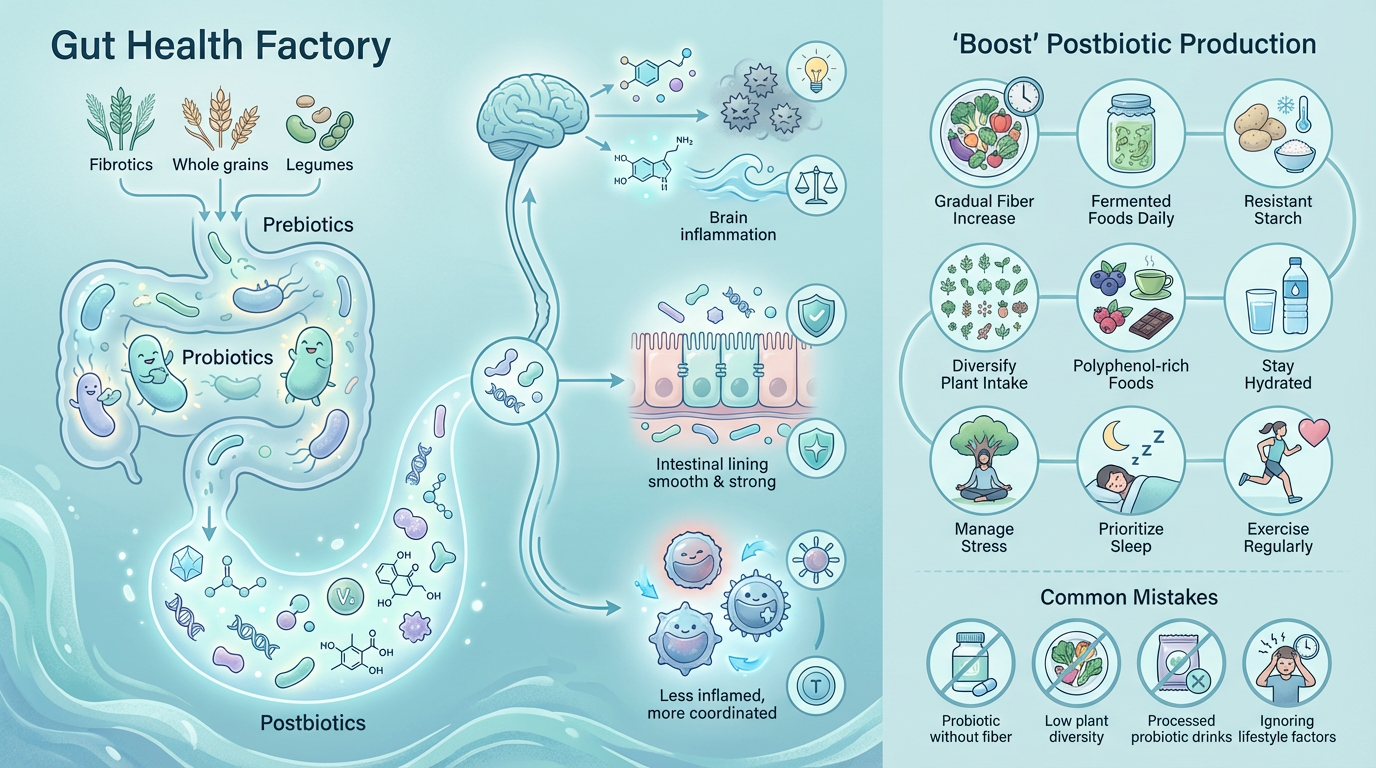
What if the real secret to a healthier gut is not adding more bacteria, but harnessing what your existing bacteria already create? That question drives a rapidly growing field of research with implications for <a href="/g/chronic-disease.html">inflammation</a>, <a href="/g/disease-prevention.html">disease prevention</a>, and <a href="/g/longevity.html">longevity</a>.
In this guide, you will learn exactly what postbiotics are, how they differ from probiotics and prebiotics, what the latest science says about their benefits, and how to increase your own postbiotic production through simple dietary approaches and healthy eating habits.
What Are Postbiotics?
Postbiotics are preparations of inanimate microorganisms and their components that confer a health benefit on the host, according to the International Scientific Association of Probiotics and Prebiotics (ISAPP). In simpler terms, postbiotics are the beneficial byproducts that probiotic bacteria produce during fermentation. They include short-chain fatty acids like butyrate, acetate, and propionate, as well as enzymes, peptides, cell wall fragments, exopolysaccharides, vitamins, and organic acids. Unlike probiotics, postbiotics do not contain live microorganisms, which makes them more stable, safer for immunocompromised individuals, and easier to store and standardize for therapeutic use.
Not medical advice.
Think of your body systems as a factory. Prebiotics are the raw materials (fiber). Probiotics are the workers (beneficial bacteria). Postbiotics are the finished products, the valuable compounds those workers create. While most supplements focus on adding more workers, postbiotics research asks a different question: what if we focus on the products themselves? This shift in thinking has opened new doors in health science and functional health.
Surprising Insight: Surprising Insight: Heat-killed bacteria (a type of postbiotic) can deliver many of the same health benefits as live probiotics, without the risks of bacterial translocation in vulnerable patients. This discovery has led researchers to call postbiotics the safest frontier in microbiome science.
The Gut Health Triad: Prebiotics, Probiotics, and Postbiotics
How prebiotics feed probiotics, which then produce postbiotics that benefit the entire body.
🔍 Click to enlarge
Why Postbiotics Matter in 2026
The global microbiome research landscape has shifted dramatically. While probiotics dominated the conversation for decades, scientists now recognize that many probiotic benefits actually come from the postbiotic compounds those bacteria produce. A growing body of clinical research published between 2024 and 2026 demonstrates that postbiotics can reduce chronic disease risk, improve cardiovascular health, and even support cognitive function through the gut-brain axis.
From a practical standpoint, postbiotics solve several problems that limit probiotic effectiveness. Live bacteria are fragile. They can be destroyed by heat, stomach acid, and antibiotics. They require refrigeration and have limited shelf life. Postbiotics, by contrast, are heat-stable, acid-resistant, and shelf-stable, making them far more practical for supplementation and food fortification. This stability advantage is particularly important for people managing fatigue or stress who need reliable, consistent support for their general health.
The safety profile of postbiotics also sets them apart. Because they contain no live organisms, postbiotics carry a much lower risk of adverse effects. This makes them suitable for individuals with weakened immune systems, surgical patients, the elderly, and infants. Researchers at Stanford University and the World Gastroenterology Organisation have highlighted postbiotics as a promising tool for holistic health interventions in vulnerable populations where live bacteria could pose risks.
The Science Behind Postbiotics
Postbiotics work through multiple interconnected mechanisms. Short-chain fatty acids, particularly butyrate, serve as the primary fuel source for colonocytes, the cells lining your colon. By nourishing these cells, butyrate strengthens the intestinal barrier, preventing harmful substances from leaking into the bloodstream, a condition known as intestinal permeability or leaky gut. This barrier function is foundational to body wellness and comprehensive health, because a compromised gut lining triggers systemic inflammation linked to autoimmune disorders, metabolic syndrome, and heart disease.
Beyond the gut, postbiotics modulate the immune system through several pathways. They activate regulatory T cells that prevent excessive immune responses, stimulate the production of antimicrobial peptides that fight pathogens, and influence cytokine signaling to reduce chronic low-grade inflammation. Research published in Frontiers in Microbiomes (2025) showed that specific postbiotic preparations reduced markers of systemic inflammation by modulating the gut-immune-brain axis, supporting both mental health and emotional health outcomes.
The gut-brain connection is perhaps the most exciting area of postbiotic research. Postbiotics influence neurotransmitter production, including serotonin, dopamine, and GABA, through the vagus nerve and enteric nervous system. A 2025 study in the Journal of Neuroscience found that heat-killed Lactobacillus paracasei exhibited antidepressant and anxiolytic effects by restoring dopamine levels in brain regions associated with depression. Another clinical trial demonstrated that heat-killed L. gasseri improved anxiety scores, cortisol levels, and sleep quality in students under exam stress.
Postbiotic Mechanisms of Action
The three main pathways through which postbiotics influence health: gut barrier, immune modulation, and gut-brain axis.
🔍 Click to enlarge
Key Types of Postbiotics
Short-Chain Fatty Acids (SCFAs)
Short-chain fatty acids are the most studied and arguably most important class of postbiotics. Butyrate, acetate, and propionate are produced when gut bacteria ferment dietary fiber. Butyrate is the primary energy source for colon cells and plays a critical role in maintaining gut barrier integrity. Acetate enters the bloodstream and influences metabolism, appetite regulation, and fat storage. Propionate supports liver health and helps regulate cholesterol levels. Together, these SCFAs form the backbone of postbiotic health benefits, connecting your diet directly to your body composition and energy management.
Enzymes and Bioactive Peptides
Bacterial enzymes and bioactive peptides produced during fermentation have antioxidant, anti-inflammatory, and antimicrobial properties. These compounds help break down food components that human enzymes cannot process, improving nutrient absorption and reducing digestive discomfort. Some bacterial peptides have been shown to lower blood pressure and improve cardiovascular wellness, making them relevant to heart health strategies.
Cell Wall Components and Exopolysaccharides
Even after bacteria die, their cell walls contain compounds like lipoteichoic acid and peptidoglycan that interact with immune receptors in the gut lining. These components train the immune system to distinguish between harmful pathogens and beneficial organisms. Exopolysaccharides, the sticky sugar coatings produced by certain bacteria, act as prebiotics for other beneficial microbes and form a protective biofilm along the intestinal wall. This supports healing and repair processes throughout the digestive tract.
Vitamins and Organic Acids
Gut bacteria produce several B vitamins, including B12, folate, and biotin, as well as vitamin K2. These microbially produced vitamins contribute significantly to your daily requirements and support everything from brain function to blood clotting. Organic acids like lactic acid and acetic acid lower gut pH, creating an environment that favors beneficial bacteria while inhibiting pathogens. This natural pH regulation is a key mechanism behind the disease prevention benefits of a fiber-rich diet.
| Postbiotic Type | Key Examples | Primary Health Benefit |
|---|---|---|
| Short-Chain Fatty Acids | Butyrate, Acetate, Propionate | Gut barrier integrity, immune regulation, metabolic support |
| Bioactive Peptides | Bacteriocins, ACE inhibitors | Antimicrobial defense, blood pressure regulation |
| Cell Wall Fragments | Lipoteichoic acid, Peptidoglycan | Immune training, pathogen recognition |
| Exopolysaccharides | Beta-glucans, Dextrans | Biofilm protection, prebiotic activity |
| Vitamins | B12, K2, Folate, Biotin | Neurological support, blood health |
| Organic Acids | Lactic acid, Acetic acid | pH regulation, pathogen inhibition |
How to Boost Your Postbiotics: Step by Step
- Step 1: Increase your dietary fiber intake gradually. Aim for a variety of fiber sources including vegetables, legumes, whole grains, nuts, and seeds. Each type of fiber feeds different bacterial species, which produce different postbiotics. Start with an extra serving of vegetables at each meal to support your <a href="/g/healthy-eating.html">healthy eating</a> goals.
- Step 2: Eat fermented foods daily. Yogurt, kefir, sauerkraut, kimchi, miso, and kombucha contain both live bacteria and preformed postbiotics. These foods deliver a double benefit for your <a href="/g/gut-health.html">gut health</a> by providing probiotics and the metabolites they have already produced.
- Step 3: Include resistant starch in your diet. Cooked and cooled potatoes, rice, oats, and green bananas contain resistant starch that passes through the small intestine undigested and feeds butyrate-producing bacteria in the colon. This simple strategy directly increases SCFA production and supports <a href="/g/boost-metabolism.html">metabolic health</a>.
- Step 4: Diversify your plant intake. Research suggests that eating at least thirty different plant foods per week leads to a more diverse microbiome and richer postbiotic output. Herbs, spices, nuts, seeds, fruits, and vegetables all count toward this target for <a href="/g/nutrition.html">optimal nutrition</a>.
- Step 5: Consider polyphenol-rich foods. Dark berries, green tea, dark chocolate, and extra virgin olive oil contain polyphenols that gut bacteria convert into beneficial postbiotic metabolites. These conversions support <a href="/g/anti-aging.html">anti-aging</a> pathways and reduce oxidative stress.
- Step 6: Stay properly hydrated. Water is essential for fiber fermentation and postbiotic production. Dehydration slows gut transit time, reduces fermentation efficiency, and limits the delivery of postbiotics to the colon lining. Pair your fiber-rich diet with adequate <a href="/g/electrolytes.html">electrolyte</a> and fluid intake.
- Step 7: Manage stress levels actively. Chronic stress disrupts the gut microbiome composition and reduces postbiotic production. Regular <a href="/g/stress-management.html">stress management</a> practices including meditation, deep breathing, and physical activity help maintain a healthy microbial environment for postbiotic synthesis.
- Step 8: Prioritize quality sleep. Sleep deprivation alters gut microbiome diversity within as few as two nights. Consistent <a href="/g/sleep-quality.html">sleep quality</a> supports the circadian rhythm of your gut bacteria, ensuring steady postbiotic production throughout the day.
- Step 9: Exercise regularly at moderate intensity. Physical activity increases microbial diversity and SCFA production independently of diet. Aim for at least one hundred and fifty minutes of moderate activity per week to support both your <a href="/g/cardiovascular-health.html">cardiovascular health</a> and your microbiome.
- Step 10: Consult a healthcare professional about targeted postbiotic supplements. If dietary approaches alone are not sufficient, evidence-based postbiotic <a href="/g/supplements.html">supplements</a> containing heat-killed Lactobacillus or purified butyrate may provide additional support. Always discuss new supplements with your doctor, especially if you take medications or have existing health conditions.
Postbiotics Across Life Stages
Young Adulthood (18-35)
During young adulthood, the gut microbiome is relatively resilient but highly responsive to lifestyle factors. This is the ideal window to establish dietary habits that maximize postbiotic production for decades to come. Young adults often face challenges from processed food diets, alcohol consumption, antibiotic use, and irregular sleep patterns, all of which reduce microbial diversity and postbiotic output. Building strong healthy eating habits now, including diverse fiber intake and regular fermented food consumption, creates a foundation of microbial diversity that supports energy levels, cognitive function, and immune resilience throughout life.
Middle Adulthood (35-55)
Middle adulthood brings metabolic changes, increased stress loads, and the beginning of age-related immune decline. Postbiotics become particularly important during this stage because they help counteract chronic low-grade inflammation, a hallmark of aging that accelerates chronic disease development. Supporting robust postbiotic production through a fiber-rich, plant-diverse diet can help maintain body composition, support heart health, and protect brain health. This is also the stage where biohacking strategies targeting the microbiome become especially valuable for maintaining vitality and preventing the accumulation of inflammatory damage.
Later Adulthood (55+)
After age fifty-five, gut microbial diversity naturally declines, and the production of key postbiotics like butyrate decreases. This reduction contributes to increased intestinal permeability, weakened immune responses, and heightened vulnerability to infections and autoimmune conditions. Postbiotic supplementation may be particularly beneficial for older adults because it delivers the beneficial metabolites directly, bypassing the need for a diverse and active microbiome. Combined with anti-aging supplements and targeted nutrition, postbiotic strategies can support longevity, cognitive health, and independence in later years.
Profiles: Your Postbiotics Approach
The Gut-Sensitive Individual
- Gentle, gradual fiber increases to avoid bloating and discomfort
- Well-cooked vegetables and fermented foods introduced slowly
- Postbiotic supplements that bypass the need for bacterial fermentation
Common pitfall: Jumping into high-fiber diets too quickly, causing gas, bloating, and discouragement that leads to abandoning gut health efforts entirely.
Best move: Start with one tablespoon of sauerkraut juice daily and add one new fiber source per week, giving your microbiome time to adapt and ramp up postbiotic production.
The Performance Optimizer
- Strategic fiber timing around workouts for sustained energy
- Polyphenol-rich foods to reduce exercise-induced inflammation
- SCFA-boosting foods to support gut barrier integrity during intense training
Common pitfall: Relying solely on protein supplements while neglecting fiber diversity, which starves beneficial bacteria and reduces postbiotic output.
Best move: Add resistant starch from cooled rice or potatoes to post-workout meals and include a fermented food serving at breakfast to fuel morning postbiotic production.
The Busy Professional
- Quick, low-effort ways to incorporate postbiotic-boosting foods
- Shelf-stable fermented foods and prebiotic snacks for the office
- Simple meal prep strategies that maximize fiber diversity
Common pitfall: Defaulting to convenience foods low in fiber and fermented ingredients, which gradually depletes microbiome diversity and postbiotic capacity.
Best move: Batch-prep a weekly grain and legume bowl base, rotate toppings for plant diversity, and keep shelf-stable kimchi or miso paste at your desk for daily gut support.
The Health-Conscious Parent
- Family-friendly fermented foods that children will enjoy
- Understanding of how postbiotics support developing immune systems
- Practical strategies for increasing household plant food diversity
Common pitfall: Focusing on children's probiotics supplements while overlooking the foundational role of dietary fiber and fermented foods in building a postbiotic-rich microbiome.
Best move: Introduce fermented yogurt and kefir smoothies as after-school snacks, and make a family challenge to try two new vegetables each week to build lifelong microbiome diversity.
Common Postbiotics Mistakes
One of the most widespread mistakes is assuming that taking a probiotic supplement is enough to ensure adequate postbiotic production. Probiotics need fuel to produce postbiotics, and that fuel is dietary fiber. Without sufficient prebiotics from whole foods, even the best probiotic strains will produce limited metabolites. Think of it like hiring workers but providing no raw materials. Your holistic wellness strategy must include both the bacteria and the fiber they need to function.
Another common error is eating a narrow range of plant foods. Many people eat the same five or six vegetables repeatedly. While any fiber is better than none, microbial diversity, and therefore postbiotic diversity, depends on variety. Each plant species contains different types of fiber, polyphenols, and resistant starches that feed different bacterial communities. A limited plant diet produces a limited range of postbiotics, missing many of the compounds that support immune function, brain function, and inflammation control.
A third mistake is relying on processed probiotic drinks and supplements that may contain added sugars, artificial sweeteners, or insufficient bacterial counts. Many commercial probiotic products are designed for marketing appeal rather than clinical effectiveness. Artificial sweeteners in particular have been shown to disrupt the gut microbiome and reduce SCFA production, directly undermining the postbiotic benefits these products claim to deliver. Choose whole fermented foods and evidence-based supplements with documented strain-specific benefits instead.
Finally, ignoring the broader lifestyle context is a significant oversight. Chronic stress, poor sleep, sedentary behavior, and frequent antibiotic use all diminish microbiome health regardless of diet quality. A truly effective postbiotic strategy integrates energy management, movement, rest, and dietary diversity into a cohesive approach to comprehensive health.
Common Postbiotic Mistakes and Their Fixes
Visual overview of the four most common mistakes people make with postbiotics and the corrective strategies.
🔍 Click to enlarge
Postbiotics and the Gut-Brain Connection
The gut-brain axis is a bidirectional communication highway connecting your digestive system to your central nervous system. Postbiotics play a starring role in this connection. Short-chain fatty acids like butyrate cross the blood-brain barrier and directly influence neuroinflammation, a key driver of neurodegenerative conditions. Research published in 2025 demonstrated that postbiotics can attenuate neuroinflammation associated with Alzheimer's disease and cognitive aging, suggesting a neuroprotective role that extends far beyond digestive health.
Your gut produces approximately ninety percent of the body's serotonin and fifty percent of its dopamine. Postbiotics modulate the production and availability of these neurotransmitters through their effects on enterochromaffin cells and vagus nerve signaling. This means that your microbiome's postbiotic output directly influences your mood, anxiety levels, motivation, and cognitive performance. Supporting postbiotic production is therefore a practical mental health strategy backed by growing clinical evidence.
Clinical trials have begun to validate these mechanisms in human subjects. A twelve-week intervention with heat-killed Lactobacillus gasseri significantly reduced exam-related stress in university students, improving anxiety scores, normalizing cortisol patterns, and enhancing sleep quality. These findings position postbiotics as a viable complement to traditional depression management and emotional health strategies, particularly for populations reluctant to use pharmaceutical interventions.
Postbiotics for Immune Health
Approximately seventy percent of the immune system resides in the gut, making postbiotics a frontline defense mechanism. Postbiotics interact with gut-associated lymphoid tissue (GALT) to train immune cells, calibrate inflammatory responses, and produce antimicrobial compounds that neutralize pathogens. This immune-training function is particularly valuable because it reduces both the risk of infection and the risk of autoimmune overreaction, supporting balanced immune function without the unpredictability of live bacterial supplementation.
Research shows that specific postbiotic preparations can reduce the incidence and duration of respiratory infections, decrease the severity of allergic responses, and improve vaccine efficacy in elderly populations. Butyrate in particular enhances the production of immunoglobulin A (IgA), the antibody that protects mucosal surfaces throughout the body. For individuals focused on disease prevention and holistic health, optimizing postbiotic production through diet and lifestyle represents one of the most evidence-based strategies available.
Postbiotics, Metabolism, and Weight Management
Postbiotics influence metabolism through multiple pathways. SCFAs regulate appetite by stimulating the release of satiety hormones GLP-1 and PYY from intestinal L-cells. Propionate specifically has been shown to reduce food intake by acting on appetite-regulating centers in the brain. Acetate influences fat storage and energy expenditure in peripheral tissues. These metabolic effects connect postbiotic production directly to body composition outcomes and sustainable weight management strategies.
Beyond appetite regulation, postbiotics improve insulin sensitivity and reduce the low-grade inflammation that drives metabolic syndrome. A fiber-rich diet that maximizes SCFA production helps maintain healthy blood glucose levels, reduces triglycerides, and supports the liver's ability to process fats efficiently. For people interested in boosting metabolism naturally, increasing postbiotic production through dietary fiber is one of the most effective and sustainable approaches, with benefits that extend to cardiovascular and brain health.
Science and Studies
The scientific evidence supporting postbiotic health benefits has grown substantially in recent years. Multiple peer-reviewed studies and clinical trials demonstrate their effectiveness across immune function, gut barrier integrity, metabolic health, and neurological outcomes. The following sources represent key contributions to our current understanding of postbiotics and their role in health science.
- ISAPP Consensus Statement on Postbiotics (2021): Established the formal scientific definition of postbiotics as preparations of inanimate microorganisms and their components that confer health benefits, providing a framework for future research and regulation.
- Frontiers in Microbiomes (2025): Reviewed postbiotic biotherapeutic potential for chronic diseases including diabetes, cancer, obesity, and cardiovascular conditions, highlighting anti-inflammatory, antimicrobial, and antioxidant mechanisms.
- ScienceDirect Neuroscience (2026): Examined postbiotic mechanisms for modulating neuroinflammation and cognitive aging, demonstrating potential for delaying neurodegeneration through gut-brain axis modulation.
- World Journal of Microbiology and Biotechnology (2025): Comprehensive review positioning postbiotics as the latest functional biotic category, analyzing their advantages over probiotics in stability, safety, and standardization.
- Stanford Lifestyle Medicine (2024): Provided clinical perspective on the complementary roles of prebiotics, probiotics, and postbiotics in supporting gut microbiome health and overall wellbeing.
Your First Micro Habit
Start Small Today
Today's action: Add one tablespoon of fermented food (sauerkraut, kimchi, yogurt, or kefir) to one meal each day for the next seven days.
Fermented foods deliver preformed postbiotics directly to your gut while also introducing beneficial bacteria that produce additional postbiotics from your dietary fiber. This single daily addition begins shifting your microbiome composition within days, without requiring a complete dietary overhaul.
Keep quitting habit apps after a missed day? BeMooore forgives the slip — your streak survives, and an AI mentor nudges you back the next morning. Free on iOS.
Quick Assessment
How would you describe your current relationship with fermented foods and dietary fiber?
Your answer reveals your baseline postbiotic production potential. Daily fermented food and fiber consumers typically have the most diverse postbiotic profiles, while those unfamiliar with these foods have the most room for impactful improvement.
What is your primary health goal related to gut health?
Each goal aligns with specific postbiotic mechanisms. Digestive goals focus on butyrate and gut barrier repair, immune goals target antimicrobial peptides and IgA production, mood goals engage the gut-brain axis, and longevity goals emphasize anti-inflammatory SCFA production.
Which lifestyle factor do you think most impacts your gut health right now?
Identifying your biggest gut health disruptor helps you prioritize your postbiotic strategy. Dietary changes yield the fastest microbiome shifts, while stress and sleep improvements create the supportive environment your microbiome needs to thrive long-term.
Take our full assessment to get personalized recommendations for your gut health journey.
Discover Your Wellness Style →Next Steps
Understanding postbiotics gives you a powerful new lens for viewing your gut health. Rather than focusing solely on adding more bacteria through probiotic supplements, you can now focus on creating the conditions for your existing microbiome to produce the metabolites your body needs. Start with the micro habit of adding one fermented food daily, then gradually increase your dietary fiber diversity. Track how you feel, notice changes in digestion, energy, and mood, and build from there. Every meal is an opportunity to feed your beneficial bacteria and boost your postbiotic output.
For deeper exploration, consider reading about collagen supplements and their role in gut lining repair, anti-aging strategies that leverage microbiome health, and biohacking approaches to optimize your body's natural systems. Your gut microbiome is a living ecosystem, and the postbiotics it produces are the currency of health. Invest wisely through healthy eating, consistent health habits, and evidence-based choices, and the returns compound over a lifetime.
Get personalized guidance with AI coaching.
Start Your Journey →Research Sources
This article is based on peer-reviewed research and authoritative sources. Below are the key references we consulted:
Related Glossary Articles
Frequently Asked Questions
What is the difference between probiotics, prebiotics, and postbiotics?
Probiotics are live beneficial bacteria you consume. Prebiotics are the dietary fibers that feed those bacteria. Postbiotics are the beneficial compounds, including short-chain fatty acids, enzymes, peptides, and vitamins, that bacteria produce during fermentation. While all three work together for optimal gut health, postbiotics are the actual metabolites that deliver many of the health benefits attributed to a healthy microbiome.
Can I get postbiotics from food alone?
Yes. Fermented foods like yogurt, kefir, sauerkraut, kimchi, miso, and kombucha contain preformed postbiotics. Additionally, eating a fiber-rich diet with diverse plant foods fuels your own gut bacteria to produce postbiotics naturally. Most people can achieve adequate postbiotic levels through diet alone, though some individuals may benefit from targeted supplementation.
Are postbiotics safe for everyone?
Postbiotics have an excellent safety profile because they contain no live organisms. They are generally considered safer than probiotics, especially for immunocompromised individuals, surgical patients, infants, and the elderly. However, anyone with specific health conditions or taking medications should consult their healthcare provider before starting postbiotic supplements.
How long does it take to notice benefits from increasing postbiotic production?
Microbiome changes from dietary modifications can begin within days, but noticeable health benefits typically emerge over two to four weeks of consistent dietary changes. Digestive improvements often appear first, followed by energy and mood changes over four to eight weeks. Long-term benefits like reduced inflammation and improved immune resilience build over several months of sustained postbiotic-supporting habits.
Do postbiotics help with weight management?
Research shows that postbiotics, particularly short-chain fatty acids, influence appetite regulation by stimulating satiety hormones, improve insulin sensitivity, and reduce the chronic inflammation associated with metabolic syndrome. While postbiotics alone are not a weight loss solution, they support metabolic health as part of a comprehensive approach that includes dietary fiber, physical activity, and adequate sleep.
Can postbiotics improve mental health?
Emerging research strongly supports a connection between postbiotics and mental health through the gut-brain axis. Postbiotics influence neurotransmitter production, including serotonin and dopamine, and reduce neuroinflammation. Clinical trials have shown that specific postbiotic preparations can reduce anxiety, improve stress responses, and enhance sleep quality. While not a replacement for professional mental health care, postbiotic optimization is a promising complementary strategy.
What are the best foods to boost postbiotic production?
The best foods for postbiotic production include high-fiber vegetables like artichokes, onions, garlic, and leeks, legumes like lentils and chickpeas, whole grains like oats and barley, resistant starch from cooked and cooled potatoes and rice, fermented foods like sauerkraut and kefir, and polyphenol-rich foods like berries, green tea, and dark chocolate. Dietary diversity is key, so aim for at least thirty different plant foods per week.
Take the Next Step
Ready to improve your wellbeing? Take our free assessment to get personalized recommendations based on your unique situation.
- Discover your strengths and gaps
- Get personalized quick wins
- Track your progress over time
- Evidence-based strategies