Natural Anxiety Relief
Anxiety affects millions of people worldwide, with many seeking alternatives to pharmaceutical interventions. Natural anxiety relief offers evidence-based techniques that activate your body's innate calming mechanisms. From simple breathing exercises to targeted herbal supplements, these approaches address the root causes of anxiety by regulating your nervous system and promoting emotional balance. Whether you're experiencing occasional stress or managing persistent anxiety, these natural methods can be integrated into your daily routine to create lasting peace of mind.
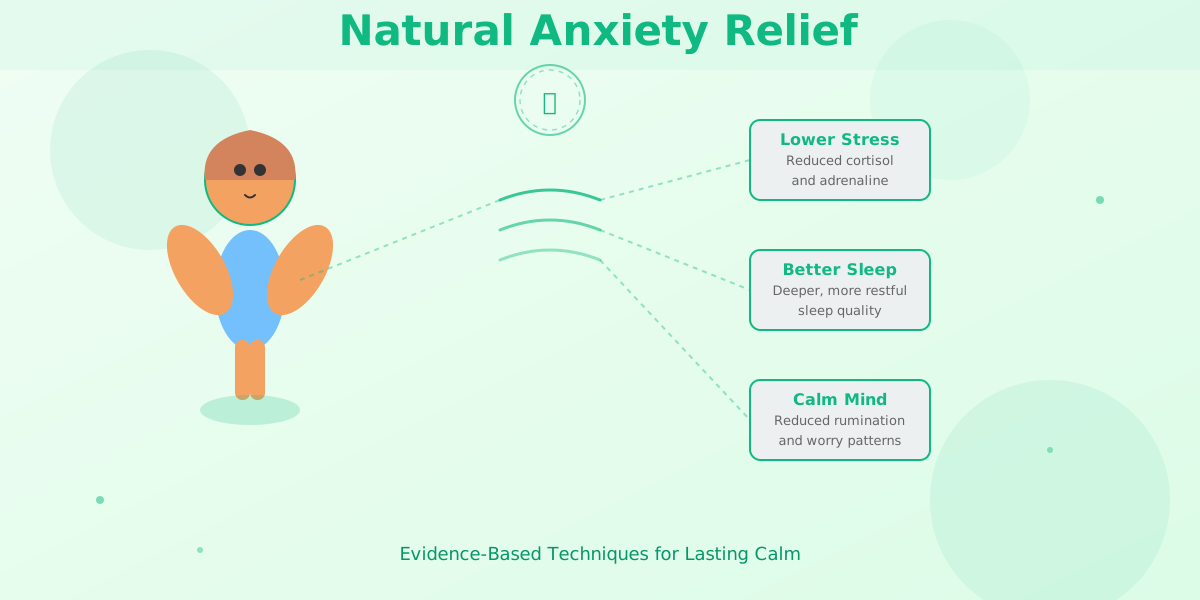
Discover how breathwork, meditation, and scientifically-backed supplements can transform your relationship with anxiety.
Learn practical, actionable techniques you can start using today to reclaim your calm.
What Is Natural Anxiety Relief?
Natural anxiety relief encompasses evidence-based techniques and substances that reduce anxiety symptoms without pharmaceutical medication. These approaches work by activating the parasympathetic nervous system (your body's relaxation response), reducing stress hormones like cortisol, and promoting emotional regulation through the mind-body connection. Natural relief methods include breathing exercises, meditation, yoga, herbal supplements, lifestyle modifications, and complementary therapies like acupuncture and EFT tapping.
Not medical advice.
The effectiveness of natural anxiety relief lies in its multifaceted approach. Rather than simply masking symptoms, these techniques address the underlying physiological and psychological drivers of anxiety. Research from NIH and leading universities demonstrates that mind-body interventions produce measurable changes in brain activity, heart rate variability, and stress hormone levels—changes comparable to pharmaceutical treatments in some cases.
Surprising Insight: Surprising Insight: A double-blind study found passionflower extract as effective as benzodiazepines (prescription anti-anxiety medications) in treating generalized anxiety disorder, yet without the risk of dependency or significant side effects.
How Natural Anxiety Relief Works
The pathway from anxiety trigger to calm response through natural techniques
🔍 Click to enlarge
Why Natural Anxiety Relief Matters in 2026
In 2026, anxiety disorders remain the most common mental health condition globally, affecting over 300 million people. The pharmaceutical approach, while valuable, comes with drawbacks: potential side effects, dependency risk, accessibility barriers, and the reality that not everyone responds to medication. Natural anxiety relief provides accessible, sustainable alternatives that can complement or replace pharmaceutical treatment, empowering individuals to take active control of their mental health.
Rising awareness of mental health means more people are seeking personalized, holistic approaches rather than one-size-fits-all solutions. Natural techniques allow for customization based on individual preferences—whether you prefer breathwork, herbal approaches, or mind-body practices. Additionally, emerging research shows that inflammation in the body may be linked to anxiety, shifting the focus toward comprehensive wellness approaches that address root causes rather than just symptoms.
The integration of natural anxiety relief into mainstream healthcare continues to grow, with major medical institutions like Mayo Clinic, Cleveland Clinic, and the NIH's National Center for Complementary and Integrative Health (NCCIH) now formally researching and recommending these approaches. This convergence of scientific validation and practical accessibility makes natural anxiety relief more relevant than ever.
The Science Behind Natural Anxiety Relief
Natural anxiety relief works through multiple biological pathways. Breathing exercises trigger the vagus nerve, which directly signals your parasympathetic nervous system to activate the relaxation response. This shift from sympathetic (fight-or-flight) to parasympathetic (rest-and-digest) dominance lowers heart rate, blood pressure, and stress hormone production. A 2023 meta-analysis of 12 randomized controlled trials with 785 participants found that breathwork interventions produced significantly lower stress levels compared to control groups.
Herbal compounds like passionflower and lavender enhance GABA function—gamma-aminobutyric acid is your brain's primary calming neurotransmitter. By increasing GABA activity, these herbs reduce neural excitability and promote relaxation. Ashwagandha (Withania somnifera) modulates the hypothalamic-pituitary-adrenal (HPA) axis, your body's central stress response system, while also reducing inflammatory markers associated with anxiety. Magnesium supports GABA function and regulates stress responses, though research suggests it's most effective in combination with other compounds.
Natural Anxiety Relief: Biological Mechanisms
How different techniques affect your nervous system and brain chemistry
🔍 Click to enlarge
Key Components of Natural Anxiety Relief
Breathing Techniques
Structured breathing is the most accessible natural anxiety relief tool. The 4-7-8 technique (inhale for 4 counts, hold for 7, exhale for 8) activates the parasympathetic nervous system within minutes. Box breathing (4-4-4-4) and cyclic sighing also produce measurable reductions in anxiety and improved mood. Sessions just over 5 minutes provide comparable benefits to longer sessions, making breathing practices ideal for busy schedules. Unlike other interventions, breathing requires no equipment or expertise—you can begin today.
Meditation and Mindfulness
Mindfulness meditation reduces anxiety by interrupting worry patterns and anchoring attention to the present moment. Research shows mindfulness-based practices are as effective as established anxiety treatments for many individuals. Body scan meditation—slowly bringing awareness to each body part—helps you recognize how anxiety manifests physically and consciously release tension. Regular practice rewires your default mode network, the brain system responsible for rumination and worry.
Herbal Supplements
Evidence-based herbs for anxiety include passionflower (shown equivalent to benzodiazepines in clinical trials), lavender, ashwagandha, kava, valerian, and lemon balm. A systematic review found that 71% of randomized controlled trials showed positive results for herbal anxiety treatment, with mild to moderate side effects being rare. Passionflower appears particularly effective for acute anxiety, while ashwagandha excels at managing chronic stress. Always consult healthcare providers before starting supplements, especially if taking medications.
Lifestyle and Environmental Modifications
Physical exercise triggers endorphin release and reduces anxiety through multiple neurochemical pathways. A 90-minute walk through nature reduces anxiety and rumination more effectively than urban walking. Limiting caffeine is crucial—a 2022 review of 10 studies found caffeine increases both anxiety and panic attacks in susceptible individuals. Sleep optimization, social connection, and time in nature all provide additional anxiety relief through complementary mechanisms.
| Method | Time to Effect | Evidence Strength | Best For |
|---|---|---|---|
| Breathing Exercises | 5-10 minutes | Strong (meta-analyses) | Acute anxiety, quick relief |
| Meditation | 10-20 minutes | Strong (RCTs) | Chronic anxiety, rumination |
| Passionflower | 2-4 weeks | Strong (clinical trials) | Generalized anxiety disorder |
| Ashwagandha | 2-8 weeks | Moderate-Strong | Chronic stress, anxiety |
| Exercise | Weeks-months | Strong (epidemiology) | Long-term anxiety management |
| Acupuncture | 1-6 sessions | Moderate | Anxiety with physical tension |
How to Apply Natural Anxiety Relief: Step by Step
- Step 1: Assess your baseline: Notice your current anxiety level, physical sensations, and triggers without judgment. This awareness creates the foundation for effective relief.
- Step 2: Choose your primary technique: Select one method that resonates with you—whether breathing, meditation, herbal supplements, or exercise. Starting with one creates consistency and makes results measurable.
- Step 3: Master the 4-7-8 breathing technique: Inhale through your nose for 4 counts, hold for 7 counts, then exhale through your mouth for 8 counts. Repeat 4 times daily or when anxiety arises.
- Step 4: Establish a daily meditation practice: Begin with 5 minutes of guided meditation using apps like Calm or Insight Timer. Use body scan or breathing focus techniques.
- Step 5: Implement dietary changes: Eliminate or significantly reduce caffeine intake. Add magnesium-rich foods (spinach, pumpkin seeds, almonds) or supplements under professional guidance.
- Step 6: Research and select herbal supplements: For acute anxiety, consider passionflower or lavender. For chronic anxiety, ashwagandha or lemon balm may be more appropriate. Consult your healthcare provider first.
- Step 7: Establish an exercise routine: Aim for 30 minutes of moderate exercise 4-5 times weekly. Walking, yoga, swimming, and dancing all provide anxiety relief.
- Step 8: Create an anxiety relief toolkit: Combine 2-3 techniques you can access immediately (breathing, essential oils, favorite music). This multi-tool approach handles various anxiety situations.
- Step 9: Track your progress: Monitor anxiety levels, physical symptoms, sleep quality, and mood daily. Recording patterns helps identify what works best for you.
- Step 10: Adjust and optimize: After 2-3 weeks, evaluate what's working. Add complementary techniques, increase duration of practices, or switch methods based on your results.
Natural Anxiety Relief Across Life Stages
Young Adulthood (18-35)
Young adults often experience anxiety related to academic pressure, career development, and relationship concerns. Quick-acting techniques like breathing exercises and high-intensity exercise work well for this group. Herbal supplements are generally safe and can be integrated into busy schedules. This life stage is ideal for establishing foundational anxiety management habits that create lifelong resilience.
Middle Adulthood (35-55)
Middle adults typically face anxiety from multiple responsibilities—work stress, family obligations, and health concerns. Longer meditation practices and consistent exercise routines become more valuable as time management improves. Herbal supplements like ashwagandha, which address chronic stress and inflammation, are particularly useful. This stage benefits from comprehensive approaches combining multiple techniques.
Later Adulthood (55+)
Older adults may experience anxiety related to health changes, loss, and life transitions. Gentle practices like tai chi, slow yoga, and walking meditation are well-tolerated. Herbal supplements require careful consideration with healthcare providers due to potential drug interactions. Natural anxiety relief remains highly effective in this population and can reduce reliance on pharmaceuticals while improving overall wellbeing.
Profiles: Your Natural Anxiety Relief Approach
The Busy Professional
- Quick techniques requiring under 10 minutes
- Portable practices for workplace use
- Evidence-based results without lengthy commitment
Common pitfall: Skipping practices due to time pressure, then wondering why anxiety persists
Best move: Master 4-7-8 breathing and 5-minute meditation as 'emergency tools' for high-stress moments
The Herbal Enthusiast
- Natural supplements with clinical validation
- Understanding of dosage and timing
- Integration with other wellness practices
Common pitfall: Taking supplements inconsistently or selecting ineffective products
Best move: Choose one well-researched herb (ashwagandha or passionflower), take consistently for 4-6 weeks, then evaluate results
The Movement-Oriented Person
- Exercise-based anxiety relief
- Variety to maintain motivation
- Social connection through group activities
Common pitfall: Overdoing intensity and burning out, or skipping when motivation drops
Best move: Combine structured exercise (yoga, dance) with unstructured movement (nature walks) to maintain consistency
The Skeptical Scientist
- Peer-reviewed research citations
- Measurable outcomes and tracking
- Understanding of mechanisms of action
Common pitfall: Waiting for absolute proof before starting, missing years of potential relief
Best move: Select techniques with strongest evidence (breathing, meditation, exercise) and track personal results systematically
Common Natural Anxiety Relief Mistakes
Inconsistency is the primary reason natural anxiety relief fails. Many people try a technique for a few days, don't experience immediate results, and abandon it. Unlike medications that work within hours, natural approaches typically require 2-4 weeks to produce measurable changes. Commitment and consistency matter more than the specific technique chosen.
Another common mistake is using natural relief as an avoidance mechanism rather than a genuine practice. Attempting breathing exercises while remaining in the anxiety-triggering situation often proves ineffective. True relief comes from removing yourself from stressors when possible, then using natural techniques from a place of relative calm.
Lastly, many people fail to address lifestyle factors while trying natural supplements or breathing exercises. If you're consuming excessive caffeine, sleeping poorly, exercising rarely, and carrying unresolved stress, no single anxiety relief technique will work optimally. Comprehensive approaches combining multiple interventions produce superior results.
Mistakes vs. Success in Natural Anxiety Relief
Common pitfalls and their successful alternatives
🔍 Click to enlarge
Science and Studies
The scientific foundation for natural anxiety relief continues to strengthen with peer-reviewed research from leading institutions. Multiple meta-analyses and randomized controlled trials demonstrate effectiveness across diverse populations and anxiety presentations. The integration of neuroscience, psychology, and traditional medicine provides increasingly comprehensive understanding of how these techniques work.
- NIH/PMC Research on Mind-Body Interventions: Studies show meditation, yoga, and guided imagery reduce anxiety outcomes across multiple randomized controlled trials with various populations.
- Breathing Practices Meta-Analysis (2023): Analysis of 12 RCTs with 785 participants found breathwork produces significantly lower stress levels than control groups, with small-to-medium effect sizes.
- Herbal Supplements Systematic Review: 71% of reviewed RCTs showed positive evidence for herbal anxiety treatment, with available evidence covering passionflower, lysine, magnesium, kava, and St. John's wort.
- Passionflower vs. Benzodiazepine Study: Double-blind comparison found passionflower extract produced anxiety reductions equivalent to oxazepam in 36 patients with generalized anxiety disorder.
- Acupuncture Research: 2022 meta-analysis of 27 RCTs concluded acupuncture relieves anxiety symptoms better than comparison treatments with fewer side effects for generalized anxiety disorder.
Your First Micro Habit
Start Small Today
Today's action: Practice 4-7-8 breathing for exactly 5 minutes immediately after waking or before bed. Inhale for 4 counts, hold for 7, exhale for 8. Repeat 4-5 times. That's it.
This creates instant nervous system activation with zero barrier to entry. The small time commitment ensures consistency. Morning practice sets your nervous system for the day; evening practice improves sleep and reduces nighttime anxiety.
Keep quitting habit apps after a missed day? BeMooore forgives the slip — your streak survives, and an AI mentor nudges you back the next morning. Free on iOS.
Quick Assessment
How would you currently describe your experience with anxiety?
Your baseline helps determine which natural relief techniques will be most effective and how quickly you might expect results.
What's your primary goal with natural anxiety relief?
Different goals benefit from different technique combinations—medication replacement requires consistent long-term practice, while situational management may favor quick techniques.
Which approach resonates most with you?
Techniques you find intuitive have highest compliance rates, so starting with your natural preference ensures better long-term success.
Take our full assessment to get personalized recommendations.
Discover Your Style →Next Steps
Begin your natural anxiety relief journey today with one simple choice: practice 4-7-8 breathing tomorrow morning. This single commitment creates momentum. After one week of consistent practice, add a second technique—perhaps a 5-minute meditation or a 20-minute walk. Gradual expansion beats overwhelming yourself with everything at once.
Track your anxiety levels, energy, sleep quality, and mood daily using a simple journal or app. After 2-3 weeks, review your data to see what's working. This evidence-based approach to your personal experiment ensures you're optimizing your natural anxiety relief strategy based on your unique biology and preferences.
Get personalized guidance with AI coaching.
Start Your Journey →Research Sources
This article is based on peer-reviewed research and authoritative sources. Below are the key references we consulted:
Related Glossary Articles
Frequently Asked Questions
How quickly does natural anxiety relief work?
Breathing techniques work within 5-10 minutes for acute anxiety. Meditation requires 2-3 weeks of consistent practice to show measurable effects. Herbal supplements typically require 2-4 weeks at consistent dosages. Exercise and lifestyle changes show benefits within 2-3 weeks but improve more significantly over months.
Can I use natural anxiety relief instead of medication?
Natural approaches can complement or sometimes replace medication for mild to moderate anxiety, but this should be a collaborative decision with your healthcare provider. Never stop medication abruptly. Some individuals benefit from combination therapy (medication plus natural techniques), while others transition successfully to natural approaches alone.
Which is more effective: breathing exercises or meditation?
Both are highly effective but address different needs. Breathing exercises provide immediate relief for acute anxiety. Meditation builds long-term anxiety resilience and reduces baseline anxiety levels. Most effective practitioners use both—quick breathing for urgent situations and regular meditation for chronic anxiety management.
Are herbal supplements safe?
Most evidence-based herbal supplements for anxiety (passionflower, ashwagandha, lavender) are safe for most people when taken appropriately. Side effects are typically mild. However, they can interact with medications and may not suit certain health conditions. Always consult your healthcare provider before starting supplements, especially if you take prescription medications.
What if natural anxiety relief doesn't work for me?
Different techniques work for different people, so finding your personal approach may require trying several options. Ensure you're giving each technique adequate time (minimum 2-4 weeks) and practicing consistently. If multiple approaches don't help, this could indicate that professional mental health treatment (therapy, medication, or both) would be valuable.
Take the Next Step
Ready to improve your wellbeing? Take our free assessment to get personalized recommendations based on your unique situation.
- Discover your strengths and gaps
- Get personalized quick wins
- Track your progress over time
- Evidence-based strategies