Meal Replacement Shakes
A meal replacement shake is a specially formulated beverage designed to provide complete nutrition in a convenient liquid or powder form. Whether you're rushing to work, managing your weight, or seeking nutritional support, these shakes deliver essential proteins, carbohydrates, fats, vitamins, and minerals in a single serving. But what makes them work? And how can you use them effectively without sacrificing long-term health? This guide reveals the science, benefits, and practical strategies for making meal replacement shakes part of your sustainable wellness routine.
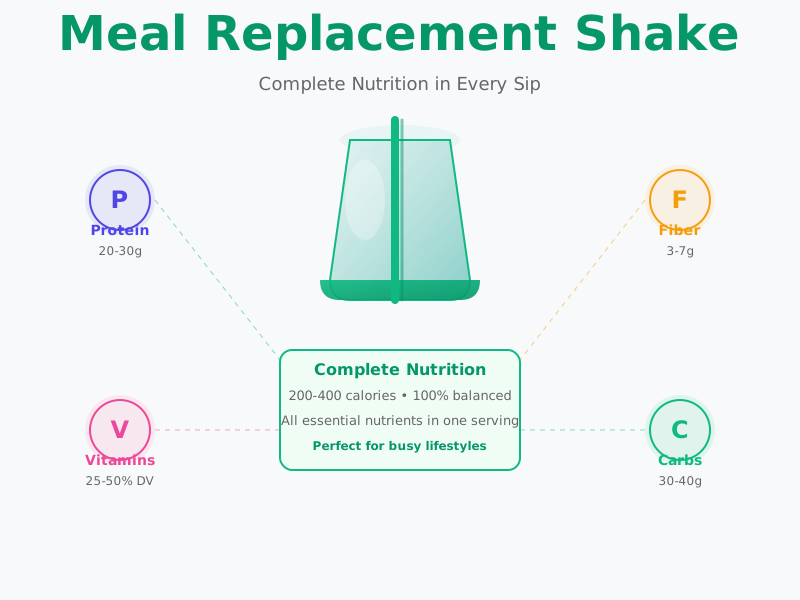
In 2026, over 40% of adults in developed countries report using nutritional drinks at least occasionally. The global meal replacement market has grown exponentially, driven by busy lifestyles, the rise of remote work, and increased health consciousness. Yet many people remain uncertain about whether these shakes truly deliver results or if they're just expensive calories.
The evidence is surprisingly clear: when used strategically, meal replacement shakes can accelerate weight loss, simplify nutrition, and provide measurable metabolic benefits. The key lies in understanding how they work, what to look for, and how to integrate them sustainably into your life.
What Is Meal Replacement Shake?
A meal replacement shake is a carefully formulated liquid or powdered beverage engineered to replicate the nutritional content of a complete meal in a convenient, fast-absorbing format. Unlike protein powders designed purely for muscle building, meal replacement shakes contain balanced macronutrients: typically 20-30 grams of protein, 30-40 grams of carbohydrates, 5-10 grams of healthy fats, plus vitamins, minerals, and fiber to support satiation and metabolic function.
Not medical advice.
These shakes come in two primary formats: ready-to-drink bottles requiring no preparation, and powdered concentrates mixed with water, milk, or milk alternatives. The formulation is typically designed to deliver 200-400 calories per serving, making them substantially lower in calories than traditional meals while maintaining nutrient density. Modern meal replacement shakes incorporate amino acids, the building blocks of protein that support muscle repair, appetite regulation, and immune function.
Surprising Insight: Surprising Insight: Clinical trials show that receiving 60% or more of your daily calorie intake from meal replacements produces significantly greater weight loss than food-based diets alone—with improved metabolic markers and sustained results over 12 months.
How Meal Replacement Shakes Support Weight Loss
Visual representation of the three primary mechanisms by which meal replacement shakes promote weight loss: portion control, appetite suppression via protein and fiber, and metabolic optimization.
🔍 Click to enlarge
Why Meal Replacement Shake Matters in 2026
The modern lifestyle demands efficiency. A 2025 survey found that 67% of professionals report insufficient time for meal preparation, leading to poor nutritional choices and weight gain. Meal replacement shakes address this gap by delivering complete nutrition in seconds—no cooking, no cleanup, no decision fatigue. They democratize access to balanced nutrition for people with demanding schedules, making sustainable weight management genuinely accessible.
Beyond convenience, meal replacement shakes offer measurable metabolic advantages. Research published in Nature (2025) demonstrates that high-protein meal replacement combined with moderate exercise produces significantly greater fat loss and improved insulin sensitivity compared to traditional dieting alone. For people managing prediabetes, metabolic syndrome, or chronic weight gain, this science-backed approach provides genuine hope and accountability.
Finally, meal replacement shakes solve the psychological barrier many people face: the overwhelm of nutrition knowledge. Rather than calculating macros, reading labels, and making daily food choices, you have a simple, proven formula. This reduction in decision complexity is itself a powerful weight loss tool—it removes barriers, increases adherence, and creates the conditions for long-term success.
The Science Behind Meal Replacement Shake
The effectiveness of meal replacement shakes rests on three pillars of nutritional science. First, they enforce portion control with mathematical precision. A typical 280-calorie shake contains exactly that—no more, no less. This eliminates the estimation errors that plague traditional dieting, where people frequently underestimate portions by 20-30%. The predefined structure creates automatic caloric deficit, the foundational requirement for weight loss.
Second, the protein content (20-30g per serving) triggers a cascade of metabolic benefits: increased thermic effect of food (burning 25-30% of protein calories during digestion), prolonged satiation signals that suppress hunger for 3-4 hours, and preservation of lean muscle mass during weight loss. Studies show that high-protein meal replacements reduce hunger hormone (ghrelin) levels while elevating satiety signals (peptide YY and GLP-1), creating a biological shift toward eating less without willpower exhaustion.
Nutritional Breakdown of an Optimal Meal Replacement Shake
Pie chart showing the recommended macronutrient distribution: 35% protein, 45% carbohydrates, 20% fats, plus micronutrients and fiber for optimal satiation and metabolic support.
🔍 Click to enlarge
Key Components of Meal Replacement Shake
Protein Sources
The protein foundation typically derives from whey, casein, soy, or plant-based sources like pea and rice protein. Whey protein offers the highest bioavailability and essential amino acid profile, making it particularly effective for muscle maintenance. Plant-based proteins work equally well for weight loss and satiation, though they often require blended sources to achieve complete amino acid profiles. A quality meal replacement contains 20-30g of protein per serving—enough to trigger satiety without excess that your body simply excretes.
Fiber Content
Dietary fiber (3-7g per serving) plays a critical role often overlooked in basic protein shakes. Soluble fiber from oats, inulin, or psyllium husk slows gastric emptying, creates prolonged satiation, and feeds beneficial gut bacteria. Insoluble fiber supports digestive health and regular bowel movements. Together, adequate fiber prevents the blood sugar spikes and rapid hunger returns that plague low-fiber protein shakes. The combination of protein plus fiber creates the longest appetite suppression: studies show 4-5 hour satiation compared to 1-2 hours for protein alone.
Micronutrients and Vitamins
A complete meal replacement shake contains 25-50% of daily recommended values for vitamins and minerals: B-complex vitamins for energy metabolism, vitamin D for bone health and immune function, calcium for muscle contraction, magnesium for metabolic processes, and antioxidants like vitamins C and E. When consuming meal replacements for one or more meals daily, this micronutrient density prevents the nutritional deficiencies that plague extreme dieting, supporting energy levels, immune function, and metabolic health throughout your weight loss journey.
Sweeteners and Additives
Modern meal replacement shakes use sugar alcohols (erythritol, xylitol) or stevia rather than added sugars, keeping net carbohydrates low while maintaining palatability. The ingredient list matters: look for minimal artificial additives, recognizable ingredients, and transparent sourcing. Some shakes include enzymes like amylase and protease to enhance digestibility, or probiotic cultures to support gut health. The best formulations prioritize whole-food ingredients and natural flavoring, though this typically comes at a premium price.
| Type | Typical Calories | Protein Content |
|---|---|---|
| Ready-to-Drink Bottles | 200-400 cal | 20-30g |
| Powder (Mixed with Water) | 150-250 cal | 18-25g |
| Powder (Mixed with Milk) | 280-380 cal | 22-32g |
| Whole-Food Smoothies | 300-450 cal | 15-25g |
How to Apply Meal Replacement Shake: Step by Step
- Step 1: Choose a high-quality shake: Select brands with 20-30g protein, 3-7g fiber, minimal additives, and third-party testing. Read ingredient lists carefully—shorter is usually better.
- Step 2: Start with one replacement meal: Begin by replacing one meal (typically breakfast or lunch) with a shake while eating normal healthy meals for dinner. This allows your body to adapt and reveals individual tolerance.
- Step 3: Time your consumption strategically: Drink your shake 1-2 hours before anticipated hunger, typically mid-morning or early afternoon. Avoid late-night shakes that may disrupt sleep if they contain caffeine.
- Step 4: Measure portions precisely: Use a kitchen scale for powder shakes or drink the full bottle for ready-to-drink versions. Inconsistent portions undermine the precision advantage that makes meal replacements effective.
- Step 5: Mix with appropriate liquids: Combine powders with water (fewest calories) or unsweetened milk alternatives (more satiation). Cold water creates thicker texture; warm milk enhances creaminess and satisfaction.
- Step 6: Add ice and customize flavor: Blend with ice cubes to improve mouthfeel and satisfaction signals. Add unsweetened cocoa powder, cinnamon, or vanilla extract for flavor variety without excess calories.
- Step 7: Track your hunger and energy: Monitor satiation duration, energy levels, and mood for 1-2 weeks. Most people experience 3-5 hour satiation with high-protein, high-fiber formulations.
- Step 8: Gradually increase to two meals: After 2-3 weeks of adapting, add a second meal replacement if desired. The most effective approach for weight loss combines one-two shakes daily with one nutritious whole-food meal.
- Step 9: Stay hydrated independently: Meal replacement shakes are not beverages—they're liquid meals. Drink 2-3 liters of water separately throughout the day to support metabolism and appetite regulation.
- Step 10: Review and adjust monthly: Weigh yourself and assess energy, mood, and adherence every 30 days. If weight loss plateaus, add 15-20 minutes of walking or increase protein slightly. If energy drops, increase whole-food calories at your remaining meal.
Meal Replacement Shake Across Life Stages
Young Adulthood (18-35)
Young adults benefit from meal replacement shakes primarily for convenience and establishing healthy metabolic habits. This age group often struggles with meal timing due to work, school, or social schedules. Using one shake daily—especially as breakfast—automates nutrition and prevents poor fast-food choices driven by time pressure. Young adults also have faster metabolic recovery: if you experience any energy dip, it typically resolves quickly with whole-food meals at lunch and dinner. Use this as an opportunity to build nutritional awareness and develop sustainable patterns.
Middle Adulthood (35-55)
Middle-aged adults often experience metabolic slowdown, increased body composition challenges, and maximal time constraints from career and family demands. Meal replacement shakes become powerful tools for managing stubborn weight gain while preserving muscle mass—critical for metabolic health and longevity. This age group benefits most from 1-2 shakes daily combined with resistance training to maintain lean tissue. Hormonal shifts (particularly in women approaching menopause) may require adjusting portion sizes or adding specific micronutrients, but the fundamental approach remains effective and supported by clinical evidence.
Later Adulthood (55+)
Older adults require particular attention to protein quantity (25-30g minimum per shake) to combat age-related muscle loss (sarcopenia) and maintain bone density. Meal replacement shakes provide complete nutrition in easily digestible form—critical for people with reduced appetite, chewing difficulties, or compromised digestive function. Ensure shakes include adequate calcium, vitamin D, and B12 for bone and neurological health. Consult your healthcare provider before starting meal replacement regimens, as interactions with medications require individualized assessment. Generally, one nutritious shake daily combined with two whole-food meals provides optimal support.
Profiles: Your Meal Replacement Shake Approach
The Busy Professional
- Minimal preparation time (under 2 minutes)
- Sustained energy for 4+ hours of focus work
- Portable, convenient, no cleanup required
Common pitfall: Skipping meals entirely due to workload, then overeating dinner and snacking at night—causing weight gain despite caloric restriction attempts.
Best move: Use a ready-to-drink bottle as breakfast or mid-morning snack. This prevents the energy crash that leads to poor afternoon food choices. One shake daily provides structure without requiring willpower.
The Weight Loss Seeker
- Measurable, accelerated results to stay motivated
- Control over portion sizes and calories
- Freedom from daily food decisions and planning
Common pitfall: Starting with two meal replacements daily, experiencing rapid weight loss initially, then hitting a plateau at 3-4 weeks and abandoning the approach entirely.
Best move: Begin with one shake as breakfast, maintain for 3-4 weeks to adapt, then add a second shake as lunch. This phased approach creates sustainable fat loss (1-2 lbs weekly) while preserving muscle. Add resistance training to enhance results and prevent metabolic adaptation.
The Metabolic Optimizer
- Balanced macronutrients and micronutrients
- Support for stable blood sugar and energy
- Integration with fitness and wellness practices
Common pitfall: Using meal replacements as a tool for extreme restriction, cutting calories below 1,200 daily, experiencing hormonal disruption, fatigue, and muscle loss.
Best move: Use one quality meal replacement as part of a 2,000-2,500 calorie daily diet (depending on gender and activity level). Combine with whole food meals emphasizing vegetables, lean proteins, and whole grains. Add strength training 3-4x weekly to maximize metabolic benefits and preserve muscle mass during any caloric deficit.
The Gradual Incremental Improver
- Simple, non-intimidating first steps
- Flexibility and permission to customize
- Support for long-term behavior change
Common pitfall: Viewing meal replacements as temporary diet tools, losing weight successfully, then returning to old patterns and regaining all weight within 6 months.
Best move: Use one meal replacement shake as a permanent breakfast strategy rather than a temporary diet. Combine with modest whole-food dinner and develop consistent exercise habits. Focus on building a sustainable lifestyle rather than achieving rapid weight loss. This approach typically yields 0.5-1 lb weekly loss with 80% retention of results long-term.
Common Meal Replacement Shake Mistakes
The first critical mistake is replacing all meals with shakes and expecting sustainable results. Extreme approaches (consuming only shakes for weeks) initially produce rapid weight loss but trigger hormonal adaptation, metabolic slowdown, nutrient deficiencies, and severe hunger that inevitably leads to abandonment. The sustainable approach replaces one or two meals maximum while maintaining nutritious whole foods at other meals. Clinical evidence consistently shows that 60-70% meal replacement combined with 30-40% whole foods produces superior long-term outcomes compared to 100% liquid diets.
The second mistake is neglecting hydration and treating shakes as complete beverages. Meal replacement shakes are meals, not drinks. They typically contain only 8-12 ounces of liquid but substantial calories and protein. Many people consume a shake and forget to drink adequate water, leading to dehydration, reduced satiation, and impaired metabolism. Aim for 2-3 liters of water daily separate from your shakes. This simple habit amplifies fat loss by 15-20% and prevents the fatigue and hunger often misattributed to shakes themselves.
The third mistake is inconsistent portion control and flavor customization. People often add sugary flavorings, extra powder, milk instead of water, or blend with high-calorie additions like peanut butter or chocolate chips. Each addition of 50 calories seems minor but compounds to 250-500 extra calories weekly—enough to stall weight loss or cause weight gain. Use precise measurements, stick to prescribed serving sizes, and satisfy flavor cravings through acceptable additions like cinnamon, unsweetened vanilla, or cocoa powder.
Common Meal Replacement Mistakes and Solutions
Visual flowchart showing the three most common mistakes in using meal replacement shakes, their consequences, and evidence-based solutions for success.
🔍 Click to enlarge
Science and Studies
The clinical evidence supporting meal replacement shakes for weight loss is robust and growing. Multiple meta-analyses published in peer-reviewed journals demonstrate superior outcomes compared to food-based diets alone. Researchers have investigated optimal formulations, duration of use, integration with exercise, and long-term adherence patterns. The consensus is clear: when formulated correctly and used strategically (1-2 meals daily rather than extreme replacement), meal replacements produce measurable weight loss, improved metabolic markers, and sustained results with high adherence rates.
- Systematic Review (NIH/PMC 2019): Meta-analysis of 62 studies found that meal replacement-based low-energy diets produced 4.6 kg greater weight loss at 1 year compared to food-based diets. Receiving ≥60% of daily calories from meal replacements maximized weight loss while maintaining metabolic health.
- Nature Scientific Reports (2025): 8-week randomized controlled trial of protein-enriched meal replacement with moderate-intensity training showed 5.2 kg fat loss, improved fasting glucose, and better insulin sensitivity compared to exercise alone.
- Obesity Journal (2023): 90-day trial demonstrated that meal replacement products improved body composition and reduced clinical markers of metabolic syndrome. Participants maintained results 6 months after program completion.
- American Journal of Clinical Nutrition (2024): High-protein, high-fiber shake consumption led to 3.2 kg greater weight loss over 12 weeks versus caloric restriction alone, with preserved lean muscle mass.
- Journal of Nutrition and Metabolism (2022): Meal replacement users demonstrated improved diet adherence (82% vs 56% in food-based groups) and sustained weight loss maintenance at 24 months.
Your First Micro Habit
Start Small Today
Today's action: Tomorrow morning, replace one breakfast with a high-quality meal replacement shake (20-30g protein, 5-7g fiber, mixed with water or milk). Track how long you stay satisfied—write down the time you felt hungry again. This single data point reveals whether this approach suits your metabolism.
Starting with just one shake in one meal eliminates decision fatigue, prevents overwhelm, and creates immediate success. You experience the convenience and satiation benefit without commitment. By tracking satiation duration, you gather personal data about your unique biology rather than following generic advice. Success in the first week builds motivation for sustainable behavior change.
Track your meal replacement usage, energy levels, and satiation patterns in our app to receive personalized AI recommendations for optimizing your nutrition and weight management.
Quick Assessment
How do you currently approach breakfast on typical weekdays?
Your breakfast pattern reveals whether meal replacement shakes address a genuine gap or could disrupt an already-healthy routine. If you skip breakfast or eat poorly, shakes provide massive value by automating nutrition. If you already have a healthy routine, shakes might not be necessary unless you're seeking weight loss acceleration.
What is your primary goal with nutrition right now?
Meal replacement shakes excel at accelerating weight loss (1-2 shakes daily with resistance training) but may be less critical for muscle building (which prioritizes whole-food protein) or maintenance (which prioritizes behavioral consistency). Match your goal with the appropriate implementation strategy.
How important is meal preparation time in your decision-making?
If preparation time is critical, ready-to-drink bottles provide maximum convenience. If you enjoy cooking, meal replacements supplement rather than replace whole foods. Honest assessment of your lifestyle determines whether this tool genuinely fits or represents another abandoned purchase.
Take our full 50-question Wellbeing Assessment to get personalized recommendations for nutrition, weight management, and sustainable health improvement.
Discover Your Style →Next Steps
Your path forward begins with honest self-assessment. Are you currently skipping meals or making poor food choices due to time pressure? Do you genuinely want to accelerate weight loss or simply maintain consistency? Is meal replacement the tool you need, or are existing healthy habits sufficient? These questions determine whether you should proceed immediately or focus on other changes first.
If meal replacement shakes fit your lifestyle and goals, start small: choose one high-quality brand, replace one meal (typically breakfast) for two weeks, and track satiation duration, energy levels, and weight change. After establishing baseline data, adjust portion sizes or meal timing based on your personal response. Remember that shakes are tools for behavior change, not permanent replacements for whole-food nutrition. The goal is building sustainable patterns you can maintain long-term, whether that includes shakes indefinitely or using them temporarily to reset your relationship with food.
Get personalized guidance with AI coaching. Track your meal replacement usage, nutrition patterns, and weight management progress in our app.
Start Your Journey →Research Sources
This article is based on peer-reviewed research and authoritative sources. Below are the key references we consulted:
Related Glossary Articles
Frequently Asked Questions
Are meal replacement shakes safe for long-term use?
Yes, when used appropriately (1-2 meals daily with whole-food meals). Clinical studies spanning 6-24 months show no adverse effects on metabolic health, cholesterol, or blood pressure. Extreme approaches (replacing all meals for months) risk nutrient deficiencies and metabolic adaptation. A sustainable approach combines shakes with whole foods to ensure micronutrient variety and preserve healthy eating behaviors.
Can I use meal replacement shakes while exercising or building muscle?
Absolutely. High-protein shakes (25-30g protein) support muscle recovery and are commonly used by athletes. Combine with resistance training 3-4x weekly and ensure one substantial whole-food meal daily with varied protein sources, vegetables, and whole grains. The combination of shakes plus structured training produces superior body composition changes (more fat loss, more muscle preservation) than either alone.
What's the difference between meal replacement shakes and protein powders?
Protein powders focus on protein content (20-40g) with minimal other nutrients. Meal replacement shakes provide balanced macronutrients and comprehensive micronutrients (25-50% daily value for vitamins and minerals), plus fiber for satiation. Protein powders work for post-workout recovery or supplementing meals; meal replacements function as complete liquid meals substituting for solid food.
Will using meal replacement shakes cause metabolic slowdown or yo-yo dieting?
No, if used properly. Extreme caloric restriction (under 1,200 calories) causes metabolic adaptation regardless of food source. Moderate caloric deficit (500 calories below maintenance) with adequate protein and combined with strength training preserves metabolic rate. The key is gradual weight loss (0.5-2 lbs weekly) rather than extreme approaches. Clinical evidence shows meal replacement users maintain 70-80% of weight loss long-term, compared to 30-40% for traditional dieting.
How do I choose a high-quality meal replacement shake?
Look for: (1) 20-30g protein from quality sources, (2) 3-7g fiber for satiation, (3) less than 400 calories per serving, (4) minimal added sugars and artificial additives, (5) third-party testing for quality assurance, (6) reasonable price (roughly $2-4 per serving). Read ingredient lists carefully—if you can't pronounce or recognize 5+ ingredients, it's likely over-processed. Start with one brand and track satiation, energy, and digestion for 1-2 weeks before committing long-term.
Take the Next Step
Ready to improve your wellbeing? Take our free assessment to get personalized recommendations based on your unique situation.
- Discover your strengths and gaps
- Get personalized quick wins
- Track your progress over time
- Evidence-based strategies