Magnesium for Kids
Is your child restless at bedtime, struggling to focus, or dealing with growing pains? Magnesium might be the missing puzzle piece in your child's wellness toolkit. This essential mineral plays a starring role in over 300 enzymatic reactions in the body, from building strong bones to regulating the nervous system. While childhood is when bones are forming fastest and brains are developing most actively, many children don't get enough dietary magnesium. Whether your child needs better sleep, improved focus, or stronger bones, understanding magnesium's power can transform their health naturally.
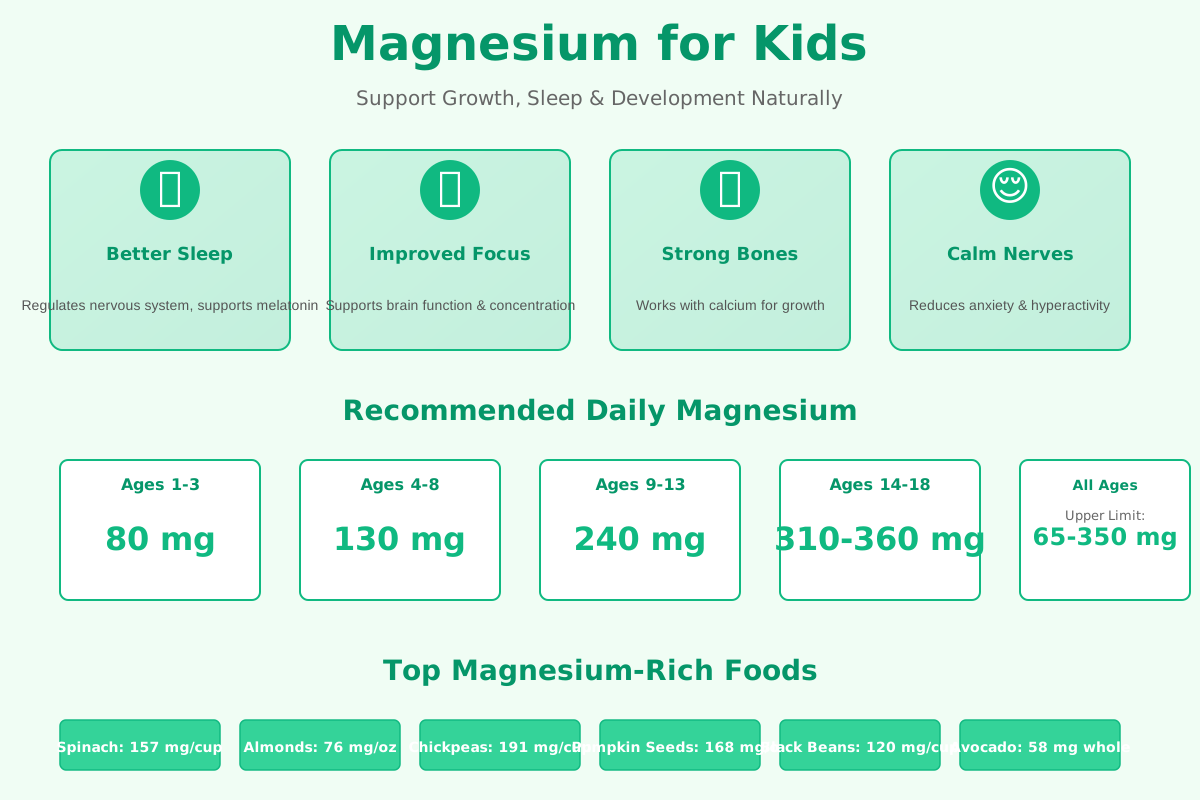
Magnesium deficiency in children shows up as hyperactivity, poor sleep, muscle cramps, and difficulty concentrating—symptoms many parents mistake for something else entirely.
The good news: you can boost your child's magnesium through food or targeted supplementation, making a real difference in their daily wellbeing and long-term health.
What Is Magnesium for Kids?
Magnesium is the fourth most abundant mineral in the human body. For children, it's particularly critical because their bodies are rapidly growing, their nervous systems are developing, and they need strong foundations for lifelong health. Magnesium acts as a cofactor in enzymatic reactions that regulate muscle function, nerve transmission, blood glucose control, and energy production. During childhood growth spurts, magnesium demand actually increases, yet many kids' diets don't meet their daily requirements due to processed foods, picky eating, and depleted soil quality in modern agriculture.
Not medical advice.
In pediatric practice, magnesium supplementation has become increasingly relevant as research reveals connections between magnesium status and children's behavioral health, sleep quality, and stress resilience. Unlike medications, magnesium works harmoniously with the body's natural systems, supporting rather than overriding them. The challenge for parents is knowing whether their child needs dietary changes, supplements, or both—and understanding safe, age-appropriate dosing.
Surprising Insight: Surprising Insight: Studies show that 72-95% of children with ADHD have clinically significant magnesium deficiency, yet this crucial connection is rarely discussed in standard pediatric care.
Magnesium's Role in Child Development
Shows how magnesium affects key systems in a child's body: nervous system (sleep and focus), skeletal system (bone building), muscular system (growth and coordination), and metabolic system (energy production).
🔍 Click to enlarge
Why Magnesium for Kids Matters in 2026
In 2026, children face unprecedented stress levels, screen time exposure, and dietary challenges. Modern processed foods contain significantly less magnesium than whole foods our ancestors ate, while soil depletion further reduces mineral content in vegetables. Simultaneously, childhood anxiety, sleep disorders, and attention challenges have risen dramatically. Magnesium addresses root causes rather than symptoms, supporting natural resilience during these formative years.
The American Academy of Pediatrics doesn't recommend magnesium supplementation for ADHD, yet peer-reviewed research consistently shows magnesium paired with vitamin B6 reduces hyperexcitability and inattention. Forward-thinking parents are taking a holistic approach, ensuring their children meet daily magnesium requirements through food first, then selective supplementation when needed.
Beyond behavior and sleep, magnesium is foundational for bone development during childhood when 90% of peak bone mass is achieved. Setting kids up with strong mineral status now prevents osteoporosis and fracture risk decades later. It's preventive medicine at its finest.
The Science Behind Magnesium for Kids
Magnesium participates in over 300 enzymatic reactions including ATP synthesis (the energy currency of cells), protein synthesis, DNA replication, and neurotransmitter regulation. For children's developing brains, magnesium is especially important because it regulates glutamate and GABA neurotransmitters—critical for calming an overactive nervous system. When magnesium is depleted, glutamate (the excitatory neurotransmitter) dominates, leading to hyperactivity, anxiety, and poor sleep. Research from NIH databases shows that magnesium deficiency correlates with increased ADHD symptoms, sleep disturbances, and anxiety in pediatric populations.
Magnesium also activates NMDA receptors in the brain, which regulate synaptic plasticity and learning. Children with adequate magnesium show improved concentration, faster learning, and better emotional regulation. The mineral additionally acts as a natural muscle relaxant, reducing cramps and tension that interfere with sleep and athletic performance. During growth spurts, magnesium works synergistically with calcium and vitamin D to deposit minerals into growing bones, directly influencing height, bone strength, and skeletal development.
How Magnesium Regulates Child Sleep & Mood
Flow diagram showing how magnesium influences neurotransmitters, activates the parasympathetic nervous system, and promotes quality sleep in children.
🔍 Click to enlarge
Key Components of Magnesium for Kids
Age-Appropriate Daily Requirements
The Recommended Dietary Allowance (RDA) for magnesium varies by age: children 1-3 years need 80 mg daily, ages 4-8 need 130 mg daily, ages 9-13 need 240 mg daily, and ages 14-18 need 360 mg daily (boys) or 310 mg daily (girls). These requirements reflect the mineral's critical role during rapid growth periods. The tolerable upper intake level (UL) from supplements is 65 mg for children under 1 year, 110 mg for ages 1-3, 350 mg for ages 4-8, and 350 mg for ages 9-13, protecting against supplement overdose.
Food-Based Magnesium Sources
Whole foods provide magnesium in bioavailable forms. Top sources include dark leafy greens (spinach, kale), almonds and other nuts, legumes (black beans, chickpeas), seeds (pumpkin, sunflower), whole grains, avocados, bananas, and brown rice. One ounce of almonds provides about 76 mg of magnesium, while one cup of cooked spinach provides 157 mg. The challenge: most children eat processed snacks instead, which contain negligible magnesium. Starting kids with magnesium-rich foods is the foundation; supplements should only supplement an inadequate diet.
Magnesium Supplement Types
Different magnesium forms have different absorption rates and effects. Magnesium glycinate is highly absorbable and gentle on the digestive system, making it ideal for children. Magnesium citrate has mild laxative effects and is well-absorbed. Magnesium malate supports energy production and is useful for active kids. Magnesium oxide, though inexpensive, is poorly absorbed and often causes diarrhea—avoid for children. Magnesium threonate crosses the blood-brain barrier and supports cognitive function specifically. For most children, glycinate or citrate are the best choices, given as divided doses with meals to improve absorption and minimize digestive upset.
Absorption and Bioavailability Factors
Magnesium absorption depends on stomach acid, digestive enzyme activity, and intestinal permeability—all of which develop through childhood. Taking magnesium with meals increases absorption and reduces side effects. Certain foods enhance absorption: vitamin D, vitamin B6, and protein all facilitate magnesium uptake. Conversely, phytic acid in grains and calcium supplements in excess can reduce magnesium absorption. Children with digestive disorders, food allergies, or those taking certain medications may have impaired absorption, requiring higher-quality supplement forms or professional guidance on dosing.
| Food | Portion Size | Magnesium (mg) |
|---|---|---|
| Almonds | 1 ounce (23 nuts) | 76 mg |
| Pumpkin seeds | 1 ounce | 168 mg |
| Black beans (cooked) | 1 cup | 120 mg |
| Spinach (cooked) | 1 cup | 157 mg |
| Avocado | 1 whole fruit | 58 mg |
| Banana | 1 medium | 32 mg |
| Brown rice (cooked) | 1 cup | 84 mg |
| Whole wheat bread | 2 slices | 46 mg |
| Chickpeas (cooked) | 1 cup | 191 mg |
| Dark chocolate (70%+) | 1 ounce | 64 mg |
How to Apply Magnesium for Kids: Step by Step
- Step 1: Assess your child's current diet: Track what they eat for 3-5 days to identify magnesium sources. Use online nutrition databases to estimate daily intake.
- Step 2: Calculate the gap: Compare actual intake to age-appropriate RDA. A 7-year-old eating mostly processed foods might get 40 mg when they need 130 mg—a significant shortfall.
- Step 3: Start with food first: Gradually introduce magnesium-rich whole foods your child will actually eat. Try adding spinach to smoothies, almonds to snacks, or dark chocolate as an occasional treat.
- Step 4: Assess symptoms: Notice baseline sleep quality, focus duration, mood, and muscle tension. You're looking for patterns—does your child struggle most at bedtime, mid-afternoon, or after school stress?
- Step 5: Consult your pediatrician: Before starting supplements, discuss your child's specific needs. Some children need dietary changes only; others benefit from supplementation.
- Step 6: Choose the right form: If supplementing, select magnesium glycinate for best absorption and gentleness. Aim for dosing at 0.5-1 mmol/kg body weight daily, or approximately 6-12 mg per kilogram per day.
- Step 7: Start low, go slow: Begin with half the intended dose for 3-5 days to assess tolerance and identify any digestive sensitivity. Watch for loose stools (sign of excess) or constipation (sign of inadequate intake).
- Step 8: Time supplementation strategically: Take magnesium with the largest meal of the day for best absorption. Evening dosing is often preferred if using it for sleep support, but morning dosing works too.
- Step 9: Give it time: Magnesium builds in the system over 2-4 weeks. Don't expect overnight changes. Sleep often improves first, followed by mood and focus improvements.
- Step 10: Monitor and adjust: Track changes in sleep quality, daytime behavior, focus, and physical symptoms. Adjust dosing upward gradually if well-tolerated, or downward if side effects occur. Reassess every 3 months.
Magnesium for Kids Across Life Stages
Toddlers & Early Childhood (1-5 years)
During ages 1-5, magnesium needs are relatively low (80-130 mg daily) but critical for brain development and bone formation. At this stage, supplementation is rarely necessary if a child eats whole foods. Focus on magnesium-rich foods they'll accept: banana pieces, avocado slices, almond butter on toast, and leafy greens mixed into foods. For toddlers with digestive issues or restricted diets, a liquid magnesium glycinate supplement under pediatric guidance can help. Never give supplements without professional assessment of actual need.
Middle Childhood (6-12 years)
School-age children (6-12 years) need 130-240 mg magnesium daily, and this is where many children fall short. School stress, after-school activities, screen time before bed, and dietary choices (cafeteria lunches, vending machine snacks) all contribute to magnesium depletion. If your child shows signs—difficulty falling asleep, hyperactivity after school, muscle cramps, or difficulty focusing—it's time to assess magnesium intake. Food should be primary, but selective supplementation often makes a noticeable difference during these high-demand years. Many children see improved sleep and focus within 3-4 weeks of adequate magnesium.
Teenagers (13-18 years)
Adolescents need 310-360 mg daily as their bodies undergo rapid growth and hormonal changes. Teenage years bring study stress, sports intensity, social anxiety, and irregular sleep patterns—all draining magnesium reserves. Teens who supplement often report better sleep quality, reduced anxiety during exams, and faster muscle recovery after sports. At this age, teens can take responsibility for taking supplements (usually magnesium glycinate 200-300 mg daily in divided doses) or consciously eating magnesium-rich foods. The investment in magnesium during teenage years supports not just immediate stress management but also long-term bone health and metabolic function.
Profiles: Your Magnesium for Kids Approach
The Picky Eater
- High-acceptance foods (bananas, dark chocolate, mild nuts)
- Magnesium-fortified foods disguised in favorite meals
- Strategic supplementation to fill dietary gaps
Common pitfall: Assuming magnesium supplements alone will solve digestive issues without addressing food aversions
Best move: Start with 2-3 kid-approved magnesium-rich foods and practice exposure. Add a liquid glycinate supplement if intake stays below 50% of RDA.
The Hyperactive Child
- Nervous system calming support (magnesium + B6)
- Consistent daily dosing for best results
- Integration with behavioral strategies
Common pitfall: Expecting magnesium to be a substitute for professional evaluation and behavioral support
Best move: Have pediatrician assess for ADHD before supplementing. If appropriate, add magnesium glycinate 150-200 mg daily alongside existing strategies.
The Athlete Child
- Extra magnesium for muscle recovery (20-30% above RDA)
- Magnesium citrate or malate for energy production
- Electrolyte balance support
Common pitfall: Assuming supplements replace proper hydration and nutrition
Best move: Ensure excellent diet foundation first. Add magnesium 200-250 mg daily for kids in intense sports, taken post-exercise with electrolytes.
The Anxious/Stressed Child
- Nervous system regulation (magnesium supports parasympathetic tone)
- Consistent dosing, preferably evening for next-day benefit
- Complementary stress-management practices
Common pitfall: Using magnesium alone without addressing root stressors or teaching coping skills
Best move: Combine magnesium glycinate 150-200 mg evening dose with meditation, breathing exercises, and stress management coaching.
Common Magnesium for Kids Mistakes
The biggest mistake parents make is assuming their child gets adequate magnesium. Processed foods, refined grains, and inadequate vegetables mean most children are silently depleted. Parents then notice symptoms (poor sleep, hyperactivity, cramps) and treat them separately rather than addressing root magnesium insufficiency.
Another common error is choosing the wrong supplement form. Magnesium oxide is cheap but poorly absorbed and causes diarrhea. Parents then abandon supplementation, concluding 'magnesium doesn't work,' when really they chose an inferior form. Glycinate and citrate are worth the extra cost and deliver actual results.
Parents also often expect immediate results. Magnesium isn't a quick fix like melatonin (which artificially triggers sleep). Instead, it builds in the system, supporting natural sleep-wake cycles and nervous system regulation over 2-4 weeks. Patience and consistency matter more than high doses.
Common Magnesium Mistakes and Their Solutions
Comparison of common errors parents make with magnesium supplementation and the evidence-based corrections.
🔍 Click to enlarge
Science and Studies
Research on magnesium for children comes from multiple credible sources including the NIH Office of Dietary Supplements, peer-reviewed journals, pediatric institutions, and longitudinal studies. The evidence clearly shows magnesium's role in child development, particularly regarding sleep, behavior, bone health, and stress resilience. Major findings from recent research (2020-2026) include the strong correlation between magnesium status and ADHD symptoms, the positive effects of magnesium with B6 supplementation on hyperactivity, and the relationship between dietary magnesium and sleep quality in children.
- NIH Office of Dietary Supplements: Comprehensive magnesium fact sheet for health professionals confirming RDA requirements and safe upper limits
- NCBI/PubMed: Multiple peer-reviewed studies on magnesium, hyperactivity, and autism in children showing 72-95% of ADHD children have magnesium deficiency
- Golisano Children's Hospital (University of Rochester): Pediatric nutrition research on magnesium-rich foods and clinical applications
- Yale Sleep and Chronobiology Lab: Research confirming the relationship between magnesium status and sleep quality in pediatric populations
- ScienceDirect: Meta-analyses on magnesium supplementation in children with attention deficit hyperactivity disorder showing measurable behavioral improvements
Your First Micro Habit
Start Small Today
Today's action: Tomorrow at breakfast, add one magnesium-rich food: either a banana, a small handful of almonds, or a green smoothie with spinach. Just one food, one meal. That's it.
Starting with one food removes decision fatigue and builds the habit gradually. You'll notice your child's response (if any) without overwhelming their palate. Most kids accept bananas or almonds easily, making this a non-confrontational entry point to better magnesium intake.
Keep quitting habit apps after a missed day? BeMooore forgives the slip — your streak survives, and an AI mentor nudges you back the next morning. Free on iOS.
Quick Assessment
How would you describe your child's current sleep?
Children with poor sleep often have suboptimal magnesium intake. Options 2-4 suggest potential magnesium insufficiency contributing to nervous system overstimulation.
How often does your child experience muscle cramps or restlessness?
Frequent muscle cramps, restless legs, or fidgeting suggest magnesium depletion. These are early warning signs that dietary or supplemental magnesium could help.
What's your child's current diet pattern?
Whole-food diets provide adequate magnesium naturally. Processed-food diets typically deliver less than 50% of RDA, requiring dietary changes or supplementation.
Take our full assessment to get personalized recommendations.
Discover Your Style →Next Steps
Start today by assessing your child's actual magnesium intake. Track one day of eating to get realistic numbers. You might be surprised—most children eating standard diets get 30-60% of their RDA. Then, make one small change: add one magnesium-rich food to tomorrow's breakfast. Build from there, adding foods gradually as your child accepts them.
Schedule a conversation with your pediatrician about magnesium, especially if your child has sleep issues, hyperactivity, anxiety, or growing pains. Bring this article with you. Show your pediatrician the research and ask whether your child would benefit from dietary changes, supplementation, or both. Most pediatricians are increasingly supportive of nutritional approaches when they understand the evidence.
Get personalized guidance with AI coaching.
Start Your Journey →Research Sources
This article is based on peer-reviewed research and authoritative sources. Below are the key references we consulted:
Related Glossary Articles
Frequently Asked Questions
Is magnesium supplementation safe for kids?
Yes, when used appropriately. Magnesium from food is always safe. Supplemental magnesium within recommended upper limits (65-350 mg daily depending on age) is safe for most healthy children. Always consult your pediatrician before starting supplements, especially if your child has kidney disease, digestive disorders, or takes medications.
How long does it take magnesium to work?
Sleep improvements often appear within 1-2 weeks of adequate magnesium intake. Behavioral changes, focus improvements, and mood regulation typically develop over 2-4 weeks as magnesium accumulates in tissues. For athletes, muscle recovery improvements may be noticeable after 3-5 days. Give magnesium at least 4 weeks of consistent use before assessing effectiveness.
Can my child overdose on magnesium?
Overdose from food is virtually impossible. From supplements, extremely high intakes can cause diarrhea, nausea, cramping, and in rare cases, irregular heartbeat. This is why upper limits exist and why starting with low doses and increasing gradually is important. If your child experiences symptoms of excess (persistent diarrhea, weakness), reduce the dose and consult your pediatrician.
Should I use magnesium instead of medical treatment for ADHD?
No. Magnesium is complementary to professional evaluation and treatment, not a replacement. Some children with ADHD benefit from magnesium supplementation alongside behavioral strategies or medication; others need only magnesium and dietary changes. Your pediatrician or child psychiatrist should assess your specific child's needs and coordinate all treatments.
What's the best magnesium form for kids?
Magnesium glycinate is the gold standard for children: highly absorbable, gentle on the digestive system, and less likely to cause loose stools. Magnesium citrate is another good option with mild laxative effects (useful if constipation is a problem). Avoid magnesium oxide due to poor absorption and frequent diarrhea. Magnesium threonate is excellent if cognitive support is the goal but costs more.
Take the Next Step
Ready to improve your wellbeing? Take our free assessment to get personalized recommendations based on your unique situation.
- Discover your strengths and gaps
- Get personalized quick wins
- Track your progress over time
- Evidence-based strategies