Kids Multivitamin
As a parent, you want the best for your child's health. One question many parents ask is whether their child needs a multivitamin supplement. It's a reasonable concern—childhood development requires proper nutrition, and busy modern life means kids don't always eat perfectly balanced meals. This guide explores the evidence about children's multivitamins, helping you make an informed decision based on your child's individual needs and dietary patterns.
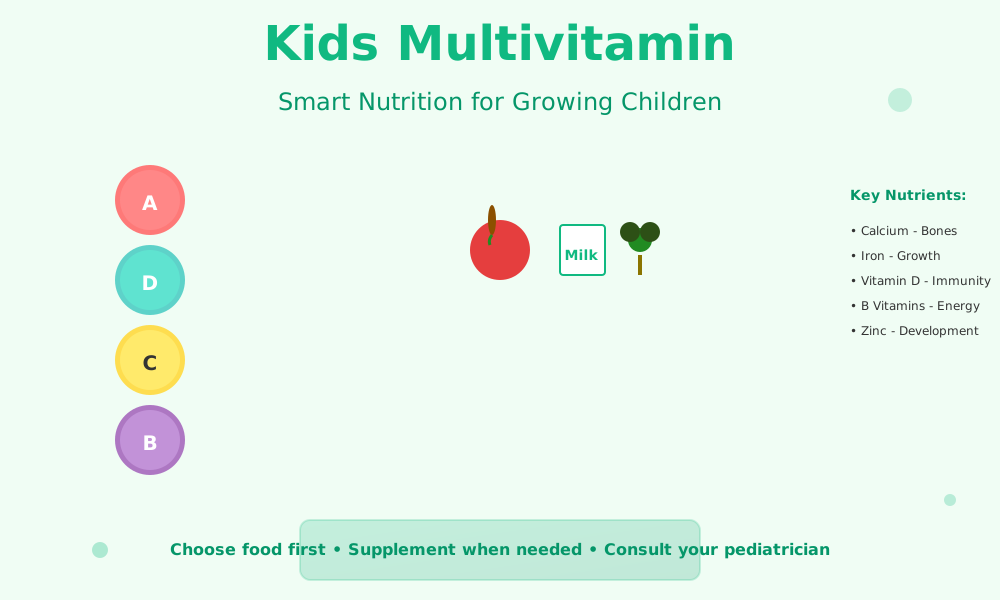
The American Academy of Pediatrics (AAP) and leading pediatric organizations have clear guidance on supplementation for healthy children.
Understanding the difference between food-based nutrition and supplements can help you build the healthiest approach for your family.
What Is Kids Multivitamin?
A kids multivitamin is a dietary supplement containing a combination of vitamins and minerals formulated specifically for children's nutritional needs. These supplements typically come in chewable tablets, gummies, liquids, or powders and are designed to fill potential nutritional gaps in a child's diet. Multivitamins usually contain vitamin A, B-complex vitamins (B1, B2, B3, B5, B6, B12), vitamin C, vitamin D, vitamin E, and minerals like calcium, iron, zinc, and magnesium.
Not medical advice.
Most children multivitamins are designed for ages 2 and up, though specialized formulations exist for infants and teenagers. The dosage is calibrated lower than adult vitamins to match children's smaller body size and lower nutritional requirements. Some multivitamins include additional ingredients like probiotics, omega-3s, or herbal extracts, while basic formulations focus on core essential micronutrients.
Surprising Insight: Surprising Insight: Multivitamins are used by 23.8% of children and adolescents, yet most healthy children eating varied diets don't need them according to AAP guidelines.
When Kids Might Need Supplements
Decision flowchart showing which children benefit from multivitamins based on diet quality and health status.
🔍 Click to enlarge
Why Kids Multivitamin Matters in 2026
Modern childhood nutrition is more complex than ever. Food choices have expanded dramatically, yet research shows that many children consume limited varieties of fruits and vegetables, creating nutritional gaps. Ultra-processed foods dominate many children's diets, lacking the micronutrient density of whole foods. Additionally, regional food systems and food allergies affect nutritional access for some families.
Vitamin D deficiency specifically has become more common in children, particularly in northern climates with limited winter sun exposure or in families with darker skin tones requiring more sun exposure for vitamin D synthesis. Iron deficiency remains a significant concern for vegetarian and vegan children. These specific gaps have made pediatricians reconsider supplementation recommendations in certain contexts.
The evidence suggests that rather than universal multivitamin use, targeted supplementation based on individual assessment is most effective. Parents need current, accurate information to navigate supplement marketing claims, conflicting advice, and their own concerns about their children's nutrition.
The Science Behind Kids Multivitamin
Pediatric nutrition research shows that healthy children eating varied diets with adequate fruits, vegetables, whole grains, dairy, and protein typically obtain sufficient vitamins and minerals without supplementation. The AAP's position states: 'Multivitamin-mineral preparations are not recommended as a routine supplement for healthy children whose nutritional needs can be met through an adequate diet.' However, research also identifies specific populations where supplementation provides documented benefits.
Calcium and vitamin D work synergistically—vitamin D acts like a 'taxi' for calcium, enabling only 10-15% of dietary calcium absorption without adequate vitamin D. Children ages 10-20 experience peak bone growth, making these nutrients particularly critical during this window. Magnesium, phosphorus, and vitamin K also contribute to bone mineralization. Iron deficiency affects cognitive development and physical growth, making it essential for vegetarian/vegan children. Zinc supports immune function and growth, while B vitamins enable energy metabolism and neurological development.
Key Nutrients for Child Development
Visual breakdown of essential vitamins and minerals, their functions, and food sources for children.
🔍 Click to enlarge
Key Components of Kids Multivitamin
Vitamin D
Vitamin D is perhaps the most important nutrient to consider in supplementation. Children ages 1-18 need 600 IU daily, though many pediatricians recommend 1000-2000 IU for optimal bone health. Breastfed infants specifically need 400 IU daily from birth, as breast milk contains minimal vitamin D. Limited sun exposure (especially in winter months or high-latitude climates), darker skin requiring more sun for synthesis, and dietary limitations all contribute to vitamin D deficiency risk. Food sources include fortified milk, fatty fish, and egg yolks—foods many children consume infrequently.
Iron
Iron requirements vary dramatically by age and dietary pattern. Ages 1-3 need 7 mg daily, ages 4-8 need 10 mg, and ages 9-13 need 8 mg for girls and 8 mg for boys. Iron deficiency remains the most common nutritional deficiency in children, particularly affecting vegetarian and vegan children who rely on plant-based iron (non-heme iron) which absorbs less efficiently than animal sources. Symptoms of iron deficiency include pale skin, fatigue, poor concentration, and delayed growth. Fortified cereals and red meat are primary sources, making children avoiding these foods higher-risk.
Calcium and Magnesium
Peak bone mass develops during childhood and teenage years, with 90% of adult bone mass built by age 18. Children ages 1-3 need 700 mg calcium daily, ages 4-8 need 1000 mg, and ages 9-18 need 1300 mg. Magnesium (200-400 mg daily depending on age) is essential for bone formation and muscle function. Dairy products provide both these minerals efficiently, but children with lactose intolerance, allergies, or vegan diets may need alternative sources like leafy greens, fortified plant milks, and seeds—foods many children avoid. Magnesium also supports sleep quality and stress response.
B Vitamins and Vitamin C
B vitamins (B1, B2, B3, B5, B6, B12) enable energy metabolism, support nervous system development, and contribute to mood regulation. Vegetarian and vegan children should receive B12 supplementation, as this vitamin appears primarily in animal products. Vitamin C supports immune function, helps iron absorption (particularly important for plant-based diets), and contributes to collagen formation for tissue development. Both nutrient families are water-soluble, meaning excess amounts are excreted, making toxicity unlikely but requiring consistent dietary sources.
| Nutrient | Ages 1-3 | Ages 4-8 | Ages 9-13 |
|---|---|---|---|
| Vitamin D | 600 IU | 600 IU | 600 IU |
| Iron | 7 mg | 10 mg | 8 mg |
| Calcium | 700 mg | 1000 mg | 1300 mg |
| Zinc | 3 mg | 5 mg | 8 mg |
| Magnesium | 80 mg | 130 mg | 240 mg |
How to Apply Kids Multivitamin: Step by Step
- Step 1: Assess your child's current diet: Keep a food diary for 3-5 days noting fruits, vegetables, dairy, proteins, and whole grains consumed daily.
- Step 2: Identify dietary gaps: Look for missing food groups or limited variety in what your child actually eats versus what you offer.
- Step 3: Consult your pediatrician: Discuss your child's specific diet, any food restrictions, and whether supplementation is recommended.
- Step 4: Choose age-appropriate formulation: Select supplements formulated for your child's specific age group with correct dosage levels.
- Step 5: Check for quality and safety: Look for third-party testing (USP, NSF, ConsumerLab verified) and avoid supplements with excessive added sugars.
- Step 6: Consider gummy vs. chewable: Gummies pose higher cavity risk due to sugar and sticky texture; chewables are often better for dental health.
- Step 7: Establish consistent routine: Give supplements at the same time daily, ideally with a meal to improve absorption.
- Step 8: Store safely out of reach: Many multivitamins contain iron at levels toxic to young children if overdosed; store securely.
- Step 9: Monitor for side effects: Watch for constipation, diarrhea, or upset stomach, which usually resolve as the body adjusts.
- Step 10: Reassess annually: Review dietary intake yearly as children's preferences and nutritional needs change with growth.
Kids Multivitamin Across Life Stages
Young Adulthood (18-35)
Young adult children still in school or early career may benefit from multivitamins if they maintain limited diets from academic stress, tight budgets, or active lifestyles limiting food preparation time. Students living in dorms with limited kitchen access particularly benefit from targeted supplementation, especially vitamin D in northern climates. Young adults establishing independent eating patterns often consume less variety than childhood years, making this a transition period where supplementation may become helpful.
Middle Adulthood (35-55)
This stage typically represents peak nutritional autonomy, where adults have more control over food choices and budget. However, busy family schedules and work demands sometimes create dietary shortcuts. For parents managing children's nutrition while maintaining their own health, establishing healthy food modeling habits benefits the entire family more than supplementation alone.
Later Adulthood (55+)
Grandparents and older caregivers might find multivitamins helpful for their own health, but when supporting children's nutrition, whole foods remain primary. Modeling healthy eating establishes lifelong patterns more effectively than supplements ever could.
Profiles: Your Kids Multivitamin Approach
The Health-Conscious Parent
- Food-first approach with targeted supplements only where real gaps exist
- Understanding which nutrients matter most for their child's specific diet
- Clear criteria for when supplementation is truly beneficial vs. insurance/peace-of-mind driven
Common pitfall: Assuming any multivitamin provides more benefit than a balanced diet, or avoiding necessary supplements due to 'natural is better' ideology.
Best move: Work with your pediatrician to identify specific nutritional gaps, then target those with either food strategies or focused supplements rather than broad multivitamins.
The Busy Parent with Limited-Diet Child
- Understanding which gaps multivitamins can actually fill for picky eaters
- Realistic assessment of what dietary improvement is possible vs. temporary supplementation
- Knowledge of when specialist referral (feeding therapist) is appropriate
Common pitfall: Using multivitamins as a substitute for addressing the underlying eating challenges, leading to limited diet perpetuation.
Best move: Supplement for current genuine gaps while simultaneously working on food acceptance through exposure and positive experiences, with professional support if needed.
The Special-Diet Parent (Vegan, Allergic)
- Targeted supplementation for nutrients commonly low in restrictive diets
- Clear guidance on which gaps are critical (B12, iron, vitamin D) vs. minor
- Reassurance that thoughtful supplementation allows healthy restriction without nutritional compromise
Common pitfall: Either over-supplementing out of worry or under-supplementing due to supplement aversion, missing critical needs.
Best move: Work with a pediatric dietitian to identify specific nutritional priorities, supplement those strategically, and build nutrient-dense food patterns that minimize supplement dependency.
The Evidence-Based Parent
- Clear explanation of the research showing when supplements help vs. show no effect
- Understanding that lack of evidence for universal benefits doesn't mean supplements never help
- Confidence in targeted, individualized decisions over population-level recommendations
Common pitfall: Dismissing supplements entirely because research doesn't support universal use, potentially missing important individual needs.
Best move: View AAP guidelines as population recommendations while using individual assessment to identify whether your specific child benefits from supplementation.
Common Kids Multivitamin Mistakes
Parents often assume that if some supplementation is helpful, more must be better. Taking excessive amounts of fat-soluble vitamins (A, D, E, K) can lead to toxicity, particularly with vitamin A and D. Some children's multivitamins contain iron levels designed for children 4+, which can be dangerous if accidentally given to younger toddlers or consumed in large quantities. Always match the supplement to your child's age group.
Another common mistake involves using multivitamins as a substitute for addressing problematic eating patterns. If your child eats an extremely limited diet, a multivitamin fills some nutritional gaps but doesn't solve the underlying eating challenge. This approach can inadvertently extend dietary limitation by reducing pressure to introduce new foods. The better strategy involves simultaneous work on expanding food acceptance while supplementing genuine gaps.
Storage safety is frequently overlooked. Because many children's multivitamins taste pleasant and resemble candy, accidental overdose particularly involving iron is a significant poisoning risk. Iron overdose can cause serious toxicity even in quantities that seem small. Supplements should be stored securely out of children's reach, just like medications.
Common Supplementation Mistakes to Avoid
Visual guide showing the most frequent errors parents make with children's multivitamins.
🔍 Click to enlarge
Science and Studies
Research on children's multivitamins shows clear findings that healthy children with adequate diets receive minimal benefit from universal supplementation. However, studies also identify specific populations where targeted supplementation provides documented advantages. The evidence suggests personalized rather than population-wide approaches.
- AAP Position (Pediatrics, 2024): Healthy children ages 1+ with well-balanced diets do not require routine multivitamin supplementation; focus on food-first approaches.
- Vitamin D Research: Multiple studies confirm that vitamin D supplementation benefits children in northern climates and high-risk populations, with 600-2000 IU daily recommended based on risk assessment.
- Dietary Gap Analysis: PMC research shows that children's actual dietary patterns frequently lack adequate calcium, vitamin D, and iron, despite population-level sufficiency guidelines.
- Iron in Vegetarian Diets: Research confirms vegetarian and vegan children have higher iron deficiency risk and typically benefit from targeted iron supplementation or careful food planning.
- Multivitamin Efficacy: Systematic reviews find that while multivitamins rarely cause harm at recommended doses, they provide minimal benefit for healthy children eating varied diets.
Your First Micro Habit
Start Small Today
Today's action: Today, keep a simple food diary for your child noting what they actually eat—not what you offered. This 24-hour snapshot reveals real dietary patterns and genuine gaps.
Most parents overestimate how much variety their children actually consume. Seeing the actual pattern often reveals whether supplementation addresses a real gap or serves as reassurance. This creates the foundation for informed supplementation decisions.
Track your family's nutrition patterns and get personalized AI coaching with our app.
Quick Assessment
How would you describe your child's current eating pattern?
Your child's current eating pattern is the primary factor determining supplementation need. Broader variety typically means fewer nutritional gaps.
Does your child have any special dietary considerations?
Special diets often create specific nutritional needs that targeted supplementation can address more effectively than universal multivitamins.
What's your primary concern about your child's nutrition?
Your primary concern determines whether you need a comprehensive multivitamin, targeted supplementation, or dietary strategies alone.
Take our full assessment to get personalized recommendations.
Discover Your Style →Next Steps
Start by taking the three-day food diary approach described in your first micro habit. This simple practice reveals whether your child's diet truly has nutritional gaps or whether supplementation serves psychological reassurance. Real data transforms supplementation decisions from guesswork to strategy.
Schedule a conversation with your pediatrician specifically about supplementation, bringing your food diary insights. Discuss whether your child's specific dietary pattern creates real nutritional gaps and whether those gaps would benefit from targeted supplements or dietary changes. This collaborative approach ensures your child gets the right support—whether that's food-first strategies, targeted supplements, or a combination.
Get personalized guidance with AI coaching.
Start Your Journey →Research Sources
This article is based on peer-reviewed research and authoritative sources. Below are the key references we consulted:
Related Glossary Articles
Frequently Asked Questions
Do all children need multivitamins?
No. The American Academy of Pediatrics states that healthy children eating well-balanced diets do not need routine multivitamins. However, specific children with dietary gaps, food restrictions, or absorption issues may benefit from targeted supplementation.
Are gummy vitamins or chewable tablets better for children?
Chewable tablets are generally superior for dental health despite lower appeal. Gummy vitamins often contain higher sugar content and stick to teeth longer, increasing cavity risk. If your child will only take gummies, sugar-free options exist, though chewables remain preferable if your child will tolerate them.
What's the difference between food-based and synthetic vitamins?
While 'whole food-based' supplements sound appealing, the bioavailability difference is usually minimal for most micronutrients. Your body typically absorbs synthetic B vitamins, vitamin C, and most minerals as effectively as food-based versions. The form matters less than consistency, food interactions, and actual absorption.
Can my child take too much of a multivitamin?
Yes. Fat-soluble vitamins (A, D, E, K) accumulate in body fat and can reach toxic levels. Iron, in particular, is dangerous if overdosed—iron poisoning is a leading cause of pediatric poisoning deaths. Always follow age-specific dosing and store supplements securely away from children.
Should I supplement if my child eats well but has allergies?
Possibly. If allergies eliminate entire food groups (dairy allergy removing calcium/vitamin D sources, for example), targeted supplementation of those specific nutrients is often beneficial. Broad multivitamins may not address specific gaps. Work with a pediatric dietitian to identify which nutrients your child's restricted diet lacks most.
Take the Next Step
Ready to improve your wellbeing? Take our free assessment to get personalized recommendations based on your unique situation.
- Discover your strengths and gaps
- Get personalized quick wins
- Track your progress over time
- Evidence-based strategies