Fiber Gummies
Fiber is one of the most overlooked nutrients in modern diets, yet it's essential for digestive health, weight management, and preventing chronic diseases. While whole foods like vegetables and whole grains are ideal fiber sources, most adults consume only half the recommended daily intake. Fiber gummies offer a convenient, tasty alternative that fits into busy lifestyles. But do they work as well as whole foods, and which type should you choose? Let's explore the science behind these colorful supplements.
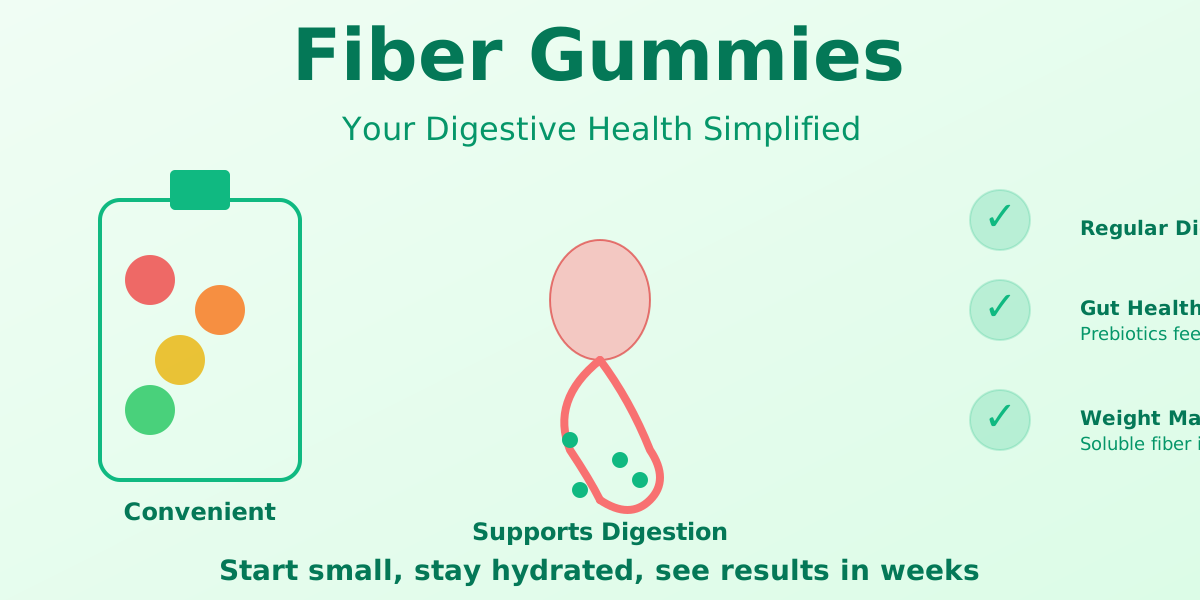
Most adults need 25-38 grams of fiber daily, but typical diets provide only 12-15 grams—a massive gap that fiber gummies can help bridge.
When chosen wisely, fiber gummies can support digestive regularity, promote beneficial gut bacteria growth, and help stabilize blood sugar levels throughout your day.
What Is Fiber Gummies?
Fiber gummies are chewable dietary supplements containing soluble or insoluble fiber designed to supplement your daily fiber intake. Common fiber sources in gummies include inulin (a prebiotic soluble fiber), psyllium husk, methylcellulose, and polydextrose. Unlike powders that require mixing with water, gummies offer convenience and a pleasant fruit flavor that makes supplementation feel less clinical. Each serving typically provides 3-8 grams of fiber, making them an accessible way to close the gap between recommended and actual fiber consumption.
Not medical advice.
Fiber gummies work by moving through your digestive system largely undigested, providing bulk that promotes regular bowel movements while feeding beneficial bacteria in your colon. Soluble fiber types absorb water and form a gel-like substance that softens stool and slows digestion, helping you feel fuller longer. Insoluble fiber adds bulk without absorbing water, stimulating muscle contractions that move food through your digestive tract. Different fiber types produce different health outcomes—research shows that fiber type matters as much as quantity.
Surprising Insight: Surprising Insight: Most Americans consume only 50% of the recommended daily fiber intake, and increasing fiber intake to 25-29 grams daily produces the greatest health benefits for reducing disease risk.
How Fiber Works in Your Digestive System
This diagram shows the journey of fiber through the digestive tract, from the stomach through the large intestine, and how it affects stool formation and gut bacteria.
🔍 Click to enlarge
Why Fiber Gummies Matter in 2026
In 2026, digestive health has become central to overall wellness conversations. Research consistently links adequate fiber intake to reduced risk of heart disease, diabetes, colorectal cancer, and obesity. As people increasingly seek convenient health solutions, fiber gummies bridge the gap between medical necessity and lifestyle practicality. The global functional food market has made supplementation socially normalized and accessible.
Gut microbiome science has exploded in recent years, revealing that beneficial bacteria depend on dietary fiber to thrive. This understanding has elevated fiber from a simple digestive aid to a keystone of preventive health. Fiber gummies, particularly those containing prebiotic fibers like inulin, directly support the growth of beneficial bacteria that influence immune function, mood, and metabolic health.
The convenience factor cannot be overstated for busy professionals and families. When whole-food fiber sources require planning, preparation, and significant time investment, many people default to low-fiber convenience foods. Fiber gummies eliminate this friction point—they require no preparation and fit seamlessly into any lifestyle, making consistent fiber supplementation achievable for populations that otherwise struggle to meet dietary guidelines.
The Science Behind Fiber Gummies
Multiple randomized controlled trials have demonstrated soluble fiber's efficacy. A meta-analysis of 12 studies found that soluble fiber supplementation reduced body weight by an average of 2.52 kg, body fat by 0.41%, and improved cholesterol profiles compared to placebo. Another landmark study published in the American Journal of Clinical Nutrition showed that isolated soluble fiber improved fasting glucose levels and insulin sensitivity—critical markers for metabolic health and diabetes prevention.
Research from Stanford University revealed an important finding: different fiber types produce different physiological effects. Arabinoxylan was associated with increased bile acids and reduced cholesterol, while long-chain inulin specifically increased populations of beneficial bacteria like Bifidobacteria and Faecalibacterium prausnitzii. This fiber-type specificity explains why choosing the right fiber gummy formulation matters more than simply meeting a numerical fiber target. Psyllium husk, commonly found in gummies, demonstrated significant efficacy for chronic constipation relief in randomized trials, with effects comparable to mixed-fiber supplements.
Soluble vs. Insoluble Fiber: Different Mechanisms
A comparison showing how soluble and insoluble fiber types affect digestion, absorption, and health outcomes differently.
🔍 Click to enlarge
Key Components of Fiber Gummies
Soluble Fiber Sources
Inulin is the gold standard prebiotic soluble fiber found in premium fiber gummies. This plant-derived carbohydrate passes through the small intestine undigested and feeds beneficial bacteria in the large intestine, increasing populations of Bifidobacteria and Faecalibacterium—strains associated with improved immune function and reduced inflammation. Psyllium husk, derived from seeds of Plantago ovata, absorbs water and forms a viscous gel that softens stool and promotes regularity without the gassiness sometimes caused by fermentable fibers. Polydextrose is a synthetic soluble fiber that provides bulk without fermenting, making it gentler for people sensitive to gas and bloating.
Insoluble Fiber Sources
Insoluble fiber adds bulk to stool and stimulates muscle contractions throughout the digestive tract, promoting regular bowel movements. Cellulose, the structural component of plant cell walls, is commonly used in fiber gummies for this purpose. Methylcellulose specifically resists fermentation, making it excellent for people whose digestive systems produce excessive gas when consuming other fiber types. However, pure insoluble fiber alone cannot provide the prebiotic and cholesterol-reducing benefits of soluble fiber, so most evidence-based formulations include both types in balanced proportions.
Prebiotic Additions
Premium fiber gummies often combine fiber with prebiotic ingredients or even added probiotics. Inulin and FOS (fructooligosaccharides) act as prebiotics, selectively feeding beneficial bacteria strains. Some advanced formulations like Nature Made Probiotic + Prebiotic Fiber Gummies include clinically studied probiotic strains such as Bacillus coagulans (Lactospore), creating synbiotic products that both feed and inoculate beneficial bacteria. These combination products address multiple digestive health pathways simultaneously.
Sugar and Sweetener Considerations
A critical limitation of fiber gummies is their sugar content. Many commercial brands contain significant added sugars to improve palatability—some products provide 1-2 grams of sugar per gummy, which defeats the purpose of glycemic control and weight management. Smart consumers look for products using sugar alcohols like sorbitol or xylitol, or better yet, stevia or monk fruit, which provide sweetness without blood sugar impact. Vitafusion Fiber Well and other premium brands offer sugar-free formulations that provide the benefits of fiber supplementation without metabolic interference.
| Fiber Type | Solubility | Gas Production | Primary Benefit |
|---|---|---|---|
| Inulin | Soluble | Moderate-High | Prebiotic, cholesterol control |
| Psyllium Husk | Soluble | Low | Constipation relief, satiety |
| Methylcellulose | Insoluble | Very Low | Bulk without fermentation |
| Polydextrose | Soluble | Very Low | Gentle bulk, prebiotic |
How to Apply Fiber Gummies: Step by Step
- Step 1: Assess your current fiber intake by tracking your diet for 3-5 days using an app like MyFitnessPal to identify your baseline and determine how many grams you need to supplement.
- Step 2: Select a fiber type based on your digestive symptoms: choose soluble fiber (inulin, psyllium) if you have constipation or irregular bowel movements, or insoluble fiber (methylcellulose) if you experience bloating with fermentable fibers.
- Step 3: Start with a low dose—typically 2-3 grams daily—to allow your digestive system to adapt and minimize initial gas, bloating, or cramping.
- Step 4: Take fiber gummies with at least 8 ounces (240ml) of water, as fiber works by absorbing water and forming bulk; insufficient hydration can cause the opposite effect (constipation).
- Step 5: Increase your daily intake by 2-3 grams every 3-5 days until you reach your target intake (typically 25-30 grams for women, 35-38 grams for men).
- Step 6: Space fiber gummies throughout the day rather than taking all at once; taking 1-2 gummies with breakfast and dinner distributes fermentation more evenly and reduces gas.
- Step 7: Monitor your digestive response: mild gas and bloating typically resolve within 1-2 weeks as your microbiome adapts; persistent symptoms suggest a fiber type mismatch.
- Step 8: If gas and bloating persist, try switching fiber types—some people tolerate psyllium or methylcellulose better than inulin due to individual microbiome composition.
- Step 9: Maintain consistent intake—fiber works best when consumed daily rather than sporadically; missing doses reduces regularity and prebiotic benefits.
- Step 10: Combine fiber gummies with other healthy habits: increase water intake to 2-3 liters daily, move your body regularly, and eat whole foods containing diverse fiber sources for synergistic benefits.
Fiber Gummies Across Life Stages
Young Adulthood (18-35)
Young adults often consume the lowest fiber intake of any age group due to reliance on processed convenience foods and irregular meal patterns. Fiber gummies address this perfectly—they're portable, require no preparation, and appeal to the demographic already using vitamin gummies. This life stage is ideal for establishing healthy fiber habits that compound over decades. Young adults commonly experience digestive sluggishness, energy crashes, and difficulty managing weight; fiber supplementation addresses all three issues. The prebiotic benefits of quality fiber gummies also support immune function during high-stress periods like exams or intensive work projects.
Middle Adulthood (35-55)
Middle-aged adults increasingly face metabolic changes, rising cholesterol levels, and blood sugar regulation challenges—conditions where fiber becomes medically significant rather than merely optional. This population benefits most from evidence-based fiber supplementation, as research shows soluble fiber reduces total and LDL cholesterol while improving blood sugar control. Many middle-aged adults develop irritable bowel syndrome or chronic constipation; fiber gummies, particularly psyllium-based formulations, provide evidence-backed symptom relief. Women in perimenopause and menopause experience particular digestive disruption; fiber supplementation helps stabilize blood sugar and mood during these hormonal transitions.
Later Adulthood (55+)
Older adults experience declining fiber intake due to dental challenges, medication-induced constipation, and reduced digestive motility. Fiber gummies bypass chewing difficulties of whole foods while addressing age-related constipation—a major quality-of-life issue affecting 40% of older adults. The prebiotic benefits become increasingly important as aging reduces gut microbial diversity; diverse beneficial bacteria support immune function and protect against age-related diseases. However, older adults should increase fiber more gradually and ensure adequate hydration, as their digestive systems adapt more slowly to dietary changes.
Profiles: Your Fiber Gummies Approach
The Busy Professional
- Zero-prep convenience that fits hectic schedules
- Energy stability throughout demanding days
- Weight management without restrictive dieting
Common pitfall: Starting with high doses and experiencing gas/bloating, then abandoning supplementation
Best move: Begin with 2-3 grams daily of psyllium or methylcellulose fiber (least gassy), increasing slowly over 2 weeks while staying hydrated
The Digestive Optimizer
- Evidence-based prebiotic support for gut health
- Maximum microbial diversity and beneficial bacteria
- Measurable health improvements like improved energy and mood
Common pitfall: Investing in expensive probiotic supplements without addressing the prebiotic fiber foundation that bacteria feed on
Best move: Choose inulin-based fiber gummies to feed beneficial bacteria, potentially combined with studied probiotic strains like Bacillus coagulans
The Health-Conscious Parent
- Family-friendly options that kids will actually consume
- Protection for family from digestive issues and metabolic disease
- Reassurance about safety and ingredient quality
Common pitfall: Choosing gummies based on flavor appeal alone without checking fiber type or added sugar content
Best move: Select reputable brands like Nature Made or Metamucil with age-appropriate dosing (often lower for children), emphasizing prebiotic types
The Sensitive Digester
- Gentle fiber that doesn't trigger gas, bloating, or cramping
- Predictable digestion that fits around IBS or food sensitivities
- Gradual introduction without digestive distress
Common pitfall: Trying fermentable fibers like inulin and experiencing increased symptoms, then assuming all fiber is problematic
Best move: Start exclusively with non-fermentable fiber like methylcellulose or psyllium, introducing soluble fiber only after digestive adaptation
Common Fiber Gummies Mistakes
The most common mistake is starting with doses that are too large too quickly. Many people buy a bottle of fiber gummies and immediately take 3-5 gummies daily, expecting rapid results. What they get instead is bloating, gas, and abdominal cramping—experiences so unpleasant they abandon supplementation entirely. The science is clear: successful fiber supplementation requires gradual introduction allowing your microbiome to adapt, typically 2-3 weeks from starting to reaching full doses.
The second critical mistake is inadequate hydration. Fiber works by absorbing water and creating bulk. Without sufficient water intake—ideally 8 ounces with each dose plus 2-3 liters daily—fiber paradoxically worsens constipation rather than relieving it. Many people don't make this connection, assuming the fiber gummies are ineffective when the real issue is dehydration. Proper hydration is non-negotiable for fiber supplementation success.
The third mistake is choosing based on sweetness or marketing rather than fiber type and ingredient quality. Many popular brands contain 2+ grams of added sugar per gummy and use fermentable fibers that produce excessive gas in sensitive individuals. Checking the ingredients, sugar content, and fiber type before purchasing prevents weeks of digestive discomfort and wasted money. Store brands like Metamucil and quality brands like Nature Made prioritize efficacy over palatability.
Common Fiber Gummies Pitfalls and Solutions
A flowchart showing three common mistakes when using fiber gummies and how to avoid them through gradual introduction, hydration, and smart selection.
🔍 Click to enlarge
Science and Studies
Extensive peer-reviewed research from institutions including the National Institutes of Health, University of California San Francisco, Stanford University, and Mayo Clinic establishes fiber gummies as an evidence-backed supplementation strategy. The largest meta-analysis of soluble fiber supplementation, published in the American Journal of Clinical Nutrition, analyzed 12 randomized controlled trials totaling thousands of participants, demonstrating consistent efficacy across diverse populations.
- PMC National Center for Biotechnology Information: 'Evidence-Based Approach to Fiber Supplements and Clinically Meaningful Health Benefits' - demonstrates soluble fiber reduces BMI by 0.84, body weight by 2.52 kg, improves cholesterol and glucose control
- Stanford University 2022 Study: Different fiber types produce different health outcomes - arabinoxylan affected bile acids and cholesterol, while inulin increased specific beneficial bacteria populations
- Mayo Clinic Review: Fiber supplements including gummies are safe for daily use with no evidence of harm when introduced gradually with adequate hydration
- PMC Randomized Clinical Trial: Psyllium husk increased complete spontaneous bowel movements per week with efficacy equal to mixed-fiber supplements for chronic constipation
- University of California Health: Most adults consume only 50% of recommended fiber, and increasing intake to 25-29g daily produces maximum disease-reduction benefits
Your First Micro Habit
Start Small Today
Today's action: Tomorrow morning with breakfast, take ONE fiber gummy with a large glass of water (8+ ounces), no exceptions. Just one. Track how you feel that evening.
Starting with a single gummy feels ridiculously easy, making it almost impossible to skip. This tiny action triggers two weeks of successful habit formation without the gas and bloating that kills motivation. By day 14, increasing to 2 gummies feels natural because you've proven the system works.
Keep quitting habit apps after a missed day? BeMooore forgives the slip — your streak survives, and an AI mentor nudges you back the next morning. Free on iOS.
Quick Assessment
How would you describe your current digestive regularity?
Your current digestive pattern determines which fiber type and starting dose makes sense. If you experience significant irregularity, your microbiome needs careful, gradual adaptation rather than aggressive supplementation.
What's your primary goal with fiber supplementation?
Different fiber types excel at different outcomes. Psyllium works best for regularity; soluble fiber (inulin) works best for cholesterol and blood sugar; prebiotic combinations work best for microbiome diversity. Your goal guides the product selection.
How likely are you to experience gas or bloating with high-fiber foods?
High sensitivity to fiber means you need non-fermentable types like methylcellulose or psyllium, introduced extremely gradually. This prevents the gas-bloating-abandonment cycle that ruins fiber supplementation for sensitive people.
Take our full assessment to get personalized recommendations.
Discover Your Style →Next Steps
Your next action is simple: determine your baseline fiber intake. For 3-5 days, track your current diet using MyFitnessPal or a similar app to see where you stand relative to the 25-38 gram recommendation. This single piece of data transforms fiber supplementation from a vague health concept into a specific, measurable goal. You'll know exactly how many grams you need to supplement rather than guessing.
After establishing your baseline, select a fiber gummy type matching your digestive profile and goals using the guidance in this article. Start with a single gummy daily and increase gradually over 2-3 weeks. Maintain a simple spreadsheet tracking your digestion, energy levels, and any symptoms—this data reveals what's working and what needs adjustment. Most people achieve stable, beneficial results within 4-6 weeks when they follow the gradual introduction protocol.
Get personalized guidance with AI coaching.
Start Your Journey →Research Sources
This article is based on peer-reviewed research and authoritative sources. Below are the key references we consulted:
Related Glossary Articles
Frequently Asked Questions
Are fiber gummies as effective as whole food fiber sources?
Research shows that purified fiber from gummies produces measurable biochemical changes (cholesterol reduction, satiety, bowel regularity) equivalent to whole foods. However, whole foods provide additional nutrients, phytonutrients, and mineral content that gummies cannot replicate. Ideally, gummies supplement rather than replace whole foods—use them to reach recommended intake targets after maximizing whole-food fiber sources.
How long does it take for fiber gummies to work?
Regularity improvements typically appear within 3-5 days of reaching full doses with adequate hydration. However, metabolic benefits like cholesterol reduction and blood sugar stabilization require 2-4 weeks of consistent supplementation. Prebiotic effects on gut bacteria diversity take 4-8 weeks. Most people experience initial bloating before benefits, which is why gradual introduction is critical.
Can I take fiber gummies if I have IBS or sensitive digestion?
Yes, but with extreme caution. People with IBS should start with 1-2 grams of non-fermentable fiber (methylcellulose or psyllium) and increase very slowly over 3-4 weeks. Avoid fermentable fibers like inulin initially, as they trigger excessive gas in IBS populations. Many IBS sufferers find psyllium husk significantly improves symptoms within 2-3 weeks.
Can fiber gummies interact with medications?
Fiber can reduce absorption of some medications including certain antibiotics and antidepressants. Take fiber gummies at least 2 hours apart from medications. If you take medications regularly, consult your pharmacist about timing and potential interactions before starting supplementation.
What's the difference between fiber gummies and fiber powder supplements?
Gummies offer convenience and appeal to people who dislike powder texture, but typically contain 3-5 grams of fiber per serving versus 4-12 grams in powders. Powders often provide more fiber per serving at lower cost. However, gummies have advantages for portability and taste. The best choice depends on lifestyle and consistency—a fiber gummy you'll actually take daily beats a powder that sits unused.
Take the Next Step
Ready to improve your wellbeing? Take our free assessment to get personalized recommendations based on your unique situation.
- Discover your strengths and gaps
- Get personalized quick wins
- Track your progress over time
- Evidence-based strategies