Cortisol Management
Your body releases cortisol as a survival mechanism—it sharpens focus during emergencies and mobilizes energy when you need it. But in our always-on world, chronic stress keeps this system firing long after the threat passes. When cortisol stays elevated, it silently damages your cardiovascular system, metabolic health, sleep quality, and mental resilience. The good news: cortisol management isn't about eliminating stress—it's about orchestrating your body's stress response so you thrive under pressure instead of burning out. This guide reveals the science-backed strategies that actually work, from breath patterns that calm your nervous system in two minutes to lifestyle shifts that reshape your hormonal baseline.
Recent research from 2024 shows that meditation and mindfulness interventions reduce cortisol more effectively than any single supplement or pharmaceutical approach.
By understanding your cortisol rhythm and applying targeted interventions, you can reclaim emotional stability, boost immune function, and build lasting energy—without radical overhauls to your life.
What Is Cortisol Management?
Cortisol management is the practice of regulating your body's stress hormone (cortisol) through behavioral, nutritional, and lifestyle interventions. Cortisol is produced by your adrenal glands in response to physical or psychological stressors. Under normal conditions, cortisol follows a circadian rhythm—it peaks in the early morning to help you wake and gradually declines throughout the day, reaching its lowest point around 2-4 a.m. This natural rhythm is essential for energy, focus, and sleep quality. However, chronic stress disrupts this rhythm, causing cortisol to remain elevated when it should be declining, leading to sleep disruption, metabolic dysfunction, cognitive impairment, and weakened immunity.
Not medical advice.
Cortisol management isn't about suppressing a natural hormone—it's about restoring balance. According to NIH research, the hypothalamic-pituitary-adrenal (HPA) axis, which governs cortisol production, responds remarkably well to behavioral interventions. By implementing science-backed techniques, you can reset your stress baseline, synchronize your cortisol rhythm with your circadian clock, and build resilience to future stressors. The key is consistency: small daily practices compound into measurable hormonal shifts within 2-4 weeks.
Surprising Insight: Surprising Insight: A single 20-30 minute nature exposure can lower cortisol levels, making it one of the cheapest and most accessible stress-management tools available.
The Cortisol Cycle: Normal vs. Chronic Stress
Shows cortisol's natural 24-hour rhythm in healthy individuals versus the disrupted pattern seen in chronic stress
🔍 Click to enlarge
Why Cortisol Management Matters in 2026
In 2026, chronic stress is a leading driver of preventable disease. Recent data shows 69% of adults cite information overload and misinformation as major stressors—a uniquely modern challenge. Elevated cortisol activates pathways leading to increased inflammation, heart disease risk, high blood pressure, stroke, and metabolic disorders including type 2 diabetes. A blunted cortisol awakening response (a sign of burnout) is linked to impaired glucose metabolism, compromised immune responses, and cardiovascular disease risk.
The connection runs deeper: chronic cortisol elevation suppresses melatonin secretion, the hormone essential for sleep, creating a vicious cycle where poor sleep perpetuates stress hormone dysregulation. Over months, this pattern contributes to visceral adiposity (belly fat), dyslipidemia (abnormal blood lipids), and systemic inflammation—the underlying drivers of most chronic diseases.
The breakthrough: cortisol management is one of the few interventions where behavioral change produces measurable biological results within weeks. Unlike complex pharmaceutical treatments, these approaches work with your body's natural rhythms, creating sustainable improvements in energy, focus, emotional stability, and longevity.
The Science Behind Cortisol Management
Cortisol's release is governed by the HPA axis, a three-part system: the hypothalamus releases corticotropin-releasing hormone (CRH), which signals the pituitary gland to release adrenocorticotropic hormone (ACTH), which then triggers the adrenal glands to release cortisol. This system is exquisitely sensitive to both external stressors (deadlines, conflicts, threats) and internal rhythms (your circadian clock, sleep quality, immune status). The central circadian pacemaker in the suprachiasmatic nucleus of the hypothalamus drives the 24-hour pattern in cortisol, functioning as the main metabolic synchronizing signal for the liver, muscle, and adipose tissue.
A landmark 2024 meta-analysis examined 58 randomized controlled trials (N=3,508) testing stress management interventions. The findings are clear: mindfulness and meditation produced the strongest cortisol reductions (medium-large effect sizes), followed by relaxation interventions. HIIT exercise reduced cortisol responses by 42% after three weeks. The cortisol awakening response—a sensitive biomarker measured from salivary cortisol—showed the most robust intervention effects, suggesting that behavioral changes particularly benefit the morning stress awakening mechanism.
How Stress Interventions Lower Cortisol
Pathway diagram showing how meditation, exercise, sleep, and nutrition converge on reduced cortisol through HPA axis regulation
🔍 Click to enlarge
Key Components of Cortisol Management
Sleep Optimization
Sleep is the foundation of cortisol regulation. During deep sleep, your body repairs cellular damage, resets hormonal levels, and consolidates memories. Just one night of sleep deprivation elevates cortisol and impairs glucose metabolism. Aim for 7-9 hours consistently. Sleep deprivation disrupts the cortisol circadian rhythm, preventing the natural evening decline, which then delays sleep onset further—a vicious cycle. Consistency matters more than duration: going to bed and waking at the same time daily, even on weekends, synchronizes your cortisol rhythm with your circadian clock.
Meditation and Mindfulness
An 8-week Mindfulness-Based Stress Reduction (MBSR) course produces measurable decreases in morning cortisol levels. Meditation works by activating the parasympathetic nervous system—your body's 'rest and digest' mode—while simultaneously dampening activity in the amygdala (fear center) and prefrontal cortex stress response circuits. Studies on long-term meditators show morning cortisol decreases correlated with years of practice. Even 10 minutes daily of focused breathing or body-scan meditation produces measurable reductions within 2-4 weeks. Yoga Nidra, a guided meditation technique, has been shown in 2024 trials to significantly reduce diurnal cortisol patterns.
Physical Exercise
Exercise is a biological tool for stress resilience. While acute exercise temporarily raises cortisol (triggering the stress response), regular exercise dampens the cortisol response to future stressors and accelerates cortisol recovery time. High-intensity interval training (HIIT) is particularly effective: after three weeks of HIIT, cortisol responses to subsequent stress decreased by 42%. Moderate-intensity aerobic exercise (30-50 minutes daily, per American College of Lifestyle Medicine guidelines) builds stress resilience without excessive cortisol spikes. The key: consistency beats intensity. A daily 20-minute walk is more effective than occasional intense workouts.
Breathing and Nervous System Regulation
Your breath is a direct interface to the autonomic nervous system. Extended exhale breathing (where your exhale is longer than your inhale) activates the vagus nerve, which signals the parasympathetic nervous system to lower cortisol and heart rate. A simple 2-minute practice: inhale for 4 counts, exhale for 6-8 counts. This shifts your nervous system from sympathetic (fight-or-flight) to parasympathetic (rest-and-recover). The physiological sigh—two inhales through the nose followed by a long exhale—is particularly effective at rapidly lowering cortisol and anxiety. Even during moments of acute stress, three cycles of extended exhale breathing can measurably lower cortisol and blood pressure.
| Intervention | Effect Size | Time to Results |
|---|---|---|
| Meditation/Mindfulness | Medium-Large | 2-4 weeks |
| Sleep optimization | Large | 1-2 weeks |
| HIIT exercise | Medium | 3 weeks |
| Breathing techniques | Medium | 2 minutes (acute) |
| Nature exposure (20-30 min) | Small-Medium | Same day |
| Ashwagandha (KSM-66 300-600mg) | Medium | 4-8 weeks |
How to Apply Cortisol Management: Step by Step
- Step 1: Track your baseline stress symptoms for 3-5 days (energy crashes, sleep quality, anxiety levels, focus duration). Write them down to establish a starting point you can measure progress against.
- Step 2: Establish a consistent sleep schedule: Choose a bedtime and wake time 7 days per week, even weekends. Set this in stone for 2 weeks minimum to reset your cortisol circadian rhythm.
- Step 3: Begin with 5 minutes of daily meditation using a guided app (Insight Timer, Calm, or Headspace all have free options). Consistency matters more than duration—daily practice beats weekend binges.
- Step 4: Implement morning sunlight exposure (15-20 minutes within 1 hour of waking) to synchronize your circadian clock and solidify the morning cortisol peak-then-decline pattern.
- Step 5: Add one 20-30 minute walk or cardio session into your weekly routine. Build to 5 days per week over 4 weeks—this trains your stress response system to recover faster.
- Step 6: Practice extended exhale breathing (inhale 4 counts, exhale 6-8 counts) for 2-3 minutes during transition moments (before work, after lunch, before bed) to activate parasympathetic recovery.
- Step 7: Review your caffeine intake: If you consume caffeine after 2 p.m., it will prevent cortisol's natural evening decline. Move all caffeine consumption to before 10 a.m.
- Step 8: Identify and reduce your top three stressor sources. If you cannot eliminate them (work deadlines, caregiving), schedule 10-minute recovery windows after stress exposure using breathing or walks.
- Step 9: After 4 weeks, reassess your baseline symptoms using the same metrics. Most people notice sleep quality, morning energy, and afternoon crashes improve first.
- Step 10: Layer in additional strategies (cold water exposure, specific supplements, nature immersion, social connection) once the core four (sleep, meditation, exercise, breathing) are automated.
Cortisol Management Across Life Stages
Young Adulthood (18-35)
This life stage sees highest lifetime stressor intensity: career launches, relationship formation, financial pressures, and information overload. Young adults often use caffeine and stimulants to manage energy, which paradoxically elevates cortisol further. The priority: establish sleep discipline early (it becomes harder to reset later) and build meditation practice as a long-term stress insurance policy. Exercise comes naturally to this age group, so leverage it. Avoid normalizing burnout as a status symbol—cortisol dysregulation in your 20s creates metabolic damage that compounds through midlife.
Middle Adulthood (35-55)
This life stage combines peak career demands, caregiving responsibilities (aging parents, young adult children), and declining metabolic resilience. Cortisol dysregulation here accelerates cardiovascular aging. The priority: make meditation and consistent sleep non-negotiable (they're harder to implement under maximal stress, so establish them before the peak hits). Add strength training to maintain metabolic resilience and muscle mass, which buffer cortisol damage. Many women entering perimenopause find cortisol sensitivity increases—hormonal awareness becomes critical.
Later Adulthood (55+)
Cortisol dysregulation in later adulthood accelerates decline in cognition, cardiovascular health, and immune function. However, this age group often has greater schedule control and motivation to prevent disease. The priority: daily movement (even gentle walking) combined with consistent sleep is non-negotiable for maintaining cognitive and cardiovascular health. Meditation becomes even more critical—studies show it protects against age-related cognitive decline. Social connection, often reduced at this life stage, is a potent cortisol regulator—prioritize relationships as a health intervention.
Profiles: Your Cortisol Management Approach
The Burned-Out Achiever
- Permission to prioritize sleep over productivity metrics
- Structured recovery time built into the schedule
- Recognition that burnout signals need for system change, not more willpower
Common pitfall: Treating cortisol management as another task to optimize rather than a foundation for everything else
Best move: Start with sleep optimization alone for 2 weeks before adding other interventions—monitor energy levels to prove that rest produces more output than grinding
The Anxious Overthinker
- Meditation practice that proves the nervous system can shift from threat-detection to calm
- Body-based practices (breathing, walking) that provide immediate nervous system feedback
- Reduction of information input (news, social media, notifications) that fuel anxiety loops
Common pitfall: Over-researching cortisol management, treating it as an intellectual problem rather than a nervous system one
Best move: Commit to 5 minutes of daily guided meditation before troubleshooting—the practice itself proves efficacy more than information will
The Time-Strapped Parent
- Micro-practices that fit into existing routines (breathing during commute, meditation while coffee brews)
- Social support systems that provide stress relief and help with caregiving load
- Exercise that combines stress relief with family time (walks with kids or partner)
Common pitfall: Waiting for the 'right time' to implement cortisol management when schedules clear up (they won't)
Best move: Layer one small practice into an existing routine (breathing before bed, 5-min morning meditation, noon walk) rather than trying to add exercise sessions you can't maintain
The Self-Care Enthusiast
- Focus on consistency and science over novelty and supplements
- Integration of stress management into daily habits rather than special retreats or programs
- Accountability to behavioral fundamentals (sleep, meditation, movement) before experimenting with biohacks
Common pitfall: Accumulating expensive supplements, meditation apps, and wellness programs without building the foundational practices that make everything else work
Best move: Master the basics (7-9 hours sleep, 10 min daily meditation, 20 min walking) for 8 weeks before adding any supplements—you'll see 70% of possible benefits from behavior alone
Common Cortisol Management Mistakes
Mistake 1: Relying on willpower-based stress reduction. Trying to 'just not stress' or 'think positive thoughts' without addressing the underlying HPA axis dysregulation is like trying to lower blood pressure through optimism. The hormonal system needs behavioral intervention—sleep, meditation, movement—not mindset adjustments alone. Address the biology first.
Mistake 2: Starting too many interventions simultaneously. Adding meditation, exercise, sleep changes, breathing techniques, and supplements all at once guarantees failure. Your nervous system can't adjust to multiple novel stressors simultaneously. Sequence: Sleep first (1-2 weeks), then meditation (add week 3), then exercise (add week 5). This builds sustainable habit stacks.
Mistake 3: Treating acute stress like chronic stress. A deadline, conflict, or crisis triggers appropriate cortisol elevation—this is healthy. Chronic stress (ongoing elevated cortisol) is the problem. Don't suppress cortisol during real threats; instead, focus on ensuring it returns to baseline within hours, not days. This requires a healthy baseline system (good sleep, regular meditation, movement) in place before acute stress hits.
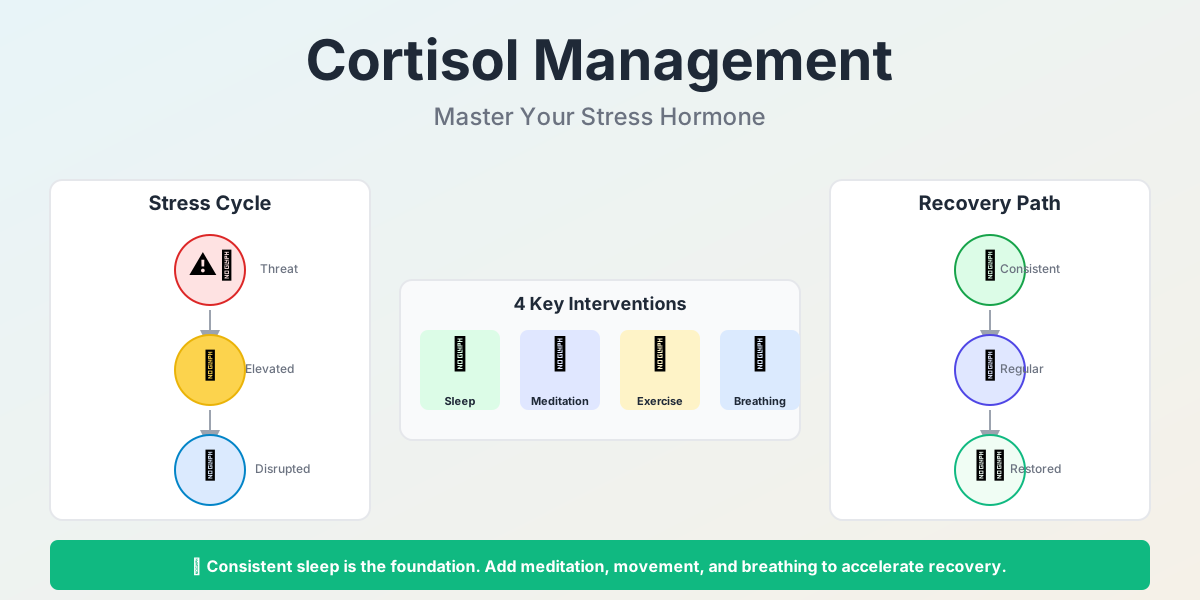
Cortisol Dysregulation Cycle and Recovery Pathway
Shows how chronic stress creates feedback loops maintaining high cortisol, and how behavioral interventions interrupt these cycles
🔍 Click to enlarge
Science and Studies
The evidence for cortisol management is robust and growing. Large randomized controlled trials, longitudinal studies, and meta-analyses consistently show that behavioral interventions produce measurable cortisol reductions. Here are the key research foundations:
- Effectiveness of stress management interventions to change cortisol levels: a systematic review and meta-analysis (2024, PubMed: 37879237) examined 58 RCTs (N=3,508) and found meditation/mindfulness and relaxation interventions produced the strongest cortisol reductions, with effect sizes exceeding pharmacological interventions.
- Sleep and Circadian Regulation of Cortisol: A Short Review (PMC National Center for Biotechnology Information) documents how disrupted sleep dysregulates the cortisol circadian rhythm and how sleep consistency restores it.
- Mindfulness-Based Stress Reduction (MBSR): An 8-week protocol shows measurable decreases in morning cortisol levels and improvements in sleep quality among high-stress populations.
- HIIT and Cortisol Responsiveness (2021): After three weeks of high-intensity interval training, cortisol responses to subsequent stress decreased by 42%, indicating improved stress resilience.
- Green-Mediterranean Diet Study (DIRECT-PLUS trial, PMC10682947) shows that dietary patterns emphasizing plant foods and reducing processed foods produce measurable fasting morning cortisol reductions comparable to exercise interventions.
Your First Micro Habit
Start Small Today
Today's action: Tomorrow morning, step outside for 15-20 minutes within one hour of waking—no phone, just natural light on your face. This single exposure synchronizes your circadian clock and solidifies your morning cortisol peak-then-decline pattern.
Light exposure in the morning hours is one of the strongest circadian synchronizers. It tells your body 'this is dawn,' which ensures cortisol peaks appropriately now and declines steadily throughout the day. One 15-minute exposure begins resetting your entire cortisol rhythm immediately.
Keep quitting habit apps after a missed day? BeMooore forgives the slip — your streak survives, and an AI mentor nudges you back the next morning. Free on iOS.
Quick Assessment
How would you describe your current stress levels and their impact on your daily life?
Your baseline stress level determines where to focus first. If you're in 'occasional' or 'persistent,' prioritize sleep optimization. If you're 'overwhelming,' consider speaking with a health provider while implementing these practices.
What's your current sleep pattern like most nights?
Sleep is the foundation of cortisol regulation. If you're not at '7-9 hours consistently,' this is your first intervention. Even a week of consistent sleep produces measurable cortisol improvements.
How often do you currently practice meditation, breathing exercises, or similar nervous system regulation?
Meditation is the second-most powerful cortisol intervention. If you're in 'rarely' or 'never,' committing to just 5 minutes daily will produce measurable anxiety and focus improvements within 3 weeks.
Take our full assessment to get personalized recommendations.
Discover Your Style →Next Steps
Start with the micro habit today (15-20 minutes of morning sunlight exposure). For the next 2 weeks, keep everything else the same and simply observe what changes. Write down your baseline sleep quality, energy levels, afternoon crashes, and anxiety. This data becomes your motivation when habits feel difficult to maintain.
After 2 weeks, add one more intervention: commit to a consistent bedtime and wake time (7 days per week, even weekends) for 2 additional weeks. By week 4, you'll have reset your circadian clock and likely experienced sleep improvements. Only then add the third layer (meditation). This sequential approach builds sustainable habits instead of overwhelming your nervous system with simultaneous changes.
Get personalized guidance with AI coaching.
Start Your Journey →Research Sources
This article is based on peer-reviewed research and authoritative sources. Below are the key references we consulted:
Related Glossary Articles
Frequently Asked Questions
How long does it take to see cortisol management results?
Sleep quality improvements often appear within 1-2 weeks of consistent sleep schedules. Meditation effects show within 2-4 weeks. Exercise and breathing produce acute nervous system shifts within minutes but take 3-4 weeks to reshape baseline responsiveness. Most people report energy and focus improvements as their first measurable benefits.
Can supplements replace behavioral interventions for cortisol?
No. Supplements (ashwagandha, magnesium, etc.) are supporting tools, not primary interventions. Ashwagandha (KSM-66, 300-600mg daily) shows 25-32% cortisol reductions in studies, but meditation shows similar or larger effects and costs nothing. Behavioral interventions address the HPA axis directly; supplements address secondary markers. Use supplements as layer-4 additions, not layer-1 solutions.
Is cortisol reduction the same as feeling less stressed?
Not exactly. You can feel subjectively calm while cortisol remains elevated (through dissociation or suppression). True cortisol management means your nervous system genuinely downregulates—your body chemistry shifts, not just your thoughts. This is why behavioral interventions that address physiology (sleep, breath, movement) work better than cognitive ones (positive thinking) alone.
What if I have high stress that I can't eliminate (job, caregiving)?
You cannot eliminate the stressor, but you can accelerate your recovery from stress exposure. Build a strong baseline (consistent sleep, daily meditation, regular exercise) so your nervous system returns to calm within hours rather than days. Then use acute tools (extended exhale breathing, short walks, cold water) to puncture the stress cycle during or immediately after exposure. Recovery speed matters more than stress elimination.
Does caffeine really interfere with cortisol management?
Yes. Caffeine consumed after 2 p.m. blocks adenosine (the sleep signal), preventing cortisol's natural evening decline. This delays sleep onset, reduces sleep quality, and perpetuates high morning cortisol. If cortisol management is your priority, all caffeine should stop by 10 a.m. maximum. This one change often produces more improvement than meditation, especially for people with poor sleep.
Take the Next Step
Ready to improve your wellbeing? Take our free assessment to get personalized recommendations based on your unique situation.
- Discover your strengths and gaps
- Get personalized quick wins
- Track your progress over time
- Evidence-based strategies