Carnivore Diet
The carnivore diet represents one of the most extreme dietary approaches gaining popularity today—a zero-carb, all-meat eating plan that eliminates virtually all plant foods. Unlike keto which includes vegetables and nuts, the carnivore diet consists exclusively of animal products: beef, pork, chicken, fish, eggs, and dairy. Proponents claim rapid weight loss, mental clarity, and resolution of chronic health issues. Yet medical experts express concern about nutrient deficiencies, cardiovascular risks, and lack of long-term research. This evidence-based guide explores what the carnivore diet actually involves, what science shows about its effects, and critical health considerations before trying this extreme elimination approach.
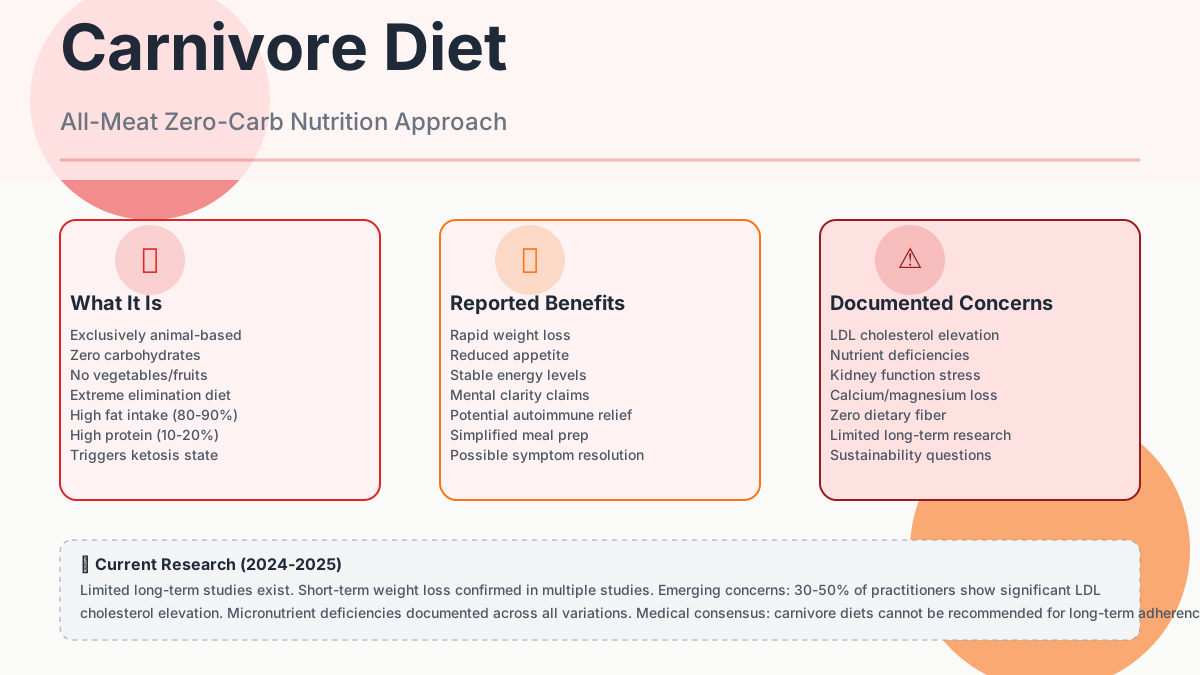
Since 2020, carnivore diet discussions have exploded on social media—Instagram hashtags alone show 2.6 million posts as of late 2025. Influencers and biohackers promote it for autoimmune recovery, athletic performance, and mental health transformation.
However, legitimate nutrition research raises significant questions about nutrient adequacy, cardiovascular safety, and long-term metabolic effects that deserve serious consideration before adoption.
What Is Carnivore Diet?
The carnivore diet is an all-animal-product eating plan that removes all plant foods entirely. The core principle involves consuming only foods from animal sources: ruminant meat (beef, lamb), poultry (chicken, turkey), fish (salmon, cod), eggs, and optionally dairy products like cheese and butter. Some followers include organ meats, bone broth, and processed animal foods. No fruits, vegetables, grains, nuts, seeds, legumes, or plant-based oils are permitted. The macronutrient composition is typically 80-90% fat, 10-20% protein, and essentially 0% carbohydrates.
Not medical advice.
The carnivore diet functions as an extreme elimination diet—stripping away all plant compounds, fiber, and most micronutrients to identify potential food sensitivities or achieve rapid metabolic shifts. Some practitioners use it temporarily for autoimmune symptom management, then reintroduce foods systematically. Others adopt it as a permanent eating framework based on the hypothesis that humans evolved consuming primarily animal products and thrive without plant foods.
Surprising Insight: Surprising Insight: A 2024 case series reported that seven inflammatory bowel disease (IBD) patients achieved clinical remission on a carnivore diet, with medication reduction in several cases—yet this remains a single small study without control groups.
Carnivore Diet vs. Other Diets
Comparison of macronutrient profiles and food restrictions across carnivore, keto, paleo, and standard diets.
🔍 Click to enlarge
Why Carnivore Diet Matters in 2026
The carnivore diet phenomenon reflects broader health concerns: widespread chronic disease, autoimmune conditions, metabolic dysfunction, and distrust of conventional nutrition advice. For some individuals struggling with allergies, inflammatory bowel disease, or metabolic dysfunction, extreme dietary elimination provides temporary symptom relief. Understanding carnivore approaches matters because it represents the logical endpoint of low-carb thinking and tests fundamental assumptions about human nutritional requirements.
Medical and nutrition communities are increasingly studying carnivore diets not to endorse them, but to understand mechanisms behind reported benefits and identify genuine health risks. Research published in peer-reviewed journals between 2023-2025 reveals concerning patterns: significant LDL cholesterol elevation in 30-50% of practitioners, consistent micronutrient deficiencies (vitamin C, magnesium, calcium, folate), and metabolic markers that diverge sharply from health guidelines.
For 2026, the critical question isn't whether carnivore diets can produce short-term weight loss or symptom relief—they can. Rather, the scientific focus centers on whether these benefits justify the documented nutritional risks, and whether temporary elimination strategies provide sustainable long-term health outcomes compared to evidence-based alternatives.
The Science Behind Carnivore Diet
Metabolically, the carnivore diet triggers nutritional ketosis—a state where the body shifts from glucose to ketone bodies for energy after depleting glycogen stores. This process occurs within 3-7 days of near-zero carbohydrate intake. During ketosis, the brain adapts to use ketones, appetite hormones shift (reduced ghrelin, maintained leptin signaling), and rapid initial weight loss occurs—primarily from water loss as glycogen depletion releases stored water. These initial metabolic changes feel dramatic and reinforce perceived health improvements, but research distinguishes short-term metabolic shifts from long-term health outcomes.
The nutrient bioavailability picture is complex. Animal products provide exceptional absorption of heme iron (15-35% bioavailability vs. 2-20% from plant sources), highly available zinc, B12, and complete amino acid profiles. However, the carnivore diet simultaneously eliminates fiber, polyphenols, carotenoids, and thousands of phytonutrients associated with disease prevention. Multiple 2024-2025 studies analyzing carnivore meal composition found deficiencies in thiamine, folate, vitamin C, calcium, magnesium, potassium, and iodine—nutrients not present in significant quantities in muscle meat. Organ meats help but don't eliminate these gaps.
Nutrient Status on Carnivore Diet
Micronutrient analysis showing nutrients well-supplied versus consistently deficient across all carnivore diet variations.
🔍 Click to enlarge
Key Components of Carnivore Diet
Ruminant Meat Foundation
Beef and lamb form the dietary core for most carnivore practitioners. These meats provide complete proteins with all essential amino acids, high-quality fat-soluble vitamins, and bioavailable minerals. Proponents emphasize grass-fed beef for improved omega-3 to omega-6 ratios, though conventional beef remains nutrient-dense. Red meat consumption at carnivore levels (1-2+ pounds daily) significantly exceeds conventional dietary guidelines and concerns medical professionals regarding saturated fat intake and cardiovascular risk.
Protein and Fat Ratios
Carnivore diet macronutrients typically deliver 1.5-2.5g protein per kilogram body weight daily—substantially higher than standard recommendations (0.8g/kg for sedentary individuals). The fat intake is equally extreme: 60-70% of calories from fat in most carnivore meal plans. This combination creates metabolic stress on kidney and liver function, particularly for individuals with pre-existing kidney disease or genetic cholesterol processing issues. Research shows elevated kidney stone risk and potential long-term glomerular filtration rate changes with such high protein intake, though causality remains uncertain.
Complete Elimination of Plant Foods
The carnivore diet removes not just vegetables but all plant-derived compounds. This eliminates dietary fiber (associated with colon cancer prevention), polyphenols and anthocyanins (linked to cardiovascular protection), carotenoids (required for eye health and immune function), and thousands of other phytonutrients researched across 500+ epidemiological studies showing disease-prevention associations. While some practitioners argue humans don't require these compounds, population-level evidence strongly associates plant diversity with reduced chronic disease risk.
Organ Meats and Micronutrient Strategy
Advanced carnivore practitioners include organ meats—particularly liver—to address micronutrient gaps. Beef liver provides exceptional vitamin A, copper, folate, and iron bioavailability. However, organ meats consumed at therapeutic doses (80-100g daily) are insufficient to eliminate documented deficiencies in vitamin C, calcium, and potassium. Additionally, organ meats present toxin accumulation concerns if sourced from conventional livestock with pesticide and heavy metal exposures.
| Nutrient | Carnivore Diet Level | RDI Status |
|---|---|---|
| Vitamin B12 | Excellent (20-100 mcg daily) | Exceeds RDI 2.4 mcg |
| Heme Iron | High (8-20 mg daily) | Exceeds RDI (8-18 mg) |
| Zinc | Adequate (12-15 mg daily) | Meets RDI (8-11 mg) |
| Vitamin C | 0-5 mg daily | Deficient vs. RDI 75-90 mg |
| Folate | 10-50 mcg daily | Deficient vs. RDI 400 mcg |
| Calcium | 100-300 mg daily | Deficient vs. RDI 1000-1200 mg |
| Magnesium | 50-150 mg daily | Deficient vs. RDI 310-420 mg |
| Potassium | 500-1200 mg daily | Deficient vs. RDI 3400-4700 mg |
How to Apply Carnivore Diet: Step by Step
- Step 1: Consult with a healthcare provider before beginning any extreme dietary elimination, particularly if you have kidney disease, cardiovascular conditions, or familial hypercholesterolemia.
- Step 2: Purchase high-quality animal products: grass-fed beef, wild-caught fish, pasture-raised eggs, and ideally organic organ meats to minimize pesticide exposure.
- Step 3: Phase out plant foods gradually over 1-2 weeks rather than abruptly, as dramatic elimination can cause digestive distress and electrolyte imbalances.
- Step 4: Start with basic ruminant meat (ground beef, steaks) to establish baseline before adding fish, poultry, eggs, and organ meats to understand individual tolerances.
- Step 5: Monitor hydration status closely—ketosis increases urinary water loss. Consume adequate salt, magnesium, and potassium-containing foods (bone broth, fish roe) to prevent dehydration.
- Step 6: Track energy levels, digestive symptoms, mood, and blood metrics during the first 30 days to establish baseline effects and identify adverse responses.
- Step 7: If using carnivore for autoimmune symptom management, plan a structured 12-16 week protocol with scheduled reintroduction of foods to identify specific triggers rather than permanent elimination.
- Step 8: Invest in regular blood work: lipid panels, kidney function, liver markers, vitamin B12, and vitamin D levels should be monitored every 6-12 months.
- Step 9: Consider targeted supplementation for identified deficiencies: vitamin C (500-1000 mg daily), magnesium glycinate (200-400 mg), and iodine (150 mcg) if not consuming fish regularly.
- Step 10: Combine carnivore adoption with evidence-based health practices: sleep optimization, stress management, and gradual movement practice to avoid attributing all health changes to dietary modification alone.
Carnivore Diet Across Life Stages
Young Adulthood (18-35)
Young adults exploring carnivore diets typically prioritize rapid body composition changes and athletic performance optimization. This age group experiences fastest adaptation to ketosis and most dramatic short-term weight loss—a powerful motivator despite long-term sustainability questions. Critical considerations: establishing nutritional deficiency patterns early (calcium deposition, vitamin D status) affects lifetime bone health; hormonal effects of extreme fat intake may influence reproductive function and thyroid markers in ways not yet fully characterized; cardiovascular adaptations to high saturated fat consumption take years to manifest.
Middle Adulthood (35-55)
Middle-aged adults pursuing carnivore approaches often seek metabolic reset after decades of chronic disease risk exposure. This cohort shows most interest in carnivore for autoimmune disease management, metabolic syndrome reversal, and mental health improvement. However, this age group also faces highest cardiovascular risk from elevated LDL cholesterol—a primary concern in 2024-2025 research showing 30-50% of carnivore dieters experience significant cholesterol elevation. Blood pressure changes, medication interactions, and kidney function decline common in middle age create complex risk-benefit calculations.
Later Adulthood (55+)
Older adults face unique challenges with carnivore approaches. Calcium deficiency becomes critical given age-related bone density decline and osteoporosis risk in this population. The extreme protein intake stresses kidney function at a life stage when glomerular filtration naturally declines. Nutrient absorption efficiency decreases with age, making carnivore's minimal micronutrient content more problematic. Conversely, some research suggests older adults may see metabolic benefits from protein-focused nutrition supporting muscle preservation (sarcopenia prevention), though this must be weighed against documented nutritional risks.
Profiles: Your Carnivore Diet Approach
The Autoimmune Explorer
- Structured elimination protocol with planned reintroduction phase (not permanent adoption)
- Regular lab monitoring for antibody markers, inflammatory cytokines, and disease activity
- Coordination with rheumatologist or gastroenterologist rather than self-directed experimentation
Common pitfall: Achieving symptom relief within weeks, interpreting this as permanent cure, and refusing to reintroduce foods to identify true triggers
Best move: Use carnivore as a 12-16 week elimination tool to establish baseline, then systematically reintroduce plant categories (fruits, vegetables, grains) while monitoring symptoms to identify actual triggers
The Body Composition Optimizer
- Realistic expectations: carnivore produces rapid initial weight loss from water/glycogen depletion, but plateaus after 4-8 weeks
- Resistance training program paired with protein intake to support muscle retention during fat loss
- Blood work baseline and 12-week monitoring for lipid changes and kidney markers
Common pitfall: Sustaining carnivore long-term to maintain short-term weight loss results, ignoring cardiovascular markers deteriorating over months
Best move: Use carnivore for 8-12 week intensive fat loss phase, monitor biomarkers closely, then transition to sustainable protein-focused eating including whole foods to prevent metabolic adaptation
The Metabolic Recovery Seeker
- Medical supervision given existing metabolic dysfunction (type 2 diabetes, NAFLD, metabolic syndrome)
- Clear exit strategy—carnivore shouldn't become permanent due to nutrient deficiency accumulation
- Simultaneous adoption of exercise, sleep, and stress practices rather than relying on diet alone
Common pitfall: Expecting carnivore alone to reverse years of metabolic dysfunction, discontinuing existing medications without medical guidance, developing magical thinking about food
Best move: Implement carnivore as one component of comprehensive metabolic recovery including medical oversight, movement practice, sleep optimization, and structured reintroduction phase after 3-6 months
The Philosophical Meat Purist
- Honest assessment: philosophy-driven eating often ignores emerging biomarker data suggesting health risks
- Planned supplementation for documented deficiencies (vitamin C, calcium, magnesium, iodine) rather than ideology-driven rejection
- Annual comprehensive blood work including lipids, kidney function, vitamin D, B12, and inflammatory markers
Common pitfall: Dismissing medical evidence as 'mainstream dogma,' refusing supplementation as 'unnatural,' interpreting absence of acute symptoms as evidence of health
Best move: Integrate current research into philosophy—acknowledge which documented risks apply to your personal health profile, supplement strategically, monitor biomarkers objectively
Common Carnivore Diet Mistakes
Treating carnivore as a permanent solution rather than a strategic tool is the most common mistake. For 95% of practitioners, this diet represents a temporary elimination strategy—effective for identifying triggers or achieving rapid metabolic shifts—but not a sustainable lifetime approach. Converting short-term dietary intervention into permanent eating pattern accumulates micronutrient deficiencies, cardiovascular risks, and potential organ stress over years. The research is explicit: long-term adherence to carnivore diets cannot currently be recommended due to identified health risks.
Ignoring individual biochemical variation represents another critical error. Some practitioners experience dramatic health improvements—specific autoimmune conditions resolve, mental clarity increases, metabolic markers improve. Others see concerning changes: LDL cholesterol increases 40-50%, kidney function markers worsen, electrolyte imbalances develop. Genetic factors, baseline health status, and individual metabolic responses create vastly different risk-benefit profiles. Experiencing benefits doesn't predict universal safety—monitoring your specific biomarkers is essential rather than assuming group-level outcomes apply universally.
Refusing supplementation due to ideological commitment to 'natural' eating creates unnecessary deficiency suffering. Carnivore advocates sometimes reject vitamin C supplements, magnesium, or iodine supplementation as 'unnatural' despite clear dietary inadequacy. This represents dogma overriding pragmatic health optimization. If adopting a diet insufficient in documented nutrients, strategic supplementation reflects evidence-based health practice rather than dietary impurity.
Carnivore Diet Risk-Benefit Analysis Timeline
Expected health changes over time showing initial benefits, potential long-term risks, and critical monitoring points.
🔍 Click to enlarge
Science and Studies
Current scientific research on carnivore diets remains sparse compared to keto, paleo, and Mediterranean diet literature. However, 2023-2025 publications reveal consistent findings: short-term weight loss occurs reliably, but long-term data is limited, and emerging evidence highlights specific health concerns requiring serious consideration. Key research outcomes include documented nutrient deficiencies across all carnivore diet variations (particularly vitamin C, folate, calcium, magnesium), consistent patterns of LDL cholesterol elevation in 30-50% of practitioners, and sparse but intriguing case evidence for autoimmune symptom resolution in small patient populations.
- Assessing the Nutrient Composition of a Carnivore Diet: A Case Study Model (MDPI Nutrients, 2025) - Found carnivore diet adequate for B12, iron, zinc, selenium but deficient in thiamine, folate, vitamin C, calcium, magnesium, potassium
- Behavioral Characteristics and Self-Reported Health Status among 2029 Adults Consuming a Carnivore Diet (PubMed Central, 2022) - 93% reported subjective health improvements, but small sample sizes and absence of control groups limit conclusions
- Carnivore Diet: A Scoping Review of the Current Evidence, Potential Benefits and Risks (Frontiers, 2024) - Concluded scientific evidence regarding long-term effects remains unclear and long-term adherence cannot be recommended
- Subjective Experiences and Blood Parameter Changes in Individuals From Germany Following a Self-Conceived Carnivore Diet (PubMed, 2024) - Observed weight reduction and improved inflammatory markers in some participants but significant lipid profile changes
- Inflammatory Bowel Disease Case Series on Carnivore Diet (Peer-Reviewed Case Reports, 2024) - Seven IBD patients achieved clinical remission on ketogenic carnivore diet, though mechanism and long-term sustainability remain unexplored
Your First Micro Habit
Start Small Today
Today's action: Replace one processed meal with pure animal protein (unprocessed meat, fish, or eggs) and observe how your energy, digestion, and satiety respond over 48 hours. Notice—don't judge.
This micro-experiment provides personal data about individual response to animal-focused eating without requiring full dietary commitment. Most people experience increased satiety and stable energy from protein-focused meals, while others notice digestive changes or mood shifts. Your response informs whether exploring carnivore further makes sense for your unique biochemistry rather than relying on group-level data.
Keep quitting habit apps after a missed day? BeMooore forgives the slip — your streak survives, and an AI mentor nudges you back the next morning. Free on iOS.
Quick Assessment
What's driving your interest in exploring a carnivore approach?
Your primary motivation significantly affects whether carnivore represents a strategic intervention or inappropriate permanent choice. Symptom management and metabolic recovery have clearer exit strategies than philosophical adoption.
How would you respond to discovering elevated LDL cholesterol on carnivore?
Your biomarker interpretation framework determines whether you'll respond adaptively to evidence or defensively protect dietary ideology. Carnivore success requires flexibility to modify based on objective health data.
What's your realistic timeframe for carnivore adoption?
Timeframe clarity predicts success. Short-term elimination protocols have clearer evidence than permanent adoption, and establishing planned exit strategies before starting improves outcomes.
Take our full assessment to get personalized recommendations.
Discover Your Style →Next Steps
Before beginning carnivore, schedule a medical consultation with your healthcare provider—particularly if you have cardiovascular disease, kidney concerns, familial hypercholesterolemia, or take medications. Get baseline labs: lipid panel, kidney function (creatinine, eGFR), liver markers, vitamin B12, vitamin D, and inflammatory markers (CRP). Establish your timeframe: permanent adoption versus structured 8-12 week elimination protocol with planned food reintroduction. The research is clear—short-term elimination strategies have more evidence than permanent carnivore adoption.
Plan your supplementation strategy before starting. If adopting carnivore, commit to: vitamin C (500-1000 mg daily), magnesium glycinate (200-400 mg daily), iodine (150 mcg if not consuming fish regularly), and repeat blood work at 8-12 weeks to identify emerging deficiencies. Don't adopt carnivore as ideological statement—treat it as scientific experiment where your individual biomarkers determine whether this approach suits your unique physiology. Many individuals thrive on protein-focused eating that includes vegetables, nuts, and whole plant foods—this variation provides nutrient adequacy without documented deficiency risks.
Get personalized guidance with AI coaching.
Start Your Journey →Research Sources
This article is based on peer-reviewed research and authoritative sources. Below are the key references we consulted:
Related Glossary Articles
Frequently Asked Questions
Can I get all nutrients I need from carnivore diet?
Partial answer: carnivore provides excellent bioavailability for B12, iron, zinc, and complete proteins. However, documented deficiencies include vitamin C (nearly zero from muscle meat), folate, calcium, magnesium, potassium, and iodine. Organ meats help but don't eliminate gaps. Most researchers recommend targeted supplementation if adopting carnivore long-term.
Will my cholesterol increase on carnivore diet?
Expect elevation in 30-50% of practitioners—research shows LDL cholesterol increases of 20-60 points in many individuals. Some experience minimal change while others see dramatic rises. Baseline genetics, individual food sensitivities, and meat selection affect individual response. Regular lipid monitoring is essential. Elevated LDL represents a significant health concern requiring medical discussion rather than dismissal.
How is carnivore different from keto?
Keto allows non-starchy vegetables, nuts, seeds, and plant oils while restricting carbs to 20-50g daily. Carnivore eliminates all plant foods entirely—zero carbs, zero plant compounds, exclusively animal products. Carnivore represents an extreme version of keto's elimination approach with greater nutrient restriction and higher theoretical health risks.
Is carnivore safe for people with kidney disease?
Carnivore is contraindicated for pre-existing kidney disease. The extreme protein intake stresses kidney function further. Medical literature clearly advises against high-protein diets for kidney disease patients. If you have any kidney concerns, consult your nephrologist before considering carnivore.
How long should I try carnivore before deciding if it works?
Minimum 30 days to assess individual response, but realistic evaluation requires 8-12 weeks. Initial dramatic weight loss (primarily water loss) often masks emerging nutrient deficiency symptoms. Monitor energy, digestion, mood, and get baseline blood work—repeat at 8-12 weeks to identify metabolic changes. If pursuing longer, establish clear health metrics requiring monitoring.
Take the Next Step
Ready to improve your wellbeing? Take our free assessment to get personalized recommendations based on your unique situation.
- Discover your strengths and gaps
- Get personalized quick wins
- Track your progress over time
- Evidence-based strategies