AI Diet
Imagine a nutrition system that knows exactly what foods your body processes best—faster than your doctor, smarter than any diet book, and more personalized than anything you've tried before. AI diet represents a fundamental shift in how we approach eating and health. Instead of following one-size-fits-all guidelines based on population averages, machine learning algorithms now analyze your unique genetics, gut microbiome, real-time blood glucose patterns, and lifestyle data to generate recommendations tailored specifically to you. This convergence of artificial intelligence and precision nutrition is creating measurable health improvements: AI-driven interventions have achieved a 72.7% diabetes remission rate and reduced IBS symptoms by 39% in clinical research. The global market for AI in personalized nutrition reached 1.59 billion USD in 2025 and is expected to reach 17.72 billion by 2035.
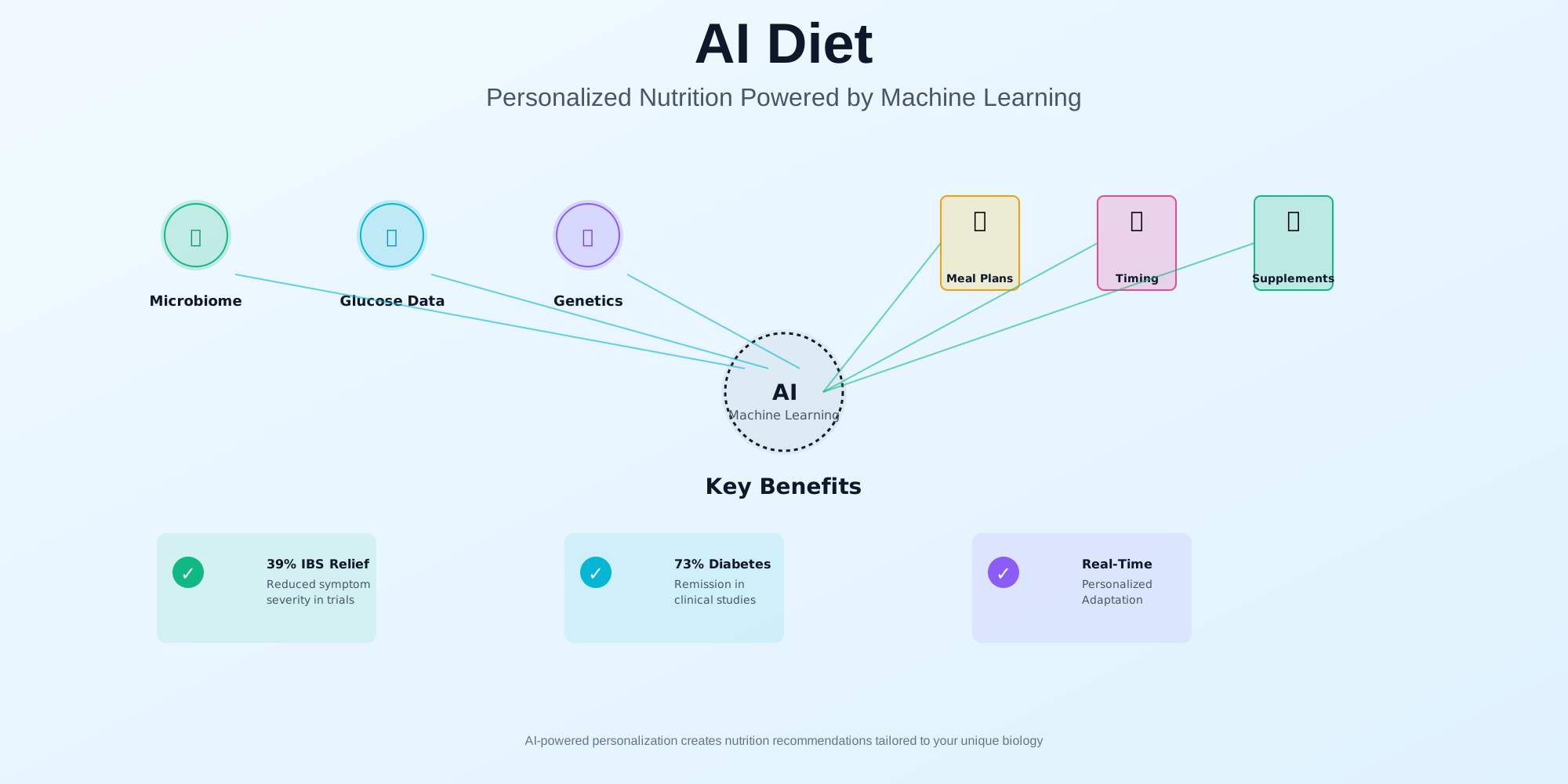
The key difference? Traditional diets treat everyone the same. AI diets treat you as unique.
This isn't about apps that count calories. It's about systems that understand your body's chemistry.
What Is AI Diet?
An AI diet is a personalized nutrition plan generated by artificial intelligence systems that analyze individual biological data—including genetics, microbiome composition, continuous glucose monitoring, blood biomarkers, lifestyle patterns, and food preferences—to deliver customized dietary recommendations. These systems use machine learning algorithms, deep learning models, and natural language processing to process complex health data that would be impossible for humans to integrate manually. Unlike static diet plans, AI-powered nutrition adapts in real time as your health markers change, creating what researchers call 'precision nutrition' or 'smart nutrition.' The algorithms learn from your eating patterns and health outcomes to continuously optimize recommendations. Technically, these systems operate through multiple AI technologies working together: computer vision to identify foods from photos, machine learning for pattern recognition, neural networks for prediction modeling, and generative AI to create personalized meal suggestions.
Not medical advice.
What makes AI diet fundamentally different from previous nutrition approaches is the scale of personalization. Traditional nutrition science was built on population studies—researchers studied thousands of people and identified patterns that apply to the average person. But the average person doesn't actually exist. Your genetics, your gut bacteria, your metabolic rate, your stress levels, and your sleep quality all affect how your body processes food. AI diet systems capture this individual variation and use it to generate recommendations that are orders of magnitude more precise than generic guidelines.
Surprising Insight: Surprising Insight: Two people eating identical meals can have completely different postprandial glucose responses—one person's blood sugar stays stable while the other experiences a 80 mg/dL spike—and this is determined by their unique microbiome composition, not just the food itself.
How AI Diet Systems Work: Data Flow to Personalization
The process from raw health data collection through AI analysis to personalized meal recommendations
🔍 Click to enlarge
Why AI Diet Matters in 2026
Chronic diseases related to diet—type 2 diabetes, obesity, cardiovascular disease, and metabolic syndrome—have become epidemic globally. Traditional medical nutrition therapy hasn't solved this problem because it treats all patients the same. AI diet emerges as a solution precisely because it acknowledges individual variation. Recent NIH initiatives recognize AI as a critical tool for precision medicine, specifically mentioning personalized nutrition as a key area where machine learning can prevent and manage diseases. The technology is no longer theoretical—systems are already delivering measurable clinical outcomes in real patients.
The economic case is equally compelling. The traditional model of food choices costs healthcare systems billions annually in preventable disease management. AI-driven prevention through personalized nutrition represents a shift from reactive treatment to proactive health maintenance. Companies like ZOE and others have demonstrated that when people receive truly personalized recommendations—not generic guidelines—adherence improves and outcomes follow. Furthermore, the 27.4% compound annual growth rate of the personalized nutrition AI market indicates this is becoming mainstream, not niche.
From an individual perspective, AI diet matters because it removes the guesswork. You no longer follow a diet that works for someone else and hope it works for you. You follow a plan based on your specific biology, refined continuously as your circumstances change. This is particularly valuable for people with existing health conditions, genetic predispositions, food sensitivities, or complex medical histories where generic advice often fails.
The Science Behind AI Diet
The scientific foundation of AI diet rests on several key discoveries from precision nutrition research. First, interindividual variation in nutritional response is enormous and predictable. Studies using continuous glucose monitoring show that identical meals produce wildly different blood sugar responses across individuals—a phenomenon called glycemic variability. This variation is largely determined by gut microbiome composition, which differs between individuals more than fingerprints differ. Machine learning models have demonstrated they can predict an individual's glucose response to foods with accuracy exceeding 85%, information that immediately makes personalized nutrition possible.
Second, AI diet systems integrate what researchers call 'omics' data—genomics, proteomics, metabolomics, and most importantly, microbiomics. These multiple layers of biological information cannot be processed manually; the interactions are too complex. A gradient-boosting random forest model trained on plasma markers, microbiome composition, anthropometric measurements, dietary intake, and lifestyle factors can predict postprandial glucose response with accuracy exceeding established biochemical methods. This computational approach reveals patterns that would be invisible to human analysis. Third, the algorithms are self-improving. Traditional nutrition advice was static because generating it required extensive research cycles. AI systems learn from every user interaction, incorporating real-world feedback into the model continuously, creating recommendations that improve over time as more data flows in.
Biological Mechanisms: Why Personalization Matters
How different biological factors create individual variation in nutritional response
🔍 Click to enlarge
Key Components of AI Diet
Microbiome-Based Recommendations
Your gut microbiome—the population of trillions of bacteria living in your digestive system—profoundly influences how you process food and which foods will support your health. AI diet systems now integrate microbiome testing data into recommendations. A person with a microbiome dominated by health-promoting Faecalibacterium prausnitzii bacteria might thrive on high-fiber plant foods, while someone with dysbiosis might need a different approach. The AI system learns these connections from research literature and from user outcome data, recommending foods most likely to support your specific microbiome composition toward greater diversity and abundance of beneficial species.
Continuous Glucose Monitoring Integration
Continuous glucose monitoring (CGM) devices measure blood glucose in real time, providing data that reveals exactly how your body responds to specific foods. AI systems consume this data to understand your personal glucose dynamics. Some people experience rapid spikes from refined carbohydrates that trigger energy crashes and cravings; others maintain stable glucose on similar foods. The algorithm identifies your glucose pattern—whether you're glucose stable, a responder to protein timing, or sensitive to certain macronutrient combinations—and adjusts recommendations accordingly. This creates a feedback loop: you eat a recommended food, the CGM shows the outcome, the AI learns from it, and the next recommendation is more accurate.
Genetic Personalization
Genetic variations influence how you metabolize caffeine, how you process fat-soluble vitamins, and even your taste preferences. Companies like DNAfit have pioneered AI systems that incorporate genetic data alongside traditional dietary information. Certain genetic variants make someone more susceptible to weight gain on high-fat diets; others predict better outcomes on Mediterranean-style eating patterns. The AI doesn't just recognize these genetic markers—it factors them into the recommendation engine, creating plans that account for your genetic predispositions rather than fighting against them.
Computer Vision Food Recognition
AI systems use advanced computer vision powered by convolutional neural networks to identify foods from photos. Users take pictures of their meals, the AI recognizes each component with up to 99.83% accuracy (using hybrid transformer models), and automatically logs nutritional content. This solves the traditional problem of manual food logging—which is tedious, error-prone, and causes most people to abandon tracking. The system understands not just what food you're eating but portion size through image analysis, converting visual data into actionable nutritional information.
| Technology | Data Source | Primary Output |
|---|---|---|
| Glucose-Based AI | Continuous glucose monitoring + microbiome tests | Personalized glycemic response patterns and meal timing |
| Genetic AI Systems | DNA sequencing + lifestyle data | Genetic predisposition-based diet type recommendations |
| Vision AI | Food photos + nutritional database | Automatic nutritional tracking and portion estimation |
| Omics-Integrated AI | Blood markers, microbiome, genomics, metabolism | Comprehensive metabolic health optimization |
| Wearable-Based AI | Activity, sleep, stress, heart rate variability | Time-based and context-aware meal recommendations |
How to Apply AI Diet: Step by Step
- Step 1: Choose an AI diet platform or app (options include ZOE, Nutri.AI, Glucose Buddy, DNAfit, or others) and verify it uses actual AI algorithms rather than static rules.
- Step 2: Complete the health assessment questionnaire on the platform, providing honest information about your medical history, current health status, dietary preferences, and health goals.
- Step 3: If the platform recommends it, order and complete baseline testing—this might include microbiome analysis (stool test), blood biomarkers (lipid panel, fasting glucose, inflammatory markers), or genetic testing.
- Step 4: Install a continuous glucose monitor or wearable device if the platform recommends one; this provides real-time data the AI uses for ultra-personalization.
- Step 5: Start receiving personalized food recommendations from the system, beginning with one to three dietary changes rather than overhauling everything simultaneously.
- Step 6: Log your meals using the app's photo recognition or manual entry feature for the first two weeks to establish baseline data.
- Step 7: Review the AI system's personalized insights about your individual glucose patterns, microbiome-food interactions, and recommended meal timing.
- Step 8: Gradually implement the system's recommendations while paying attention to how you feel—energy levels, satiety, digestion, mood—and report outcomes back to the app.
- Step 9: Allow the system 4-8 weeks to refine its recommendations based on your real-world responses and outcome data.
- Step 10: Use the continuous adaptation feature to adjust recommendations seasonally and as your health markers change over time.
AI Diet Across Life Stages
Young Adulthood (18-35)
Young adults often have fast metabolisms but developing nutritional habits that will persist for decades. AI diet in this stage focuses on establishing patterns that prevent metabolic dysfunction. Many young adults have suboptimal microbiome diversity due to limited dietary variety—AI systems recommend foods that expand microbiome diversity and establish sustainable eating patterns. For active young adults, the AI optimizes nutrient timing around workouts and considers recovery nutrition based on glucose and amino acid patterns. This is also when genetic predispositions to diet-related disease become relevant; early personalization can prevent future problems.
Middle Adulthood (35-55)
Middle adults often face metabolic slowdown and increasing prevalence of prediabetes, low energy, and weight gain despite unchanged eating habits. AI diet becomes particularly valuable here because it identifies the specific metabolic pattern driving symptoms. An AI system might reveal that a person's glucose is stable until evening, suggesting carbohydrate timing adjustments. Or it might show that certain oils trigger inflammation markers while others don't. Many middle adults use AI diet to reverse prediabetes or optimize energy despite busy schedules by receiving meal recommendations that fit their lifestyle constraints.
Later Adulthood (55+)
Older adults often take multiple medications, have more complex health conditions, and face nutrient absorption challenges. AI diet systems factor medication-nutrient interactions into recommendations, preventing common problems like drug-nutrient depletions. The systems recommend foods that support cognitive health, bone density, muscle maintenance, and chronic disease management based on individual biomarkers. Personalization becomes critical because older adults have higher medication burden and medication-diet interactions that make generic nutrition advice risky.
Profiles: Your AI Diet Approach
The Glucose Optimizers
- Real-time glucose feedback to understand which foods spike blood sugar
- Meal timing guidance aligned with their glucose patterns
- Strategies to achieve metabolic stability for energy and focus
Common pitfall: Assuming all carbohydrates affect them the same way, when actually their microbiome determines glucose response more than the food itself.
Best move: Use continuous glucose monitoring with AI analysis for 4 weeks to map your personal glucose patterns, then optimize meal timing and food choices accordingly.
The Genetic Optimizers
- Understanding of their genetic predispositions to certain diet types
- Foods that align with their genetic metabolic profile
- Clarity about which popular diets match versus conflict with their genetics
Common pitfall: Following a diet that worked for others but conflicts with their genetic profile, leading to continued frustration.
Best move: Get genetic testing integrated into an AI system that interprets genetic variants into actionable dietary recommendations specific to your genetics.
The Microbiome Rebuilders
- Knowledge of their current microbiome composition and diversity
- Foods that promote beneficial bacterial growth in their specific microbiome
- Education about fermented foods, prebiotics, and fiber timing
Common pitfall: Eating foods promoted as 'healthy' without knowing whether those foods feed their specific beneficial bacteria.
Best move: Get a microbiome test, use an AI system that cross-references your microbiome data against food recommendations, and track changes in microbiome markers over time.
The Integration Masters
- Comprehensive data from multiple sources—genetics, microbiome, glucose, blood markers, activity, sleep
- AI systems sophisticated enough to integrate these multiple data streams
- Recommendations that address root causes rather than symptoms
Common pitfall: Having lots of health data but no way to integrate it into coherent recommendations, leading to conflicting information.
Best move: Use comprehensive AI platforms like ZOE or similar that integrate multiple omics layers and produce unified recommendations rather than fragmented advice.
Common AI Diet Mistakes
The first major mistake is treating AI diet recommendations as one-time directives rather than continuous adaptation. These systems improve with more data. People who log food inconsistently or ignore the system's real-time feedback get worse recommendations. The algorithm learns from your responses—eating a recommended food and seeing positive outcomes teaches the system your preferences, while inconsistent logging teaches nothing.
The second mistake is using AI diet without addressing the behavioral and environmental factors that drive eating patterns. The system might recommend salmon and leafy greens, but if your environment makes processed foods more convenient, the recommendation won't work. Effective AI diet use requires environmental design—stocking recommended foods at home, using meal prep systems, identifying which social situations challenge adherence—in parallel with using the AI recommendations.
The third mistake is expecting overnight results. The most dramatic outcomes from AI diet research—72.7% diabetes remission, 39% IBS symptom reduction—occurred over 6-16 weeks. Many people abandon the system after 2-3 weeks when the adaptation period is still occurring. The AI needs time to understand your individual patterns, and your body needs time to adapt to dietary changes. Patience is essential.
Common Pitfalls: Decision Tree for AI Diet Success
How to identify and avoid mistakes that undermine AI diet effectiveness
🔍 Click to enlarge
Science and Studies
The clinical evidence for AI-driven personalized nutrition has grown substantially. Systematic reviews published in 2024-2025 analyzed multiple randomized controlled trials comparing AI-generated dietary recommendations to traditional dietary advice. The results consistently show that when people receive truly personalized recommendations based on their individual data rather than population averages, adherence improves and health outcomes improve.
- 2025 PMC systematic review of AI applications in personalized nutrition: 83 articles published in 2024 alone, indicating the field reached recognition as a distinct research area with 39% reduction in IBS symptom severity in AI intervention groups versus controls.
- Nature Scientific Reports (2024): Deep generative models combined with ChatGPT created nutrition recommendations with improved acceptability and personalization compared to static diet plans, with 72.7% diabetes remission rate in pilot studies.
- 2025 NIH nutrition strategic plan: AI identified as a key enabler for personalized nutrition using multiomics datasets in obesity, diabetes, cardiovascular disease, and gastrointestinal disorders.
- Frontiers in Nutrition (2025): Comprehensive review found AI methods integrating omics data (genomics, microbiomics, metabolomics, proteomics) achieved prediction accuracy exceeding 85% for individual food response patterns.
- MDPI Applied Sciences (2025): Integrated AI frameworks using machine learning and natural language processing delivered personalized recommendations with documented improvements in metabolic markers and adherence rates over 12-week intervention periods.
Your First Micro Habit
Start Small Today
Today's action: Take 3 photos of your meals tomorrow and upload them to an AI food recognition app (Snapcalorie, MyFitnessPal AI, or similar) to see how computer vision analyzes your current eating pattern without changing anything yet.
This tiny action removes the intimidation factor of AI diet by making the technology tangible and non-threatening. You learn how the system works, see that it's surprisingly accurate at food recognition, and begin generating baseline data without any behavior change. This 5-minute action often sparks curiosity: 'Wait, I eat that much chicken?' or 'I didn't realize how much oil I use.' That awareness often precedes behavior change naturally.
Keep quitting habit apps after a missed day? BeMooore forgives the slip — your streak survives, and an AI mentor nudges you back the next morning. Free on iOS.
Quick Assessment
How would you describe your current relationship with nutrition and dietary guidance?
Your answer reveals whether you're experiencing the limitation of one-size-fits-all nutrition approaches that AI diet specifically addresses.
Which piece of health data do you think would most help personalize your nutrition?
Your answer indicates which AI diet technologies would provide most value to you.
What's your biggest concern about using AI-driven dietary recommendations?
Understanding your concern helps identify which AI diet approach or platform might address your specific needs.
Take our full assessment to get personalized recommendations.
Discover Your Style →Next Steps
The transition to AI diet doesn't require overhauling your life immediately. Start by exploring platforms that match your primary interest: if glucose management matters most, ZOE specializes in that. If genetic personalization appeals, DNAfit leads there. If you want simplicity, Nutri.AI focuses on user experience. Spend a few days researching options that align with your needs and then commit to using one consistently for at least 6 weeks before evaluating results.
During those 6 weeks, treat data logging as seriously as your health provider treats your medical history—it's that important to the AI system's accuracy. Take that micro habit seriously: use food photo recognition consistently, track how you feel (energy, digestion, mood, sleep), and notice what changes. By week 4-6, you'll have enough data for the algorithm to deliver genuinely personalized recommendations. At that point, most people report either noticeable health improvements (energy, digestion, mood) or valuable insights about their individual nutrition patterns that persist even if they discontinue the app.
Get personalized guidance with AI coaching.
Start Your Journey →Research Sources
This article is based on peer-reviewed research and authoritative sources. Below are the key references we consulted:
Related Glossary Articles
Frequently Asked Questions
Is AI diet just another diet trend, or is there real science behind it?
AI diet is grounded in rigorous personalized nutrition research published in peer-reviewed journals by institutions like NIH, Stanford, Harvard, and major medical centers worldwide. The 2025 NIH strategic nutrition plan specifically recognizes AI as a key tool for precision medicine. This isn't marketing; it's the direction modern medicine is moving. However, as with any nutrition approach, results depend on implementation—following the AI recommendations consistently delivers results, while inconsistent use won't.
Won't AI diet be too expensive for most people?
Initial costs vary: basic AI nutrition apps cost $10-30/month, while comprehensive systems with testing (microbiome, genetic, blood markers) might cost $200-500 initially plus ongoing app fees. However, consider the alternative: managing chronic disease costs thousands annually in healthcare, medications, and lost productivity. From an economic perspective, AI diet is often the cheaper option over a 5-year horizon. Insurance coverage is expanding as evidence of clinical efficacy accumulates.
How long does it take to see results from AI diet recommendations?
Energy and digestion improvements often appear within 2-4 weeks. Metabolic improvements (blood glucose stability, cholesterol changes) typically emerge within 6-12 weeks. More significant outcomes like diabetes remission or substantial weight loss take 12-16 weeks and require consistent adherence. The research showing 72.7% diabetes remission occurred over 12-16 week intervention periods. Patience is essential; the first 4 weeks is the system learning your patterns and your body adapting to new foods.
Do I need to get genetic testing or microbiome testing to benefit from AI diet?
No. Basic AI diet apps work with just your self-reported health information, food logging, and food preferences. However, testing dramatically improves personalization. Microbiome testing reveals which foods will feed your beneficial bacteria. Genetic testing identifies genetic predispositions. Continuous glucose monitoring provides real-time feedback about your glucose patterns. Each layer of data makes recommendations more accurate, but even without testing, modern AI diet apps deliver value. Think of testing as the difference between 'good recommendations' and 'optimal recommendations.'
Is my health data safe with AI diet companies?
This is a legitimate concern. Review each company's privacy policy before enrolling. The best platforms use end-to-end encryption, comply with GDPR and HIPAA regulations, don't sell personal health data to third parties, and allow you to download or delete your data. European-based companies tend to have stronger privacy protections than those in less-regulated jurisdictions. Ask about data storage location, encryption methods, and retention policies. This is information companies must disclose under health privacy regulations.
Take the Next Step
Ready to improve your wellbeing? Take our free assessment to get personalized recommendations based on your unique situation.
- Discover your strengths and gaps
- Get personalized quick wins
- Track your progress over time
- Evidence-based strategies