Best Supplements for Women
Women's nutritional needs change dramatically throughout their lives—from monthly menstruation to pregnancy, perimenopause, and menopause. Most women fall short on critical nutrients like iron, vitamin D, folate, and calcium, creating health gaps that compounds with age. While a balanced diet is foundational, strategic supplementation can bridge these gaps and support energy, bone health, hormonal balance, and long-term vitality. This guide cuts through supplement marketing noise to show you exactly which nutrients matter most at each life stage and why.
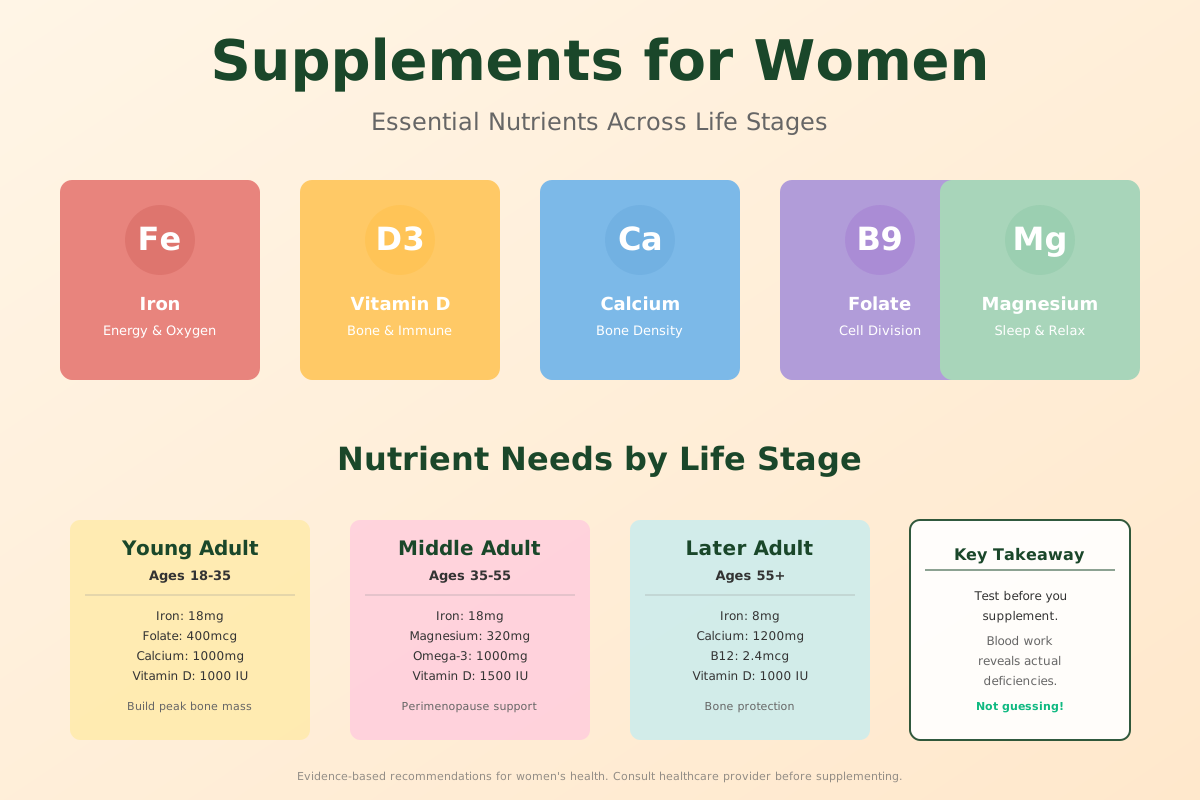
The challenge? Women are severely underrepresented in supplement research, and many products don't contain the doses needed to make a real difference. A 2023 analysis of over 20,000 U.S. dietary supplements found that out of 421 prenatal products studied, only one contained adequate doses of all six key nutrients (vitamin A, vitamin D, folate, calcium, iron, and omega-3s).
Here's what actually works, backed by NIH research and clinical evidence.
What Are Supplements for Women?
Supplements for women are concentrated doses of vitamins, minerals, and nutrients formulated to address female-specific nutritional gaps. Unlike generic multivitamins, women's formulas account for higher iron needs during menstruating years, increased calcium and vitamin D requirements for bone health, and specialized support during pregnancy and menopause. These may include iron, folate, vitamin D3, calcium, omega-3 fatty acids (EPA and DHA), B-vitamins, magnesium, and other micronutrients. The goal is not to replace food, but to optimize nutrition alongside a healthy diet.
Not medical advice.
Women ages 19-50 who menstruate need 18mg of iron daily—more than double the male requirement of 8mg. After menopause, women's iron needs drop to 8mg. Calcium needs are 1,000-1,200mg daily depending on age. Vitamin D is often critically low in women: only 22% of U.S. women get adequate levels from food and sun exposure alone. These aren't minor details—they directly affect energy, bone density, cognitive function, and immune resilience.
Surprising Insight: Surprising Insight: Women lose more bone mass in the first 5-8 years after menopause than at any other time in their lives. Adequate calcium and vitamin D during this period can reduce fracture risk by up to 30%.
Female Nutritional Needs by Life Stage
Visual comparison of recommended daily nutrient intake across different women's life stages
🔍 Click to enlarge
Why Supplements for Women Matter in 2026
Women's health has become a research and product priority, yet gaps remain. Processed food, soil depletion, sedentary lifestyles, and chronic stress increase nutrient demands. Modern women also juggle more roles—career, caregiving, household management—which elevates cortisol and depletes magnesium, B vitamins, and vitamin D. Pregnancy rates remain high, and 1 in 4 women experience depression or anxiety, conditions linked to B-vitamin and magnesium deficiency. The evidence is clear: supplementation isn't optional luxury; it's practical health management.
Additionally, women have unique risk factors that supplements address: monthly iron loss through menstruation, hormonal shifts that affect nutrient absorption, accelerated bone loss after menopause, and higher rates of autoimmune conditions. Strategic supplementation reduces disease risk, improves energy and mood, and extends healthspan—not just lifespan.
The 2020-2025 Dietary Guidelines acknowledge this reality. Health organizations including ACOG (American College of Obstetricians and Gynecologists) and the Academy of Nutrition and Dietetics recommend that women planning pregnancy or already pregnant take a daily prenatal supplement with specific nutrient targets. This isn't marketing—it's evidence-based medical guidance.
The Science Behind Supplements for Women
Women's nutritional science is built on the reality that hormones affect nutrient needs. Estrogen influences iron absorption and bone density. Progesterone affects magnesium regulation. These hormonal fluctuations mean women have different absorption rates, deficiency thresholds, and optimal dosing windows compared to men and even to other women at different life stages. NIH research shows that folate, iron, iodine, and vitamin D supplementation have the strongest evidence during pregnancy. Vitamin D, calcium, and omega-3 supplementation show context-dependent benefits—meaning they work best when combined with lifestyle factors like resistance training, adequate protein intake, and stress management.
The mechanism is straightforward: iron carries oxygen in red blood cells; without adequate iron, women feel fatigue and brain fog. Vitamin D regulates calcium absorption; without it, bones weaken despite calcium intake. Folate supports DNA synthesis; deficiency increases miscarriage risk and birth defects. B12 maintains nerve function and mood; deficiency causes depression and cognitive decline. Omega-3 fatty acids reduce inflammation and support neurological health. Magnesium activates over 300 enzymatic reactions; deficiency triggers muscle tension, sleep disruption, and anxiety. These aren't theoretical connections—they're measurable biochemical facts.
How Key Supplements Work in Women's Bodies
Biological mechanisms of five essential supplements for female health
🔍 Click to enlarge
Key Components of Supplements for Women
Iron
Iron is non-negotiable for menstruating women. The RDA is 18mg daily ages 19-50, dropping to 8mg after menopause. Menstrual periods cause significant iron loss—on average, 15-30mg per cycle for heavy bleeders. Without adequate iron, hemoglobin levels drop and oxygen delivery to tissues suffers. Women often dismiss fatigue as "just how I am," never realizing iron deficiency anemia is treatable. The best sources are heme iron (meat) and supplemental iron. If supplementing, choose ferrous forms (ferrous sulfate, ferrous glycinate) over ferric—they're better absorbed. Take with vitamin C to enhance absorption, and separate from calcium supplements by at least 2 hours, as they compete for absorption.
Vitamin D3
Vitamin D is a hormone, not just a vitamin. Women living above 35°N latitude (most of North America and Europe) cannot produce adequate vitamin D from winter sun exposure. The RDA is 600-800 IU daily, but most functional medicine practitioners recommend 1,000-2,000 IU daily for optimal levels (30-50 ng/mL). Vitamin D regulates calcium absorption, immune function, mood, and gene expression. Deficiency is linked to osteoporosis, depression, autoimmune disease, and poor fertility outcomes. D3 (cholecalciferol) from lanolin is superior to D2 (ergocalciferol) because it's better absorbed and more stable. Test your 25-OH vitamin D levels; if below 30 ng/mL, supplementation is essential.
Folate and Folic Acid
Folate (natural form) and folic acid (synthetic form) are crucial for women of reproductive age. The RDA is 400mcg daily, increasing to 600mcg during pregnancy. Folate supports DNA synthesis, cell division, and methylation—all critical for developing embryos. Deficiency increases miscarriage risk and neural tube defects. Many women don't realize folate needs begin a month before conception, not after pregnancy is confirmed. Green leafy vegetables (spinach, kale) are excellent sources, but supplementing ensures consistent intake. For pregnancy planning, choose a prenatal with methylfolate (L-methylfolate) rather than synthetic folic acid—it's better absorbed by women with MTHFR gene variations.
Calcium + Magnesium + Vitamin K2
These three work as a team. Calcium is the structural mineral for bone; women need 1,000-1,200mg daily. Vitamin D enables calcium absorption (cannot happen without it). Magnesium activates vitamin K2. Vitamin K2 (not K1) directs calcium to bones and teeth, not soft tissues and arteries. After menopause, women lose 1-2% of bone mass annually for 5-8 years—a critical window. The combination prevents osteoporosis better than calcium alone. Dairy is rich in calcium but low in magnesium; leafy greens provide both. Supplementing magnesium (300-400mg) before bed also improves sleep quality—a bonus for women struggling with menopause-related insomnia.
| Supplement | RDA (Adult Women) | Functional Range | Key Roles |
|---|---|---|---|
| Iron | 18mg (ages 19-50) / 8mg (50+) | 15-20mg during menstruation | Oxygen transport, energy, cognition |
| Vitamin D3 | 600-800 IU | 1,000-2,000 IU daily | Calcium absorption, immunity, mood |
| Calcium | 1,000mg (ages 19-50) / 1,200mg (50+) | 1,000-1,200mg total daily | Bone density, muscle, nerve function |
| Folate | 400mcg / 600mcg (pregnancy) | 400-800mcg | DNA synthesis, cell division, fetal development |
| Magnesium | 310-320mg | 300-400mg | Muscle relaxation, sleep, anxiety reduction |
How to Apply Supplements for Women: Step by Step
- Step 1: Assess your current diet: Track iron, calcium, vitamin D, and folate intake for 3 days using a nutrition app. Identify gaps before buying supplements—you may already consume enough of certain nutrients.
- Step 2: Get baseline blood work: Ask your doctor for a comprehensive metabolic panel including vitamin D (25-OH), B12, folate, ferritin (iron storage), and CBC (complete blood count). This reveals actual deficiencies, not guesses.
- Step 3: Choose a foundational multivitamin: Select a women's multivitamin with iron (especially if menstruating), vitamin D3, calcium, and B-complex. Avoid products with excessive minerals or untested herbal blends—simpler formulas are safer and better absorbed.
- Step 4: Add targeted support if needed: If blood work shows low vitamin D, supplement with 1,000-2,000 IU daily. If ferritin is low, add iron. If B12 is borderline, supplement 500-2,000mcg daily or get B12 injections (better absorption).
- Step 5: Time supplements wisely: Take iron-containing supplements with orange juice (vitamin C enhances absorption) and away from calcium, coffee, and tea (inhibit absorption). Take vitamin D and fat-soluble supplements with a meal containing healthy fats.
- Step 6: Adjust for life stage: If planning pregnancy, switch to a prenatal vitamin 1-3 months before conception and maintain through breastfeeding. If entering perimenopause, increase magnesium and consider adding adaptogenic herbs like maca or ashwagandha.
- Step 7: Monitor for symptoms: Track energy, mood, sleep, and menstrual regularity for 8-12 weeks. Most nutrient deficiency symptoms improve within 2-3 months of supplementation if dosing is correct.
- Step 8: Avoid supplement stacking: More is not better. Adding too many supplements creates mineral interactions and waste. Stick to essential nutrients first, add others only if blood work supports need.
- Step 9: Source quality products: Buy from reputable brands (Thorne, Ritual, Megafood, Nature Made). Look for third-party testing (USP, NSF, ConsumerLab) to verify purity and dose accuracy.
- Step 10: Retest annually: Get blood work done yearly. Supplement needs change with age, medication use, diet shifts, and health status. What worked at 30 may not be optimal at 40 or 50.
Supplements for Women Across Life Stages
Young Adulthood (18-35)
Focus is on regulating menstrual health and building bone density. Iron is critical—many young women are chronically depleted from heavy periods, birth control, or low dietary intake. A women's multivitamin with 18mg iron, 400mcg folate, and 1,000mg calcium provides the foundation. If planning pregnancy within the next 5 years, add a prenatal vitamin now; adequate folate in the month before conception significantly reduces birth defects. Young women often skip supplementation thinking they're "too young," missing the window to build peak bone mass before age 30. Starting magnesium (300mg) and vitamin D3 (1,000 IU) now prevents osteoporosis decades later.
Middle Adulthood (35-55)
This is the perimenopause window—estrogen and progesterone become erratic. Iron needs remain 18mg daily (as long as menstruating). Vitamin D becomes even more important; increase to 1,000-2,000 IU daily. Add magnesium (300-400mg) for hormonal symptoms like migraines, anxiety, and sleep disruption. If entering perimenopause (typically 40s), consider adding adaptogenic herbs like maca, chasteberry, or black cohosh to address hot flashes and mood swings. Omega-3 supplementation (1,000-2,000mg EPA+DHA daily) reduces inflammation and supports cognitive health during this mentally demanding phase. Continue calcium at 1,000-1,200mg total daily through food and supplements.
Later Adulthood (55+)
After menopause, priorities shift. Iron drops from 18mg to 8mg daily; excess iron increases heart disease and inflammation risk in postmenopausal women. Vitamin D becomes paramount—increase to 800-1,000+ IU daily to maintain bone density. Calcium needs increase to 1,200mg daily, combined with vitamin K2 and magnesium for optimal absorption and utilization. Add B12 supplementation (1,000-2,000mcg weekly or 2,500mcg daily) because older women absorb B12 from food poorly; supplemental forms bypass this issue. Omega-3 continues for cardiovascular and cognitive protection. This is also the life stage where collagen supplementation (10-20g daily) becomes valuable for joint health and skin elasticity if not getting adequate protein.
Profiles: Your Supplements for Women Approach
The Heavy Bleeder
- Higher iron (18-25mg daily during heaviest days)
- Additional vitamin C to enhance iron absorption
- Regular ferritin testing to track iron stores
Common pitfall: Taking iron inconsistently or with coffee/tea that blocks absorption, then wondering why fatigue persists
Best move: Invest in a quality iron supplement (ferrous glycinate is gentler on the stomach than sulfate), take it with orange juice on an empty stomach, and retest ferritin after 12 weeks
The Pregnancy Planner
- Prenatal vitamin with 400-800mcg methylfolate starting 3 months before conception
- Omega-3s (1,000-2,000mg EPA+DHA) for fetal brain development
- Vitamin D testing to ensure levels are above 30 ng/mL pre-conception
Common pitfall: Starting prenatal supplements only after learning you're pregnant, missing the critical pre-conception window when neural tube development begins
Best move: Begin prenatal vitamins when planning pregnancy (1-3 months before), not after positive test. Mark it on your calendar as a monthly health ritual
The Perimenopause Warrior
- Magnesium glycinate (300-400mg) for hot flashes and sleep
- Vitamin D3 (1,000-2,000 IU) for mood and bone health
- Adaptogenic herbs or B-vitamins for emotional resilience
Common pitfall: Pushing through hot flashes and mood swings without support, assuming it's just "what happens" instead of recognizing correctable deficiencies
Best move: Get comprehensive blood work testing vitamin D, magnesium RBC, and B12 levels. Supplement targeted gaps while also tracking sleep and mood for 8 weeks to quantify improvements
The Postmenopause Protector
- Calcium (1,200mg) plus vitamin D3 (800-1,000 IU) plus vitamin K2
- B12 supplementation (1,000-2,000mcg weekly) due to poor food absorption after age 50
- Omega-3s (1,000-2,000mg) for cardiovascular protection
Common pitfall: Assuming bones are automatically safe after menopause, neglecting the critical 5-8 year window of accelerated bone loss when supplementation prevents fractures
Best move: Get a baseline DEXA scan at menopause transition. If T-score is -1 or lower, prioritize calcium-vitamin D-K2-magnesium protocol. Retest in 2-3 years to assess bone density response
Common Supplements for Women Mistakes
Mistake #1: Overdosing iron without testing. Too much iron causes constipation, nausea, and oxidative stress. Some women supplement high-dose iron without knowing their ferritin is already adequate, creating problems instead of solving them. Always test ferritin before iron supplementation. Target range is 30-100 ng/mL; if within range, you don't need supplemental iron.
Mistake #2: Taking calcium without vitamin D. Calcium cannot be absorbed without vitamin D; you're essentially flushing money down the toilet if D status is low. Test vitamin D levels first. If below 30 ng/mL, boost D3 intake to 2,000+ IU daily for 8-12 weeks before expecting calcium supplementation to meaningfully improve bone health.
Mistake #3: Buying a generic multivitamin marketed to everyone. Men and women have wildly different nutrient needs—men need less iron and folate, women need less of certain nutrients but more of others. A women's-specific multivitamin accounts for these differences. Skip the unisex formulas designed to appeal to maximum market.
Common Supplement Mistakes & Fixes
Decision tree showing mistakes women make with supplementation and practical corrections
🔍 Click to enlarge
Science and Studies
The research supporting women's supplementation is substantial and growing. Major organizations including NIH, ACOG, and the Academy of Nutrition and Dietetics have published evidence-based guidelines. Here's what peer-reviewed science shows:
- NIH Dietary Supplement Fact Sheets (2024): Comprehensive evidence that folate, iron, iodine, and vitamin D supplementation in pregnancy prevent neural tube defects, anemia, and developmental delays. Vitamin D and calcium show context-dependent benefits when combined with resistance training.
- MDPI (2024): "Dietary Supplements in Pregnancy and Postpartum—Evidence, Safety Challenges and a Precision Nutrition Framework" confirms that prenatal multivitamins with standardized micronutrient combinations reduce poor birth outcomes by 10-20% in resource-limited and developed settings.
- Stanford Lifestyle Medicine (2024): "Active Women Across the Lifespan" identifies creatine, vitamin D, magnesium, and omega-3s as supportive for muscle preservation, bone density, and recovery in aging women. Creatine supplementation combined with resistance training improves muscle function and bone density in peri- and postmenopausal women.
- PCOS Research (2024): Women with polycystic ovary syndrome benefit from targeted supplementation including B12, inositols, folate, vitamin D, vitamin E, zinc, and omega-3 fatty acids. These reduce insulin resistance, improve fertility, and regulate menstrual cycles.
- Harvard Health & UC Health (2024): Critical analysis concludes that multivitamins show no benefit for healthy women already eating adequate diets, but targeted supplementation for specific deficiencies (as confirmed by blood work) is evidence-backed and cost-effective.
Your First Micro Habit
Start Small Today
Today's action: Schedule one supplement-related action this week: either order your blood work through your doctor or set a calendar reminder to eat iron-rich food (spinach, beef, chickpeas) every Tuesday and Thursday. This single action moves you from knowledge to behavior.
Micro-habits remove the overwhelm of 'I need to supplement perfectly.' Instead, you take one small action that compounds. Testing your vitamin D level gives you data to make smart supplement decisions instead of guessing. If you commit to the dietary approach first, you experience the gap between food intake and actual needs—motivating you to supplement appropriately.
Keep quitting habit apps after a missed day? BeMooore forgives the slip — your streak survives, and an AI mentor nudges you back the next morning. Free on iOS.
Quick Assessment
How would you describe your current energy and sleep quality?
Energy and sleep are often the first signs of iron deficiency, vitamin D insufficiency, or magnesium depletion. If you answered 'frequently tired' or 'exhausted,' supplementation targeted at these nutrients may be transformative within 8-12 weeks.
Where are you in your reproductive journey?
Your life stage determines supplement priority. Menstruating women must prioritize iron. Pregnancy planners must start folate 3 months pre-conception. Postmenopausal women must prioritize D3, calcium, and B12. The right protocol for your stage compounds benefits and avoids waste.
Which nutrients concern you most for your health?
If you've had blood work, use those results to guide supplementation. If you suspect deficiency without data, testing is the first step—it transforms guessing into precision. If you're overwhelmed, start with a quality women's multivitamin and one targeted nutrient based on your life stage.
Take our full assessment to get personalized recommendations.
Discover Your Style →Next Steps
Your supplementation strategy begins with clarity, not guessing. Schedule blood work this week testing vitamin D (25-OH), ferritin, B12, and folate. These four tests cost $100-200 and reveal the exact gaps in your body's nutrient stores. Once you have results, you can supplement with precision instead of adding random pills hoping something sticks.
Second, assess your current diet for 3 days using a nutrition app (Cronometer or MyFitnessPal). See where you naturally consume iron, calcium, vitamin D, and folate. Most women discover they're getting 40-60% of recommended amounts through food—and that's the gap supplements elegantly fill.
Get personalized guidance with AI coaching.
Start Your Journey →Research Sources
This article is based on peer-reviewed research and authoritative sources. Below are the key references we consulted:
Related Glossary Articles
Frequently Asked Questions
Is it safe to take supplements long-term?
Yes, if dosed appropriately and based on actual need (confirmed by blood work). Fat-soluble vitamins (A, D, E, K) can accumulate if taken in excess; water-soluble vitamins (B-complex, C) are excreted through urine. The risk is not supplements themselves, but overdosing. Take supplements at evidence-based doses and retest nutrient levels annually. Most women can safely supplement indefinitely when dosed correctly.
Can I get all my nutrients from food?
For most nutrients, yes—if you eat a diverse diet including grass-fed meat, wild-caught fish, leafy greens, legumes, nuts, seeds, and fermented foods daily. However, modern soil depletion means minerals are lower. Vitamin D requires sun exposure or fatty fish daily (hard for most). Iodine requires seaweed or iodized salt. Folate requires fresh raw vegetables (cooked greens lose 30-50% folate). For most women with busy lives and processed food exposure, strategic supplementation is more reliable than food alone.
Which supplements interact with birth control or medications?
Iron, calcium, and some minerals can reduce absorption of certain medications and vice versa. Supplements may also interact with blood thinners, seizure medications, or thyroid meds. Always tell your doctor and pharmacist about all supplements you take, including herbal ones. Many can wait 2-4 hours between supplement and medication doses to minimize interaction. Never assume supplements are 'safe with everything'—interactions are real and sometimes serious.
How long before I notice improvements from supplements?
It depends on the nutrient and deficiency severity. Vitamin D improvements (mood, bone support) may take 4-8 weeks. Iron takes 6-12 weeks to rebuild stores and resolve fatigue significantly. Magnesium for sleep may improve within 2-3 weeks. B vitamins for energy may show changes within 2-4 weeks. Consistent supplementation for 12 weeks is the standard evaluation period. Track symptoms in writing (energy level 1-10, sleep quality, mood) to notice subtle shifts you might otherwise miss.
Are plant-based supplements (algae omega-3, plant iron) as effective as animal-based?
Absorption differs. Animal-based iron (heme iron) is absorbed at 15-35%; plant-based iron (non-heme) is absorbed at 2-20%. Animal-based omega-3 (fish, krill oil) contains EPA and DHA directly; plant-based (flax, chia, algae) contains ALA that converts to EPA/DHA at only 5-10% efficiency. If you're vegan or vegetarian, you may need higher doses of plant-based supplements or supplemental EPA/DHA directly. Pair plant iron with vitamin C to boost absorption.
Take the Next Step
Ready to improve your wellbeing? Take our free assessment to get personalized recommendations based on your unique situation.
- Discover your strengths and gaps
- Get personalized quick wins
- Track your progress over time
- Evidence-based strategies