Lion's Mane Supplement
Your brain is constantly building new neural pathways throughout your life—a process called neuroplasticity. Lion's mane mushroom supplement offers a natural way to support this process through bioactive compounds that stimulate nerve growth factor (NGF) production. Whether you're seeking sharper focus, better memory, or protection against cognitive decline, understanding lion's mane can help you make informed decisions about brain health. This guide explores the science, benefits, practical application, and what you need to know before starting.
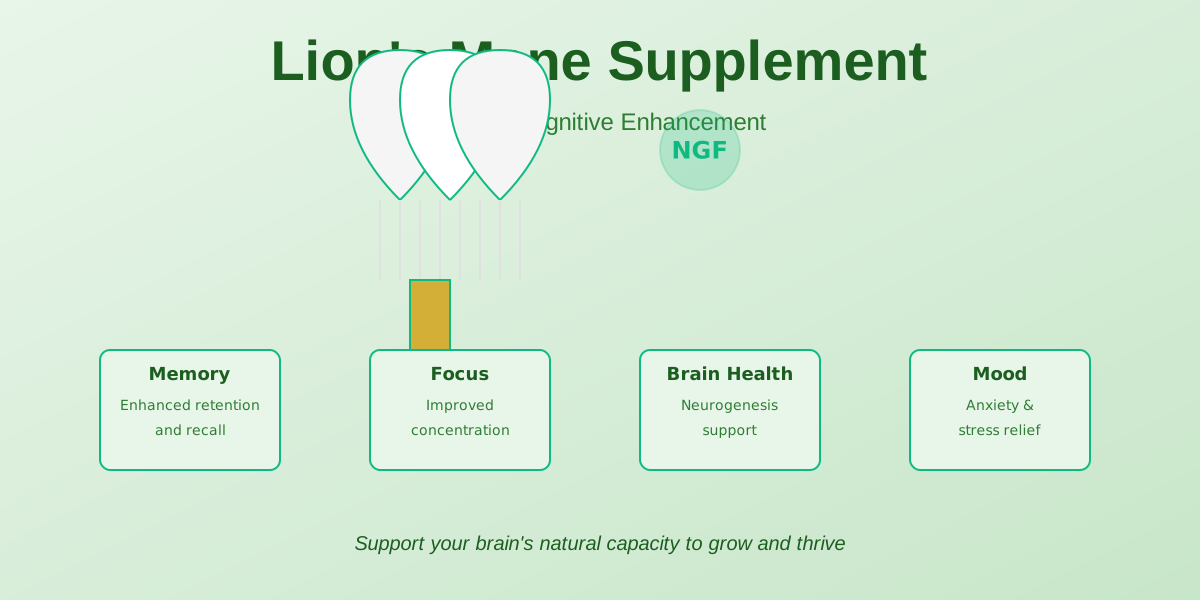
Lion's mane isn't a quick fix—it's a long-term investment in your brain's capacity to learn, adapt, and thrive.
Emerging research suggests that this overlooked mushroom might unlock cognitive potential many of us never knew existed.
What Is Lion's Mane Supplement?
Lion's mane supplement comes from Hericium erinaceus, a medicinal mushroom native to Asia with a distinctive appearance resembling a white, cascading mane. The supplement is derived from either the fruiting body (the visible mushroom) or the mycelia (the root network), each containing different bioactive compounds. Lion's mane is available in multiple forms: powder, capsules, liquid extracts, or whole dried mushroom pieces. Modern supplements are standardized for potency, meaning they contain measured amounts of their active compounds for consistent dosing.
Not medical advice.
The mushroom has been used in traditional Chinese and Japanese medicine for centuries, valued for its potential to support cognitive function and overall wellness. Today, it's recognized by neuroscientists and researchers worldwide as one of the most promising natural compounds for brain health.
Surprising Insight: Surprising Insight: Lion's mane contains over 70 bioactive compounds, but two stand out—hericenones (from the fruiting body) and erinacines (from the mycelia)—both capable of crossing the blood-brain barrier to influence nerve growth factor production directly.
How Lion's Mane Supports Brain Health
Visual pathway showing how hericenones and erinacines from lion's mane stimulate NGF production, leading to neurogenesis and improved cognitive function
🔍 Click to enlarge
Why Lion's Mane Supplement Matters in 2026
In our information-saturated world, cognitive decline starts earlier and affects more people than ever before. Screen time, chronic stress, sleep disruption, and processed foods all compromise brain function. Lion's mane addresses this reality by targeting neurogenesis—the biological foundation of memory, learning, and mental clarity. Clinical research from 2024-2025 has shown that even short-term supplementation can improve cognitive test scores in both young and older adults.
The mushroom industry has exploded with options, but lion's mane stands apart because of peer-reviewed evidence. Multiple randomized controlled trials demonstrate measurable improvements in cognitive function, with participants showing better performance on concentration tasks, improved mood, and reduced anxiety within weeks.
Beyond brain benefits, lion's mane is being studied for potential support in managing mild cognitive impairment and supporting overall mental wellness—making it relevant whether you're optimizing peak performance or protecting long-term brain health.
The Science Behind Lion's Mane Supplement
The primary mechanism behind lion's mane's cognitive effects involves nerve growth factor (NGF) stimulation. NGF is a protein essential for the growth, maintenance, and survival of neurons. Research shows that hericenones and erinacines from lion's mane can induce NGF synthesis in nerve cells, effectively signaling your brain to grow new neural connections. In laboratory studies, lion's mane extract has demonstrated the ability to promote neurite outgrowth—the extension of nerve cell branches that form new connections between brain cells.
A 2009 double-blind placebo-controlled study in Japan found that participants with mild cognitive impairment who took 1 gram of dried lion's mane daily for 16 weeks showed significant improvements in cognitive function scores starting at week 8, with effects sustained through week 16. More recent 2024-2025 studies confirm these findings, though researchers note that effects vary by individual and are most pronounced in those with existing cognitive challenges.
Lion's Mane Bioactive Compounds & Their Actions
Comparison of hericenones vs erinacines: source, bioavailability, and mechanisms of action on brain cells
🔍 Click to enlarge
Key Components of Lion's Mane Supplement
Hericenones
Hericenones are polysaccharides found primarily in the fruiting body of lion's mane mushrooms. These compounds have demonstrated the ability to promote NGF production and cross the blood-brain barrier, making them directly active in the brain. Laboratory studies show hericenones reduce oxidative stress and protect nerve cells from damage caused by inflammation or toxins. Most commercial lion's mane supplements standardize for hericenone content, typically listing 10-15% by weight.
Erinacines
Erinacines are unique compounds found primarily in the fungal mycelia (the underground network that grows the mushroom). These molecules are particularly potent at inducing NGF synthesis and show promise for supporting neurological health. Erinacine-enriched supplements are becoming more common, with some products specifically standardized for erinacine content. Research suggests erinacines may have stronger neuroprotective effects than hericenones, particularly for preventing cognitive decline in aging populations.
Polysaccharides
Lion's mane contains complex polysaccharides that support immune function and overall cellular health. These compounds work synergistically with hericenones and erinacines to create the mushroom's full health profile. Polysaccharides are water-soluble, making them bioavailable whether you take powders, extracts, or hot water decoctions of whole mushrooms.
Antioxidants
Lion's mane contains natural antioxidants that protect brain cells from oxidative damage. This protective action complements NGF stimulation—while the mushroom helps your brain grow new connections, antioxidants keep existing cells healthy. This dual action makes lion's mane uniquely positioned as both a growth promoter and a protective agent for cognitive health.
| Form | Bioavailability | Best For |
|---|---|---|
| Fruiting Body Extract (Standardized) | Moderate-High (10-20% hericenones) | Cost-effective, general brain support |
| Mycelial Extract (Erinacine-Enriched) | High (contains erinacines for NGF) | Maximum cognitive support, neurological health |
| Whole Powder | Variable (contains all compounds) | Traditional approach, culinary use, full spectrum |
| Liquid Extract/Tincture | High (pre-processed for absorption) | Faster absorption, convenient dosing |
How to Apply Lion's Mane Supplement: Step by Step
- Step 1: Choose your form: Decide between fruiting body extract, erinacine-rich mycelial extract, or whole powder based on budget and desired potency. Research shows standardized extracts provide more consistent results than whole powders.
- Step 2: Start with 500-1000mg daily: Begin at the lower end to assess tolerance. Most studies use 1000-3000mg divided across 2-3 doses. Give your body 7-10 days to adjust before increasing.
- Step 3: Take with a meal containing healthy fats: Lion's mane compounds are fat-soluble, so absorption improves significantly when taken with food containing omega-3s or other lipids.
- Step 4: Establish consistency: Set a specific time each day (morning or evening) to create a habit. Brain supplements work best with sustained, consistent use rather than sporadic doses.
- Step 5: Monitor cognitive changes: Track changes in focus, memory, mood, or sleep quality. Keep a simple log for 2-4 weeks. Many people notice effects become apparent around week 3-4.
- Step 6: Consider combining with other practices: Lion's mane works synergistically with adequate sleep, regular exercise, stress reduction, and antioxidant-rich foods like berries and leafy greens.
- Step 7: Stay hydrated: Ensure adequate water intake (minimum 8 glasses daily). Proper hydration supports all cognitive processes and helps transport nutrients to your brain.
- Step 8: Avoid excessive caffeine: While moderate caffeine is fine, excessive intake can interfere with sleep quality, which undermines lion's mane's brain-building effects.
- Step 9: Give it time for results: Clinical trials show effects within 4-8 weeks, but some people take 8-12 weeks to notice meaningful differences. Neurogenesis is a gradual process.
- Step 10: Reassess after 60-90 days: After 2-3 months, evaluate whether you're experiencing the benefits you sought. Some people feel effects immediately; others need longer or different products to respond.
Lion's Mane Supplement Across Life Stages
Young Adulthood (18-35)
Young adults benefit from lion's mane primarily for cognitive optimization and academic/professional performance. The supplement supports focus during demanding study periods, enhances memory consolidation, and may improve creativity and divergent thinking. Dosage: 500-1000mg daily is typically sufficient, and many young adults combine it with other smart-working habits. Secondary benefits include mood support and anxiety management during high-stress periods.
Middle Adulthood (35-55)
Middle-aged adults represent the ideal demographic for lion's mane supplementation. This is when cognitive decline typically begins, making preventive action most impactful. Many use lion's mane to maintain mental clarity through demanding careers, manage work stress, and prevent age-related mental fog. Dosage: 1000-2000mg daily supports both cognitive maintenance and subtle enhancement. Lion's mane pairs well with other wellness practices at this life stage.
Later Adulthood (55+)
Older adults show the most dramatic benefits from lion's mane supplementation in clinical trials. Those with mild cognitive impairment or normal age-related decline see meaningful improvements in memory, processing speed, and mental clarity. Higher dosages (2000-3000mg daily) are common, often combined with cognitive engagement activities and other neuroprotective practices. Lion's mane becomes part of a comprehensive brain-health strategy that also includes adequate sleep, social engagement, and mental stimulation.
Profiles: Your Lion's Mane Supplement Approach
The Performance Optimizer
- Enhanced focus during high-demand work periods
- Sustained mental clarity throughout the day
- Improved memory for complex information
Common pitfall: Expecting dramatic overnight improvements or using lion's mane as a substitute for adequate sleep and rest
Best move: Take 1000mg erinacine-rich extract daily, preferably in morning, combined with consistent sleep schedule and strategic breaks. Expect noticeable effects after 4-6 weeks.
The Brain Health Protector
- Prevention of age-related cognitive decline
- Support for long-term neurological health
- Complement to other healthy aging practices
Common pitfall: Thinking lion's mane works in isolation without lifestyle support, or starting too high a dose
Best move: Start with 1000mg daily of standardized extract, combine with exercise, Mediterranean-style diet, and cognitive engagement. Prioritize consistency over high doses.
The Anxiety Manager
- Mood support and anxiety relief
- Improved stress resilience
- Better sleep quality
Common pitfall: Using lion's mane as primary treatment for clinical anxiety instead of professional mental health support
Best move: Combine 1000-1500mg daily with meditation, therapy, and stress management techniques. Works best as supportive supplement, not replacement for mental health care.
The Whole-Foods Enthusiast
- Natural, minimally processed option
- Ability to incorporate into diet directly
- Preference for whole food over isolated extracts
Common pitfall: Assuming whole mushroom powder provides clinical-strength results or that cooking destroys all bioactive compounds
Best move: Use organic whole lion's mane powder, 1-2 teaspoons daily mixed into soups, coffee, or hot chocolate. Combine with other functional foods and sustained practice for best results.
Common Lion's Mane Supplement Mistakes
Expecting immediate results is the most common error. Lion's mane doesn't work like caffeine—it requires time for your brain to build new neural connections. Most people need 4-8 weeks of consistent use before noticing meaningful changes. Patience is essential; stopping after 2 weeks of use means you never gave the supplement time to work.
Choosing low-quality or unstandardized products is another frequent mistake. Not all lion's mane supplements are created equal. Many products contain minimal bioactive compounds, use cheap fillers, or lack third-party testing for purity. Investing in brands that standardize for hericenone or erinacine content ensures you're actually getting what you're paying for.
Neglecting foundational brain health practices renders lion's mane ineffective. The supplement works best alongside adequate sleep (7-9 hours), regular exercise (150+ minutes weekly), stress management, and a diet rich in antioxidants. Lion's mane amplifies the effects of healthy habits but can't overcome their absence.
Lion's Mane Effectiveness: Key Factors
Visual showing how multiple factors combine to maximize lion's mane supplement benefits: consistency, foundation practices, product quality, and individual variation
🔍 Click to enlarge
Science and Studies
Lion's mane supplementation has undergone rigorous scientific examination, with multiple peer-reviewed studies demonstrating cognitive and neurological benefits. The most compelling evidence comes from randomized controlled trials conducted between 2009-2025, showing measurable improvements in cognitive function, mood, and anxiety scores. While the research area is still developing and requires larger, longer-duration studies, the current evidence base is more robust than for most natural nootropic compounds.
- 2009 Japanese RCT: 30 participants with mild cognitive impairment receiving 1g daily lion's mane showed significantly improved cognitive function scores at weeks 8, 12, and 16 compared to placebo (published in Phytotherapy Research)
- 2024 Double-Blind Study: Acute consumption of standardized H. erinaceus extract in healthy younger adults produced faster response times on cognitive tasks, with effects apparent within 60 minutes of consumption (Frontiers in Nutrition)
- 2025 Systematic Review: Meta-analysis of 5 RCTs and 15 laboratory studies showed combined weighted mean cognitive improvement of 1.17 points on Mini-Mental State Exam in intervention groups, establishing consistent effect across studies
- Mechanism Research: Multiple preclinical studies confirm that erinacine A and hericenones effectively cross the blood-brain barrier and induce NGF synthesis, establishing the biological plausibility of cognitive effects
- Safety Profile: Long-term use in human trials shows lion's mane is well-tolerated with minimal side effects; the most common issue is mild digestive upset in initial use (typically resolves within 7-10 days)
Your First Micro Habit
Start Small Today
Today's action: Tomorrow morning, mix 500mg lion's mane powder into your coffee or warm tea. Set a phone reminder to repeat this same action every morning for 7 days straight. Track it with a simple tally mark or checkmark.
Starting with a tiny, effortless dose anchors the habit to an existing routine (your morning beverage). Seven days of consistency builds the neural pathway for habit formation. After a week, you'll barely notice you're taking it—it becomes automatic.
Keep quitting habit apps after a missed day? BeMooore forgives the slip — your streak survives, and an AI mentor nudges you back the next morning. Free on iOS.
Quick Assessment
How would you describe your current cognitive performance?
Your baseline cognitive status determines whether lion's mane functions as optimization (options 1-2) or support for cognitive health (options 3-4). Expect more dramatic results if you're managing age-related decline.
What's your primary goal with lion's mane supplementation?
Your goal influences dosage, timing, and what results to expect. Performance optimization works best with consistent daily use. Mood support may show effects sooner than pure cognitive enhancement.
How consistent can you be with daily supplementation?
Lion's mane effectiveness depends on consistency. Daily use for 4-8 weeks is minimum for results. If consistency is challenging, anchor it to an existing habit (morning coffee) or set phone reminders.
Take our full assessment to get personalized recommendations.
Discover Your Style →Next Steps
Now that you understand lion's mane supplement's mechanism, benefits, and practical application, it's time to decide whether it aligns with your cognitive goals. Consider your current cognitive challenges, your consistency level with daily practices, and whether brain optimization or brain protection is your priority. Review the product quality guidelines above to ensure you select a supplement with third-party testing and standardized bioactive compounds.
The most powerful next step is to combine lion's mane with complementary practices: commit to 7-9 hours of sleep, add 150 minutes of weekly exercise, practice stress reduction, and maintain a diet rich in antioxidants. These foundational practices amplify lion's mane's effects exponentially. Start small—your first micro habit of 500mg daily for 7 days—and build from there.
Get personalized guidance with AI coaching.
Start Your Journey →Research Sources
This article is based on peer-reviewed research and authoritative sources. Below are the key references we consulted:
Related Glossary Articles
Frequently Asked Questions
How long does it take to feel effects from lion's mane?
Most people begin noticing subtle effects within 4-8 weeks of consistent daily use. Some report faster results (2-3 weeks), particularly with mood and anxiety. More dramatic cognitive improvements typically require 8-12 weeks. The timeline depends on product quality, dosage, individual biology, and baseline cognitive status. Clinical trials show that effects continue to improve with extended use.
Can I take lion's mane with other medications or supplements?
Lion's mane is generally well-tolerated and safe for concurrent use. However, because it may have mild blood-thinning properties, consult with your healthcare provider if you take anticoagulants (blood thinners) or have bleeding disorders. If you take multiple supplements, space doses by 2-3 hours to optimize absorption. Always inform your doctor about new supplements you're taking.
What's the recommended daily dosage?
Clinical studies use dosages ranging from 500-3000mg daily, typically divided into 2-3 doses. Most people find 1000-2000mg daily effective for cognitive support. Start with 500-1000mg and increase gradually after 7-10 days if well-tolerated. Dosage depends on product type (whole powder vs. standardized extract), your age, and desired results. Higher dosages aren't necessarily better—consistency matters more than dose size.
Are there any side effects or safety concerns?
Lion's mane is considered very safe with minimal side effects in clinical use. The most common issue is mild digestive upset (nausea, bloating, or constipation) during initial use, which typically resolves within 7-10 days. Some people with mushroom allergies may experience cross-reactive responses. There are no known toxic effects from lion's mane supplementation at standard doses. Pregnant and nursing women should consult healthcare providers before starting any supplement.
Can I use lion's mane as a treatment for dementia or Alzheimer's?
No product containing lion's mane has FDA approval for treating any condition, including Alzheimer's disease. While promising preclinical and some clinical research suggests potential benefit for cognitive support, lion's mane should never replace medical treatment for dementia or Alzheimer's. If you're managing cognitive decline or neurological disease, use lion's mane only under professional medical guidance as a complementary practice alongside prescribed treatments.
Take the Next Step
Ready to improve your wellbeing? Take our free assessment to get personalized recommendations based on your unique situation.
- Discover your strengths and gaps
- Get personalized quick wins
- Track your progress over time
- Evidence-based strategies