Beef Liver Supplement
Beef liver supplements represent one of nature's most nutrient-dense foods in capsule form. For centuries, traditional cultures consumed organ meats as nutritional insurance, yet modern nutrition science is only recently validating what ancestral wisdom knew. These desiccated liver supplements deliver concentrated doses of vitamin A, heme iron, and vitamin B12—nutrients that work synergistically to support energy production, immune function, and cognitive health. But with this nutrient density comes responsibility: understanding proper dosing, bioavailability, and potential toxicity risks is essential before adding this potent supplement to your routine.
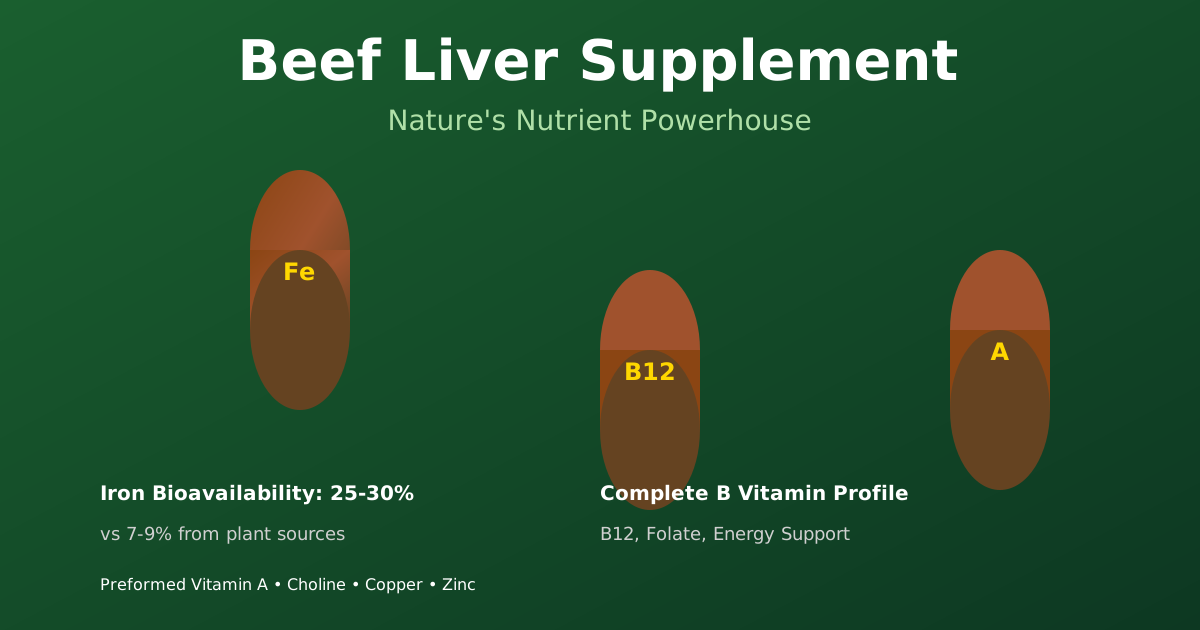
Here's what you need to know: beef liver supplements contain 25-30% bioavailable heme iron compared to just 7-9% from plant sources, making them exceptionally efficient at restoring energy levels.
The real question isn't whether beef liver supplements work—it's whether the concentration of preformed vitamin A (retinol) fits safely into your current nutrition profile.
What Is Beef Liver Supplement?
A beef liver supplement is freeze-dried or desiccated bovine liver that has been defatted and ground into powder, then typically encapsulated for convenient consumption. The drying process concentrates nutrients—100 grams of fresh beef liver becomes roughly 20-30 grams of desiccated liver powder. This supplement represents nose-to-tail eating in modern form: utilizing the most nutrient-dense organ of the animal to access nutrients that are either absent or present in minimal quantities in muscle meats.
Not medical advice.
Beef liver is one of the few whole foods classified as nutrient-complete. One serving delivers over 700% of daily vitamin A requirements, nearly 3000% of vitamin B12, 100% of iron, plus significant amounts of folate, copper, zinc, and choline. The global beef liver supplement market was valued at $816.5 million in 2023 and is projected to grow at 7.03% annually through 2030, reflecting increasing consumer interest in functional nutrition and biohacking.
Surprising Insight: Surprising Insight: 59% of commercial beef liver supplement products violate U.S. labeling regulations, meaning consumers often don't know the exact nutrient amounts they're consuming. This labeling inconsistency underscores the importance of purchasing from certified suppliers with third-party testing.
Heme Iron Absorption: Why Beef Liver Stands Out
Comparison of iron bioavailability across food sources and supplemental forms
🔍 Click to enlarge
Why Beef Liver Supplement Matters in 2026
Modern diets have systematically eliminated organ meats, creating a nutrient gap that conventional multivitamins struggle to fill. The standardized Western diet provides minimal amounts of bioavailable iron, complete B vitamin profiles, and preformed vitamin A. Many people experience chronic fatigue, weakened immunity, and cognitive fog—symptoms that beef liver supplementation can address within weeks of consistent use. For athletes, recovery-focused individuals, and those with compromised digestion, the efficiency of heme iron and co-nutrient synergy in beef liver supplements provides advantages that plant-based sources cannot match.
Additionally, functional medicine and longevity research increasingly emphasize the role of nutrient density in preventive health. Beef liver contains choline (418 mg per 100g—the highest concentration of any common food) and CoQ10, nutrients critical for mitochondrial function, cardiovascular health, and brain aging. Regenerative agriculture trends have also increased access to grass-fed beef liver supplements with superior nutrient profiles compared to grain-fed alternatives.
The timing is also significant: with healthcare systems increasingly focused on disease management rather than prevention, individual responsibility for nutritional optimization has never been more important. Beef liver supplements offer a practical, evidence-backed tool for taking control of your nutrient status.
The Science Behind Beef Liver Supplement
The bioavailability advantage of beef liver stems from its heme iron content. Unlike non-heme iron from plant sources, heme iron attaches to proteins and enters the body through a dedicated absorption pathway that doesn't require stomach acid or competition from calcium and tannins. This explains why people experience faster energy improvement with beef liver supplements compared to iron supplements derived from plant sources or ferrous compounds. Research published in NIH databases shows that regular beef liver consumption can raise serum ferritin and hemoglobin levels within 3-4 weeks in iron-deficient individuals.
The vitamin B12 in desiccated liver is present with its natural transport proteins and cofactors, potentially enhancing absorption to 50-60% compared to synthetic cyanocobalamin at 20-30% bioavailability. Preformed vitamin A (retinol) shows 70-90% bioavailability, making beef liver an exceptionally efficient source for those with absorption issues related to gut health or genetic factors like MTHFR mutations. The folate, copper, and selenium in beef liver work synergistically with these primary nutrients—folate supports methylation and B12 metabolism, copper is essential for iron transport, and selenium functions as a critical antioxidant cofactor.
Nutrient Synergy in Beef Liver Supplements
How primary nutrients work together to support energy, immunity, and cognition
🔍 Click to enlarge
Key Components of Beef Liver Supplement
Heme Iron
Heme iron is the form of iron naturally present in animal products and is absorbed with 15-35% efficiency compared to 2-20% for non-heme iron. Each beef liver supplement typically contains 4-8 mg of heme iron per serving. The absorption is not significantly impeded by dietary components like phytates, tannins, or calcium—a major advantage over plant-based or synthetic iron supplements. For individuals with iron deficiency anemia, menstruating women, athletes with high turnover, and people with malabsorption conditions, heme iron from beef liver supplements can restore energy, endurance, and cognitive function within 2-4 weeks.
Vitamin B12 (Cobalamin)
A single serving of beef liver supplement provides 50-100 micrograms of vitamin B12, exceeding daily requirements (2.4 mcg) by 20-40x. B12 is essential for red blood cell formation, neurological function, DNA synthesis, and energy metabolism. Beef liver's B12 comes with intrinsic factor compatibility—the proteins that facilitate absorption. This is particularly valuable for aging populations, individuals with pernicious anemia, vegans and vegetarians, and those with gut absorption issues. B12 deficiency progresses insidiously, causing fatigue, cognitive fog, mood disturbances, and eventually neurological damage; regular consumption of B12-rich beef liver supplements prevents this cascade.
Preformed Vitamin A (Retinol)
This is the component requiring the most careful consideration. Beef liver contains 9,000-10,000 IU of preformed vitamin A per 100g fresh weight, or roughly 900-1000 IU per 750mg capsule. Unlike beta-carotene from plant sources (which the body converts only as needed), preformed retinol is directly bioavailable and accumulates in liver tissue. Chronic intake above 3,000 micrograms per day (equivalent to roughly 10,000 IU) can cause toxicity symptoms including liver damage, bone fragility, skin changes, and neurological effects. This is the ceiling for beef liver supplementation—anyone taking additional vitamin A supplements, eating vitamin-A-fortified foods, or consuming other liver sources must adjust beef liver dosing accordingly.
Choline and Supporting Nutrients
Beef liver contains 418 mg choline per 100g—the highest natural concentration of any food. Choline is an essential nutrient critical for brain development, memory, liver health, muscle function, and metabolism. Adequate choline prevents fatty liver disease and supports TMAO metabolism. Beef liver also provides copper (4.6 mg per 100g), folate (240 mcg per 100g), selenium (36 mcg per 100g), and zinc (4 mg per 100g)—collectively supporting immune function, antioxidant defense, and metabolic resilience.
| Nutrient | Amount | % Daily Value |
|---|---|---|
| Heme Iron | 4-6 mg | 22-33% |
| Vitamin B12 | 60-100 mcg | 1000-1667% |
| Preformed Vitamin A | 90-110 IU | 3-4% |
| Folate | 18 mcg | 4.5% |
| Copper | 0.35 mg | 39% |
| Choline | 31 mg | 5.6% |
How to Apply Beef Liver Supplement: Step by Step
- Step 1: Assess your current nutrient status. If you're taking vitamin A supplements, eating vitamin-A-fortified foods (cereals, fortified milk), or consuming multiple liver sources, start with lower beef liver doses (750mg/day) to avoid retinol toxicity.
- Step 2: Purchase third-party tested beef liver supplements from reputable sources. Verify the supplement passed ConsumerLab testing or carries NSF certification due to the 59% labeling violation rate across brands.
- Step 3: Take beef liver capsules with a meal containing fat—preferably lunch or dinner. Fat enhances absorption of fat-soluble nutrients (vitamin A, choline, CoQ10) and minimizes potential digestive discomfort.
- Step 4: Begin with one 750mg capsule daily for the first 7-10 days. Some people experience nausea or mild digestive changes as the body adapts to this nutrient concentration—this typically resolves quickly.
- Step 5: Gradually increase to 2-3 capsules daily (1500-2250 mg) over the second and third weeks. This is typically the therapeutic dose for energy support and nutrient repletion in most populations.
- Step 6: Monitor energy levels, mood, and hair/skin quality. Many people report noticeable improvements in energy within 2 weeks and cognitive clarity within 3-4 weeks.
- Step 7: Space beef liver capsules at least 2 hours apart from high-dose iron supplements, calcium supplements, or tannin-rich beverages (coffee, tea) which can reduce iron absorption.
- Step 8: Rotate or cycle beef liver supplements rather than taking them continuously year-round. Consider 5 days on, 2 days off weekly, or 8 weeks on, 2 weeks off seasonally to prevent nutrient overload.
- Step 9: Get annual blood work checking iron status (ferritin, hemoglobin), B12 levels, and vitamin A concentrations if you're a consistent beef liver supplement user. This prevents silent toxicity accumulation.
- Step 10: Avoid beef liver supplements if you have hemochromatosis, iron overload disorders, or are awaiting diagnosis for abnormal iron metabolism. Work with a functional medicine practitioner if you have complex nutrient interactions.
Beef Liver Supplement Across Life Stages
Young Adulthood (18-35)
Young adults benefit from beef liver supplements primarily for athletic recovery, cognitive optimization, and establishing strong micronutrient foundations. This demographic experiences the most dramatic energy improvements from beef liver's heme iron—athletes report faster recovery, improved endurance, and maintained iron status without typical supplementation fatigue. For women in this age range with menstrual blood loss, beef liver becomes nutritional insurance against developing iron deficiency anemia and its associated cognitive fog and reduced athletic performance.
Middle Adulthood (35-55)
This population experiences the most marked cognitive and energy benefits from beef liver supplementation. Middle-aged individuals often encounter declining nutrient absorption due to stomach acid reduction, increased digestive inflammation, or medication interactions. Beef liver's high bioavailability bypasses these common absorption issues. Additionally, this age group increasingly faces metabolic changes and energy fluctuations—beef liver's nutrient density addresses both. The choline content becomes especially valuable as it supports brain plasticity and prevents cognitive decline. For women approaching or in perimenopause, the iron and B12 support managing energy through hormonal transitions.
Later Adulthood (55+)
Seniors see the most dramatic benefits from beef liver supplementation, particularly regarding energy restoration, immune resilience, and cognitive preservation. Age-related muscle wasting (sarcopenia) is linked to iron and B12 deficiency—regular beef liver supplementation preserves muscle and mobility. The folate and B12 support homocysteine metabolism, a critical factor in preventing vascular disease and cognitive decline. Beef liver's choline becomes neuroprotective, supporting memory and mood stability. Dose should remain conservative (750-1500mg daily) due to the cumulative vitamin A consideration over decades, but the nutrient density makes beef liver supplementation particularly valuable for maintaining independence and cognitive sharpness in later years.
Profiles: Your Beef Liver Supplement Approach
The Energy Optimizer
- Rapid iron repletion for sustained energy without stimulants
- Nutrient density that doesn't require taking a handful of pills
- Confidence that supplementation is backed by ancestral wisdom and modern science
Common pitfall: Taking excessive doses thinking more pills = faster results, leading to potential vitamin A buildup. Quality over quantity yields best results.
Best move: Start with 2 capsules daily with lunch, expect energy shifts within 14-21 days, then maintain or adjust based on blood work and subjective response.
The Athlete or Active Person
- Heme iron that supports endurance, recovery, and hemoglobin stability
- Bioavailable nutrients that enhance training adaptation
- Minimal digestive disruption or bloating from supplementation
Common pitfall: Combining beef liver with aggressive iron and vitamin A supplementation, leading to toxicity risk. Beef liver alone may provide sufficient micronutrient support.
Best move: Take 2-4 capsules daily (1500-3000mg) timed post-training with food. Monitor ferritin annually to ensure iron status remains optimal without overload.
The Gut-Compromised Individual
- Highly bioavailable nutrients that don't require robust stomach acid
- Support for rebuilding nutrient status after absorption challenges
- Nutrients that help restore gut integrity (especially choline and folate)
Common pitfall: Experiencing temporary nausea or digestive sensations from concentrated nutrients. Take smaller doses with more fat content initially.
Best move: Begin with 750mg daily with a fat-containing meal, increase very gradually over 3-4 weeks. Work with a functional practitioner to monitor improvement in absorption markers and adjust dose.
The Preventive Health Enthusiast
- Nose-to-tail nutrition aligned with regenerative food principles
- Longevity-focused micronutrient support without pharmaceutical dependency
- Transparency about nutrient content and sourcing from grass-fed cattle
Common pitfall: Cycling doses too aggressively or discontinuing before nutrient stores rebuild. Consistent 8-12 week periods yield best results.
Best move: Select grass-fed, third-party tested beef liver supplements, use 1500-2250mg daily for 8-12 weeks, then evaluate energy, cognition, and blood work. Rotate with other organ meats seasonally.
Common Beef Liver Supplement Mistakes
The most frequent error is taking beef liver supplements without assessing current vitamin A status. Because preformed retinol accumulates and toxicity develops silently, combining beef liver with other vitamin A sources creates a compounding problem. Many people unknowingly consume vitamin-A-fortified cereals, milk, and multivitamins while adding beef liver, inadvertently creating toxicity risk without obvious symptoms until liver damage becomes advanced.
A second common mistake is stopping beef liver supplements too early. Because the nutrient density is so high, people expect dramatic changes within days. Meaningful energy, cognitive, and mood improvements typically require 2-4 weeks of consistent use to rebuild depleted nutrient stores. Stopping after 7-10 days means missing the window where benefits become obvious.
The third error involves ignoring the 59% labeling violation rate. Purchasing unlabeled, untested, or suspiciously cheap beef liver supplements often means consuming uncertain nutrient amounts or even contaminated products. Third-party testing through ConsumerLab or NSF certification ensures you're actually getting what's promised.
Beef Liver Supplement Decision Tree
Navigate safely through dosing, compatibility, and timing decisions
🔍 Click to enlarge
Science and Studies
The scientific literature on beef liver supplements has grown substantially over the past 5 years, validating traditional consumption patterns through modern research mechanisms. Multiple peer-reviewed studies in NIH PubMed databases demonstrate bioavailability advantages of heme iron from organ meats, B12 retention with natural transport proteins, and choline's role in preventing metabolic dysfunction. Functional medicine research increasingly recognizes the difference between synthetic nutrient supplementation and whole-food-derived supplements in terms of absorption efficiency and downstream metabolic impact.
- ConsumerLab.com: 59% of desiccated beef liver supplements violated U.S. labeling regulations regarding nutrient content accuracy—emphasizing need for third-party testing
- PMC/NIH (2015): Nutritional Quality and Physicochemical Characteristics of Defatted Bovine Liver shows superior nutrient retention in freeze-dried processing compared to other preservation methods
- Cleveland Clinic & Healthline: Beef liver identified as nutrient-complete superfood with over 700% vitamin A, 2944% vitamin B12, and 65% choline per serving relative to daily values
- Harvard Nutrition Source (Choline research): Choline identified as essential nutrient with population-wide deficiency, beef liver noted as highest natural food source at 418mg/100g
- Medical News Today & Dr. Axe: Comprehensive reviews highlight bioavailability advantages of heme iron and potential vitamin A toxicity risks requiring cautious dosing
Your First Micro Habit
Start Small Today
Today's action: Tomorrow morning, take one 750mg beef liver capsule with breakfast containing eggs, avocado, or another fat source. Observe your energy and mood throughout the day. Journal one word describing your energy level. Repeat for 14 days before adjusting.
This micro habit builds the habit loop (cue: breakfast, routine: take capsule, reward: track energy) while allowing your body to adjust to concentrated nutrients gradually. Daily journaling creates accountability and helps identify when improvements become noticeable—typically week 2-3. Fat-containing meals enhance nutrient absorption and minimize digestive discomfort.
Keep quitting habit apps after a missed day? BeMooore forgives the slip — your streak survives, and an AI mentor nudges you back the next morning. Free on iOS.
Quick Assessment
What's your current energy level and relationship with fatigue?
People with chronic fatigue or afternoon energy crashes often have suboptimal iron, B12, or micronutrient status. Beef liver supplements address these root causes within 2-4 weeks, making them particularly valuable for your situation. The heme iron bioavailability means improvements may be visible faster than typical iron supplementation.
Are you currently taking any vitamin A supplements or eating vitamin-A-fortified foods?
Your answer determines safe beef liver dosing. If you're combining beef liver with other vitamin A sources, limiting to 750mg-1500mg daily is essential to prevent retinol toxicity. If you have minimal other vitamin A sources, you can safely use 2000-3000mg daily. This assessment prevents silent nutrient accumulation.
Which health goal resonates most with you regarding beef liver supplements?
Your primary motivation shapes how you'll use beef liver supplements. Energy-focused users benefit from 2-4 capsules post-training. Cognitive-focused users see benefits within 3 weeks of 1-2 daily capsules. Preventive users benefit from cyclic 8-week protocols. Deficiency-driven users need blood work tracking and potentially higher doses under practitioner guidance.
Take our full assessment to get personalized recommendations for your beef liver supplementation protocol.
Discover Your Style →Next Steps
Your next action is simple: assess your current vitamin A intake, then select a third-party tested beef liver supplement from a reputable source. Check that your chosen product has passed ConsumerLab or NSF testing to ensure label accuracy—this single step eliminates the most common sourcing problem. Commit to 14 days of daily use with breakfast, taking careful notes of your energy, mood, and digestion. This two-week observation period provides real data about whether beef liver supplementation is right for your unique biochemistry.
Consider getting baseline blood work before starting if you have any underlying iron, B12, or nutrient-related health conditions. This creates a measurable starting point and prevents silent accumulation of nutrients. Within one month, schedule a follow-up conversation with a functional medicine practitioner or registered dietitian to adjust your protocol based on subjective improvements and any blood markers you've tested. The personalization of supplementation always outperforms generic recommendations.
Get personalized guidance with AI coaching through our app.
Start Your Journey →Research Sources
This article is based on peer-reviewed research and authoritative sources. Below are the key references we consulted:
Related Glossary Articles
Frequently Asked Questions
Is beef liver supplement safe for pregnant women?
Preformed vitamin A in beef liver supplements exceeds safe limits during pregnancy (upper limit is 3000 IU daily during pregnancy). Pregnant women should avoid beef liver supplements unless specifically directed by their healthcare provider. Food-source vitamin A has lower bioavailability and poses less risk. Always consult your OB/GYN before adding any supplements during pregnancy.
How long does it take to notice energy improvements from beef liver supplements?
Most people report noticeable energy improvements within 14-21 days of consistent daily use, with more significant changes evident by week 4-6. Some individuals with severe iron deficiency may see improvements within 7-10 days. The timeline depends on baseline nutrient status, absorption capacity, and dosing. Expectations of overnight results often lead to premature discontinuation.
Can I take beef liver supplement with coffee or tea?
While you can consume them together, coffee and tea contain tannins and polyphenols that can reduce non-heme iron absorption by 50-60%. Beef liver's heme iron is more resistant to these inhibitors, but it's still best to space your beef liver supplement 2+ hours apart from these beverages. Take your supplement with or immediately after a fat-containing meal for optimal absorption.
What's the difference between grass-fed and grain-fed beef liver supplements?
Grass-fed beef liver contains higher levels of omega-3 fatty acids, vitamin E, and certain B vitamins, plus lower levels of inflammatory omega-6 fatty acids. However, the primary nutrients in beef liver—B12, heme iron, and vitamin A—are present in both. Grass-fed supplements cost 20-40% more but offer superior nutrient density. For the core benefits, quality testing matters more than grass-fed status.
Should I cycle beef liver supplements or take them continuously?
Cycling (5 days on, 2 days off weekly, or 8 weeks on/2 weeks off) is recommended for long-term use to prevent nutrient overload and maintain responsiveness. Many practitioners suggest using beef liver for 8-12 week intensive periods to rebuild depleted stores, then cycling to maintenance doses or seasonally. Continuous daily use indefinitely creates vitamin A accumulation risk. Get annual blood work if using consistently to monitor nutrient status.
Take the Next Step
Ready to improve your wellbeing? Take our free assessment to get personalized recommendations based on your unique situation.
- Discover your strengths and gaps
- Get personalized quick wins
- Track your progress over time
- Evidence-based strategies