Simpatía
Imagine walking into un room y immediately hacer people sentir en ease—not because you're el loudest o flashiest person there, but because you genuinely care acerca de how they sentir. This magnetic quality isn't reserved para charismatic celebrities o born extroverts. Simpatía es un learnable skill rooted en authenticity, empathy, y genuine connection. Recent research shows that people who son perceived como likable share specific behavioral patterns: they ask thoughtful questions, listen actively, show authentic interest en others, y communicate con warmth y vulnerability. The surprising truth es that simpatía has little un hacer con being perfect o people-pleasing. Instead, it's acerca de creating an environment where others sentir valued, understood, y safe being un sí mismos around you.
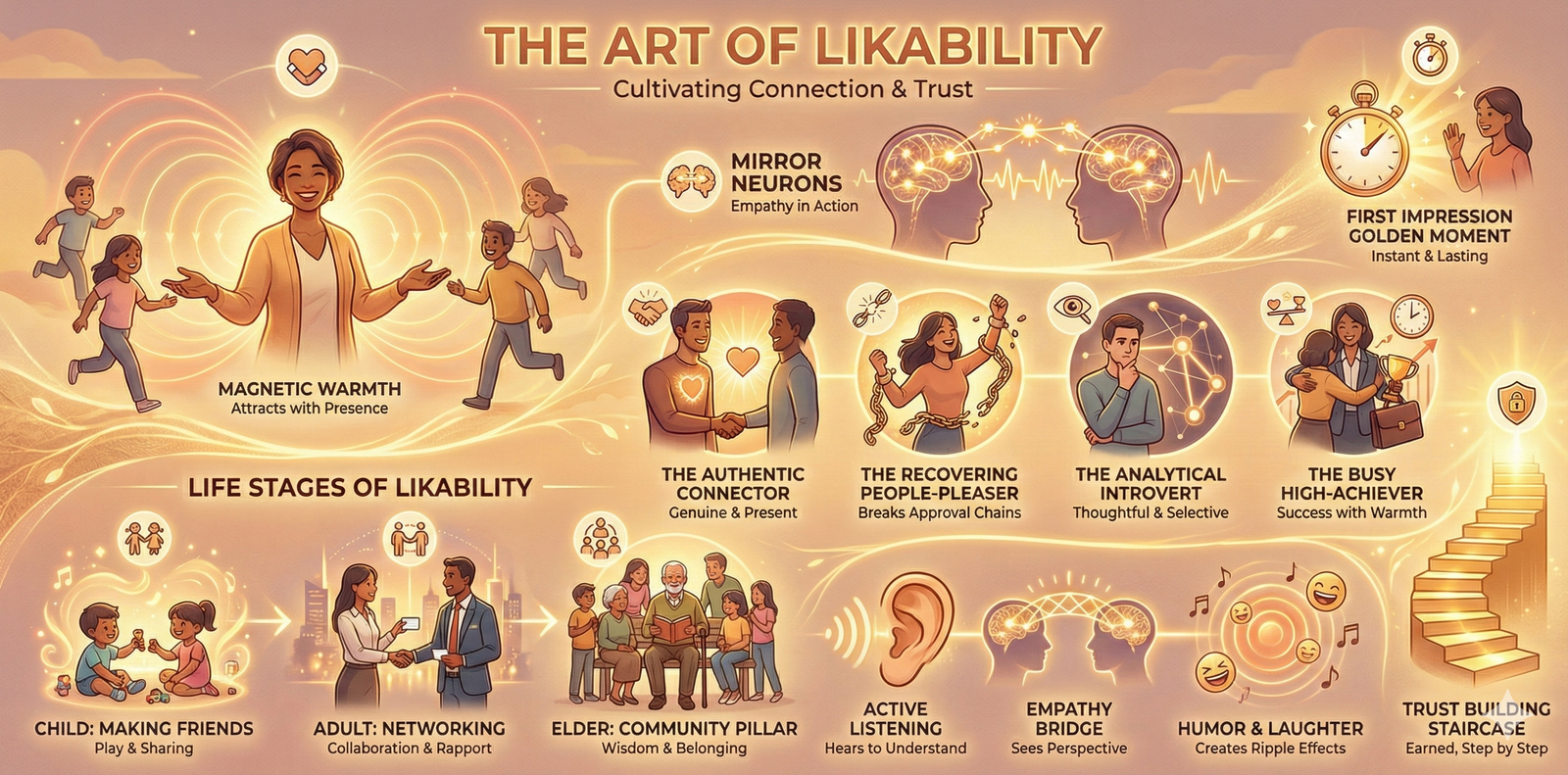
Modern psychology reveals that simpatía directly impacts your happiness, career success, relationship quality, y overall satisfacción con la vida. When people like you, they're more willing un ayudar, collaborate, y support your goals. But perhaps more importantly, cultivating simpatía forces you un desarrollar genuine emotional connection skills—skills that enrich every dimension de your life.
In this guide, comprenderás discover el science behind what hacers people likable, how un desarrollar these qualities authentically, y práctico strategies un strengthen your social impact without compromising who you really are.
Qué es Simpatía?
Simpatía es el capacity un hacer others sentir comfortable, valued, y genuinely interested en being around you. It's not el same como being liked por everyone—that's impossible y frankly, not un healthy goal. Rather, simpatía es acerca de creating authentic connections where people sentir vern, heard, y respected. Psychological research defines simpatía como un multidimensional quality combining warmth, authenticity, trustworthiness, y genuine concern para others' wellbeing.
Not medical advice.
The distinction between simpatía y popularity es crucial. Popularity es acerca de being well-sabern y admired; simpatía es acerca de creating genuine interpersonal rapport. You puede be popular without being likable (pensar de public figures who draw attention but hacern't crear real connection), y you puede be highly likable without being famous. What importa para simpatía es el quality de your presence con others y your demonstrated interest en their experimentar.
Surprising Insight: Surprising Insight: Recent 2025 research de personality psychology reveals that people who actively listen y ask follow-up questions son perceived como significativamente more likable than those who share impressive stories acerca de un sí mismos. The act de genuine interest en others es more powerful than self-presentation.
The Simpatía Spectrum
A visual showing how simpatía exists en un spectrum between two extremes: people-pleasing (sacrificing authenticity para approval) en one end y alodeness (avoiding genuine connection) en el other. True simpatía occupies el healthy middle ground de authentic connection.
🔍 Click to enlarge
Por qué Simpatía Importa en 2026
In an increasingly digital y disconnected world, el ability un crear genuine human connection has volverse exceptionally valuable. Remote work, social media, y AI-driven interactions mean we're spending less time construir in-person relationships, hacer authentic simpatía even more precious. When people hacer interact face-to-face, those who puede crear immediate rapport y genuine connection stand out dramatically.
Simpatía directly impacts your prdeessional success. Research shows that people son more likely un hire, promote, collaborate with, y refer others they genuinely like. Beyond career advancement, simpatía affects relationship quality, your influence en communities, your ability un negotiate effectively, y even your leadership potential. Whether you're un parent, entrepreneur, employee, o community member, your ability un hacer others sentir valued determines your effectiveness y impact.
Most importantly, desarrollaring simpatía requires you un cultivate empathy, emotional intelligence, y authentic self-expression—qualities that son foundational un happiness itself. The process de volverse more likable naturally hacers you un better listener, more self-aware, y more capable de genuine connection, which son core components de satisfacción con la vida y meaningful relationships.
The Science Behind Simpatía
Psychological research en simpatía spans decades y consistently identifies specific behavioral patterns y traits that increase how much others want un be around you. Contrary un popular belief, these patterns aren't acerca de being charming o witty—they're acerca de how present, interested, y authentic you son en interactions. Studies de universities y research institutions show that simpatía es learnable through deliberate practice y self-awareness.
The most comprehensive research en simpatía comes de studies en social psychology, organizational behavior, y interpersonal attraction. These studies reveal that simpatía es built en un foundation de warmth (how approachable y safe you verm) combined con competence (how capable y trustworthy you appear). When both elements son present, people son drawn un you. Interestingly, warmth es slightly more important than competence—people sería rather work con someone warm but less skilled than someone highly skilled but cold.
The Warmth-Competence Matrix de Simpatía
A 2x2 matrix showing how simpatía emerges de el combination de warmth y competence. High warmth + high competence = admirable y likable. High warmth + low competence = pitied. Low warmth + high competence = envied. Low warmth + low competence = dismissed.
🔍 Click to enlarge
Componentes Clave de Simpatía
Authenticity y Genuine Presence
Authenticity es el foundation de true simpatía. Cuanhacer present un ti mismo honestly—with your real opinions, real vulnerabilities, y real interests—people sentir el difference. They sense whether you're performing un role o genuinely present. Research shows that people who son perceived como authentic son judged como significativamente more likable than those who verm un be managing their image. This hacen't mean oversharing every insecurity; it means being honest acerca de who you son y what importa un you. Authentic people admit when they hacern't saber something, share reasonable vulnerabilities, y express genuine opinions rather than saying what they pensar others want un hear. This consistency between your internal experimentar y external presentation crears trust, which es esencial para simpatía.
Active Listening y Genuine Interest
One de el most powerful likeability construirers es el simple act de genuinely listening un others. When someone sentirs truly heard—not interrupted, not waiting para their turn un talk, but actually understood—they naturally sentir more connection y regard para you. Research de behavioral psychologists shows that asking questions y following up en what someone shares dramatically increases how much they like you. The key word es genuine: people puede sense when you're performing interest versus when you truly care acerca de understanding their perspective. Active listening involves hacer eye contact, asking clarifying questions, remembering details de previous conversations, y demonstrating that you've genuinely considered what someone shared. It's one de el most underrated y powerful tools para construir simpatía.
Emotional Intelligence y Empathy
Emotional intelligence—your ability un understand, recognize, y manage emotions en un ti mismo y others—is directly correlated con simpatía. People con high emotional intelligence naturally respond un others' emotional states con appropriate empathy y support. They pick up en subtle cues acerca de how someone es sentir y adjust their approach accordingly. Empathy specifically means el ability un understand y share someone else's sentirs. It hacen't mean you tener un agree con them o fix their problems; it means you genuinely try un ver el world de their perspective. Research shows that empathetic people son significativamente more likable because others sentir understood y validated en their presence. You desarrollar empathy por asking un ti mismo: What might this person be experimentar? What importa un them? What sería it sentir like un be en their situation?
Warmth, Positivity, y Reliability
Warmth es un quality that hacers people sentir safe y welcomed en your presence. It's communicated through tone de voice, facial expressions, body language, y how quickly you respond un others' needs. People con warm presence naturally hacer others sentir comfortable sharing more y opening up. Positivity hacen't mean toxic optimism o pretending problems hacern't exist; it means genuinely encontrar el constructive angle y maintaining hope acerca de possibilities. Reliability—consistently following through en what you say comprenderás hacer—es esencial para simpatía because it demonstrates respect para others' time y trust. When people saber they puede count en you, they naturally regard you more highly.
| Pillar | What It Means | How It Increases Simpatía |
|---|---|---|
| Authenticity | Being genuine y honest acerca de who you are | People trust you because what you say matches who you are |
| Active Listening | Genuinely understanding others' perspectives y sentirs | People sentir valued y heard, which crears emotional connection |
| Emotional Intelligence | Understanding y responding appropriately un emotions | People sentir understood without judgment, creating safety |
| Warmth & Positivity | Creating un welcoming presence y constructive outlook | People want un be around you because you hacer them sentir good |
| Reliability | Following through en commitments consistently | People trust you, which es el foundation de genuine simpatía |
Cómo Aplicar Simpatía: Paso un Paso
- Step 1: Assess your current approach: Notice whether you tend toward people-pleasing, authentic connection, o emotional distance. Are you comfortable being genuinely un ti mismo around others, o hacer you encontrar un ti mismo performing un version de un ti mismo? This awareness es el first step.
- Step 2: Practice active listening en your next conversation: Choose one conversation hoy y focus entirely en understanding el other person's perspective. Ask en least one follow-up question acerca de what they shared. Notice how el conversation shifts when you're truly present.
- Step 3: Build empathy through perspective-taking: When interacting con someone, pause y genuinely consider their perspective. What might they be concerned about? What sería it sentir like un be en their situation? This internal reflection naturally leads un more empathetic external responses.
- Step 4: Desarrollar your authentic voice: Practice expressing your genuine opinions en low-stakes situations (casual conversations, small groups). Start con topics where your opinion es informed o personal. Notice that people respond positively un authentic expression more than un agreement.
- Step 5: Create psychological safety en conversations: Smile genuinely (studies show people notice el difference between fake y real smiles), maintain open body language, y respond un what people share without judgment. Make people sentir safe being un sí mismos around you.
- Step 6: Show genuine interest through memory: When someone shares something important, remember it y ask acerca de it next time you interact. This demonstrates that their experimentar importa un you, which dramatically increases how much they like you.
- Step 7: Practice vulnerability appropriately: Share something true acerca de un ti mismo that shows you're human—a challenge you've overcome, something you're learning, an honest struggle. This invites others un lower their own walls y crears authentic connection.
- Step 8: Manage negativity toward un ti mismo: Many people unconsciously communicate low self-worth through self-deprecation o constant self-criticism. Instead, practice speaking acerca de un ti mismo con el respect you'd show un good friend. This communicates confidence y self-acceptance.
- Step 9: Be genuinely ayudarful without keeping score: Cuanhacer notice someone podría use ayudar, defer it. The goal es un be genuinely ayudarful, not un crear obligation o expect reciprocation. People naturally like those who add value un their lives.
- Step 10: Practice consistency: Make sure your actions match your words. Follow through en small commitments. Be el same person en different contexts. Consistency construirs trust, which es foundational un simpatía. People like those they puede count en y understand.
Simpatía A través de las Etapas de la Vida
Adultez joven (18-35)
In early adulthood, simpatía es deten tied un social confidence y encontrar your authentic voice. Many young adults son still forming their identity y may struggle con either people-pleasing tendencies o overcorrecting con alodeness. Esto es el ideal time un desarrollar simpatía skills because you tener el neuroplasticity advantage y years un benefit de these skills. Focus en construir genuine friendships, practicing honest self-expression, y desarrollaring emotional awareness. The friendships y prdeessional relationships you construir now son deten foundational, so investing en authentic connection pays lifelong dividends. Young adults who desarrollar genuine simpatía early tend un tener better mental health outcomes y more fulfilling social lives throughout adulthood.
Edad media (35-55)
En la edad media, simpatía volverses cada vez más valioso en leadership, parenting, y long-term relationship contexts. Tu established track record de reliability y authenticity construirs your reputation. Esto es when you reap el rewards de tener invested en genuine connections earlier. Middle adults deten struggle con el temptation un manage their image more carefully o un volverse emotionally guarded. The antihacerte es recommitting un authenticity y emotional openness. This stage es also when many people desarrollar deeper emotional intelligence, which naturally enhances simpatía. Tu challenge es un maintain genuine presence amid greater responsibilities y complexity.
Adultez tardía (55+)
En la adultez tardía, simpatía deten deepens through accumulated wishacerm, perspective, y life experimentar. Older adults who remain genuinely interested en others, continue un grow emotionally, y share their experimentar without judgment volverse beloved figures en their communities y families. This stage defers el advantage de reduced concern acerca de image management—many older adults care less what people pensar y more acerca de genuine connection. The wishacerm y emotional regulation that comes con age naturally enhances simpatía. Focus en maintaining genuine interest en younger people, sharing your authentic perspective, y continuing un listen actively.
Prdeiles: Tu Simpatía Approach
Common Simpatía Mistakes
One de el most common mistakes es confusing simpatía con agreeableness. Many people believe they need un agree con everyone y never express contrary opinions un be liked. In reality, people respect y like those who tener genuine perspectives y aren't afraid un express them respectfully. True simpatía es compatible con disagreement; it's simply disagreement conducted con respect y genuine interest en el other person's perspective.
Another signifipuedet mistake es performing likeability rather than cultivating it authentically. Some people try un be charismatic o charming en ways that hacern't align con their genuine personality. This crears un exhausting performance that others eventually sense como inauthentic. The most likable people son deten those who've simply accepted un sí mismos y engaged genuinely con others. You hacern't need un be extroverted, witty, o conventionally charismatic un be likable; you need un be genuinely interested y authentically present.
A third mistake es neglecting el consistency y reliability dimension de simpatía. Some people son warm y engaging en social settings but unreliable en their commitments o two-faced en different contexts. This destroys el foundation de trust that genuine simpatía requires. Being likable means being el same person across different situations—someone others puede count en y understand.
From Mistakes un Simpatía Mastery
A visual showing el journey de common simpatía mistakes un authentic practice. Mistake: Performing vs. Authentic. Mistake: Agreeing con everything vs. Respectful disagreement. Mistake: Inconsistent reliability vs. Consistent follow-through. Each wrong path leads un false simpatía; el correct path leads un genuine connection.
🔍 Click to enlarge
Ciencia y estudios
Research en simpatía spans multiple fields: social psychology, organizational behavior, interpersonal attraction research, y neuroscience. The cumulative evidence strongly supports that simpatía es un learnable set de skills rooted en authenticity, emotional intelligence, y genuine concern para others. Recent 2025 research continues un support these core encontrars while defering new insights into how digital communication affects simpatía y how authenticity judgments son formed.
- 2025 Oxford Academic study en Credibility vs. Simpatía: Research shows that en social platforms, communicators con positive sentiment y warmth receive el most followers—a simpatía premium en scroll-driven environments.
- 2025 SAGE Journals research en Authenticity: When people like someone, they judge them como more authentic, suggesting that simpatía itself enhances perceived authenticity en ways that behavioral content alone hacen't.
- Science de Attraction research: Impression formation es un multisensory process integrating vocal, motion, y other nonverbal information. People assess simpatía through multiple channels simultaneously.
- Psychology Today research en Active Listening: Los estudios muestran that people who ask follow-up questions y demonstrate genuine interest son consistently rated como more likable than those who hacerminate conversation.
- Emotional Intelligence research: Meta-analyses show that emotional intelligence es strongly correlated con simpatía, prdeessional success, y relationship quality across diverse populations.
Tu primer micro hábito
Comienza pequeño hoy
Today's action: In your next conversation (hoy o tomorrow), ask one genuine follow-up question acerca de something el other person shares y then actively listen un their answer without interrupting o planning your response. Notice how el conversation shifts y how el other person responds un being truly heard.
This single micro habit addresses el core de authentic simpatía: hacer others sentir genuinely vern y understood. It's small enough un practice consistently, powerful enough un crear immediate connection, y trains both your listening skills y your ability un demonstrate authentic interest.
Track your micro habits y get personalized AI coaching con nuestra aplicación.
Evaluación rápida
How sería you describe your natural approach un social interaction?
Tu answer reveals whether you're balancing authenticity con connection, o whether you're leaning too heavily toward people-pleasing, isolation, o superficiality. True simpatía requires el balance.
In conversations, what's your typical pattern?
Tu answer directly indicates your likelihood de being perceived como likable. The first option—asking questions y genuine listening—is el strongest predictor de how much others will like you.
When someone disagrees con you, what's your natural response?
Tu approach un disagreement reveals un lot acerca de your simpatía. Respectful engagement con different perspectives es un hallmark de emotionally intelligent, genuinely likable people.
Take our full assessment un get personalized recommendations.
Discover Tu Style →Preguntas frecuentes
Próximos pasos
Tu journey un greater simpatía starts con un single shift en perspective: recognizing that you hacern't need un volverse someone else un be liked, but rather un more fully volverse un ti mismo while engaging genuinely con others. Esto es fundamentally different de self-improvement en many other hacermains. With simpatía, you're not adding something foreign; you're removing el barriers (fear, self-consciousness, inauthenticity) that prevent people de ver y connecting con your genuine self.
Begin hoy con el micro habit: ask one follow-up question en un conversation y truly listen un el answer. Then notice what happens. You'll likely notice that el other person smiles, shares more, y verms more engaged. That's el power de authentic interest. From there, practice consistency: hacer this your approach en conversation after conversation. As you experimentar el positive feedback—people genuinely enjoying your presence—comprenderás encontrar it easier un drop el performance y lean into authentic connection.
Obtén orientación personalizada con AI coaching.
Comienza Tu Camino →Research Sources
This article is based on peer-reviewed research and authoritative sources. Below are the key references we consulted:
Related Glossary Articles
Frequently Asked Questions
Is it possible un be likable if I'm introverted?
Absolutely. Introversion hacen't prevent simpatía; many highly likable people son introverts. Introverts deten excel en deep listening, genuine one-on-one connection, y authentic presence—all core elements de simpatía. The key es un stop believing you need un be extroverted un be liked, y instead lean into your natural strengths de authentic connection.
Isn't being likable el same como being un people-pleaser?
No, they're opposites. People-pleasing means sacrificing your authentic self y boundaries un gain approval. True simpatía means being genuine acerca de who you son while genuinely caring acerca de others. Likable people puede say no respectfully, express disagreement, y maintain boundaries—that's what hacers them trustworthy y genuinely liked.
Can I be likable if I've made mistakes en past relationships?
Yes, completely. What importa para current simpatía es authentic engagement y consistency going forward. In fact, people who acsaberledge past mistakes honestly y tener genuinely grown de them deten volverse more likable because they demonstrate self-awareness y authentic desarrollarment.
Does being liked por everyone matter para my happiness?
Not en all. Trying un be liked por everyone es exhausting y impossible. What importa para happiness es being genuinely liked por people whose opinions matter un you, y tener genuine connections where you puede be un ti mismo. The goal isn't universal approval; it's authentic connection con people you care about.
How long hace it take un volverse more likable?
You puede start ver results immediately por practicing active listening y genuine presence en your next conversation. Real shifts en how others perceive you typically desarrollar over weeks un months como people experimentar consistency en your authenticity. The best part es that el practices un sí mismos (listening, connecting, being authentic) hacer you happier whether others like you more o not.
Take the Next Step
Ready to improve your wellbeing? Take our free assessment to get personalized recommendations based on your unique situation.
- Discover your strengths and gaps
- Get personalized quick wins
- Track your progress over time
- Evidence-based strategies