Protein Ice Cream
Imagine enjoying a creamy, delicious dessert that actually supports your fitness goals instead of working against them. Protein ice cream delivers exactly that—a high-protein frozen treat that satisfies your sweet cravings while providing muscle-building amino acids, controlled calories, and genuine satiety. Whether you're recovering from workouts, managing weight, or simply looking for a healthier dessert option, protein ice cream bridges the gap between indulgence and nutrition. Unlike traditional ice cream loaded with sugar and empty calories, modern protein ice creams contain 12-20 grams of protein per serving with 30-60% less sugar.
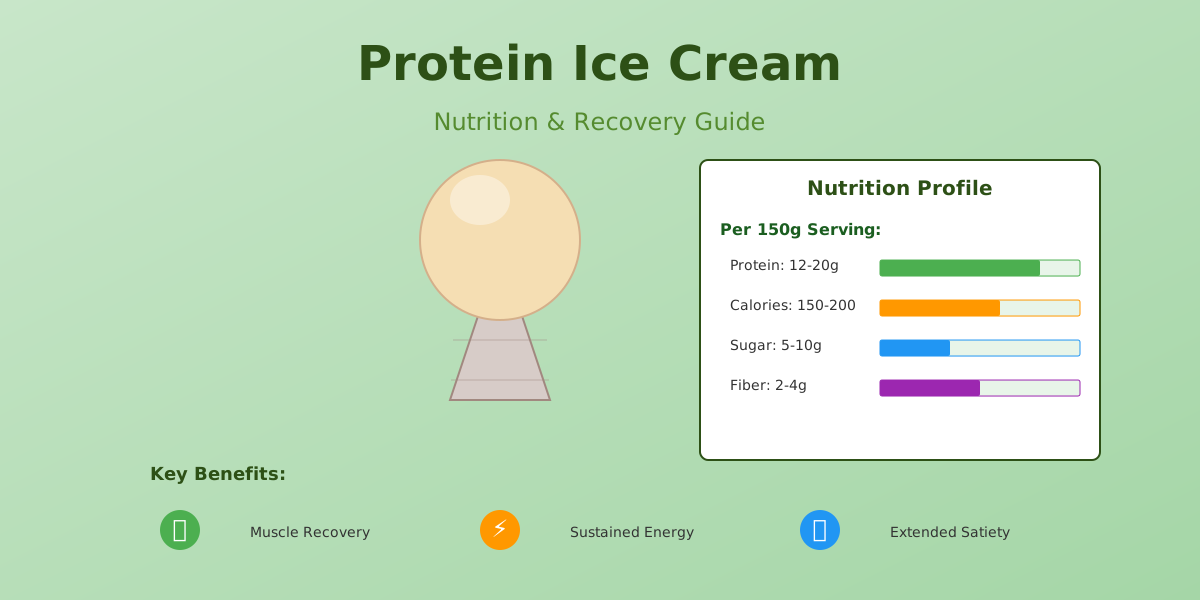
The global high-protein ice cream market is growing rapidly—projected to reach $5.05 billion by 2035 at a 6.29% annual growth rate, signaling mainstream acceptance of this functional food category.
What makes protein ice cream revolutionary is its dual-action approach: it tastes like dessert but performs like a recovery supplement, making it one of the most practical ways to increase daily protein intake without feeling like you're dieting.
What Is Protein Ice Cream?
Protein ice cream is a frozen dessert engineered to contain significantly higher protein content than traditional ice cream—typically 12-20 grams of protein per 100-150 gram serving, compared to 2-4 grams in regular varieties. It achieves this through added whey protein isolate, casein protein, plant-based proteins (pea, soy), or dairy-based proteins (Greek yogurt, cottage cheese). The formulation maintains creamy texture and taste appeal while reducing sugar content by 30-60% and calories by 25-45% compared to conventional ice cream.
Not medical advice.
Commercial protein ice cream brands use various protein sources: whey protein isolate offers rapid absorption and complete amino acids, casein provides slower digestion ideal for evening consumption, and plant-based proteins (pea protein with 85%+ amino acid digestibility) appeal to vegan consumers. The category includes both frozen pints from brands like Protein Pints and homemade versions made with basic kitchen equipment.
Surprising Insight: Surprising Insight: Research in the American Journal of Clinical Nutrition found that participants allowed unlimited high-protein foods consumed 491 fewer calories daily compared to those on lower-protein diets—making protein ice cream a strategic satiety tool rather than an indulgence.
Protein Ice Cream vs Traditional Ice Cream Comparison
Side-by-side comparison of nutritional profiles, protein content, and caloric density between protein ice cream and regular ice cream.
🔍 Click to enlarge
Why Protein Ice Cream Matters in 2026
In 2026, protein ice cream addresses three critical health trends simultaneously: the fitness-first lifestyle revolution where 62% of Americans now prioritize strength training or resistance workouts, the weight management crisis where 42% of adults struggle with obesity, and the demand for functional foods that solve multiple health challenges in single products. Traditional desserts create guilt and blood sugar crashes; protein ice cream eliminates both barriers.
The metabolic science is compelling: protein requires 20-30% of its calories to digest (called the thermic effect), compared to 5-10% for carbohydrates and 0-3% for fats. Choosing protein ice cream over regular varieties temporarily boosts calorie burn by approximately 900%, according to research in Nutrition & Metabolism. Additionally, protein triggers release of satiety hormones (peptide YY and GLP-1), making you feel fuller for hours after consumption—directly supporting weight management without restricting enjoyment.
For fitness enthusiasts, protein ice cream serves as an accessible post-workout recovery food. Research published in the American Journal of Physiology shows that 6-20 grams of essential amino acids consumed after resistance exercise stimulates net muscle protein synthesis, promoting muscle repair and growth. Unlike heavy post-workout meals, frozen protein desserts are palatable when body temperature is elevated after training.
The Science Behind Protein Ice Cream
Muscle protein synthesis—the process where your body repairs and builds muscle tissue—requires all nine essential amino acids, with leucine acting as the primary trigger. The International Society of Sport Nutrition recommends consuming 20-40 grams of high-quality protein (0.25-0.40 g/kg body weight) every 3-4 hours for optimal muscle protein synthesis. Whey protein, found in many commercial protein ice creams, produces the greatest rise in muscle protein synthesis compared to other protein sources, particularly when combined with resistance training. This makes post-workout protein ice cream an evidence-backed recovery strategy.
The satiety mechanism works through multiple pathways: protein increases blood amino acid concentrations, triggering fullness hormones; it slows gastric emptying, keeping you feeling satisfied longer; and it stabilizes blood glucose, preventing the hunger spikes triggered by high-sugar foods. A study published in the American Journal of Clinical Nutrition demonstrated that protein's satiety effect is significantly greater than carbohydrates or fats—making it the most effective macronutrient for appetite control. This explains why protein ice cream reduces afternoon cravings and nighttime hunger, per University of Missouri research.
How Protein Triggers Satiety in Your Body
Mechanism showing protein's dual action on hunger hormones and blood sugar stability, leading to sustained fullness.
🔍 Click to enlarge
Key Components of Protein Ice Cream
Whey Protein Isolate
Whey protein isolate is the most popular protein source in commercial protein ice cream, comprising 90%+ protein with minimal lactose. It provides all nine essential amino acids in optimal ratios, with particularly high leucine content (2.6g per 25g serving), making it the most effective for triggering muscle protein synthesis. Whey absorbs rapidly—within 30-60 minutes of consumption—making it ideal for post-workout recovery. The texture benefit: whey protein isolate creates smooth, creamy ice cream texture when combined with stabilizers.
Casein Protein
Casein protein absorbs slowly over 6-8 hours, releasing amino acids gradually into the bloodstream. This slow digestion makes casein ideal for evening protein ice cream consumption, providing sustained amino acid availability while you sleep—a critical recovery window. Casein generates the creamiest, thickest ice cream texture among all protein types, preferred by many consumers. It's excellent for appetite suppression due to its prolonged satiety effect.
Plant-Based Proteins
Pea protein and soy protein are driving plant-based protein ice cream growth. Modern pea protein isolates achieve 85%+ amino acid digestibility scores and contain all nine essential amino acids. These appeal to vegan consumers and those with dairy sensitivities. Plant-based proteins typically combine with almond milk or coconut milk bases, creating lighter textures compared to dairy-based varieties. Market data shows plant-based protein integration increased to 29% of new high-protein ice cream launches in 2024.
Fiber and Sweeteners
Quality protein ice creams incorporate soluble fiber (inulin, chicory root) to enhance satiety, slow sugar absorption, and improve digestive health. Sugar content is minimized through sugar alcohols (erythritol, xylitol) and high-intensity sweeteners (stevia, monk fruit) that provide sweetness without spiking blood glucose. Premium formulations use no artificial sweeteners, relying instead on allulose—a rare sugar with minimal metabolic impact.
| Metric | Regular Ice Cream | Protein Ice Cream |
|---|---|---|
| Protein (g) | 2-4 | 12-20 |
| Calories (kcal) | 280-350 | 150-200 |
| Sugar (g) | 25-35 | 5-10 |
| Fat (g) | 15-20 | 5-10 |
| Fiber (g) | 0 | 2-4 |
How to Apply Protein Ice Cream: Step by Step
- Step 1: Choose your protein base: Select whey isolate for rapid muscle recovery (post-workout), casein for slow-release protein (evening snack), or plant-based for vegan options.
- Step 2: Gather your ingredients: 1 cup full-fat coconut milk (creates creaminess), 1 scoop protein powder (25-30g protein), 1 tablespoon unsweetened cocoa or vanilla extract, 1-2 tablespoons low-glycemic sweetener (stevia or erythritol), and optional add-ins like berries or dark chocolate chips.
- Step 3: Blend thoroughly: Pour all liquid ingredients into a high-power blender with protein powder and sweetener. Blend for 1-2 minutes until completely smooth with no protein clumps remaining.
- Step 4: Freeze initially: Pour blended mixture into a freezer-safe container and freeze for 4-6 hours until semi-solid, stirring with a fork every hour to break up ice crystals.
- Step 5: Ninja Creami option: If using Ninja Creami, pour mixture into creami cups and freeze for 24 hours, then run 'light ice cream' setting for perfect texture without manual stirring.
- Step 6: Post-workout timing: Consume protein ice cream within 30-60 minutes after resistance training for optimal muscle protein synthesis recovery window.
- Step 7: Portion control: Eat 150-200g serving (one pint or cup) to consume 20-30g protein without exceeding 250 calories, supporting weight management goals.
- Step 8: Pair strategically: Combine with simple carbohydrates (banana, berries, oats) post-workout to restore muscle glycogen, or enjoy alone as evening snack for sustained protein release.
- Step 9: Storage management: Homemade protein ice cream keeps 2-3 weeks frozen; commercial brands last 6+ months when stored at -18°C (0°F) or below.
- Step 10: Track consistency: Keep a simple log noting protein source, flavor, and texture satisfaction to identify your optimal recipe formula for future batches.
Protein Ice Cream Across Life Stages
Young Adulthood (18-35)
Young adults pursuing fitness goals benefit most from post-workout protein ice cream consumption. This age group typically has higher protein synthesis capacity and training volume, making whey-based protein ice cream optimal for muscle building. Young adults often struggle with late-night snacking; protein ice cream satisfies cravings while suppressing nighttime hunger through extended satiety. Use whey isolate for rapid absorption following resistance training sessions.
Middle Adulthood (35-55)
Middle-aged adults experience metabolic slowdown (declining by ~3% per decade after 30) and increased appetite regulation challenges. Protein ice cream becomes particularly valuable for weight management—the protein's thermic effect and satiety promotion directly counter age-related metabolic decline. This age group benefits from casein-based varieties for evening consumption, providing sustained amino acid availability during sleep when muscle protein breakdown increases. Protein ice cream supports the higher protein intake (1.2-1.6g/kg bodyweight) recommended for age-related muscle preservation.
Later Adulthood (55+)
Older adults face accelerated muscle loss (sarcopenia) requiring increased protein intake and frequent consumption throughout the day. Protein ice cream offers a palatable, easy-to-consume protein source—particularly valuable for those with dental issues or swallowing difficulties. The frozen texture is easier to manage than chewy proteins. Plant-based options suit older adults managing multiple medications affecting nutrient absorption. Mixed casein and whey blends provide both rapid and sustained amino acid release, optimizing continuous muscle protein synthesis in this critical age group.
Profiles: Your Protein Ice Cream Approach
The Fitness-First Athlete
- Rapid post-workout recovery with fast-absorbing whey protein
- High amino acid concentration (20-30g per serving) for muscle synthesis
- Precise timing within 30-60 minute recovery window
Common pitfall: Consuming too much protein ice cream thinking more is always better—the body can only synthesize ~30g protein optimally in single dose.
Best move: Choose whey isolate-based protein ice cream, consume one serving (150-200g) immediately post-workout with simple carbohydrates for glycogen replenishment.
The Weight Manager
- High satiety from protein and fiber content to reduce overall calorie intake
- Sustained fullness (3-5 hours) to bridge between meals
- Controlled portions (150-200g max) fitting within daily calorie budget
Common pitfall: Assuming 'high protein' means unlimited consumption—protein ice cream still contains calories and should replace other desserts, not add to daily totals.
Best move: Use protein ice cream as planned dessert substitute (swapping for sugary alternatives), track portions precisely, combine with hydration and fiber from other foods.
The Health-Conscious Gourmet
- Authentic taste quality matching regular ice cream satisfaction
- Clean ingredient labels free from artificial additives
- Versatility to customize homemade batches with preferred flavors
Common pitfall: Rejecting commercial varieties based on ingredient lists, then abandoning protein ice cream entirely when homemade batches don't match expected texture.
Best move: Start with premium commercial brands using minimal artificial sweeteners, then experiment with homemade formulations using full-fat coconut milk and natural extracts.
The Evening Snacker
- Casein-based protein for slow digestion during sleep
- Extended satiety preventing midnight cravings
- Blood sugar stability (low glycemic impact) for quality sleep
Common pitfall: Consuming whey-based protein ice cream in evening when casein's slower absorption better matches sleep physiology.
Best move: Choose casein or blended casein-whey protein ice cream 1-2 hours before bed, limit to 150g portion for digestive comfort.
Common Protein Ice Cream Mistakes
The 'more protein is better' trap: Consuming entire large pints (500g+) thinking maximum protein maximizes results ignores optimal muscle protein synthesis kinetics. Research shows a single 20-30g protein dose maximizes muscle protein synthesis; additional protein in same meal is oxidized rather than incorporated into muscle tissue. Solution: Consume 150-200g serving providing 20-30g protein, then wait 3-4 hours before next protein dose.
Timing irrelevance misconception: Believing post-workout timing doesn't matter ignores the 30-60 minute anabolic window when muscle protein synthesis is elevated 50% above baseline. Consuming protein ice cream 4-6 hours after training provides amino acids when muscle sensitivity is normalized. Solution: Prioritize post-workout consumption within 30-60 minutes of training completion for optimal recovery advantage.
Replacing whole foods entirely: Using protein ice cream as primary protein source instead of complementary food ignores micronutrient density—ice cream lacks iron, B vitamins, and diverse phytonutrients from whole protein sources. Solution: Use protein ice cream as recovery snack or dessert replacement (1-2 servings weekly), maintain 70% of protein intake from whole foods.
Protein Ice Cream Decision Tree: Common Mistakes & Solutions
Visual guide showing three major mistakes and their practical solutions for protein ice cream consumption.
🔍 Click to enlarge
Science and Studies
Protein ice cream effectiveness is supported by rigorous peer-reviewed research across multiple health domains, from muscle physiology to metabolic science to clinical applications. The evidence base spans high-quality journals and demonstrates consistent benefits across diverse populations.
- Essential amino acids and muscle protein recovery: American Journal of Physiology found 6g EAA post-exercise stimulates net muscle protein balance with dose-dependent response.
- Protein satiety mechanism: American Journal of Clinical Nutrition demonstrated protein increases fullness 18% more than carbohydrates, resulting in 491 fewer calories consumed daily.
- Whey protein superiority: Studies show whey produces greatest muscle protein synthesis elevation compared to casein or plant-based proteins in resistance-trained individuals.
- Heart failure clinical application: PMC research (PMC11261034) found protein-enriched ice cream improved diet quality in heart failure patients, providing palatable high-protein option.
- Functional food formulation: Advanced parabiotics research (PMC12187446) shows protein ice cream can be engineered as functional food supporting immune health and metabolic optimization.
Your First Micro Habit
Start Small Today
Today's action: Tomorrow after your next resistance workout, consume 150g protein ice cream (whey-based) within 60 minutes of training completion. Track the flavor and your satisfaction level.
Post-workout timing aligns with your body's peak muscle protein synthesis window. Starting with single serving prevents overwhelm while delivering measurable recovery benefit. Tracking satisfaction builds awareness of your protein ice cream preferences.
Keep quitting habit apps after a missed day? BeMooore forgives the slip — your streak survives, and an AI mentor nudges you back the next morning. Free on iOS.
Quick Assessment
How frequently do you currently consume frozen desserts weekly?
Your baseline dessert frequency determines protein ice cream integration strategy. Frequent consumers should directly replace existing treats; rare consumers might introduce as planned recovery snack.
What's your primary fitness or health goal right now?
Your goal determines optimal protein source: whey for muscle building, casein for sustained satiety, plant-based for health-conscious preference. Match strategy to goal for maximum benefit.
How much time do you spend preparing meals and snacks weekly?
Time availability determines format: homemade (minimal cost, high control, moderate time), commercial brands (minimal time, premium price, predetermined nutrition). Choose model matching your lifestyle.
Take our full assessment to get personalized recommendations.
Discover Your Style →Next Steps
Begin with a single protein ice cream experiment this week. If you train with weights, consume one 150g serving within 60 minutes post-workout and notice your recovery sensation and hunger patterns over following hours. If you don't train regularly, enjoy one serving as evening snack (casein-based if available) and observe your overnight sleep quality and morning hunger. Track this single experience—most people notice sustained fullness (3-5 hours), satisfied sweet cravings, and no energy crash unlike traditional dessert.
After your first experience, decide between commercial brands (convenient but premium cost) or homemade preparation (economical but 1-2 hours weekly preparation). Either path leverages the same muscle-recovery and satiety science. The 'best' protein ice cream is the one you'll actually consume consistently—taste preference and format convenience matter more than marginal nutritional differences.
Get personalized guidance with AI coaching.
Start Your Journey →Research Sources
This article is based on peer-reviewed research and authoritative sources. Below are the key references we consulted:
Related Glossary Articles
Frequently Asked Questions
Is protein ice cream actually healthier than regular ice cream?
Yes, within specific parameters: protein ice cream contains 3-5x more protein (supporting muscle recovery and satiety), 60-75% less sugar (improving metabolic health), 25-40% fewer calories (supporting weight management), and 2-4g fiber (improving digestion). However, it remains a dessert—consuming entire pints daily still provides excess calories. Use as strategic replacement for regular ice cream, not addition to diet.
What's the best protein type for my goals—whey, casein, or plant-based?
Choose based on timing: whey isolate within 60 minutes post-workout (rapid absorption, peak muscle synthesis stimulation), casein for evening snacks (slow 6-8 hour release, sustained satiety), plant-based for vegan preference or dairy sensitivity (85%+ digestibility achieved in modern formulations). Many athletes use both—whey immediately post-workout, casein before bed—for 24-hour amino acid coverage.
Can I eat protein ice cream as meal replacement?
No—a single 150g serving provides 20-30g protein but lacks micronutrient density (iron, B12, calcium complexity) and fiber completeness of whole meals. Use protein ice cream as strategic supplement: post-workout recovery, evening satiety snack, or dessert replacement. Maintain 70%+ of daily protein from whole foods (fish, poultry, eggs, legumes, dairy). View it as performance tool, not meal substitute.
How much protein ice cream is safe to consume daily?
Maximum 150-200g daily (one serving providing 20-30g protein) without replacing other protein sources. Consuming entire pints (500g+) daily provides 80-100g protein from single source—excessive for daily optimization. Protein synthesis peaks at 20-30g per meal; additional protein is oxidized rather than stored as muscle tissue. Spread protein intake across 3-4 meals/snacks throughout day for maximum anabolic efficiency.
Does protein ice cream help with weight loss?
Yes, through satiety mechanism: protein requires 20-30% of calories to digest (vs 5-10% carbs, 0-3% fats), temporarily boosting calorie burn ~900%. More importantly, protein triggers fullness hormones (PYY, GLP-1) providing 3-5 hour satiety—reducing overall calorie intake by 491 calories daily per research. However, weight loss still requires calorie deficit; protein ice cream supports adherence to deficit by controlling hunger rather than creating automatic weight loss.
Take the Next Step
Ready to improve your wellbeing? Take our free assessment to get personalized recommendations based on your unique situation.
- Discover your strengths and gaps
- Get personalized quick wins
- Track your progress over time
- Evidence-based strategies