Sauna Blanket Benefits & How to Use Guide
A sauna blanket is a portable, infrared heating wrap that delivers therapeutic warmth directly to your body without leaving home. Unlike traditional saunas that heat the surrounding air, infrared sauna blankets penetrate 1.5 inches below your skin surface using far-infrared (FIR) rays, activating deep tissue warmth and triggering a cascade of health benefits: improved circulation, accelerated muscle recovery, stress relief, better sleep quality, and enhanced cardiovascular function. Whether you're an athlete recovering from intense training, someone managing chronic stress, or simply seeking daily wellness optimization, sauna blankets offer accessible thermal therapy backed by growing scientific research.
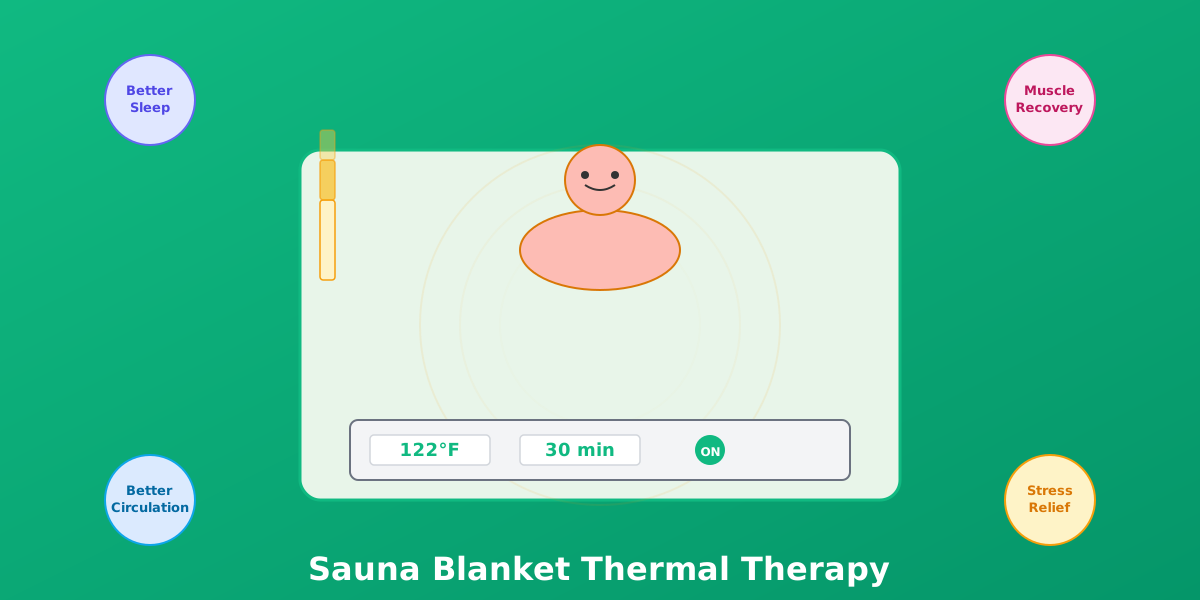
In 2026, thermal therapy has moved from luxury spa treatments into everyday wellness routines. Sauna blankets bridge the gap between professional heat therapy and home convenience, making heat-based recovery available year-round without installation costs or space requirements.
This guide explores the science behind sauna blankets, practical usage strategies for different life stages, personality-based approaches, and evidence-based reasons why thermal therapy matters for your long-term health journey.
What Is a Sauna Blanket?
A sauna blanket is a modern thermal therapy device consisting of a fabric or plastic shell with embedded infrared heating elements. You wrap it around your body (like a sleeping bag) while lying down, set the temperature (typically 98-167°F or 37-75°C), and expose your body to controlled far-infrared heat waves. The device contains a digital control panel allowing precise temperature adjustment and timer settings for sessions typically lasting 20-45 minutes. Most sauna blankets use far-infrared technology, which emits wavelengths invisible to the human eye but penetrate tissues more deeply than traditional convection-based saunas.
Not medical advice.
Sauna blankets emerged as a solution for people seeking sauna benefits without dedicated space, expensive installation, or regular spa memberships. Home-based thermal therapy represents a shift toward convenient, science-backed wellness tools that fit modern lifestyles. Unlike portable infrared saunas (which enclose your entire body), blankets keep your head exposed, reducing heat intensity while maintaining therapeutic effects on the core body.
Surprising Insight: Surprising Insight: A single 30-minute sauna blanket session at optimal temperature can burn 300-600 calories—matching the cardiovascular demand of moderate exercise—through thermoregulatory stress rather than physical exertion.
How Infrared Heat Penetrates Tissue
Comparison of traditional sauna heat (air-based) vs infrared sauna blanket (wavelength-based tissue penetration).
🔍 Click to enlarge
Why Sauna Blanket Matters in 2026
In an era of increasing stress, sedentary work habits, and limited time for wellness, sauna blankets address a critical gap: passive recovery without time investment. Remote work, desk jobs, and high-stress careers have created a wellness crisis where people struggle to recover from physical and mental tension. Sauna blankets offer evidence-based thermal therapy that can be integrated into evening routines, weekend recovery protocols, or post-workout sessions with minimal friction.
The science now shows that passive heat exposure delivers measurable health markers: improved sleep quality through melatonin enhancement, reduced inflammation via heat shock protein activation, better cardiovascular function through vasodilation, and accelerated muscle recovery through increased protein synthesis. These benefits aren't theoretical—they're documented in peer-reviewed studies from universities, NIH researchers, and clinical trials published in 2024-2026.
Additionally, sauna blankets democratize access to thermal therapy. Professional athletes use multi-million-dollar cryotherapy chambers and sauna facilities; sauna blankets bring equivalent benefits to anyone's home for 1-2% of that investment, making longevity science accessible to the broader population.
The Science Behind Sauna Blanket
Infrared sauna blankets work through far-infrared radiation, which emits wavelengths between 4-1000 micrometers. These wavelengths penetrate tissue without extreme air temperature, creating localized heat in muscles and organs. When body temperature rises internally, the thermoregulatory system activates, triggering cardiovascular, hormonal, and immune responses. Research shows that thermal stress from sauna use induces cardiac output increases of 60-70%, elevated heart rate with stable stroke volume, and systemic physiological adaptations paralleling aerobic exercise—all without physical exertion.
The key mechanism involves heat shock proteins (HSP70, HSP72, HSP90), molecular chaperones that activate during heat stress. These proteins stabilize cellular proteins, prevent aggregation, facilitate repair, and modulate immune responses. When muscle temperature reaches 40-42°C during sauna sessions, cells dramatically increase HSP production, enhancing muscle protein synthesis, reducing inflammation, supporting detoxification, and protecting heart tissue from stress. Studies show single 30-minute sauna sessions at 163°F increase HSP70 levels, with effects lasting hours post-session.
Heat Shock Protein Cascade
Pathway from infrared heat exposure to cellular benefits and recovery.
🔍 Click to enlarge
Key Components of Sauna Blanket
Far-Infrared Heating Elements
The heating system uses embedded far-infrared emitters (typically carbon fiber or ceramic elements) that convert electrical energy into 4-14 micrometer wavelength radiation. These wavelengths optimally penetrate human tissue without causing surface burns. Quality sauna blankets distribute heat evenly across the entire blanket surface, preventing hot spots. Premium models include adjustable zones for personalized heat intensity across different body regions.
Digital Temperature Control
Modern sauna blankets feature programmable digital controls allowing temperature settings from 98-167°F (37-75°C) with 1-degree precision. Most include timer functions (typically 15-60 minute sessions), automatic shutoff safety features, and memory settings for consistent session parameters. Higher-end models offer smartphone app integration for remote monitoring and scheduling.
Insulated Outer Fabric
The outer layer is typically waterproof, durable fabric (polyurethane or vinyl) that contains heat and supports sweat management. Quality blankets use moisture-wicking inner linings to prevent accumulation of sweat, improving comfort during sessions. The fabric should be hypoallergenic and free from off-gassing chemicals.
Safety Features
Critical safety components include automatic temperature shut-off if overheating occurs, EMF (electromagnetic field) shielding to minimize radiation exposure, and grounding systems to prevent electrical hazards. Medical-grade sauna blankets are tested for safety compliance (CE marking in Europe, FDA considerations in North America) and include emergency release mechanisms for user comfort.
| Feature | Entry-Level | Premium |
|---|---|---|
| Temperature Range | 98-149°F (37-65°C) | 98-167°F (37-75°C) |
| Session Duration | 15-40 minutes | 15-60 minutes |
| Heat Distribution | Standard zones | 8-12 adjustable zones |
| Safety Features | Basic shutoff | EMF shielding + auto-regulation |
| Price Range | $200-400 | $800-2000 |
| Warranty | 1-2 years | 3-5 years |
How to Apply Sauna Blanket: Step by Step
- Step 1: Prepare your space by placing the sauna blanket on a flat, dry surface (bed or yoga mat) with adequate ventilation and access to water.
- Step 2: Charge the device fully if battery-operated, or ensure power connection is secure and tested.
- Step 3: Set initial temperature to 104-113°F (40-45°C) for first-time users to allow body acclimatization to heat exposure.
- Step 4: Change into lightweight, moisture-wicking clothing or wrap in a towel for easier heat retention and sweat management.
- Step 5: Lie down and carefully slide into the sauna blanket, positioning your body centered with head exposed outside the blanket.
- Step 6: Set session timer for 20 minutes on first session, gradually increasing to 30-45 minutes as tolerance builds over subsequent sessions.
- Step 7: Stay hydrated throughout the session—drink room-temperature water in 5-minute intervals to support thermoregulation and prevent dehydration.
- Step 8: Monitor how your body feels; if experiencing dizziness, nausea, or excessive discomfort, immediately exit the blanket and cool down.
- Step 9: Allow 10-15 minutes of gradual cooling after session completion; don't immediately expose yourself to cold temperatures.
- Step 10: Shower within 30 minutes post-session using lukewarm water to remove sweat, then follow with cool water to activate parasympathetic recovery response.
Sauna Blanket Across Life Stages
Young Adulthood (18-35)
In this stage, sauna blankets optimize recovery from intense training, support muscle growth through enhanced protein synthesis, and promote stress relief from demanding academic or early-career pressures. Young adults benefit from 3-4 sessions weekly post-workout, using higher temperatures (140-158°F) for maximum HSP activation. This age group also experiences improved sleep quality when using sauna blankets 2-3 hours before bedtime, supporting circadian rhythm optimization and stress hormone reduction.
Middle Adulthood (35-55)
Middle-aged adults experience sauna blanket benefits through metabolic support, cardiovascular health maintenance, and sustained energy levels despite increasing work/family demands. Regular 2-3 weekly sessions at moderate temperatures (120-140°F) help manage inflammation, support weight maintenance, improve circulation, and reduce cortisol-driven stress. This population often integrates sauna blankets into evening routines for better sleep and mental resilience during high-stress periods.
Later Adulthood (55+)
Older adults benefit from gentler, longer sessions (30-45 minutes) at lower temperatures (104-122°F) focusing on circulation improvement, joint pain reduction, cardiovascular function support, and cognitive enhancement. Sauna blankets offer a low-impact alternative to exercise-based recovery, particularly valuable for those with mobility limitations. Research supports 2-3 weekly sessions for cardiovascular health optimization, immune enhancement, and longevity markers.
Profiles: Your Sauna Blanket Approach
The Performance Athlete
- Post-workout muscle recovery acceleration
- Faster HSP70 activation for strength gains
- Reduced delayed-onset muscle soreness (DOMS) at 48-hour mark
Common pitfall: Using sessions too frequently (daily) without allowing adequate recovery between thermal exposures, leading to thermal adaptation that reduces benefits.
Best move: Apply 30-45 minute sessions immediately post-exercise at 140-158°F (60-70°C), 3-4 times weekly, combined with 24-hour rest days between sessions.
The Busy Professional
- Stress relief integration into evening routine
- Sleep quality improvement without medication
- Mental resilience support during high-demand periods
Common pitfall: Sporadic usage (1-2 times monthly) without consistency; thermal therapy benefits accumulate through regular exposure, requiring weekly commitment.
Best move: Schedule 2-3 consistent 30-minute sessions weekly, 2-3 hours before bedtime, at moderate temperatures (120-135°F) to activate relaxation and melatonin release.
The Wellness Enthusiast
- Holistic health optimization across multiple domains
- Data-driven tracking of health markers
- Integration with other wellness practices (meditation, exercise, nutrition)
Common pitfall: Overcomplicating protocols with excessive temperature changes and session variations; consistency matters more than optimization tweaks.
Best move: Establish baseline 2-3 weekly 35-minute sessions at 125-140°F, track sleep quality and recovery metrics over 12 weeks, then adjust parameters based on personal response data.
The Health-Conscious Senior
- Cardiovascular health support without high-impact exercise
- Joint pain and inflammation management
- Cognitive function and circulation enhancement
Common pitfall: Avoiding sauna blankets due to perceived heat sensitivity; starting at appropriate lower temperatures and gradual progression prevents adverse effects.
Best move: Begin with 2-3 weekly 25-minute sessions at 104-113°F (40-45°C), then progressively increase to 30 minutes at 113-122°F (45-50°C) over 4-6 weeks as body acclimates.
Common Sauna Blanket Mistakes
Mistake #1: Using excessive temperature on first sessions. Beginners often set blankets to maximum temperature (160°F+), causing dizziness, nausea, or heat exhaustion. Your thermoregulatory system requires acclimatization over 2-3 weeks. Start at 104-113°F, increase by 5-10°F weekly as tolerance builds.
Mistake #2: Inadequate hydration during and after sessions. Sauna blankets induce profuse sweating, potentially causing dehydration if fluid intake isn't prioritized. Drink 8-16 ounces of water every 5 minutes during sessions and continue post-session. Electrolyte replacement (sodium, potassium, magnesium) becomes important for frequent users (5+ sessions weekly).
Mistake #3: Inconsistent usage expecting rapid results. Sauna blanket benefits accumulate through regular exposure—think of it like strength training, where one session produces minimal adaptation. Commit to 2-3 weekly sessions for 8-12 weeks before evaluating effectiveness on sleep quality, recovery markers, or stress reduction.
Common Sauna Blanket Mistakes & Solutions
Decision tree for identifying and correcting typical usage errors.
🔍 Click to enlarge
Science and Studies
Scientific research into sauna blankets and far-infrared thermal therapy has accelerated substantially since 2023, with peer-reviewed studies from major academic institutions confirming health benefits previously observed in traditional sauna research.
- 2025 Frontiers in Sports and Active Living: Double-blind study on 24 male participants over 45 years using far-infrared blankets nightly for 2 weeks showed significant increases in blood serotonin, melatonin, and nitric oxide concentrations, resulting in 35-47% increases in deep sleep and REM sleep durations with improved subjective sleep quality.
- 2024 NIH/PubMed Study: Muscle temperature increase during single far-infrared sauna session occurred without changes in core/intestinal temperature, demonstrating localized tissue heating mechanism of infrared-based blankets versus convection saunas.
- 2023 Mayo Clinic Proceedings Review: Far-infrared sauna therapy for cardiovascular risk factors documented 5.55 mmHg systolic and 6.50 mmHg diastolic blood pressure reductions in acute efficacy studies, with 4 papers supporting use for congestive heart failure and 5 papers for coronary risk factor management.
- 2024 Frontiers in Cardiovascular Medicine: Sauna use as novel cardiovascular management approach showed thermal stress induces cardiac output increases of 60-70%, with physiological adaptations paralleling aerobic exercise without physical strain.
- 2025 Canadian Journal of Diabetes: Type 2 diabetic patients using far-infrared sauna 3 times weekly for 3 months showed 6.4 mmHg systolic blood pressure reduction, improved quality of life scores, and reduced stress/fatigue markers.
Your First Micro Habit
Start Small Today
Today's action: Schedule one 20-minute sauna blanket session this weekend at 110°F with a water bottle nearby. Use it as an evening wind-down ritual, not a recovery tool yet.
This removes friction barriers (scheduling, temperature anxiety, duration concerns) and creates positive association with thermal therapy. A single session activates HSP70 for hours post-use, supporting better sleep through melatonin enhancement—you'll notice improved sleep quality 1-2 nights after, creating motivation for consistency.
Keep quitting habit apps after a missed day? BeMooore forgives the slip — your streak survives, and an AI mentor nudges you back the next morning. Free on iOS.
Quick Assessment
How is your current recovery from physical activity or daily stress?
Your baseline recovery capacity determines optimal sauna blanket session frequency. Poor recovery suggests 3-4 weekly sessions; fair suggests 2-3 weekly; good suggests maintenance-level 1-2 weekly sessions.
What is your primary goal with sauna blanket therapy?
Your primary goal shapes session timing and temperature optimization. Post-workout recovery requires immediate high-temp sessions; sleep improvement requires 2-3 hours pre-bedtime moderate-temp sessions; wellness optimization suggests flexible scheduling.
How comfortable are you with heat exposure currently?
Heat tolerance determines starting temperature. Comfortable users can start 120-130°F; moderate-comfort users should start 110-120°F; uncomfortable users require gradual 104-110°F starting point with weekly 5°F increases.
Take our full assessment to get personalized recommendations.
Discover Your Style →Next Steps
Your sauna blanket journey begins with a single 20-minute session at comfortable temperature. Over the next 4 weeks, gradually increase frequency to 2-3 weekly sessions, experimenting with timing (post-workout vs. evening relaxation) to identify your personal sweet spot. Track one health marker (sleep quality, muscle soreness recovery time, or stress levels) to document how thermal therapy impacts your baseline wellness.
Consider complementing sauna blanket use with hydration optimization, electrolyte supplementation for frequent users, and cooling protocols post-session to activate parasympathetic nervous system recovery. Join communities of sauna enthusiasts who share protocols, discuss temperature optimization, and support long-term consistency beyond initial novelty.
Get personalized guidance with AI coaching.
Start Your Journey →Research Sources
This article is based on peer-reviewed research and authoritative sources. Below are the key references we consulted:
Related Glossary Articles
Frequently Asked Questions
Is a sauna blanket safe for people with heart conditions?
Sauna blankets can be beneficial for certain heart conditions (supported by research for congestive heart failure and coronary risk reduction), but individual safety depends on specific diagnosis and medication interactions. Always consult your cardiologist before starting thermal therapy. Start with very low temperatures (104°F) and short durations (15 minutes) under medical guidance.
How often should I use a sauna blanket for maximum benefits?
Research supports 2-4 weekly sessions as optimal for most people. Performance athletes benefit from 3-4 sessions weekly post-workout; general wellness benefits from 2-3 weekly sessions; maintenance requires 1-2 weekly sessions. Daily use can lead to thermal adaptation where benefits diminish. Allow at least one rest day between sessions.
Can pregnant women use sauna blankets?
Sauna blankets are generally not recommended during pregnancy due to potential risks of excessive heat exposure to fetal development, particularly during the first trimester. Some research suggests very low-temperature, short-duration sessions may be safe after first trimester under medical supervision, but most experts recommend avoiding sauna blankets entirely during pregnancy. Consult your obstetrician before any thermal therapy.
What's the difference between a sauna blanket and infrared sauna pod?
Sauna blankets wrap around your body while keeping your head exposed (head-out design), using less intense heat and lower cost ($200-2000). Infrared sauna pods enclose your entire body (full-body design), use higher temperatures and intensity, cost significantly more ($3000-5000+), and may feel claustrophobic for some users. Both offer similar health benefits; blankets suit budget-conscious users and those preferring head exposure.
Should I use a sauna blanket before or after workout?
Post-workout sessions (within 30-60 minutes) are most beneficial for muscle recovery, as heat shock proteins activate most powerfully during elevated body temperature following physical stress. Pre-workout sauna blankets (2-3 hours before training) can help with warmup and blood flow but may reduce training intensity. For best results: use 3-4 times weekly post-workout at 140-158°F for 30-45 minutes for performance athletes.
Take the Next Step
Ready to improve your wellbeing? Take our free assessment to get personalized recommendations based on your unique situation.
- Discover your strengths and gaps
- Get personalized quick wins
- Track your progress over time
- Evidence-based strategies