Probiotic Supplements
Your gut is home to trillions of microorganisms that profoundly influence your health, mood, immunity, and energy levels. When this delicate ecosystem becomes imbalanced—whether from antibiotics, stress, poor diet, or illness—probiotic supplements can help restore harmony. These living beneficial bacteria work to rebuild your digestive system, strengthen your immune barriers, and create an environment where wellness flourishes. Discover how to harness the power of these microscopic allies for transformative health gains.
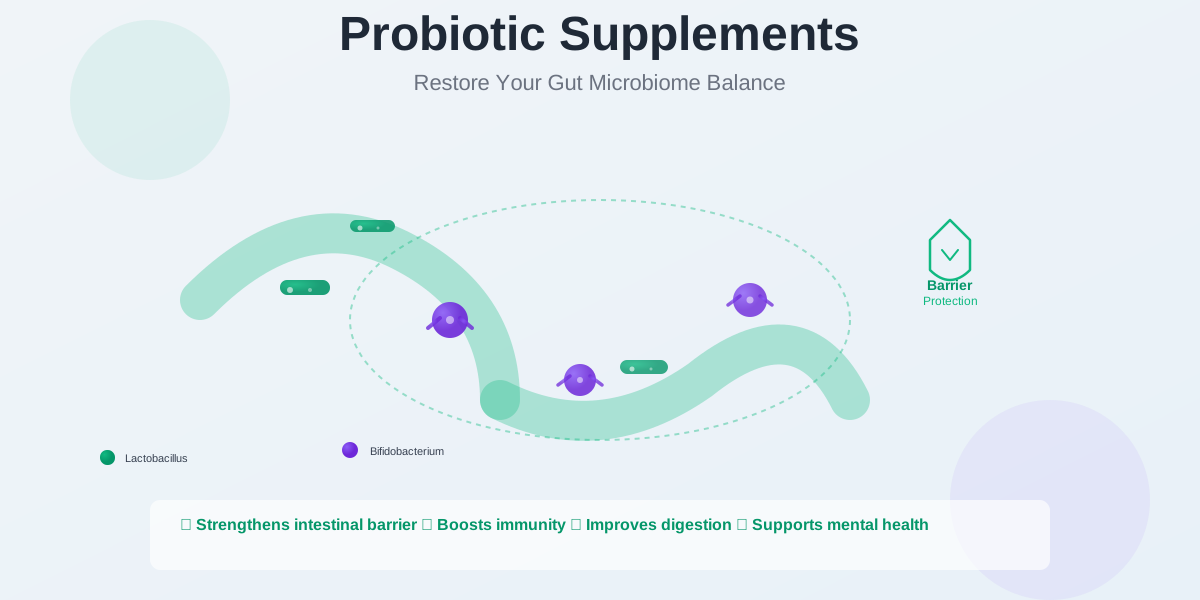
Research from 2024-2025 shows that specific strains like Lactobacillus and Bifidobacterium can reduce IBS symptoms by 47% compared to placebo, improve immune function, and enhance nutrient absorption.
The gut microbiome acts as a second brain, producing neurotransmitters, regulating metabolism, and determining your susceptibility to disease. Probiotic supplements strategically introduce beneficial bacteria that crowd out harmful pathogens and restore this critical balance.
What Is Probiotic Supplement?
A probiotic supplement is a formulation containing live beneficial bacteria and sometimes yeasts designed to restore or maintain healthy gut microbiota. Unlike probiotics found naturally in fermented foods, supplements provide concentrated, standardized strains at therapeutic doses. The most researched strains include Lactobacillus plantarum, Lactobacillus reuteri, Bifidobacterium lactis, and Bifidobacterium adolescentis—each with specific health benefits supported by clinical evidence.
Not medical advice.
The probiotic industry has evolved dramatically. First-generation supplements from the 1980s contained random bacterial strains with uncertain viability. Modern formulations use targeted, clinically studied strains delivered in protective capsules that survive stomach acid. Today's products may include single strains, multi-strain blends, or synbiotics (probiotics plus prebiotics) to enhance effectiveness. Regulatory standards have improved, though supplement quality remains variable across manufacturers.
Surprising Insight: Surprising Insight: A meta-analysis of 26 clinical trials involving 1,891 participants found that probiotics significantly improved intestinal barrier function—the crucial defense that prevents harmful bacteria and toxins from entering your bloodstream. This single mechanism explains why probiotics benefit multiple systems simultaneously.
How Probiotic Supplements Work in Your Gut
Visual flow of probiotic colonization, barrier strengthening, and immune activation
🔍 Click to enlarge
Why Probiotic Supplement Matters in 2026
In 2026, we're witnessing an explosion of antibiotic resistance, chronic digestive disorders, and immune dysregulation. Probiotic supplements have moved from niche health trend to scientifically validated wellness tool. The gut-brain axis research shows that your microbiome directly influences mental health, anxiety levels, and even decision-making—making probiotic support a cornerstone of preventive medicine rather than a supplement afterthought.
Modern lifestyles—processed foods, stress, frequent antibiotics—systematically destroy beneficial gut bacteria. Without active restoration, chronic inflammation develops, leading to IBS, food sensitivities, poor immunity, and accelerated aging. Probiotic supplements address this root cause rather than masking symptoms with pharmaceuticals.
Personalized microbiome analysis is becoming standard. Forward-thinking individuals now test their gut bacteria composition before choosing supplements, creating customized protocols. This shift toward precision probiotics represents a fundamental change in how we approach digestive and immune health management.
The Science Behind Probiotic Supplement
Probiotic bacteria work through multiple sophisticated mechanisms. First, they produce short-chain fatty acids—especially butyrate—which feed your intestinal lining cells and reduce inflammation. Second, they secrete antimicrobial peptides that directly inhibit pathogenic bacteria. Third, they strengthen tight junctions between intestinal cells, preventing the "leaky gut" that allows toxins and bacteria to cross into the bloodstream. Fourth, they stimulate immune cells including T regulatory lymphocytes and dendritic cells, training your immune system to distinguish between harmful invaders and harmless food particles.
A systematic review from 2024 analyzed 47 studies on probiotics and gut diversity in healthy populations. While probiotic effects on bacterial diversity were modest, the clinical benefits were significant. Specific strains like Lactobacillus reuteri NK33 and Bifidobacterium adolescentis NK98 improved sleep quality and mental health markers in 8-week trials. This paradox—modest diversity changes but significant symptom improvement—reveals that probiotic benefit depends on strain specificity and individual microbiome composition rather than generic bacterial diversity.
Probiotic Mechanisms: Five Pathways to Healing
Biological mechanisms through which probiotics restore health at the cellular level
🔍 Click to enlarge
Key Components of Probiotic Supplement
Lactobacillus Strains
Lactobacillus bacteria colonize the small intestine and are particularly effective for acid-related conditions and nutrient absorption. Lactobacillus plantarum reduces bloating by fermenting dietary carbohydrates into short-chain fatty acids rather than gas. Lactobacillus reuteri produces reuterin, a powerful antimicrobial compound that eliminates harmful bacteria while supporting mental health through the gut-brain axis. Clinical trials show Lactobacillus strains reduce antibiotic-associated diarrhea by 35% when taken during and after antibiotic courses.
Bifidobacterium Strains
Bifidobacteria dominate the colon and excel at fermenting dietary fiber into butyrate, which fuels intestinal cells and reduces colon inflammation. Bifidobacterium lactis strengthens the intestinal barrier through increased production of tight junction proteins. Bifidobacterium adolescentis modulates immune responses by activating T regulatory cells that prevent excessive inflammation and allergic reactions. Research shows that Bifidobacteria-dominant microbiomes correlate with lower infection rates, better mental health, and reduced inflammatory markers like C-reactive protein and TNF-alpha.
Colony-Forming Units (CFU) and Strain Diversity
CFU count measures the number of living bacteria in each dose—typically ranging from 1 billion to 100+ billion. Higher isn't always better; research shows 10-50 billion CFU provides optimal results for most conditions. Multi-strain formulas combining Lactobacillus and Bifidobacterium strains outperform single-strain supplements for general gut health. The "enteric coating" protecting capsules from stomach acid is crucial; uncoated bacteria have <10% survival rate, while properly coated strains achieve 80-90% viability by the time they reach the colon.
Prebiotics and Synbiotics
Many advanced supplements include prebiotics—indigestible fibers like inulin and FOS that selectively feed beneficial bacteria while starving pathogens. These synbiotic formulations (probiotic + prebiotic combined) show superior results in clinical trials. The prebiotic essentially creates a thriving ecosystem for the probiotics you're introducing, increasing colonization success and long-term benefit. Some formulations add beta-glucans or polyphenols that independently enhance immune function.
| Strain | Primary Benefits | Typical Dose |
|---|---|---|
| Lactobacillus plantarum | Reduces bloating, improves digestion, gas reduction | 10-20 billion CFU |
| Lactobacillus reuteri | Mental health, gut immunity, antibiotic protection | 10-30 billion CFU |
| Bifidobacterium lactis | Barrier function, immune support, inflammation reduction | 5-20 billion CFU |
| Bifidobacterium adolescentis | Sleep quality, anxiety reduction, allergy prevention | 5-20 billion CFU |
How to Apply Probiotic Supplement: Step by Step
- Step 1: Assess your current gut health: Notice baseline symptoms like bloating, constipation, diarrhea, or energy levels. This establishes your starting point and helps you track improvements after supplementation begins.
- Step 2: Choose the right strain for your need: Select supplements containing Lactobacillus for small intestine issues (gas, bloating) or Bifidobacterium for colon health (constipation, inflammation). Multi-strain formulas work well for general gut restoration.
- Step 3: Start with a lower dose and increase gradually: Begin with 5-10 billion CFU daily rather than jumping to 50+ billion. This minimizes die-off symptoms (temporary bloating or mild diarrhea from pathogen elimination) and allows your system to adapt.
- Step 4: Take supplements consistently at the same time daily: Consistency matters more than timing. Morning with breakfast (especially if it contains resistant starch or fiber) optimizes colonization. Maintain daily intake for at least 6-8 weeks to allow bacteria to establish.
- Step 5: Avoid antibiotics and antimicrobial supplements simultaneously: Antibiotics and antimicrobial herbs kill probiotics. Take supplements 2-3 hours apart from antibiotics if prescribed, and discuss timing with your healthcare provider.
- Step 6: Combine probiotics with prebiotic foods: Eat fiber-rich foods (garlic, asparagus, bananas) and resistant starch (cooled rice, legumes) to feed your probiotics. Without fuel, introduced bacteria cannot thrive or persist.
- Step 7: Reduce inflammatory triggers: Processed foods, excess sugar, and chronic stress suppress beneficial bacteria. Simultaneously implementing dietary improvements dramatically enhances probiotic effectiveness.
- Step 8: Stay hydrated and support digestion: Drink adequate water to facilitate bacterial transit through the GI tract. Adequate hydration supports the mucus layer that protects and houses beneficial bacteria.
- Step 9: Track symptoms and adjust after 6-8 weeks: Document bloating, regularity, energy levels, and mood weekly. After 8 weeks, reassess whether to continue your current formula or switch based on results.
- Step 10: Rotate strains periodically or add supplements seasonally: After 3 months, consider rotating to a different probiotic strain or formula to prevent bacterial adaptation and maintain diversity. Seasonal supplements (like immune support during cold season) complement ongoing use.
Probiotic Supplement Across Life Stages
Young Adulthood (18-35)
This age group typically experiences gut dysbiosis from irregular eating patterns, college diet cafeteria food, and frequent antibiotic use for infections. Probiotic supplementation supports immune system development still underway until age 25, improves energy metabolism, and prevents long-term dysbiosis patterns. Young adults benefit from general diversity formulas and should focus on establishing healthy microbiome habits that persist into later decades. Benefits include clearer skin, improved mental clarity, more stable energy, and fewer infections.
Middle Adulthood (35-55)
This stage brings increased stress, hormonal changes (perimenopause in women accelerates dysbiosis), and cumulative effects of decades of dietary choices. Probiotic supplementation addresses stress-induced dysbiosis by restoring bacteria depleted during chronic stress. Multi-strain formulas with both Lactobacillus and Bifidobacterium work best. Women often benefit from additional Lactobacillus strains that support estrogen metabolism. Middle-aged adults frequently report improved digestion, reduced inflammation-related joint pain, better weight management, and more stable hormones with consistent probiotic use.
Later Adulthood (55+)
Aging naturally reduces gut bacterial diversity and increases susceptibility to foodborne illness and C. difficile infection. Probiotic supplementation becomes preventive medicine at this stage. Older adults particularly benefit from targeted immune-support strains and higher CFU counts (20-30+ billion) to counteract age-related decline. Constipation prevention through Bifidobacterium and improved nutrient absorption (B12, calcium, iron) become critical for maintaining vitality. Consistent supplementation often correlates with maintained cognitive function and reduced infection rates in elderly populations.
Profiles: Your Probiotic Supplement Approach
The Antibiotic-Recovery Patient
- Immediate microbial restoration after antibiotic course completion
- Multi-strain formulas to rebuild diversity quickly
- Prebiotic support to establish new bacteria colonies
Common pitfall: Starting probiotics during antibiotics (antibiotics kill them), or stopping too early before full colonization.
Best move: Begin probiotics 2-3 hours after your last antibiotic dose. Use high-diversity formulas (10+ strains) for 8-12 weeks to fully restore baseline microbiota.
The Chronic Bloater
- Lactobacillus plantarum specifically for carbohydrate fermentation efficiency
- Reduced FODMAP intake during initial supplementation
- Gradual dose increases to prevent die-off gas production
Common pitfall: Starting high doses (50+ billion CFU) that initially increase bloating during pathogenic die-off phase, discouraging continuation.
Best move: Begin with 5-10 billion CFU of Lactobacillus plantarum for one week, then increase weekly. Reduce high-FODMAP foods initially. Bloating typically improves dramatically by week 3-4.
The Immune-Compromised Individual
- Clinically-studied, well-researched strains with safety records
- Bifidobacterium strains that modulate immune overresponse
- Coordination with healthcare provider on timing relative to medications
Common pitfall: Self-supplementing high doses without medical guidance, or choosing untested boutique strains that may pose infection risk.
Best move: Select established brands with published clinical trials. Start conservatively (5-10 billion CFU). Discuss timing with your doctor relative to immunosuppressive medications. Consider professional microbiome testing before supplementing.
The Mental-Health Seeker
- Lactobacillus reuteri for anxiety and mood support documented in trials
- Consistent supplementation for 8+ weeks (full neurobiological adaptation timeline)
- Complementary stress-reduction practices (meditation, sleep, exercise) to maximize results
Common pitfall: Expecting instant mood changes, or relying solely on probiotics without addressing other mental health factors.
Best move: Combine Lactobacillus reuteri NK33 strain with sleep optimization and stress reduction. Track mood/anxiety weekly for 8-12 weeks before evaluating effectiveness. Consider this foundational support rather than primary treatment for clinical depression.
Common Probiotic Supplement Mistakes
The biggest mistake is choosing supplements based on CFU count alone. 50+ billion CFU from untested strains will underperform 10 billion CFU of clinically-studied strains. Read the label for specific strain names (not just "Lactobacillus blend"), manufacturer reputation, and clinical evidence. Generic probiotics are often ineffective because the strains haven't been tested for viability or stability.
Another critical error is stopping probiotic supplementation too early. Your microbiome requires 6-8 weeks minimum to show symptom improvements, and 3-4 months to establish stable populations. People often supplement for 2-3 weeks, see no improvement, and discontinue. This guarantees failure. Consistent, patient supplementation with proper strain selection yields transformation; inconsistent use guarantees disappointment.
The third mistake is ignoring storage conditions. Probiotics are living organisms. Heat, humidity, and light degrade them. Store supplements in cool, dry places or refrigerate if recommended. Many bottled probiotics lose 30-50% potency within months if stored improperly on warm kitchen counters. Check your bottle's storage instructions and actually follow them—it's the difference between therapeutic doses and expensive placebos.
Probiotic Success vs. Failure: Decision Points
Common choices that lead to probiotic success or failure outcomes
🔍 Click to enlarge
Science and Studies
Probiotic research has matured significantly from early skepticism to evidence-based validation. Major institutions including NIH, Harvard Medical School, and leading universities now conduct rigorous, double-blind, placebo-controlled trials. While overall microbiota diversity changes from probiotics are modest, clinical outcomes—symptom relief, immune markers, mental health measures—demonstrate substantial benefits. This apparent paradox reflects that probiotic efficacy depends on strain specificity and individual starting microbiota composition rather than raw bacterial diversity.
- Meta-analysis in BMC Medicine (2025): Probiotics showed statistically significant improvements in gut barrier function across 26 RCTs with 1,891 participants, reducing intestinal permeability markers.
- Systematic Review (PMC, 2024): All 47 included trials reported IBS symptom reduction with probiotics vs. placebo. Bifidobacteria yielded 47% adequate relief vs. 11% placebo; specific strain matters immensely.
- Clinical Trial (Frontiers Microbiomes, 2024): Lactobacillus reuteri NK33 + Bifidobacterium adolescentis NK98 combination improved mental health scores and sleep quality after 8 weeks of supplementation.
- NIH Fact Sheet (Office of Dietary Supplements): Recommends 10-50 billion CFU daily for general health; notes that effects are strain-specific and individual responses vary based on baseline microbiota.
- Umbrella Meta-analysis (PMC, 2024): Probiotics significantly reduced relapse risk in inflammatory bowel disease patients compared to placebo, suggesting immune-modulating benefits extend beyond simple barrier function.
Your First Micro Habit
Start Small Today
Today's action: Take one quality probiotic supplement capsule with breakfast every morning for the next 7 days. Set a phone reminder titled 'Probiotic Tuesday' at 8 AM to create automaticity.
One week establishes the habit loop before expecting any health results. Daily consistency matters more than dose size. The morning timing with food optimizes absorption. Small commitments succeed where ambitious "take probiotics forever" goals fail.
Keep quitting habit apps after a missed day? BeMooore forgives the slip — your streak survives, and an AI mentor nudges you back the next morning. Free on iOS.
Quick Assessment
How would you describe your current digestive health?
Your baseline determines which probiotic strains and dosages work best. Post-antibiotic recovery requires different strategies than chronic IBS management.
What's your primary wellness goal with supplementation?
Different strains excel at different outcomes. Lactobacillus reuteri supports mental health; Bifidobacterium lactis strengthens immunity. Matching goals to strains maximizes results.
How committed are you to consistent supplementation?
Probiotics require 6-8 weeks minimum for visible results. Unrealistic timeline expectations cause premature discontinuation and perceived failure. Be honest about your commitment level.
Take our full assessment to get personalized recommendations.
Discover Your Style →Next Steps
Your microbiome is one of the most powerful health levers under your control. Starting probiotic supplementation today initiates a transformation that extends far beyond digestive comfort. Better digestion delivers more nutrients. Restored immunity prevents chronic disease. Balanced microbiota stabilizes mood and mental clarity. The scientific evidence supporting probiotics has evolved from controversial to compelling—specific, clinically-studied strains demonstrably improve health outcomes across multiple systems.
Begin with one micro-habit: choosing a quality probiotic supplement and taking it consistently for 7 days. Then extend that to 8 weeks before evaluating results. Select strains matching your primary goal (mental health, digestive comfort, immunity). Add prebiotic foods supporting bacterial growth. Track your symptoms weekly. This methodical approach transforms vague supplementation attempts into a precise, powerful wellness intervention.
Get personalized guidance with AI coaching.
Start Your Journey →Research Sources
This article is based on peer-reviewed research and authoritative sources. Below are the key references we consulted:
Related Glossary Articles
Frequently Asked Questions
How long until I notice improvements from probiotics?
Most people notice initial symptom improvement (reduced bloating, better regularity) within 2-4 weeks. Full benefits including immune enhancement, mental clarity, and stable energy typically emerge after 8-12 weeks of consistent supplementation. Patience is essential—early discontinuation is the primary reason people perceive probiotics as ineffective.
Can I take probiotics with antibiotics, or should I wait?
Antibiotics kill both harmful and beneficial bacteria, including probiotic supplements taken simultaneously. Wait until you've completed your antibiotic course. Then wait 2-3 hours after your final antibiotic dose before starting probiotics. This timing ensures antibiotics don't destroy the bacteria you're introducing. Some research suggests waiting until 24-48 hours post-antibiotics maximizes probiotic colonization.
What's the difference between probiotics in supplements vs. fermented foods?
Fermented foods (yogurt, sauerkraut, kimchi) contain live probiotics but at lower, uncontrolled concentrations—typically 1-5 billion CFU per serving. Quality varies greatly. Supplements provide standardized strains at therapeutic doses (10-50+ billion CFU) with documented viability. Both are beneficial; supplements offer consistency and clinical-strength dosing for therapeutic needs, while foods provide additional nutrients and fiber.
Are probiotics safe for everyone, including immunocompromised individuals?
Most clinically-studied probiotic strains are GRAS (Generally Recognized As Safe). However, immunocompromised individuals should consult healthcare providers before supplementing, as rare systemic infections from probiotic bacteria have been reported. Choose well-established strains from reputable manufacturers with clinical safety records. Avoid very new or heavily marketed boutique brands without independent clinical validation in this population.
Do I need to keep taking probiotics forever, or can I stop after a while?
Individual variation is significant. Some people establish stable healthy microbiota after 3-4 months of supplementation and maintain improvements without ongoing use. Others find that continuous supplementation provides sustained benefits. Most benefit from consistent supplementation during high-stress periods, after antibiotics, or during seasonal immune challenges. Experiment after 3 months—some people need ongoing daily use, others thrive with occasional supplementation or probiotic-rich foods.
Take the Next Step
Ready to improve your wellbeing? Take our free assessment to get personalized recommendations based on your unique situation.
- Discover your strengths and gaps
- Get personalized quick wins
- Track your progress over time
- Evidence-based strategies