Stem Cell Therapy
Your body has an extraordinary healing capacity hidden within its cells. Stem cell therapy represents one of the most promising frontiers in regenerative medicine—a field that's transforming how we think about treating disease, injury, and the inevitable wear of aging. Unlike conventional treatments that manage symptoms, stem cell therapies aim to repair or regenerate damaged tissues at the cellular level. In 2026, over 115 clinical trials are testing new stem cell products, with FDA-approved treatments now available for blood cancers and graft-versus-host disease. For conditions ranging from osteoarthritis to heart disease, regenerative medicine offers hope where traditional medicine has reached its limits.
The science is real: researchers have already helped patients regain mobility through joint cartilage regeneration, and blood stem cell transplants have saved countless cancer patients.
But navigating stem cell therapy also requires understanding what works, what's still experimental, and how to distinguish FDA-approved treatments from unproven clinics making bold promises.
What Is Stem Cell Therapy?
Stem cell therapy, also called regenerative medicine, uses specialized cells to repair, replace, or regenerate damaged tissues and organs. Stem cells are unique because they possess two defining characteristics: self-renewal (the ability to divide and create more stem cells) and differentiation (the capacity to transform into specialized cell types like nerve, muscle, bone, or cartilage cells). When introduced into damaged tissue, stem cells either directly replace lost cells or secrete healing molecules that reduce inflammation and promote tissue repair.
Not medical advice.
Think of stem cells as your body's biological repair crew—cells that can either become the specialized workers your tissue needs or provide the chemical signals that help existing cells heal. The most established FDA-approved use is blood stem cell transplantation for blood cancers like leukemia and lymphoma. Today, researchers are expanding this approach to treat neurodegenerative diseases, joint damage, heart disease, and even type 1 diabetes in clinical trials.
Surprising Insight: Surprising Insight: In December 2024, Ryoncil became the first FDA-approved mesenchymal stem cell therapy for pediatric acute graft-versus-host disease, opening doors for a new class of cell-based medicines that work by immune modulation rather than tissue replacement.
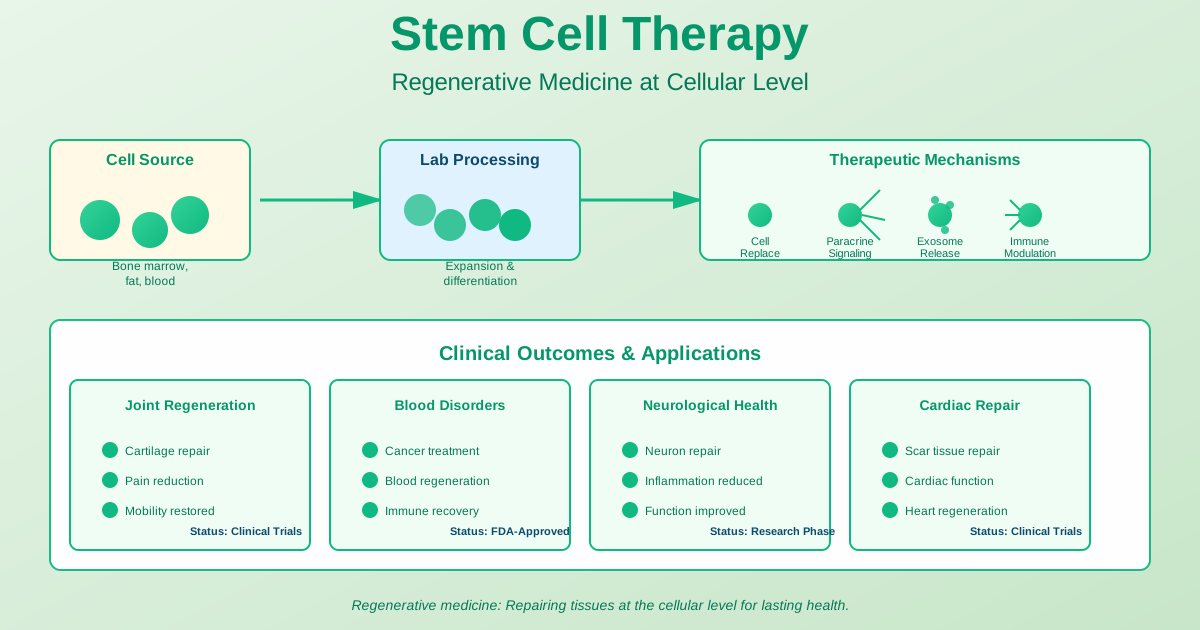
How Stem Cells Regenerate Tissue
Visual flow of stem cell therapy from source to therapeutic mechanism
🔍 Click to enlarge
Why Stem Cell Therapy Matters in 2026
We face a healthcare crisis: millions suffer from diseases where current treatments only manage pain and decline rather than cure. Osteoarthritis affects over 100 million people globally with no regenerative cure. Heart disease remains the leading cause of death. Degenerative disc disease limits mobility for millions. Conventional medicine has reached a plateau—surgeries replace joints but can't regrow them; medications suppress symptoms but don't heal underlying tissue. Stem cell therapy offers a fundamentally different approach: true regeneration instead of symptom management.
The regulatory landscape is shifting rapidly. The FDA has streamlined pathways for cell therapy approval, recognizing the urgent need for novel treatments. In 2026, at least four major stem cell therapies are expected to receive FDA decisions, including treatments for blood disorders, retinal diseases, and hematologic cancers. This acceleration means patients may have access to proven regenerative options within years rather than decades.
Importantly, the field is maturing beyond hype. With over 1,200 patients dosed in clinical trials and no widespread safety signals, stem cell therapies are demonstrating that regenerative medicine can be both effective and safe when developed with rigorous scientific standards. Early clinical evidence shows meaningful improvements: osteoarthritis patients report sustained pain relief and improved function, some patients regain mobility lost to joint disease, and transplant recipients benefit from the anti-inflammatory properties of mesenchymal stem cells.
The Science Behind Stem Cell Therapy
Stem cells work through multiple interconnected mechanisms. The primary mechanism is differentiation: stem cells transform into the specific cell type that's damaged—cartilage cells for joint disease, nerve cells for neurodegeneration, or heart muscle cells for cardiac injury. This direct replacement rebuilds lost tissue. However, equally important is the paracrine mechanism: stem cells secrete signaling molecules including growth factors, cytokines, and exosomes that reduce inflammation, suppress immune attack, and stimulate the body's own repair processes. In many clinical conditions, the paracrine effect may be more important than direct cell replacement.
Exosomes—tiny vesicles released by stem cells—represent an emerging frontier. These nanoscale carriers contain proteins, lipids, and genetic material that can be taken up by damaged cells to trigger healing. Researchers are developing exosome-based therapies as a more stable, easier-to-manufacture alternative to whole stem cells. The immune system also plays a crucial role: mesenchymal stem cells promote regulatory T cells that suppress harmful inflammation, making them valuable for autoimmune and inflammatory diseases. This multi-mechanism approach explains why stem cell therapy shows promise across diverse conditions from joint disease to neurological disorders.
Stem Cell Therapy Mechanisms in Action
Four pathways through which stem cells achieve therapeutic effects
🔍 Click to enlarge
Key Components of Stem Cell Therapy
Hematopoietic Stem Cells (HSCs)
HSCs are bone marrow stem cells that generate all blood cell types. They're the most clinically established stem cells—blood stem cell transplantation has saved millions of cancer patients since the 1980s. HSCs are used to treat leukemia, lymphoma, multiple myeloma, and inherited blood disorders. The procedure involves high-dose chemotherapy to eliminate cancer cells, followed by infusion of healthy HSCs from a donor or the patient themselves (autologous transplant). These cells regenerate the entire blood and immune system. While highly effective for blood cancers, HSC transplantation carries significant risks including graft-versus-host disease and infection during the immune recovery phase.
Mesenchymal Stem Cells (MSCs)
MSCs are adult stem cells found in bone marrow and fat tissue that can differentiate into bone, cartilage, and fat. Beyond tissue regeneration, MSCs possess powerful anti-inflammatory and immune-modulatory properties, making them valuable for treating inflammatory diseases. MSCs secrete growth factors and exosomes that reduce tissue inflammation and promote healing. Clinical trials show promise for osteoarthritis (intra-articular injection directly into the joint), cartilage defects, degenerative disc disease, and conditions like acute graft-versus-host disease. Ryoncil, the newly FDA-approved MSC therapy, demonstrates that MSCs can modulate immune responses to prevent transplant-related complications. MSCs are also being studied for heart failure, stroke, and immune disorders.
Induced Pluripotent Stem Cells (iPSCs)
iPSCs represent a revolutionary technology: mature adult cells reprogrammed to become pluripotent, meaning they can differentiate into any cell type in the body. Because iPSCs can be created from a patient's own cells (skin or blood), they overcome immune rejection problems that plague donor-derived therapies. iPSCs also avoid ethical concerns associated with embryonic stem cells. In 2024-2026, multiple iPSC-derived therapies entered clinical trials, including photoreceptor replacement for retinal diseases and blood cell therapies for cancers. The challenge is manufacturing: creating clinical-grade iPSCs at scale is complex and expensive, but advancing technology is driving costs down rapidly.
Neural Stem Cells
Neural stem cells can differentiate into neurons and supporting glial cells, making them candidates for treating neurodegenerative diseases and spinal cord injury. Researchers are exploring neural stem cell therapies for Parkinson's disease, amyotrophic lateral sclerosis (ALS), and multiple sclerosis. These therapies face unique challenges: the brain and spinal cord are immunologically privileged (isolated from the immune system) and highly complex, requiring precise cell delivery and integration. Several neural stem cell trials are underway, but clinical applications remain earlier-stage compared to blood stem cell and MSC therapies.
| Stem Cell Type | Source | Key Applications |
|---|---|---|
| Hematopoietic (HSCs) | Bone marrow, blood | Blood cancers, blood disorders (FDA-approved) |
| Mesenchymal (MSCs) | Bone marrow, fat tissue | Osteoarthritis, cartilage repair, inflammation (emerging FDA approvals) |
| Induced Pluripotent (iPSCs) | Adult cells reprogrammed | Cancer, retinal disease, neurological (clinical trials) |
| Neural Stem Cells | Fetal or reprogrammed | Neurodegeneration, spinal cord injury (research stage) |
How to Apply Stem Cell Therapy: Step by Step
- Step 1: Consult a physician specializing in regenerative medicine to determine if stem cell therapy is appropriate for your condition
- Step 2: Request information about clinical trial participation through ClinicalTrials.gov or your medical center
- Step 3: Undergo comprehensive medical evaluation including imaging (MRI, X-rays) to establish baseline disease severity
- Step 4: Confirm the therapy is FDA-approved or enrolled in an FDA-supervised clinical trial—avoid unregulated clinics
- Step 5: Choose cell source: autologous (your own cells) or allogeneic (donor cells) based on your condition and risk tolerance
- Step 6: Participate in cell harvesting if using autologous stem cells (bone marrow aspiration or liposuction)
- Step 7: Allow 3-8 weeks for laboratory expansion of stem cells to therapeutic quantities
- Step 8: Receive stem cell injection or infusion via the route appropriate for your condition (direct injection, intravenous, or intrathecal)
- Step 9: Follow post-treatment protocols including activity modification, physical therapy, and follow-up monitoring
- Step 10: Track outcomes through structured assessments over 6-24 months as healing progresses
Stem Cell Therapy Across Life Stages
Young Adulthood (18-35)
Young adults rarely require stem cell therapy unless managing serious injury, congenital conditions, or blood cancers diagnosed in this age range. However, this life stage matters for regenerative medicine strategy: patients with injuries (ACL tears, cartilage damage) may benefit from stem cell therapy to prevent osteoarthritis decades later. Some young adults with type 1 diabetes or autoimmune conditions may be candidates for experimental stem cell therapies in clinical trials. The advantage of treating younger patients is superior tissue healing capacity and immune system responsiveness, making outcomes potentially better than in older populations.
Middle Adulthood (35-55)
This age group represents the largest population seeking stem cell therapy. Middle-aged adults increasingly face osteoarthritis, degenerative disc disease, and accumulated injuries. Stem cell therapy is most appropriate for conditions where conventional treatments (surgery, medication) have failed or where tissue damage is severe enough to warrant regenerative intervention. MSC-based therapies for joint disease show strong clinical evidence in this demographic. Patients are also candidates for clinical trials of therapies targeting cardiovascular disease, neurological conditions, and metabolic disorders. Middle age is often the optimal window: young enough for robust healing response, old enough to have developed conditions requiring treatment.
Later Adulthood (55+)
Older adults face both greater need and greater complexity with stem cell therapy. Accumulated disease burden, multiple medications, and age-related tissue changes mean older patients may be excellent candidates for regenerative medicine, yet require more careful risk assessment. Blood stem cell transplantation for blood cancers can be performed in selected older patients with good results. MSC therapies for osteoarthritis may offer pain relief and functional improvement, postponing or eliminating the need for joint replacement. Older adults must carefully distinguish FDA-approved therapies from unproven stem cell clinics, as they're often targeted by marketing making unrealistic promises. Age itself is not a barrier; individual health status determines appropriateness.
Profiles: Your Stem Cell Therapy Approach
The Injury Strategist
- Early intervention for cartilage, ligament, or tendon damage
- Autologous stem cells to prevent immune rejection
- Structured rehabilitation post-treatment
Common pitfall: Delaying stem cell therapy for years while continuing joint damage, making tissue regeneration harder
Best move: Seek regenerative medicine consultation immediately after injury, before damage becomes severe and irreversible
The Treatment-Resistant Patient
- FDA-approved or clinical-trial-based therapy (not unproven clinic treatments)
- Clear evidence of efficacy in published peer-reviewed studies
- Long-term follow-up protocols to monitor outcomes
Common pitfall: Pursuing experimental treatments at unregulated clinics after conventional medicine fails, lacking any safety oversight
Best move: Search ClinicalTrials.gov for legitimate FDA-supervised trials matching your condition before considering experimental clinics
The Disease-Delayer
- Regenerative options to prevent progression (e.g., cartilage repair before osteoarthritis develops)
- Combination therapy with physical therapy and lifestyle optimization
- Multiple treatment sessions if needed
Common pitfall: Assuming stem cell therapy is a one-time cure, then abandoning exercise and joint protection afterward
Best move: Use stem cell therapy as part of comprehensive strategy: treat, rehabilitate, maintain with ongoing activity and prevention
The Cancer Fighter
- Blood stem cell transplantation only through established cancer centers
- Careful risk assessment with oncology team
- Intensive supportive care during recovery phase
Common pitfall: Confusing unproven 'stem cell clinics' with legitimate hematopoietic stem cell transplantation performed by cancer specialists
Best move: Receive blood stem cell transplantation only at accredited cancer centers with transplant specialists and dedicated ICU support
Common Stem Cell Therapy Mistakes
Mistake #1: Treating unproven clinics as equivalent to FDA-approved therapies. Stem cell tourism—traveling to Mexico, Costa Rica, or other countries for unregulated stem cell injections—carries severe risks. These clinics often use minimal-manipulation cells with no quality control, no clinical trials, and no safety monitoring. Patients have suffered serious infections, tumor formation, blindness (from stem cell injections into eyes), and organ failure. The FDA has limited jurisdiction over foreign clinics, but U.S. authorities have prosecuted illegal stem cell providers. Always verify that your provider is conducting FDA-regulated trials or offering FDA-approved products.
Mistake #2: Expecting one-time cure instead of realistic outcomes. Stem cell therapy is not a miracle cure for all conditions. Clinical evidence supports regenerative benefits in specific diseases (cartilage repair, certain blood disorders, graft-versus-host disease), but benefits are typically moderate-to-good pain relief and functional improvement, not complete restoration of youth. Success requires integration with physical therapy, activity modification, and lifestyle factors. Patients who receive stem cells then stop exercising or return to joint-damaging activities often see benefits fade.
Mistake #3: Overlooking serious risks. While FDA-approved stem cell therapies have strong safety profiles, all cell therapies carry risks including infection, immune rejection (with allogeneic cells), blood clots (with intravenous infusion), and rare tumor formation. Patients with multiple comorbidities, infections, or active malignancy may face elevated risk. Full informed consent requires understanding that long-term safety of some therapies is still being monitored, and delayed adverse effects (appearing years after treatment) are theoretically possible, though not clinically documented yet.
FDA-Approved vs. Unproven Stem Cell Therapy
Decision tree for identifying legitimate vs. unproven treatments
🔍 Click to enlarge
Science and Studies
Stem cell therapy has accumulated substantial clinical evidence from rigorous trials. Over 1,200 patients have received pluripotent stem cell-derived products in FDA-regulated trials with no generalized safety concerns. Specific clinical evidence includes: mesenchymal stem cell injections for knee osteoarthritis showing significant pain reduction and improved function in multiple randomized controlled trials; Ryoncil (allogeneic MSCs) demonstrating efficacy for pediatric acute graft-versus-host disease in clinical trials leading to FDA approval; early-phase trials showing promise for cartilage defect repair, degenerative disc disease, and heart failure. Research supports both differentiation and paracrine mechanisms, with exosomes emerging as a manufacturing-friendly alternative to whole cells.
- Pluripotent stem-cell-derived therapies in clinical trial: A 2025 update (Cell Stem Cell, 2025) - Comprehensive review of 115 active clinical trials testing 83 hPSC products in human subjects.
- Application of stem cells in regeneration medicine (NIH PMC, 2023) - Systematic review of stem cell mechanisms, applications, and clinical translation across multiple disease categories.
- Intra-Articular Injection of Stem Cells for Knee Joint Cartilage Regeneration (PMC, 2024) - Meta-analysis of MSC therapy for osteoarthritis showing sustained pain relief and functional improvement.
- Stem cell-based cartilage regeneration: Biological strategies and clinical translation (PMC, 2024) - Review of engineered approaches combining stem cells with 3D bioprinting for joint repair.
- ISCT MSC committee statement on FDA approval of allogeneic MSCs (Cytotherapy, 2025) - Expert consensus on regulatory pathway for cell-based medicines and quality standards.
Your First Micro Habit
Start Small Today
Today's action: Research one FDA-approved stem cell therapy or active clinical trial related to your health interest using ClinicalTrials.gov—take 10 minutes to explore what's actually available versus marketing hype.
Stem cell therapy is advancing rapidly but also heavily marketed by unproven clinics. Spending 10 minutes learning the regulatory landscape protects you from expensive, dangerous treatments while helping you recognize legitimate advances when they become available.
Keep quitting habit apps after a missed day? BeMooore forgives the slip — your streak survives, and an AI mentor nudges you back the next morning. Free on iOS.
Quick Assessment
Are you currently managing a chronic condition where conventional treatment has plateaued (pain despite medication, limited function despite surgery)?
Patients with conditions refractory to standard care are often the best candidates for stem cell therapy clinical trials. Those managing well with current treatment can monitor emerging therapies.
What aspect of stem cell therapy most interests you?
Your primary interest determines whether to focus on current FDA-approved treatments, emerging clinical trials, or foundational knowledge about regenerative mechanisms.
How do you evaluate health information when considering new treatments?
Critical evaluation skill is essential for stem cell therapy where high-quality evidence coexists with aggressive marketing of unproven treatments. Prioritize published research over testimonials.
Take our full assessment to get personalized recommendations.
Discover Your Style →Next Steps
If you have a chronic condition potentially benefiting from regenerative medicine, start by consulting your physician about whether stem cell therapy is appropriate. Ask specifically whether FDA-approved options exist or clinical trials are recruiting for your condition. Search ClinicalTrials.gov yourself using your disease name plus 'stem cell' to understand what's available. Request referral to a regenerative medicine specialist at an academic medical center or accredited hospital—these institutions have infrastructure for cell manufacturing, quality control, and long-term patient monitoring.
Be skeptical of any clinic offering stem cell treatment without referral from your primary physician, lacking published clinical outcomes, promising guaranteed cures, or located outside the U.S. regulatory system. Legitimate stem cell medicine is advancing rapidly, but the field is also heavily marketed by unproven operators. Your role is to distinguish real progress in clinical trials and FDA-approved products from marketing hype.
Get personalized guidance with AI coaching.
Start Your Journey →Research Sources
This article is based on peer-reviewed research and authoritative sources. Below are the key references we consulted:
Related Glossary Articles
Frequently Asked Questions
Are stem cell therapies safe?
FDA-approved stem cell therapies like blood stem cell transplantation and Ryoncil have strong safety profiles with documented efficacy in clinical trials. However, all medical treatments carry risks. Infection, immune rejection (with donor cells), blood clots, and rare tumor formation are documented though uncommon with properly manufactured cells. Unregulated stem cell clinics are dramatically riskier due to lack of quality control and safety monitoring. Always verify treatment through accredited medical centers conducting FDA-regulated trials.
How long does stem cell therapy take to work?
Timeframe varies by condition and cell type. Blood stem cell transplantation requires 3-6 months for full hematopoietic recovery. Mesenchymal stem cell injections for joint disease typically show benefit within 2-8 weeks, with maximum improvement over 3-6 months as healing progresses. Some benefits continue improving up to 12-24 months. Patients must be patient with the biological healing process and typically combine stem cell therapy with physical therapy for optimal results.
What's the difference between FDA-approved and clinical trial stem cells?
FDA-approved stem cell products (like Ryoncil for graft-versus-host disease) have completed rigorous clinical trials demonstrating safety and efficacy, and are now available through standard medical prescription. Clinical trial therapies are being tested in controlled studies under FDA supervision but haven't yet received approval—they may eventually become approved, or data may show they don't work. Both are legitimate and regulated. Unregulated clinics are neither approved nor in FDA-supervised trials.
Can stem cells treat my specific condition?
This depends entirely on your condition. Strong evidence exists for blood stem cells treating blood cancers and hematologic disorders, and emerging evidence supports mesenchymal stem cells for osteoarthritis and cartilage defects. Ongoing trials are testing stem cells for heart disease, neurological conditions, diabetes, and many others. Search ClinicalTrials.gov using your disease name plus 'stem cell' to find active trials. Discuss with your physician whether you're a candidate for existing FDA-approved therapies or clinical trials.
Why are unproven stem cell clinics so dangerous?
Unregulated clinics typically use cells with minimal quality control, manufacturing in non-sterile conditions, unverified cell types and potency, and zero clinical trial infrastructure. Documented cases include infections leading to sepsis, tumor formation, blindness from ocular injections, and organ failure. Patients also waste significant money on ineffective treatments. The lack of follow-up monitoring means serious adverse events often go undetected. FDA has prosecuted illegal stem cell providers, but international clinics operate beyond U.S. jurisdiction.
Take the Next Step
Ready to improve your wellbeing? Take our free assessment to get personalized recommendations based on your unique situation.
- Discover your strengths and gaps
- Get personalized quick wins
- Track your progress over time
- Evidence-based strategies