Peptide Supplements
Your body is constantly rebuilding itself, replacing worn tissues with fresh ones. But what if you could accelerate that process? Peptide supplements—including collagen peptides, BPC-157, and bioactive peptides—are gaining traction among athletes, wellness enthusiasts, and those seeking recovery support. These fragments of protein promise to enhance muscle recovery, strengthen joints, improve skin elasticity, and support tissue repair. But do they work? What's actually happening at the cellular level? And which peptide type is right for your body's needs?
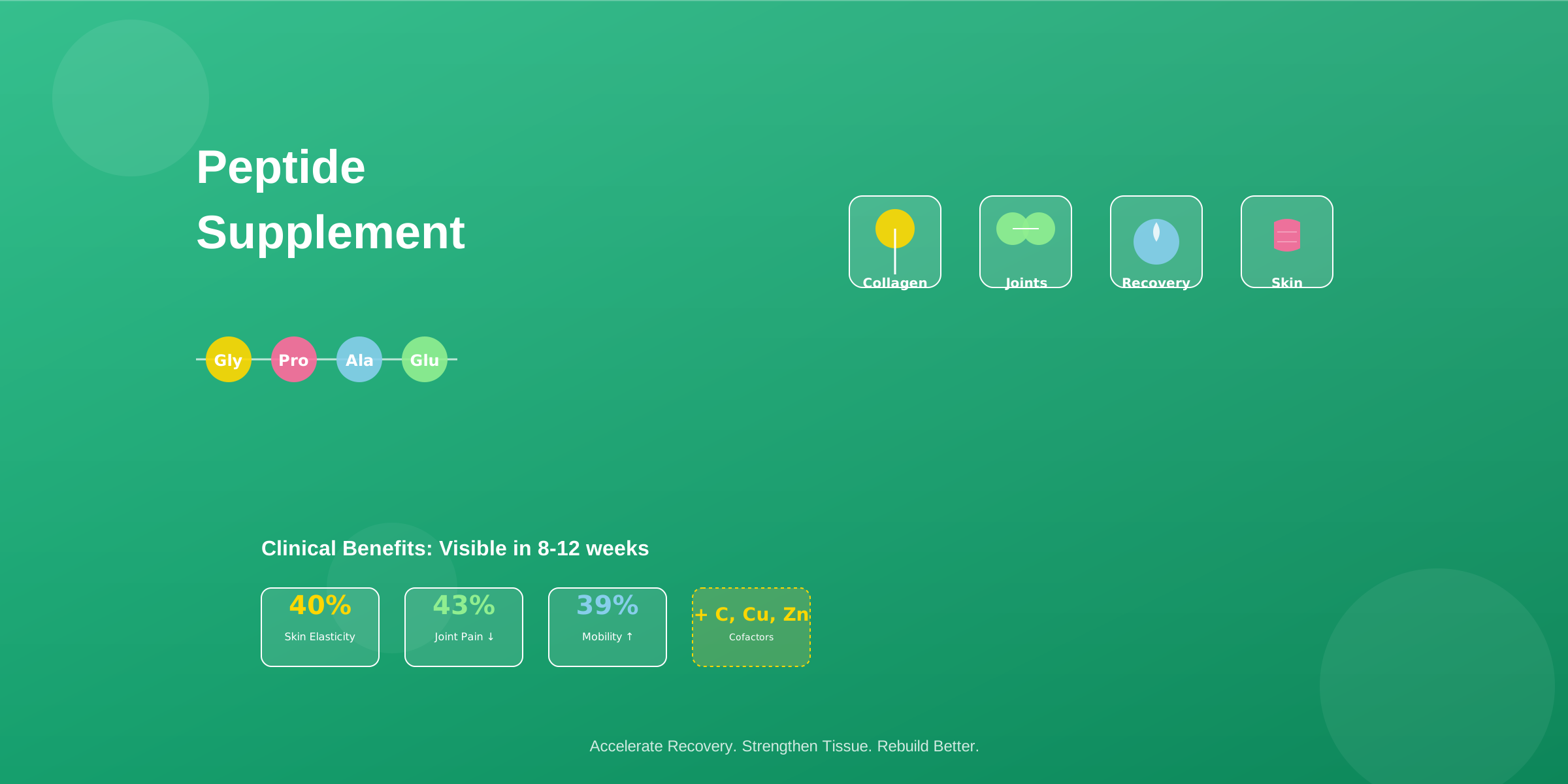
Modern peptide research reveals fascinating mechanisms: collagen peptides trigger fibroblast activity for skin and joint regeneration, while specialized peptides like BPC-157 show promise in preclinical models for accelerating healing of tendons, ligaments, and muscle tissue.
The key question for 2026 isn't whether peptides can work—it's how to choose the right type, dose, and duration for your specific health goals, and how to integrate them into a comprehensive recovery strategy alongside exercise, nutrition, and sleep.
What Is Peptide Supplement?
A peptide supplement is a concentrated form of amino acid chains derived from protein sources—typically bovine collagen, plant proteins, or synthesized compounds—that your digestive system absorbs more efficiently than whole proteins. Peptides are shorter than proteins (typically 2-50 amino acids), allowing them to cross the intestinal barrier and enter the bloodstream where they exert specific biological effects.
Not medical advice.
The three main categories are: hydrolyzed collagen peptides (most researched for skin, joint, and bone health), bioactive peptides (with specific amino acid sequences designed for targeted effects like blood pressure regulation), and specialized therapeutic peptides like BPC-157 (body protection compound from gastric secretions, shown in animal studies to enhance tissue healing). Each type triggers different cellular pathways, making peptide selection highly dependent on your recovery goal.
Surprising Insight: Surprising Insight: Most research on BPC-157 comes from animal studies. As of 2025, only one pilot human study has been published—showing promising safety profile—yet this peptide is widely marketed online despite minimal human data available.
How Peptide Supplements Work in Your Body
Visual breakdown of peptide absorption, cellular uptake, and tissue-specific effects from ingestion to collagen synthesis.
🔍 Click to enlarge
Why Peptide Supplement Matters in 2026
Recovery has become the new performance frontier. Elite athletes and biohackers recognize that training tears tissue down; nutrients and recovery rebuild it stronger. The peptide market exploded from $6 billion in 2023 to $12+ billion by 2026 because people want faster results with measurable outcomes. A clinical trial published in the Journal of Cosmetic Dermatology (2025) showed that collagen peptides increased skin elasticity by 40% in participants with age-related deficits—real numbers, not hype.
Joint and bone health stakes are equally high. Collagen makes up 70% of dry weight in your skin and is the primary structural protein in cartilage, tendons, and ligaments. As collagen production naturally declines 1% annually after age 30, supplementation becomes strategically important for athletes, desk workers, and aging adults seeking to maintain mobility and resilience.
The regulatory landscape adds urgency: The FDA named BPC-157 a Category 2 bulk drug substance in 2023, restricting commercial pharmaceutical production but allowing it to be marketed as a dietary supplement. Understanding peptide types and sourcing quality products now—before tighter regulations—is a smart move for health-conscious consumers.
The Science Behind Peptide Supplement
Peptides work through hyperspecific mechanisms. Hydrolyzed collagen peptides (also called collagen hydrolysate) are broken down into dipeptides and tripeptides that your small intestine recognizes as 'build more collagen' signals. These peptides trigger fibroblast cells in skin, joints, and connective tissue to upregulate collagen synthesis. A 2023 meta-analysis in Frontiers in Nutrition found that collagen peptide supplementation combined with resistance training increased bone mineral density in postmenopausal women—synergy matters.
BPC-157 operates through different pathways. This 15-amino acid synthetic peptide (derived from human gastric juice) activates growth hormone receptor expression in tendon fibroblasts and upregulates angiogenic factors—basically telling your body to build new blood vessels and repair tissue faster. Animal studies show it accelerates healing of muscle strains, tendon ruptures, and fractures by 20-40%. However, the human safety data remains thin: only one pilot study (Lee & Burgess, 2025) has tested intravenous BPC-157 at 20mg doses in two healthy adults with no adverse events reported.
Molecular Mechanisms of Collagen Peptide Action
Step-by-step breakdown of how dipeptides and tripeptides signal fibroblasts to synthesize new collagen and activate tissue repair pathways.
🔍 Click to enlarge
Key Components of Peptide Supplement
Hydrolyzed Collagen Peptides
The most research-backed peptide category. Hydrolyzed collagen (also called collagen hydrolysate or collagen peptides) is acid or enzyme-digested collagen from bovine, marine, or plant sources, creating bioavailable peptide fragments. Clinical evidence supports 2.5–5g daily for skin health and 10–20g daily for joint/bone health. A double-blind trial found participants taking 10g collagen peptides daily for 12 weeks showed 43% reduction in joint pain and 39% improvement in joint mobility compared to placebo—effects enhanced when combined with resistance training.
BPC-157 (Body Protection Compound-157)
A synthetic 15-amino acid peptide (GEPPA from the sequence) derived from gastric mucosa secretions. BPC-157 is legally sold as a 'research chemical' or dietary supplement in most countries, though not approved by the FDA for human use. Preclinical studies (36 published from 1993-2024) show it enhances growth hormone receptor expression, reduces inflammatory cytokines, and improves functional outcomes in tendon, ligament, muscle, and bone injuries. However, all positive results come from animal models or in vitro studies—human clinical data remains extremely limited. Practitioners typically dose intravenously at 250-500 micrograms for acute injuries.
Bioactive Peptides
Amino acid sequences with proven physiological functions: antioxidant, antimicrobial, ACE-inhibitory (blood pressure regulation), and immunomodulating effects. Milk-derived tripeptides (Val-Pro-Pro and Ile-Pro-Pro) are clinically proven to lower blood pressure in moderately hypertensive patients. These peptides work by binding to specific receptors or enzymes and modulating systemic pathways—not just structural repair like collagen. Typical dietary sources: fermented foods, cheese, certain processed meats.
Plant-Based & Marine Peptides
Emerging alternatives to animal collagen. Plant peptides (from soy, pumpkin seeds, hemp) and marine peptides (from fish skin, shellfish) offer similar bioactive benefits with different amino acid profiles. Marine peptides tend toward higher glycine and proline (ideal for collagen synthesis), while plant peptides often carry additional phytonutrients. Absorption rates vary—marine peptides are generally more bioavailable than plant-based options due to smaller molecular size.
| Peptide Type | Mechanism & Benefits | Research Status & Typical Dose |
|---|---|---|
| Hydrolyzed Collagen | Fibroblast activation, collagen synthesis, skin elasticity, joint strength, bone density | Strong clinical evidence; 2.5-5g/day (skin), 10-20g/day (joint/bone) |
| BPC-157 | Growth hormone signaling, angiogenesis, tissue regeneration, anti-inflammatory | 35+ preclinical studies, 1 pilot human study; 250-500 mcg IV (investigational) |
| Bioactive Peptides | ACE inhibition, antioxidant, antimicrobial, immune modulation | Good evidence for hypertension; 1-3g/day via food sources or isolated supplements |
| Marine Peptides | Collagen synthesis + bioactive effects, high glycine/proline content | Emerging evidence; comparable to bovine collagen, 2-10g/day |
How to Apply Peptide Supplement: Step by Step
- Step 1: Define your primary goal: skin health (lowest dose range), joint strength (moderate), recovery from injury (higher doses), or performance optimization (combination protocols).
- Step 2: Choose your peptide type: collagen for structural repair, bioactive for systemic effects, or BPC-157 only if you're working with a functional medicine practitioner experienced with experimental peptides.
- Step 3: Select a quality source: third-party tested brands that verify amino acid profiles, purity, and absence of contaminants. Avoid unverified online suppliers for specialized peptides like BPC-157.
- Step 4: Start with the researched dose: 2.5g daily for skin, 10-15g daily for joints/bones, 1-3g daily for bioactive peptides. Most benefits appear after 8-12 weeks of consistent use.
- Step 5: Combine with protein intake: peptides complement but don't replace whole protein. Aim for 25-30g total protein per meal to maximize muscle protein synthesis alongside peptide supplementation.
- Step 6: Time peptides strategically: collagen peptides are most effective post-workout or with a meal containing vitamin C (needed for collagen cross-linking). Bioactive peptides work best with consistent daily use.
- Step 7: Track biomarkers: measure skin elasticity (elasticity meter), joint pain (pain scale), mobility (ROM testing), or healing timeline. Subjective improvements usually appear by week 6-8.
- Step 8: Ensure cofactor support: vitamin C (500-1000mg), copper (1-2mg), and zinc (8-15mg) are essential for collagen synthesis. Without these, peptides alone won't activate fully.
- Step 9: Maintain consistency for 12+ weeks: collagen has a 3-month tissue turnover cycle. Most clinical studies showing benefits ran for 12 weeks minimum. Short-term use yields minimal results.
- Step 10: Re-evaluate after 3 months: decide whether to continue, increase dose, switch peptide type, or add complementary strategies (strength training, sleep optimization, anti-inflammatory foods).
Peptide Supplement Across Life Stages
Young Adulthood (18-35)
Your body still produces collagen efficiently, but intensive training, poor sleep, and high stress accelerate collagen breakdown. Peptide supplementation (5-10g collagen + bioactive peptides) works here as injury prevention and performance recovery. Focus on post-workout timing and ensuring adequate sleep and protein. BPC-157 appeals to this group for sports injury recovery but should be approached cautiously given limited human data.
Middle Adulthood (35-55)
Collagen production declines noticeably (1% annually), and joint stiffness becomes real. This is the sweet spot for peptide intervention: 10-15g collagen peptides daily combined with resistance training yields measurable improvements in joint mobility, skin elasticity, and bone density. Menopause accelerates bone loss in women—peptides + calcium + vitamin D become particularly valuable. Bioactive peptides (for blood pressure, inflammation) gain relevance as preventive medicine.
Later Adulthood (55+)
Collagen production has dropped 25-30% since age 30, and sarcopenia (muscle loss) accelerates. Higher peptide doses (15-20g collagen + whole protein + resistance training) become essential for maintaining bone density, mobility, and preventing falls. Peptide supplementation has clinically shown to slow bone loss in postmenopausal women when combined with exercise. Quality of life improvements (reduced joint pain, improved skin texture, better mobility) are often the most motivating outcomes at this stage.
Profiles: Your Peptide Supplement Approach
The Athletic Performer
- Fast recovery from intense training
- Joint protection and tendon strength
- Measurable performance gains
Common pitfall: Assuming peptides replace sleep, nutrition, or training quality. Peptides amplify—they don't substitute for fundamentals.
Best move: 10-15g collagen peptides post-workout + bioactive peptides for systemic inflammation. Measure joint pain, ROM, and recovery time. Skip BPC-157 unless under medical supervision for serious injury.
The Aging Wellness Seeker
- Skin elasticity and anti-aging
- Joint mobility and comfort
- Bone health preservation
Common pitfall: Chasing expensive specialty peptides when well-researched collagen peptides at standard doses would suffice. Overkill rarely adds value.
Best move: Start with 10g quality collagen peptides daily + vitamin C. Add resistance training 2-3x weekly. Reassess skin, joints, and energy after 12 weeks. Consider marine peptides if sensitive to bovine products.
The Biohacker Experimenter
- Cutting-edge recovery optimization
- Synergistic peptide stacking
- Real-time biomarker tracking
Common pitfall: Experimenting with unproven peptides like BPC-157 without medical oversight. Injectable peptides carry contamination risks if not pharmaceutical-grade.
Best move: Establish collagen + bioactive baseline first (12 weeks). Only add specialized peptides under functional medicine guidance. Work with labs tracking IGF-1, growth hormone, inflammatory markers. Document everything.
The Injury Rehabilitator
- Accelerated tissue healing
- Reduced inflammation
- Functional recovery timeline
Common pitfall: Assuming peptides alone fix injuries. Physical therapy, mobility work, and progressive loading are non-negotiable alongside supplementation.
Best move: Use 15-20g collagen peptides daily + comprehensive PT protocol. Consider BPC-157 only if working with a sports medicine specialist. Combine with anti-inflammatory nutrition (omega-3s, curcumin, quercetin). Track ROM and pain scores weekly.
Common Peptide Supplement Mistakes
Mistake 1: Choosing the wrong peptide type for your goal. Taking collagen peptides for systemic inflammation or BPC-157 for skin health is like using a hammer for carpentry when you need a screwdriver. Match peptide mechanism to outcome first, then dosing.
Mistake 2: Supplementing without cofactors. Collagen synthesis requires vitamin C, copper, and zinc. Peptides alone without these micronutrients activate only 40-50% of their potential. This is why expensive peptides seem to not work for many people—missing cofactors are the real bottleneck.
Mistake 3: Expecting overnight results or quitting too early. Clinical benefits require 8-12 weeks minimum because tissue turnover cycles are long. People quit at 4-6 weeks when they should be just entering the window where results compound. Patience is the secret most people lack.
Peptide Supplementation Mistakes & Solutions
Common errors in peptide selection, dosing, and execution with corrective actions.
🔍 Click to enlarge
Science and Studies
The evidence base for peptide supplementation has expanded significantly since 2023. Major clinical trials and systematic reviews provide credible support for collagen peptides while highlighting the knowledge gaps around emerging peptides like BPC-157. Here are the landmark studies informing current recommendations:
- The Sustained Effects of Bioactive Collagen Peptides on Skin Health (PMC12661388, 2025): Randomized, double-blind, placebo-controlled study showing 40% increase in skin elasticity with clinical histological confirmation.
- Efficacy of Collagen Peptide Supplementation on Bone and Muscle Health: A Meta-Analysis (Frontiers in Nutrition, 2025): Meta-analysis of 12 RCTs confirming collagen + resistance training significantly increases bone mineral density in postmenopausal women.
- Emerging Use of BPC-157 in Orthopaedic Sports Medicine (PMC12313605, 2025): Systematic review of 36 studies (35 preclinical, 1 human pilot) showing BPC-157 enhances growth hormone signaling and tissue healing markers but highlighting lack of human clinical trials.
- Local and Systemic Peptide Therapies for Soft Tissue Regeneration (PMC11426299, 2025): Narrative review of peptide mechanisms in musculoskeletal healing, covering collagen synthesis, angiogenesis, and inflammatory modulation.
- Safety of Protein Hydrolysates and Bioactive Peptides in Human Nutrition (European Journal of Clinical Nutrition, peer-reviewed): Extensive review confirming safety of hydrolyzed proteins and bioactive peptides at typical doses with NOAEL of 40g/kg body weight (140x recommended intake).
Your First Micro Habit
Start Small Today
Today's action: Tomorrow morning, mix 5g of collagen peptides (unflavored, dissolves in water or coffee) into your breakfast beverage. Do this for 7 consecutive days. Track how your joints feel and whether skin texture improves. No other changes needed—just this one addition.
Starting micro (5g vs 10g) lowers the friction of adoption. Seven days establishes pattern without overwhelming commitment. Tracking even subjectively makes you aware of baseline, which is essential for noticing improvement over 12 weeks. Most people skip measurement and later can't tell if something worked.
Keep quitting habit apps after a missed day? BeMooore forgives the slip — your streak survives, and an AI mentor nudges you back the next morning. Free on iOS.
Quick Assessment
What's your primary concern right now: joint pain, skin aging, muscle recovery, or bone health?
Your answer determines which peptide type fits best: collagen peptides excel across all four but are particularly powerful for joint + skin. Bioactive peptides address systemic factors like inflammation. Your goal clarifies dosing strategy.
How consistent can you realistically be with daily supplementation for 12 weeks?
Peptide benefits require consistency. If you're in the 'spotty' category, consider a pre-mixed drink or setting phone reminders. Otherwise you won't reach the 12-week window where results compound. Consistency beats dose optimization.
Are you currently doing resistance training or physical therapy?
Peptides amplify training effects. If you're training regularly, collagen peptides + resistance work synergize powerfully (40%+ better bone density gains). If sedentary, peptides alone deliver modest results. Adding even light resistance training (2x/week) unlocks peptide potential.
Take our full assessment to get personalized recommendations.
Discover Your Style →Next Steps
Your next move depends on your specific goal. If joint health is the priority, start with 10g collagen peptides daily + vitamin C cofactor + resistance training 2-3x weekly, and reassess after 8 weeks. If skin is your focus, try 2.5-5g daily with consistent hydration and sun protection. If you're recovering from injury, 15-20g daily collagen + physical therapy protocol + potential BPC-157 (only under medical guidance) can meaningfully accelerate healing.
The critical insight: peptides are amplifiers, not replacements. They enhance the effects of training, sleep, stress management, and whole-food nutrition. The best results come from people who view peptides as one tool in a comprehensive recovery system, not a magic bullet. Implement the micro habit starting tomorrow, commit to 12 weeks, track your progress, and adjust based on real results—not marketing promises.
Get personalized guidance with AI coaching.
Start Your Journey →Research Sources
This article is based on peer-reviewed research and authoritative sources. Below are the key references we consulted:
Related Glossary Articles
Frequently Asked Questions
How long does it take to see results from peptide supplements?
Skin hydration and flexibility can improve in 2-4 weeks. Joint pain reduction typically takes 6-8 weeks. Significant bone density changes and tissue repair gains require the full 12-week cycle. Clinical studies measure meaningful outcomes at 12+ weeks, so patience is required. Tracking subjective markers (morning stiffness, skin texture, energy levels) helps you notice progress earlier than clinical metrics.
Are peptide supplements safe? Any side effects?
Hydrolyzed collagen peptides and bioactive peptides are extremely safe at standard doses (up to 20g/day collagen has been tested with no adverse effects). The European Journal of Clinical Nutrition confirmed a NOAEL of 40g/kg body weight, meaning safety margin of 100+x typical use. Individual sensitivity to digestive proteins is rare but possible. BPC-157, however, has minimal human safety data—only one published pilot study at this time. Consult a healthcare provider before using BPC-157.
Do I need to take peptides with food or on an empty stomach?
Collagen peptides absorb well with or without food, but pairing with vitamin C (an orange, supplement, or supplement powder) enhances collagen synthesis. Post-workout (within 2 hours) is ideal timing because your muscles are primed for protein. Morning or evening works equally well for skin/joint benefits. Taking with a meal containing fat may slightly improve absorption of fat-soluble micronutrients needed for collagen cross-linking.
Can I get enough collagen from food instead of supplements?
Bone broth, skin-on chicken, and gelatin contain collagen, but you'd need to consume 10-15 servings daily to hit therapeutic peptide doses (10-20g). Food sources are valuable but rarely sufficient as standalone therapy. Supplements offer concentrated, standardized doses in practical quantities. Best practice: combine both—supplement strategically while incorporating collagen-rich foods into regular diet.
What's the difference between collagen peptides and gelatin?
Gelatin is collagen that's been partially hydrolyzed and gels when cool. Collagen peptides (hydrolyzed collagen) are fully broken down into smaller chains that don't gel and absorb more efficiently. Peptides enter the bloodstream faster and more completely, making them superior for therapeutic use. Gelatin works but delivers lower bioavailability. Choose peptides over gelatin for supplementation goals.
Take the Next Step
Ready to improve your wellbeing? Take our free assessment to get personalized recommendations based on your unique situation.
- Discover your strengths and gaps
- Get personalized quick wins
- Track your progress over time
- Evidence-based strategies